
Note-Taking: Organising Animal Research
Year 4 English WALT: Use effective note-taking strategies to organise research information Duration: 60 minutes

Why Do We Take Notes?
Think about when you learn something new... What happens if you don't write it down? How do notes help us remember information?

Two Note-Taking Strategies
Mind Maps - visual way to organise ideas Bullet Points - short, clear facts Both help us remember important information Make report writing much easier!
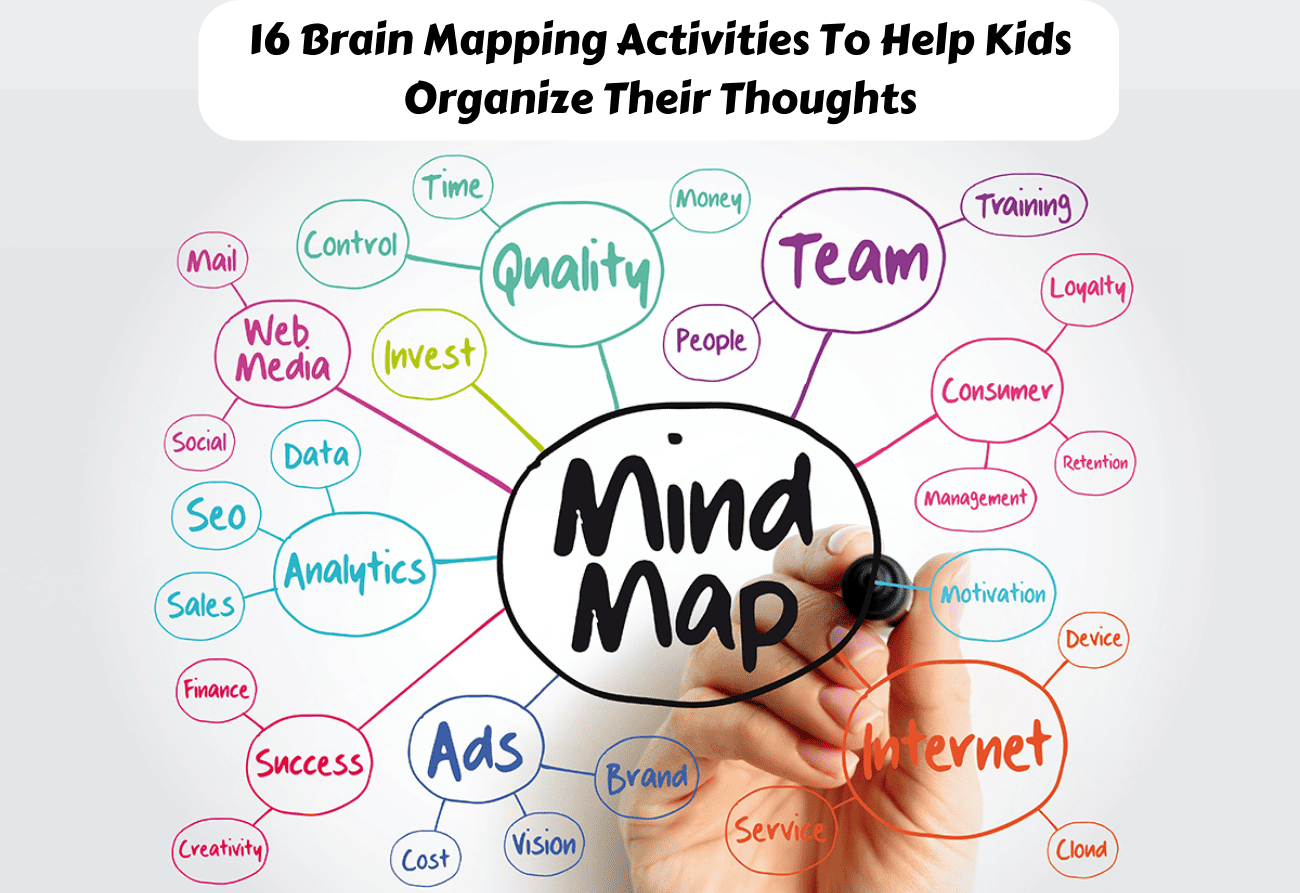
Let's Create a Mind Map Together!
Animal: Kangaroo Main branches: Habitat, Food, Appearance, Interesting Facts Add details to each branch Watch how ideas connect!

Success Criteria - What We Can Do
{"left":"I can create a mind map to organise facts about an animal\nI can write clear bullet points to summarise key information","right":"I can explain why note-taking helps me with my research\nI can use my notes to find information easily for my report"}

Your Turn: Create Animal Mind Maps
Work in pairs Choose: Koala, Wombat, or Platypus Use fact sheets provided Create your mind map on large paper Add branches for: Habitat, Food, Appearance, Fun Facts

From Mind Map to Bullet Points
Use your mind map as a guide Write short, clear facts Start with: 'The animal lives in...' 'It eats...' 'This animal has...' Keep it simple - no full sentences needed!

Reflection: How Did Note-Taking Help?
Share your mind maps and bullet points Which method was easier for you? Why? How will these notes help when writing your animal report? What did you learn about organizing information?