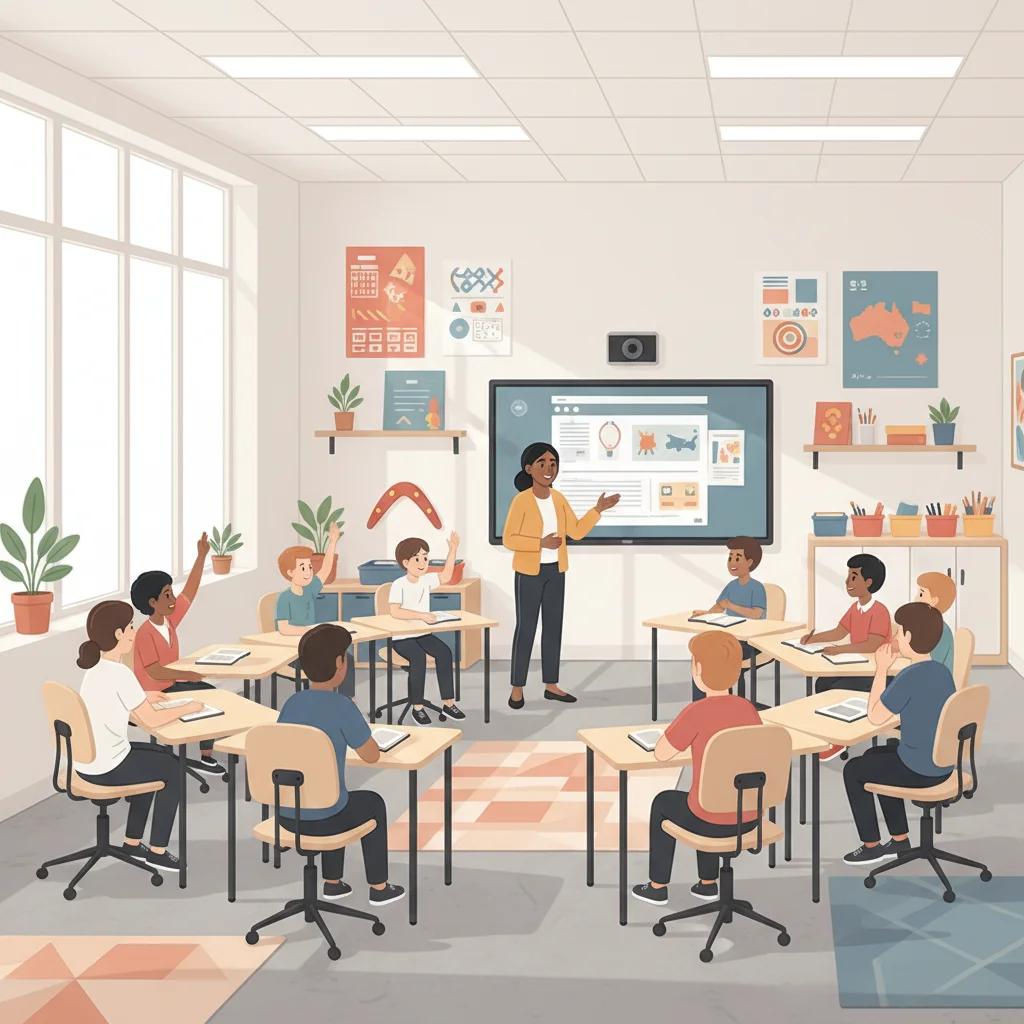
NSW What Works Best: Classroom Management
Professional Learning Session Evidence-Based Teaching Practices Building Effective Learning Environments
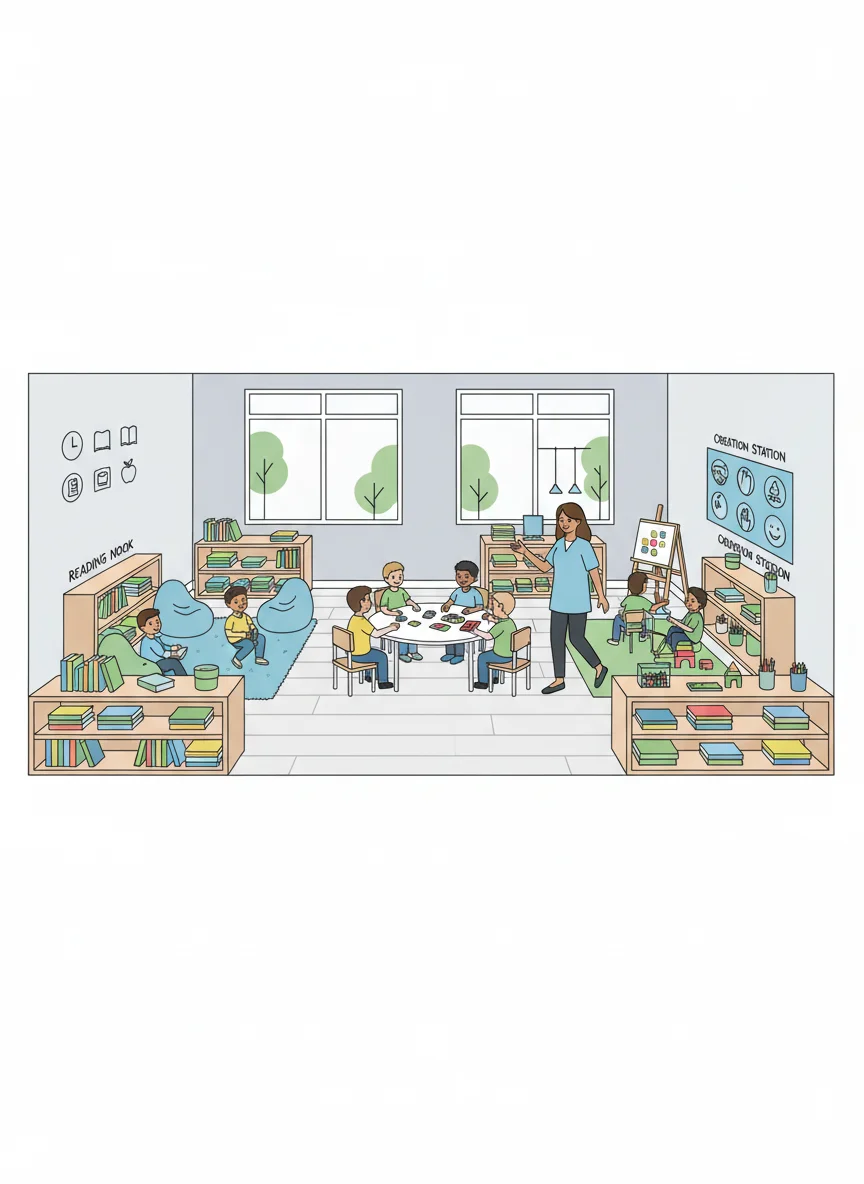
What is Classroom Management?
Creating and maintaining learning environments where students can achieve their potential Establishing clear expectations, routines, and procedures Building positive relationships that support learning Preventing and responding to challenging behaviours effectively

Research Foundation
"Effective classroom management has a large effect on student learning outcomes, with an effect size of 0.52" - NSW What Works Best 2025
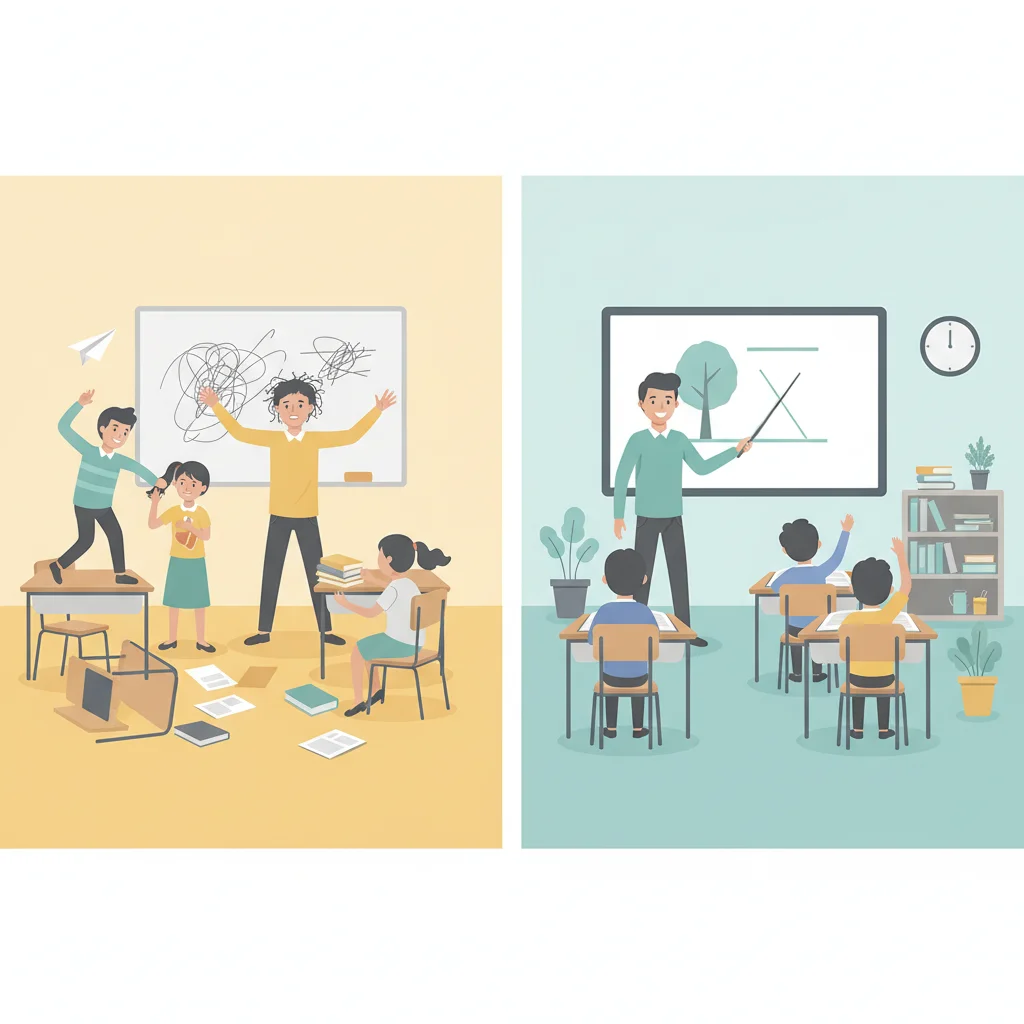
Reactive vs Proactive Management
{"left":"Reactive: Responding to problems after they occur\nProactive: Preventing problems through planning\nFocuses on consequences and punishment\nFocuses on prevention and positive relationships","right":"Often disrupts learning flow\nMaintains continuous learning environment\nCan escalate conflicts\nReduces likelihood of conflicts arising"}
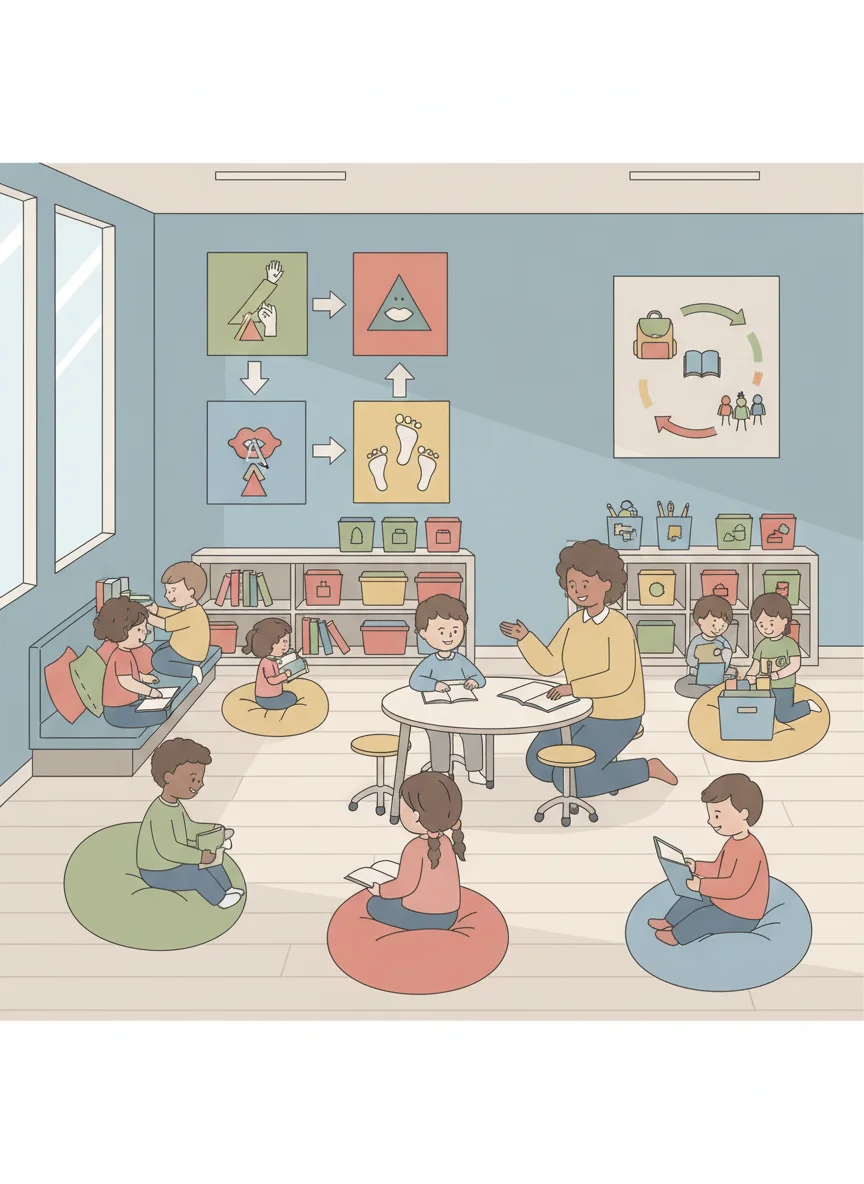
Key Elements of Effective Classroom Management
Clear expectations and consistent routines Positive teacher-student relationships Engaging and relevant curriculum delivery Physical environment that supports learning Efficient use of instructional time Appropriate responses to student behaviour
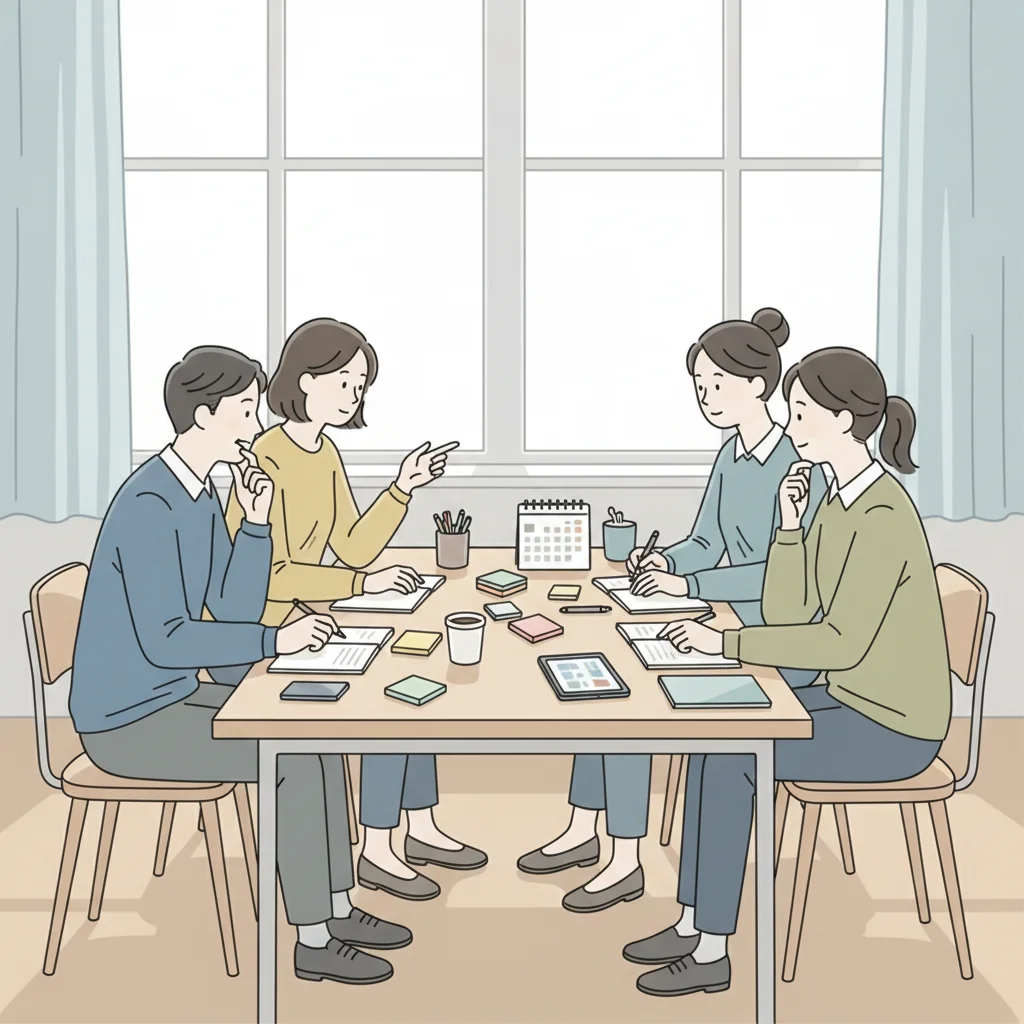
Reflection Activity
Think about your most challenging class Identify which of the six key elements might need strengthening Share one specific strategy you could implement next week Discuss with a colleague how this might impact student engagement
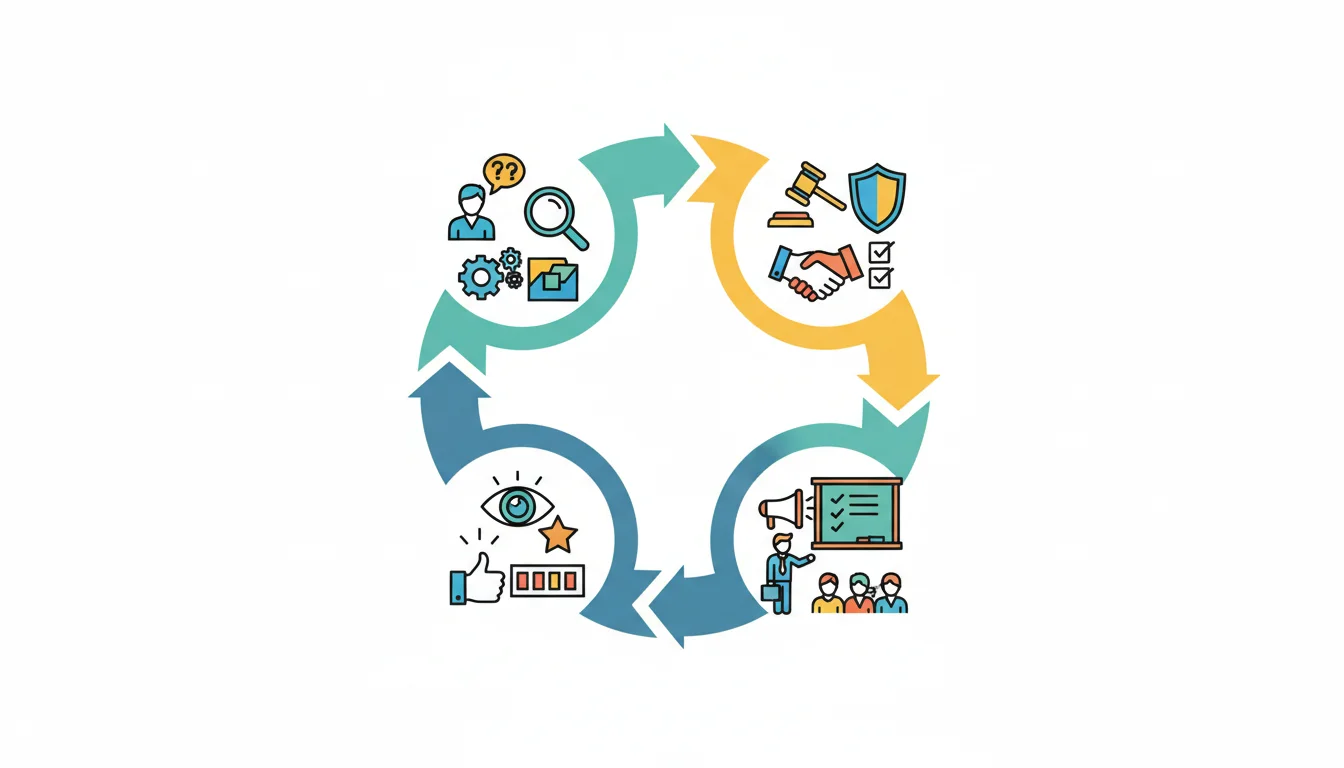
The Classroom Management Cycle

Building Positive Relationships
Learn and use students' names quickly Show genuine interest in students as individuals Maintain high expectations with high support Use restorative rather than punitive approaches Acknowledge effort and improvement, not just achievement Create opportunities for positive interactions

Discussion Question
How might effective classroom management look different across various subjects and year levels? Consider: Physical education vs Mathematics Year 7 vs Year 12 classes Large classes vs small classes
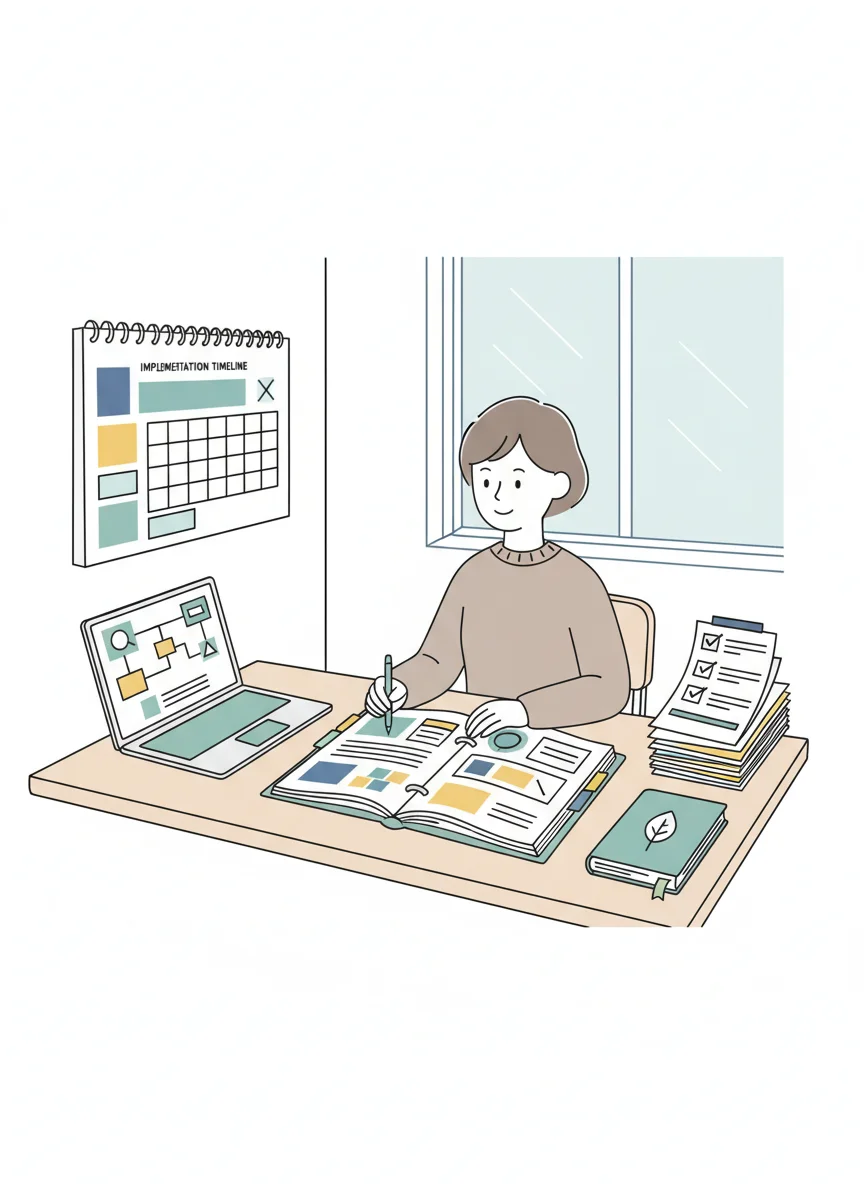
Implementation and Next Steps
Start with one specific area for improvement Involve students in developing classroom expectations Collect baseline data on current management effectiveness Plan explicit teaching of new procedures Schedule regular review and adjustment periods Seek feedback from colleagues and students