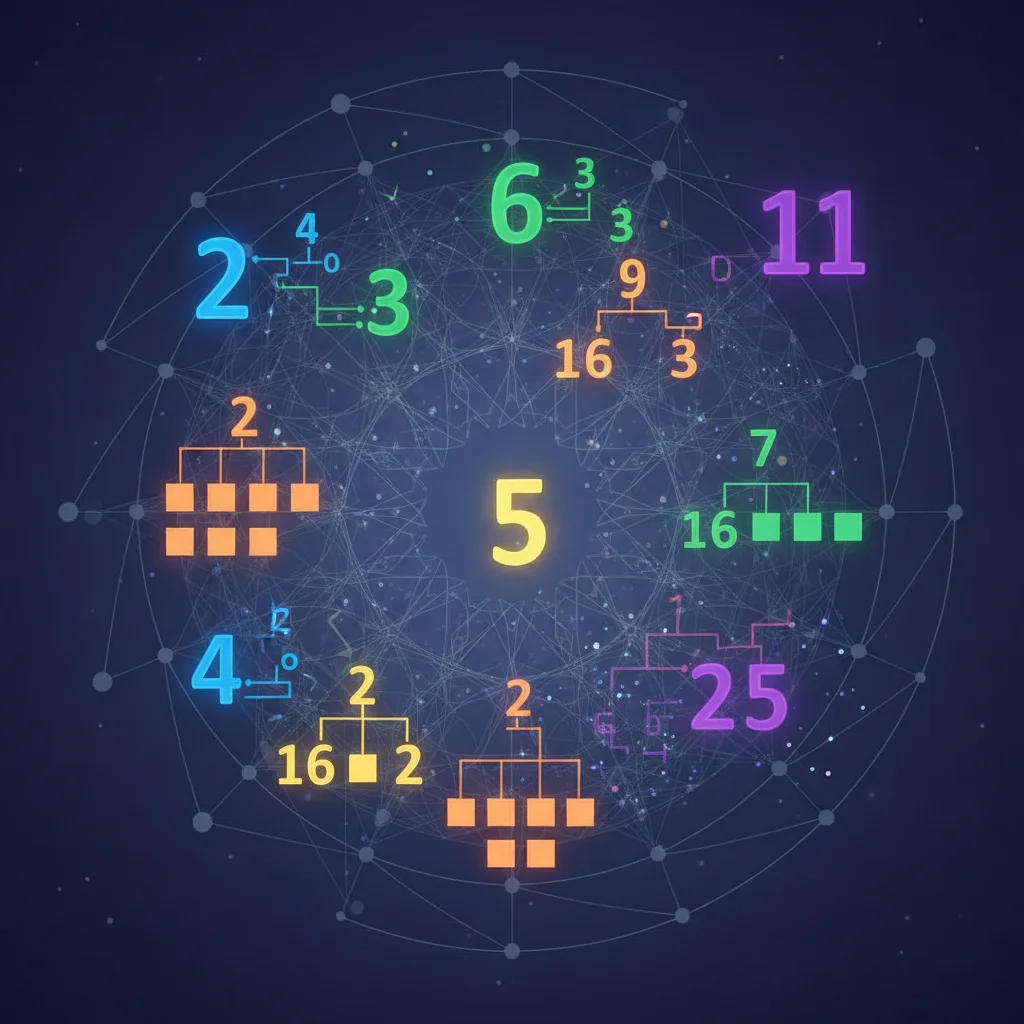
Numbers: Prime, Composite & Squared Properties
Year 6 Mathematics Exploring Number Properties WALT: Identify and classify different types of numbers
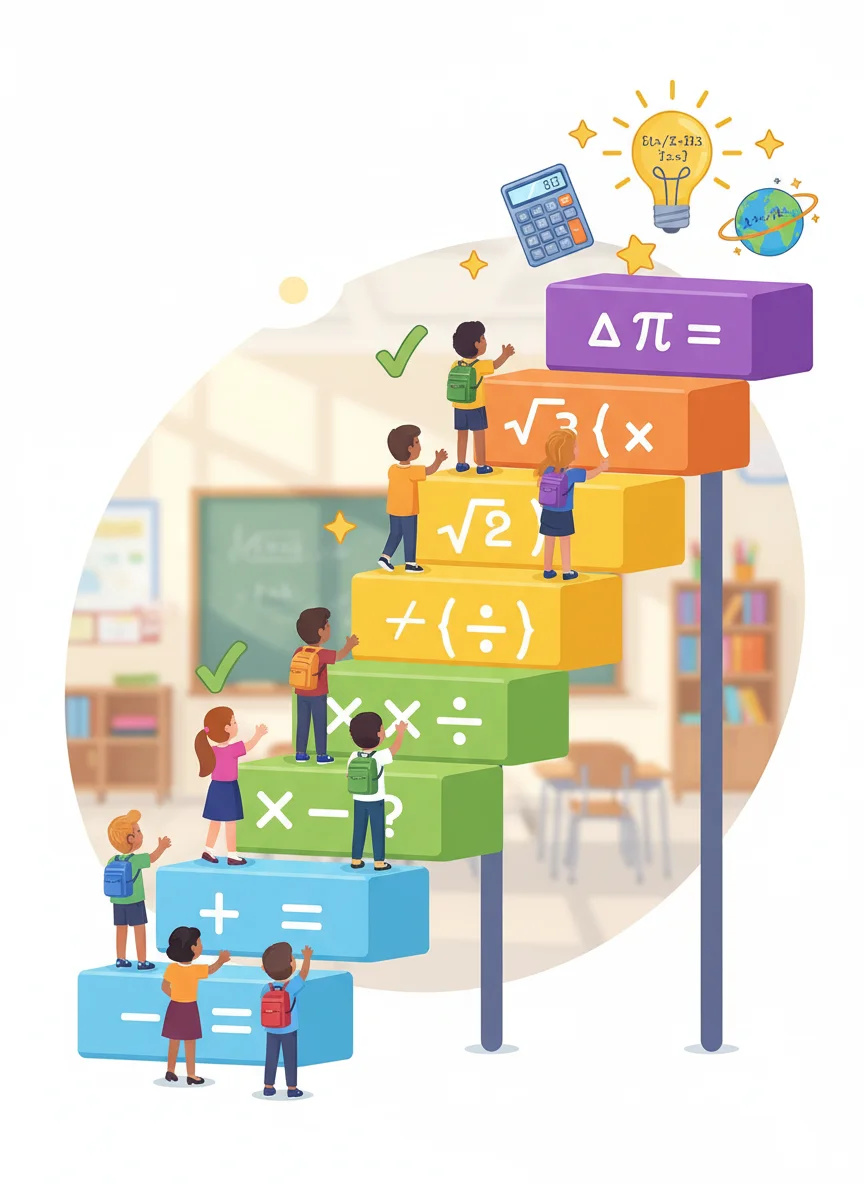
WALT & Success Criteria
WALT: Identify prime, composite and squared numbers Success Criteria: • I can explain what makes a number prime • I can identify composite numbers and their factors • I can recognise and calculate squared numbers • I can sort numbers into these categories
What Do You Already Know?
Think about numbers you use every day... • What makes some numbers special? • Can you think of any patterns in numbers? • What do you notice about 4, 9, 16, 25?
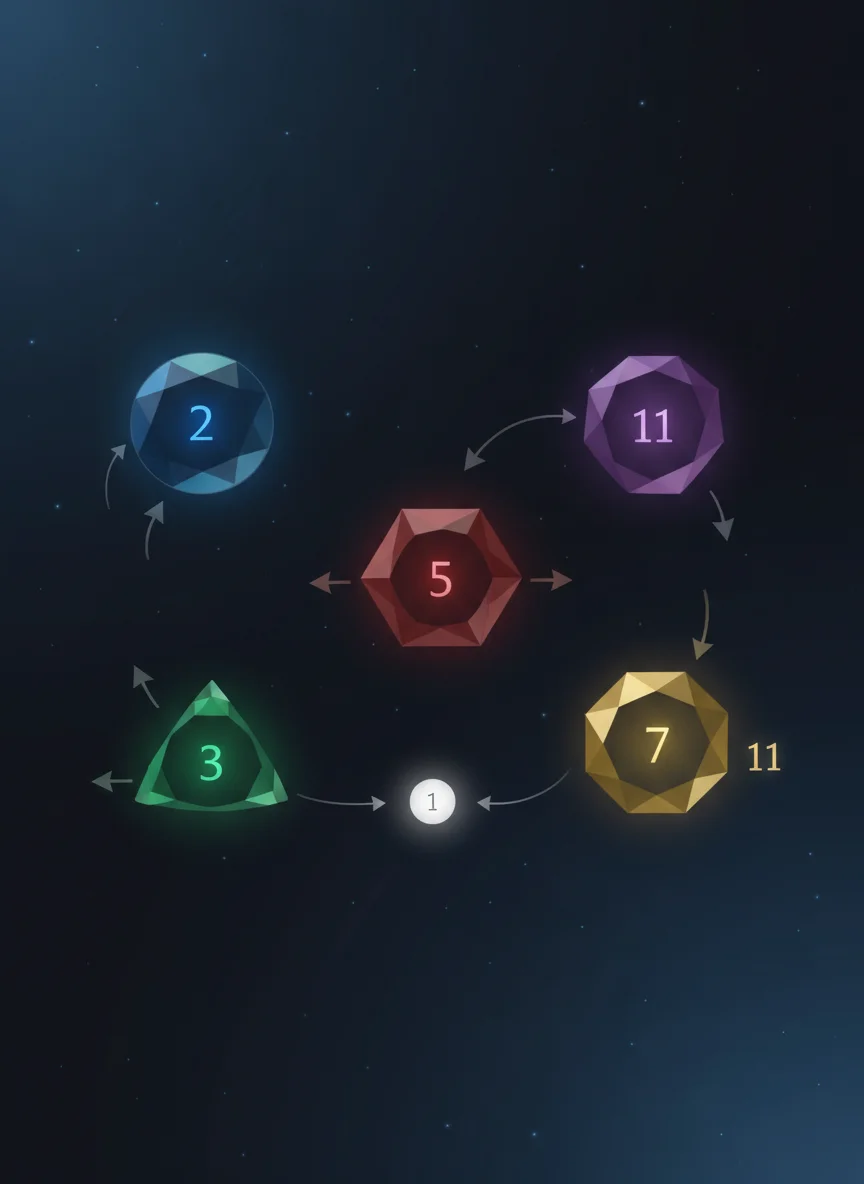
What Are Prime Numbers?
A prime number has exactly TWO factors: • The number 1 • Itself Examples: 2, 3, 5, 7, 11, 13, 17, 19, 23 Remember: 1 is NOT a prime number! The number 2 is the only even prime number
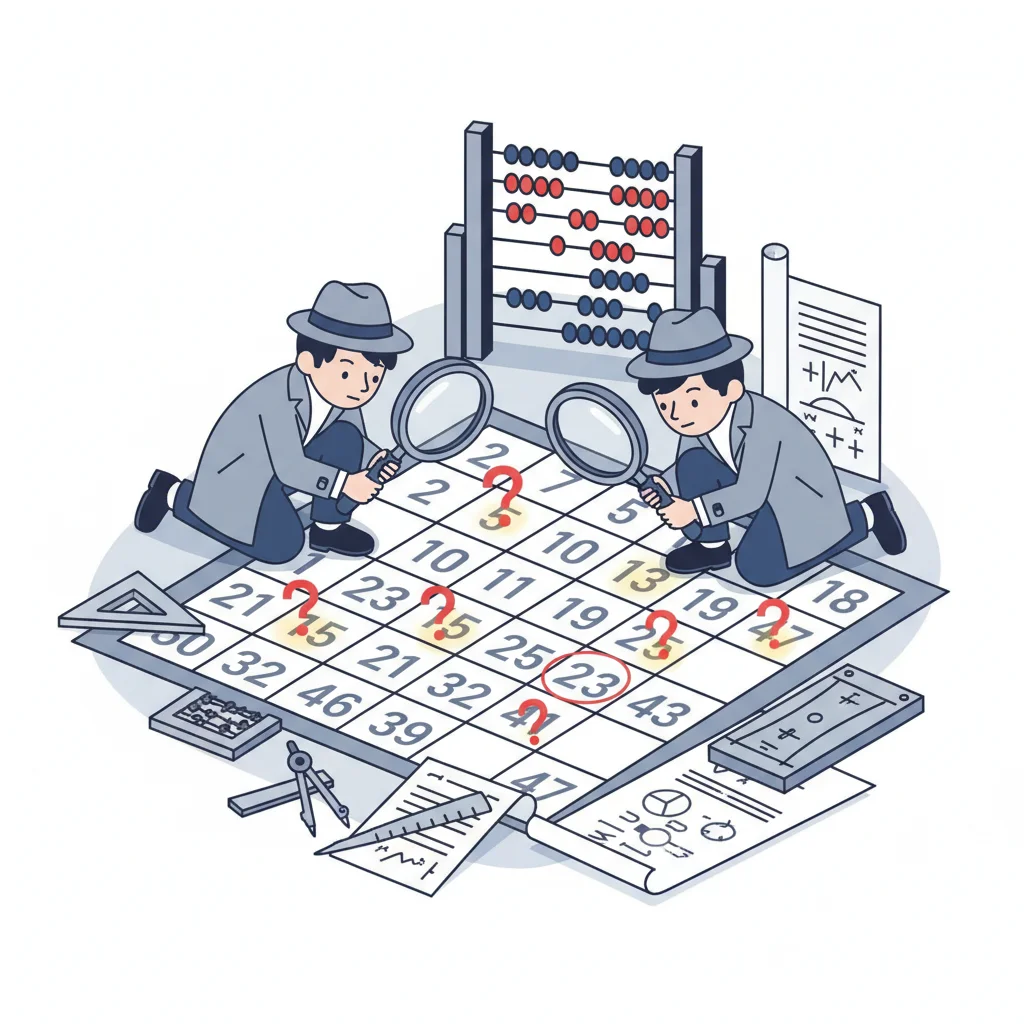
Prime Number Detective
Work in pairs to find all prime numbers between 1-30 Use the 'trial division' method: • Test if the number divides evenly by 2, 3, 5, 7 • If it doesn't divide evenly, it's prime! Extension: Find the next 5 prime numbers after 30
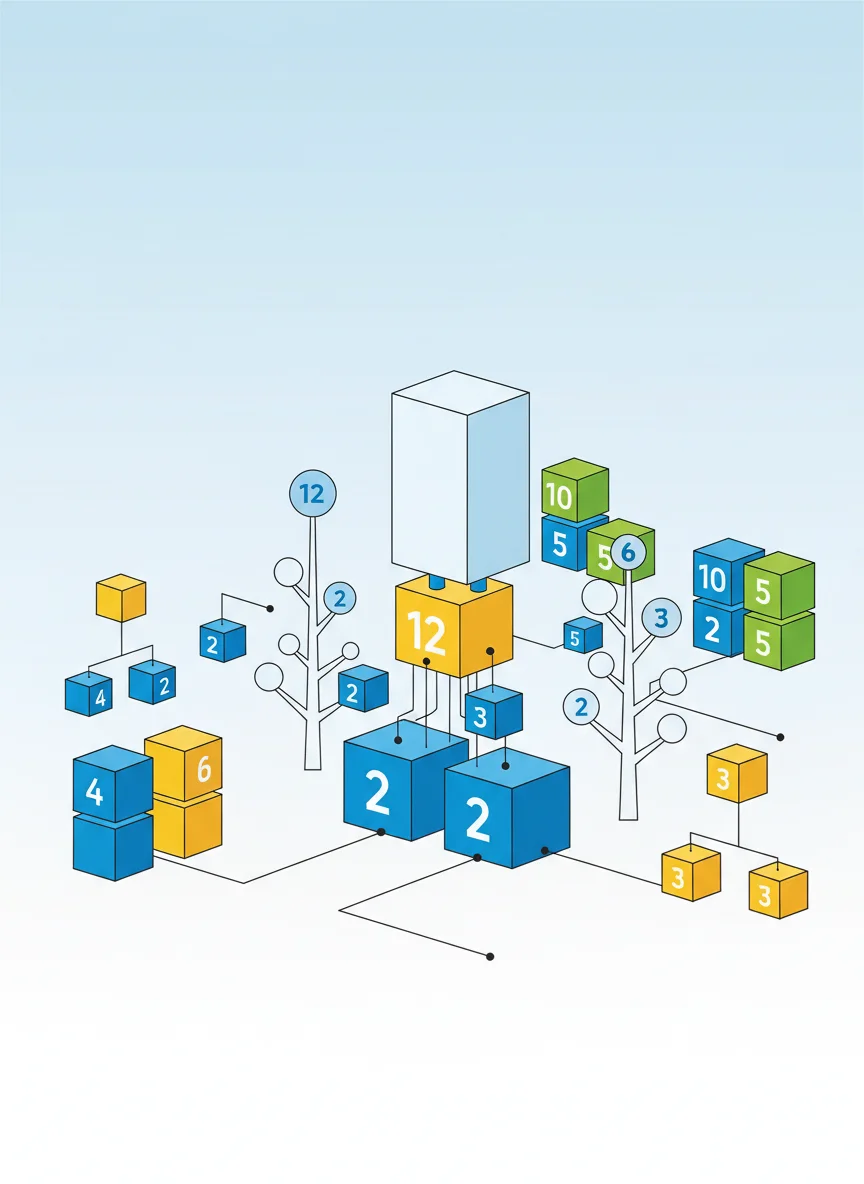
What Are Composite Numbers?
A composite number has MORE than two factors It can be divided evenly by numbers other than 1 and itself Examples: 4, 6, 8, 9, 10, 12, 14, 15, 16 Every composite number can be broken down into prime factors Factor trees help us find these prime factors

Prime vs Composite Comparison
{"left":"Exactly 2 factors only\nCannot be divided evenly except by 1 and itself\nExamples: 2, 3, 5, 7, 11, 13\nBuilding blocks of all numbers","right":"More than 2 factors\nCan be divided evenly by other numbers\nExamples: 4, 6, 8, 9, 10, 12\nMade up of prime factors"}
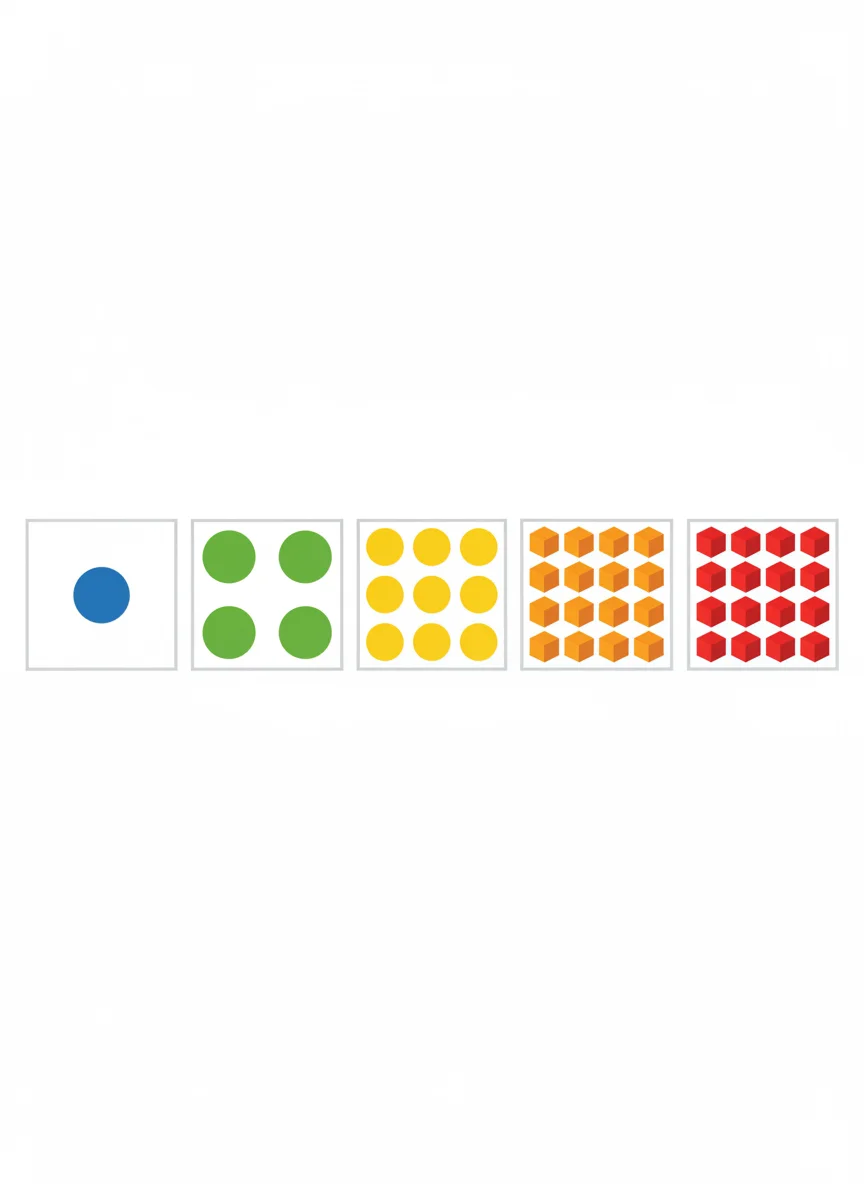
Squared Numbers Explained
A squared number is a number multiplied by itself Written as: n² (n squared) Examples: • 1² = 1 × 1 = 1 • 2² = 2 × 2 = 4 • 3² = 3 × 3 = 9 • 4² = 4 × 4 = 16 • 5² = 5 × 5 = 25
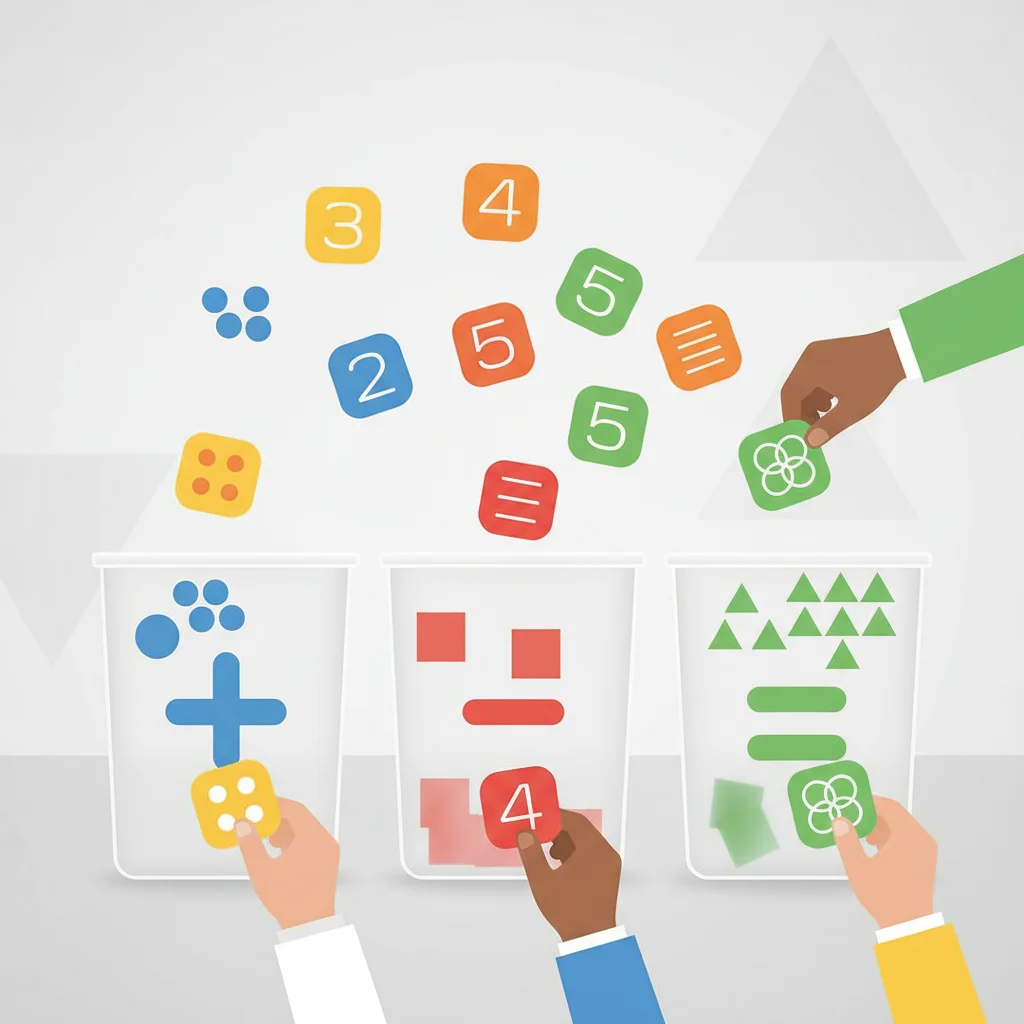
Number Classification Challenge
Sort these numbers into three categories: Numbers: 1, 4, 6, 7, 9, 11, 12, 16, 17, 25 Categories: Prime, Composite, Squared Some numbers might fit into multiple categories! Bonus: Explain your reasoning for each classification

Mathematical Thinking
"Mathematics is not about numbers, equations, computations, or algorithms: it is about understanding." - William Paul Thurston
Summary & Next Steps
Today we learned about: • Prime numbers (exactly 2 factors) • Composite numbers (more than 2 factors) • Squared numbers (number × itself) Next lesson: We'll explore how these properties help us with multiplication and division Home learning: Find 5 examples of each type of number in your daily life