Organisation of Complex Animals
Year 12 Biology Understanding structural complexity in multicellular organisms From cells to organ systems
Levels of Organization in Complex Animals
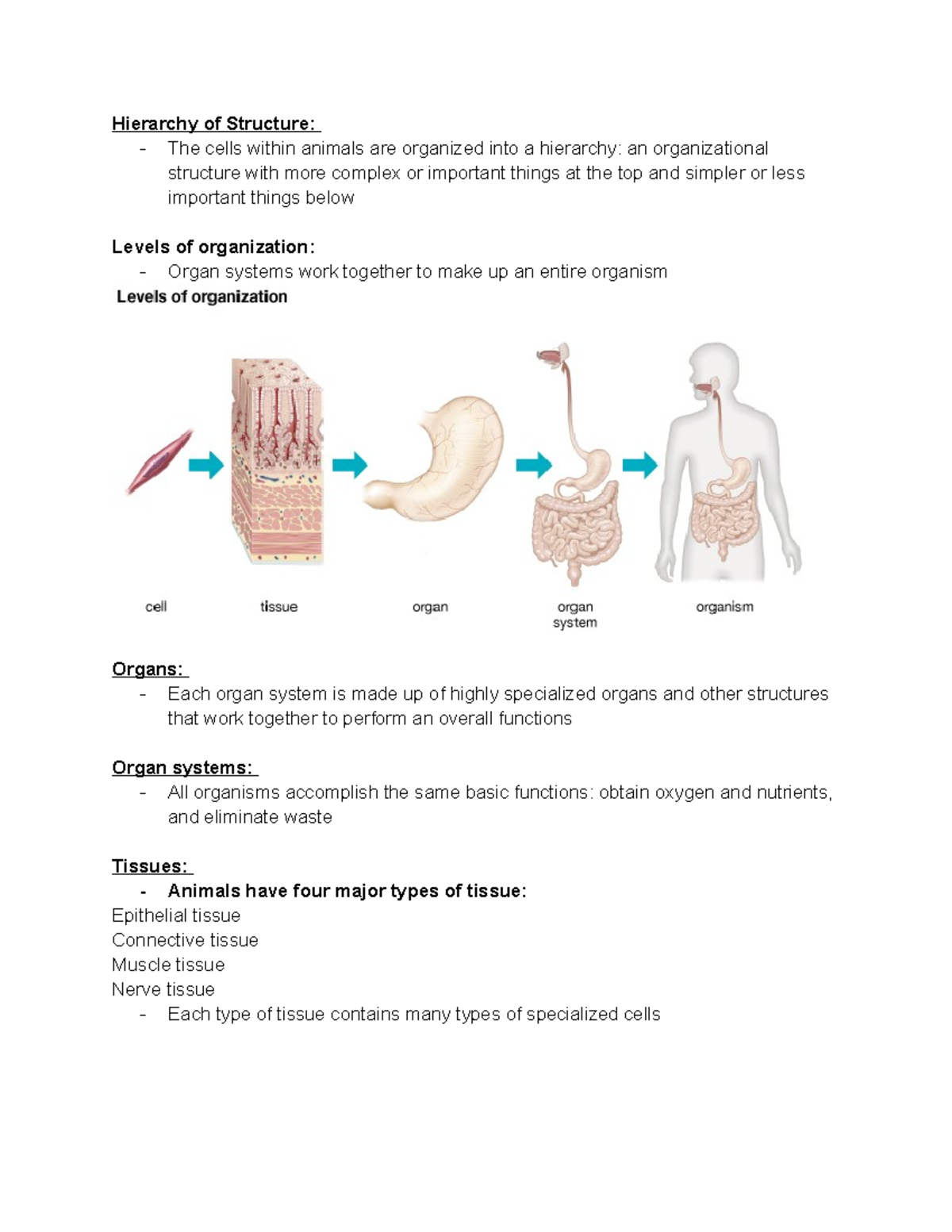
Cells: Basic units of life Tissues: Groups of similar cells Organs: Multiple tissues working together Organ systems: Coordinated organs Organism: Complete living entity

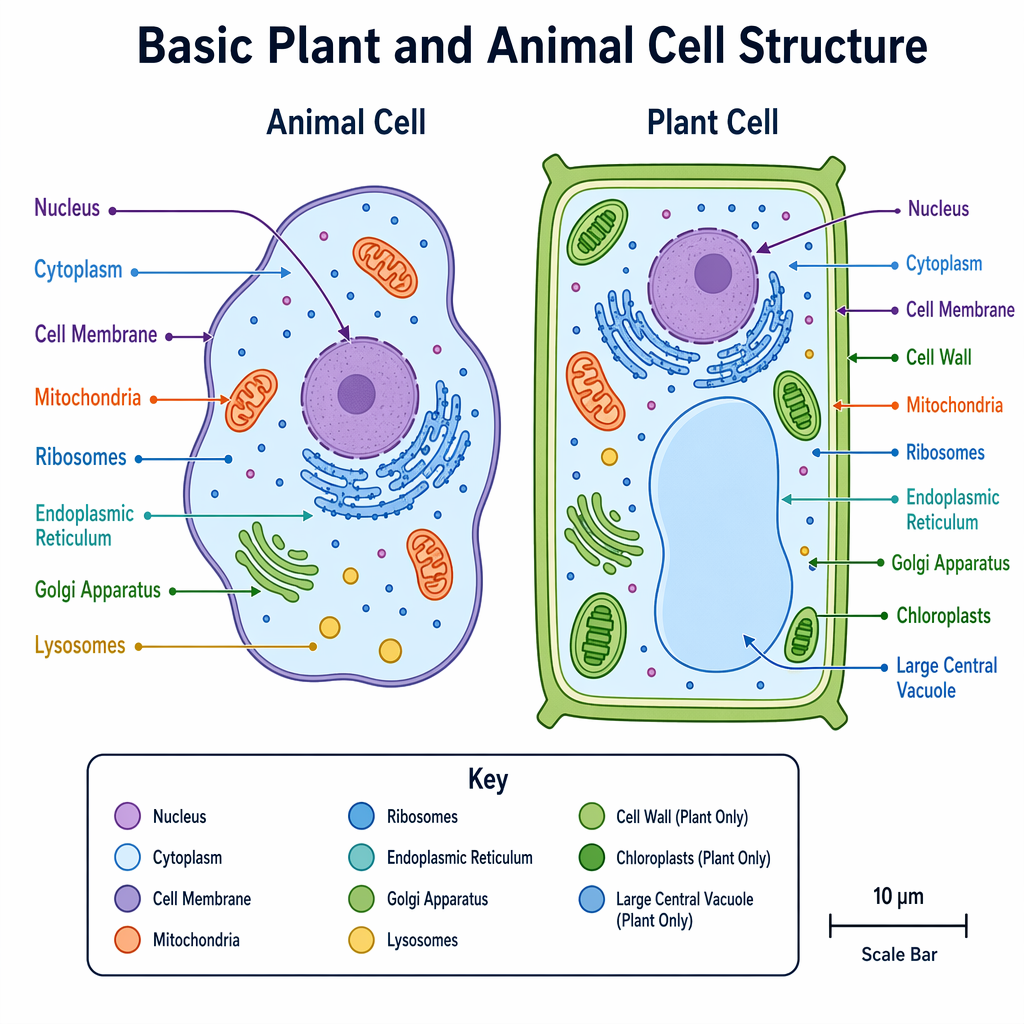
Cellular Organization
Specialized cell types perform specific functions Cell differentiation creates diversity Examples: nerve cells, muscle cells, epithelial cells Cellular cooperation enables multicellularity

Types of Animal Tissues
{"left":"Epithelial tissue - covers body surfaces and lines cavities\nConnective tissue - supports and connects other tissues","right":"Muscle tissue - enables movement and locomotion\nNervous tissue - coordinates responses and communication"}
Tissue Identification Challenge
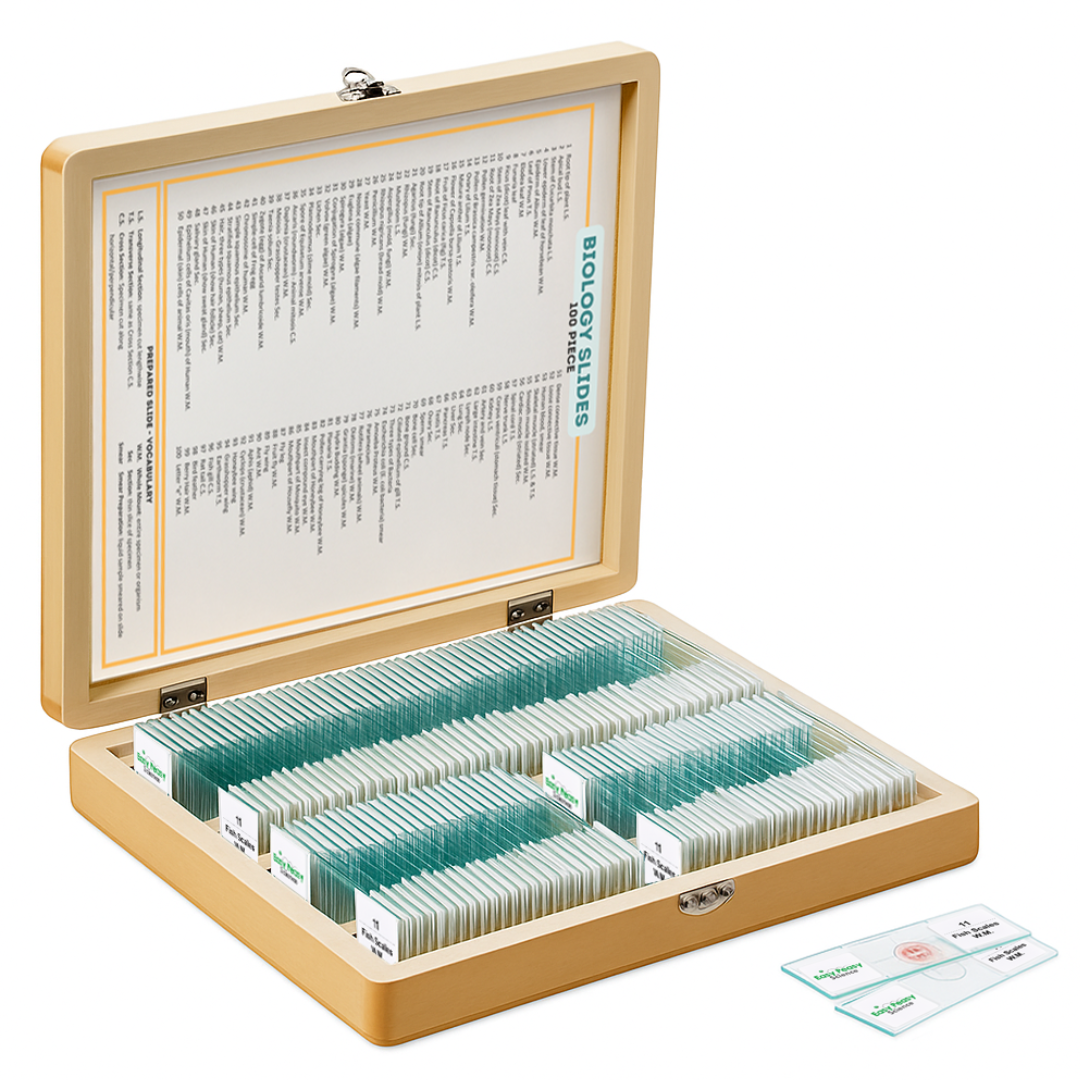
Examine the tissue samples Identify key structural features Match structure to function Discuss with a partner your observations
Organ Formation and Function
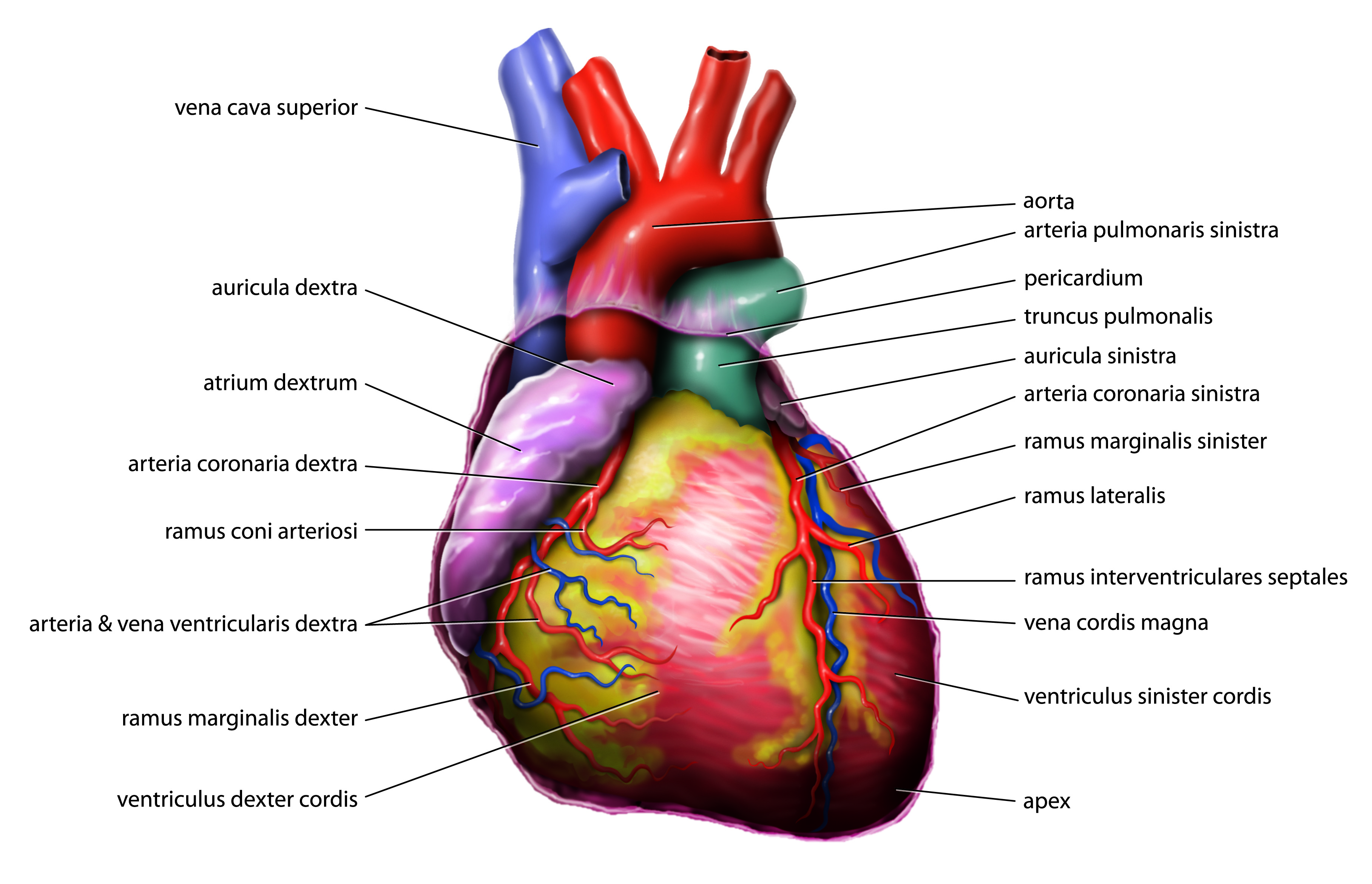
Organs contain multiple tissue types Coordinated tissue function creates organ capabilities Examples: heart, liver, kidney, brain Structure-function relationships are critical
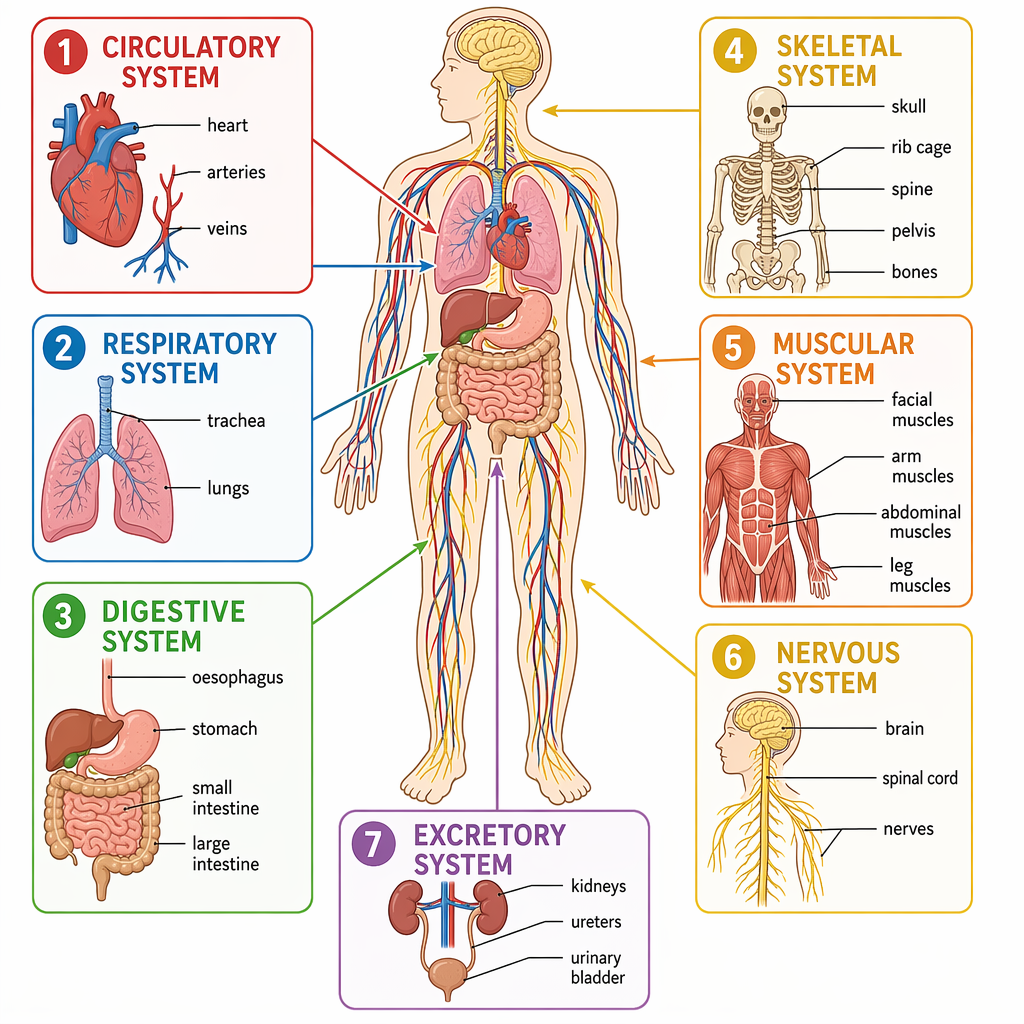
Human Organ Systems Overview

Circulatory System Organization
Heart: muscular pump with four chambers Blood vessels: arteries, veins, and capillaries Blood: transport medium with specialized cells Coordinated system for nutrient and waste transport
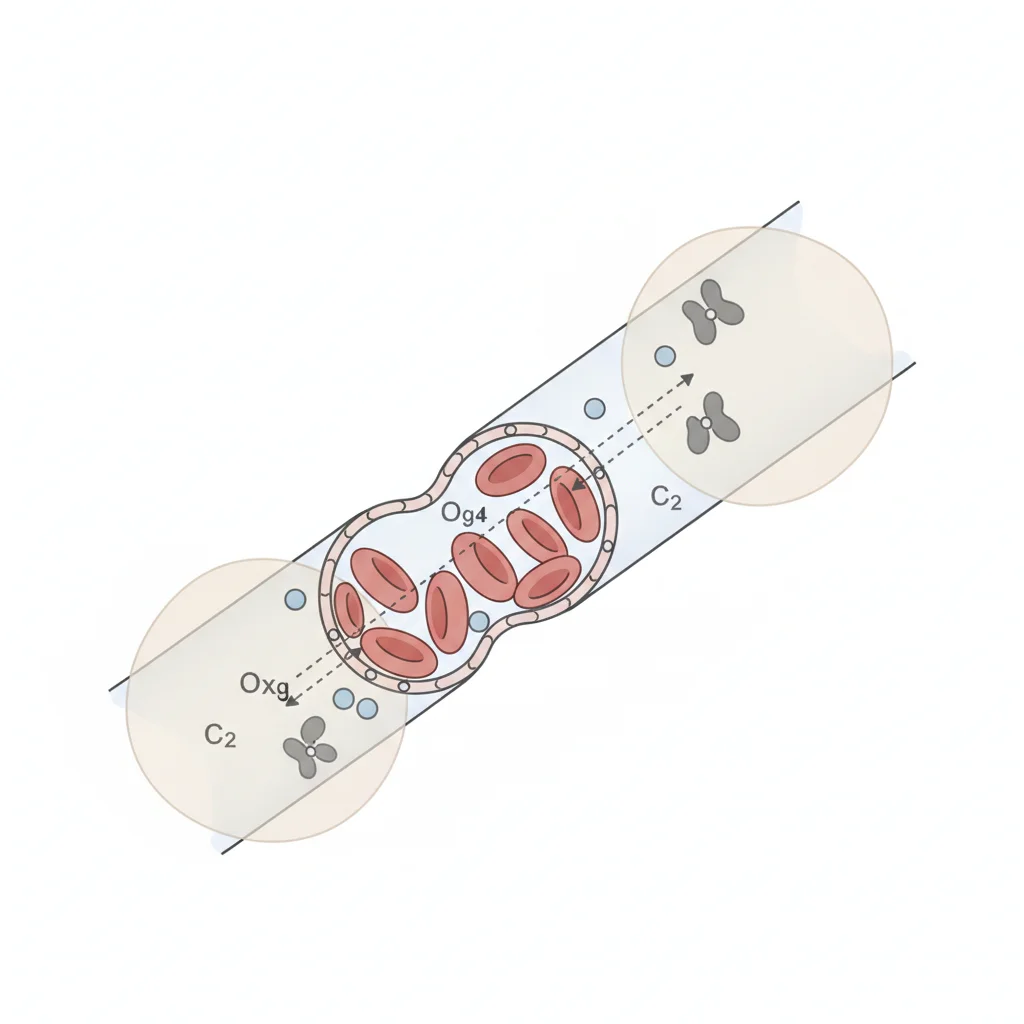
Critical Thinking Question
How does the structure of capillaries relate to their function in gas and nutrient exchange? Consider: wall thickness, surface area, blood flow rate
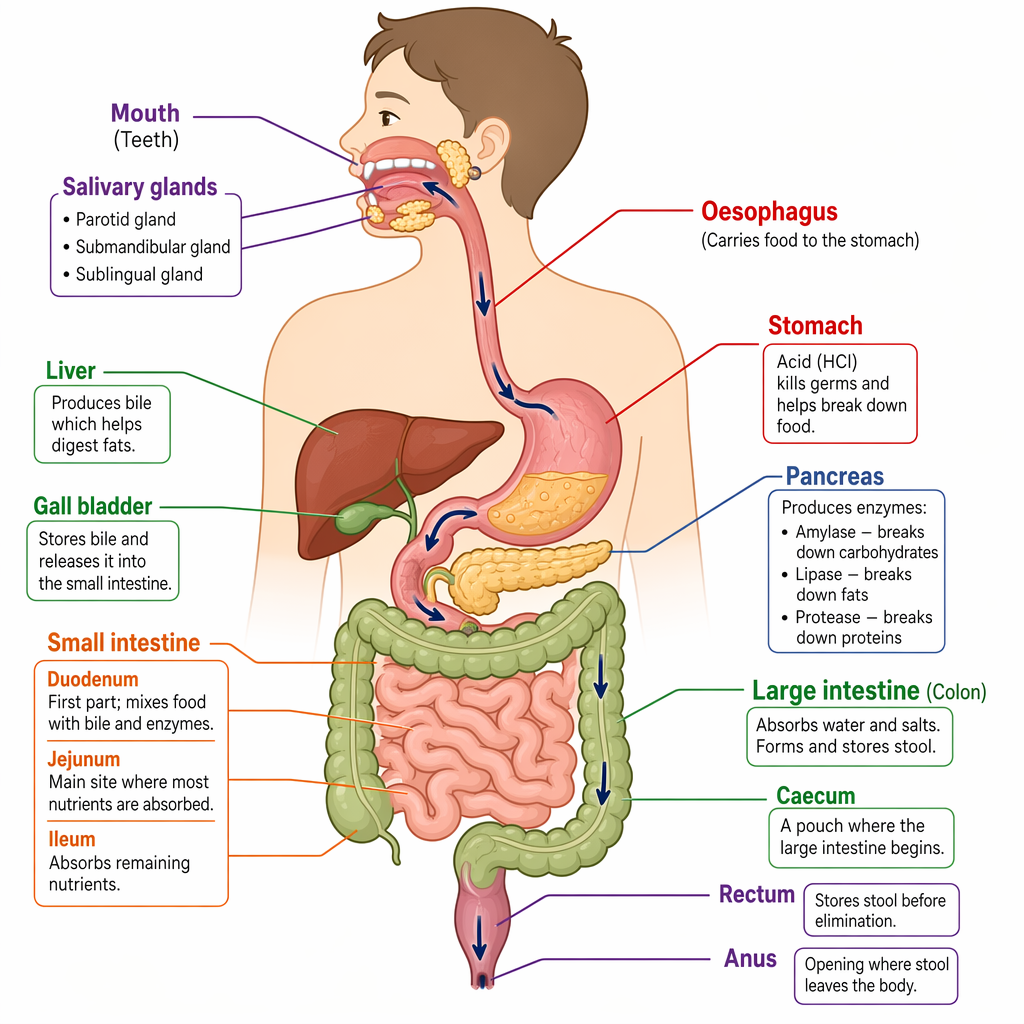
Digestive System Complexity
Mouth to anus: continuous tube with specializations Each region has specific structure and function Accessory organs: liver, pancreas, gallbladder Coordinated chemical and mechanical breakdown

Nervous System Organization
{"left":"Central Nervous System: brain and spinal cord process information\nPeripheral Nervous System: nerves carry signals throughout body","right":"Neurons: specialized cells for rapid communication\nIntegration allows coordinated responses to stimuli"}
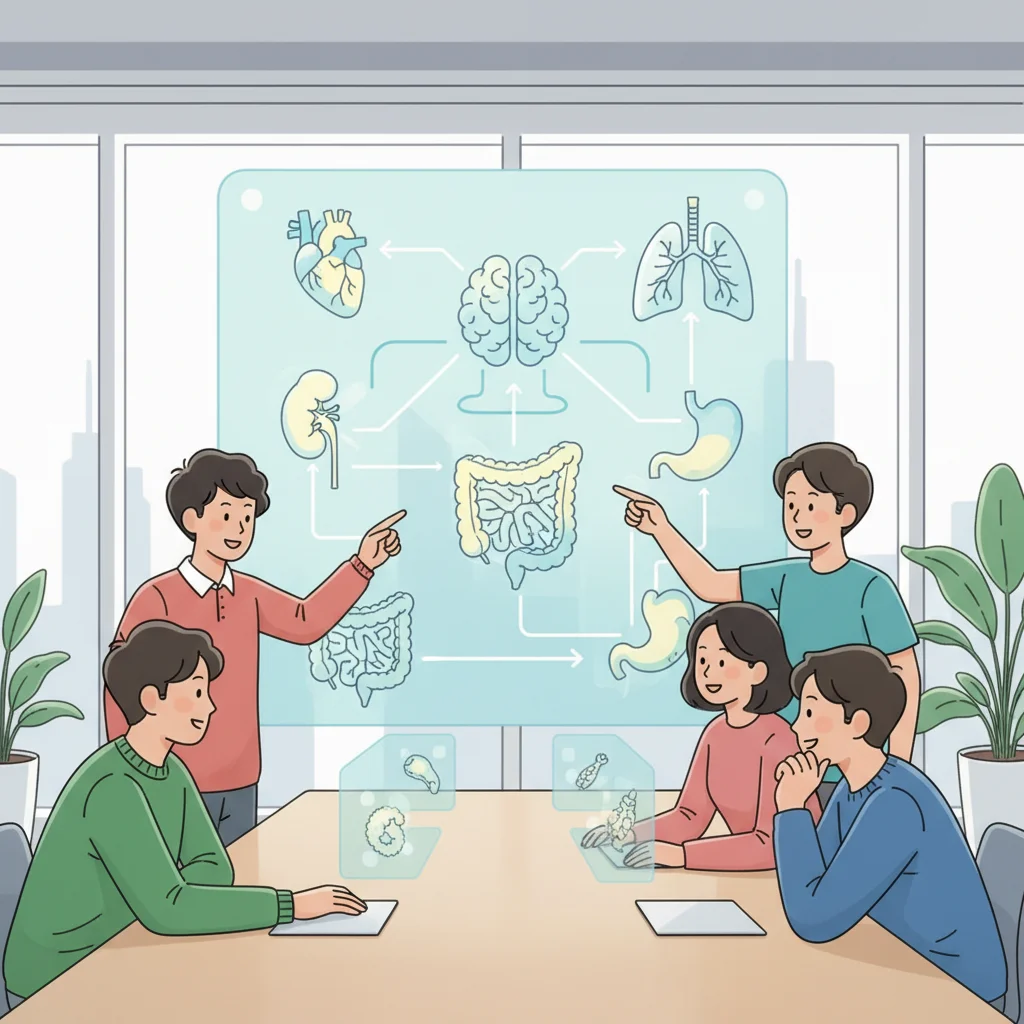
System Integration Analysis
Choose two organ systems Identify three ways they interact Explain why this interaction is necessary Present your findings to the class
2 more slides available after you open the deck.
Download all 14 slides