Organising Life: Classifying Living Things
Year 7 Science Understanding how scientists classify living organisms Exploring vertebrates and invertebrates
What Makes Animals Different?
Think about the animals you know How would you group them? What features help you tell them apart?
What is Classification?
Scientists organize living things into groups Based on shared characteristics and features Helps us understand relationships between organisms Makes studying life easier and more organized

Vertebrates vs Invertebrates
{"left":"Have a backbone (spine)\nInternal skeleton\nUsually larger in size\nComplex organ systems\nExamples: mammals, birds, fish, reptiles, amphibians","right":"No backbone\nDiverse body structures\nOften have exoskeletons or soft bodies\nUsually smaller\nExamples: insects, spiders, jellyfish, worms"}
Vertebrate Groups
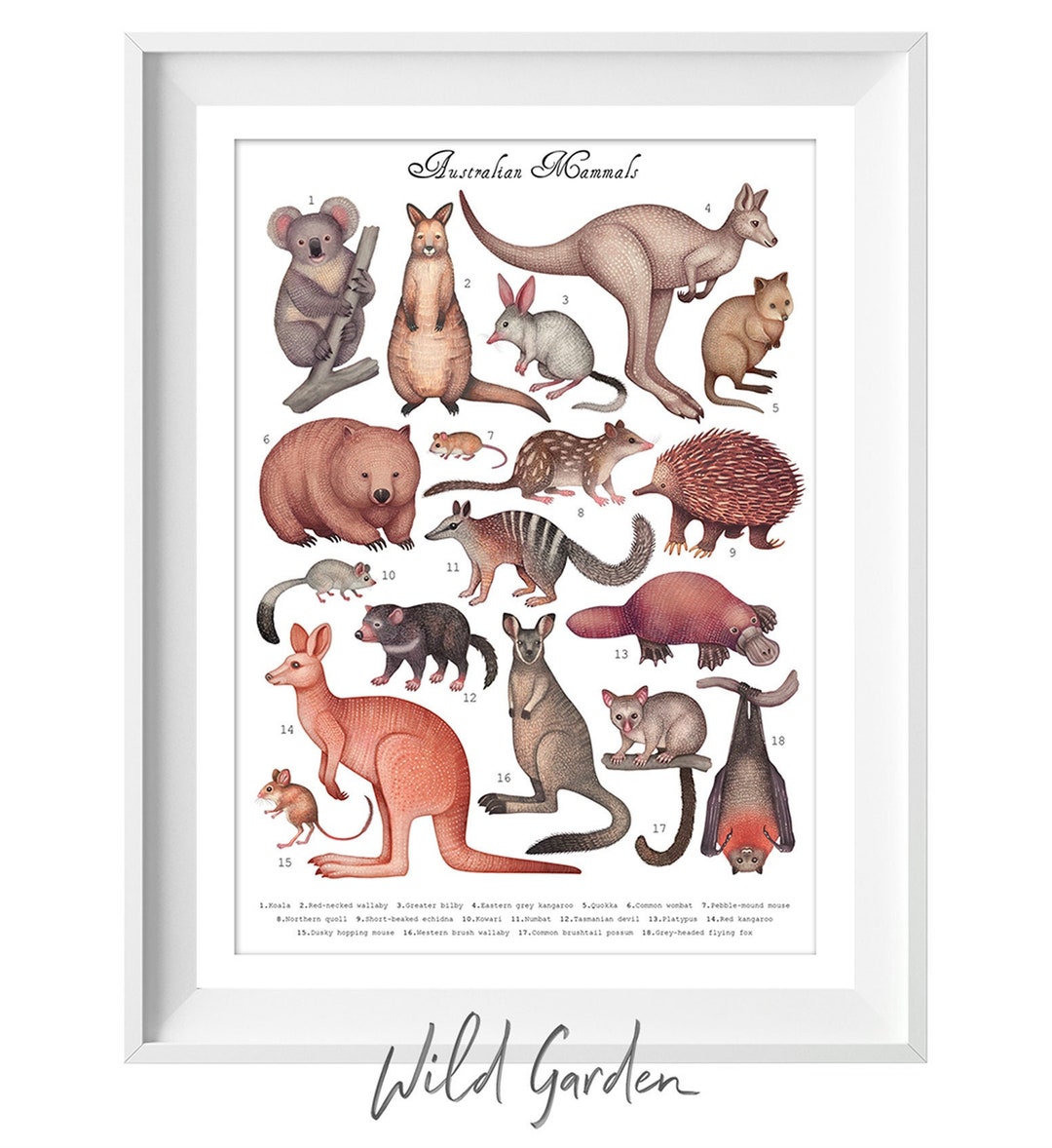
Mammals: warm-blooded, fur or hair, feed milk to babies Birds: feathers, wings, lay eggs, beaks Fish: gills, scales, fins, live in water Reptiles: cold-blooded, scales, lay eggs on land Amphibians: live in water and on land, moist skin

Invertebrate Groups
Insects: six legs, three body parts, often have wings Arachnids: eight legs, two body parts (spiders, scorpions) Molluscs: soft bodies, often have shells (snails, octopus) Cnidarians: stinging cells, tentacles (jellyfish, coral) Worms: long, soft, segmented bodies
Classification Sorting Challenge
Work in groups of 5 Sort animal cards into vertebrate and invertebrate groups Then subdivide into smaller groups Record your classifications and reasons Be ready to explain your choices!

Using a Dichotomous Key
Step-by-step identification tool Uses yes/no questions about features Leads you to the correct classification Scientists use these to identify unknown organisms Practice makes perfect!

Dichotomous Key Practice
Work in pairs Use the key to identify mystery animals Follow each step carefully Check your answers with your partner Discuss: How did the key help you?
Different Ways of Knowing
First Nations Australians have classified living things for thousands of years Different cultures may group animals based on different characteristics Traditional knowledge systems are valuable and complement scientific classification Respecting diverse perspectives enriches our understanding