Partitioning Shapes Into Equal Parts
Year 3 Mathematics Understanding Fractions Through Equal Parts

WALT: We Are Learning To
Partition shapes into equal parts Use fraction language (halves, thirds, quarters) Identify equal and unequal parts Understand numerators and denominators

What Do We Call Each Part?
Look at this rectangle It's split into two equal parts Write your answer on whiteboards

Understanding Halves
The whole is the complete rectangle Split into two equal parts Each part is called a 'half' Written as the fraction ½

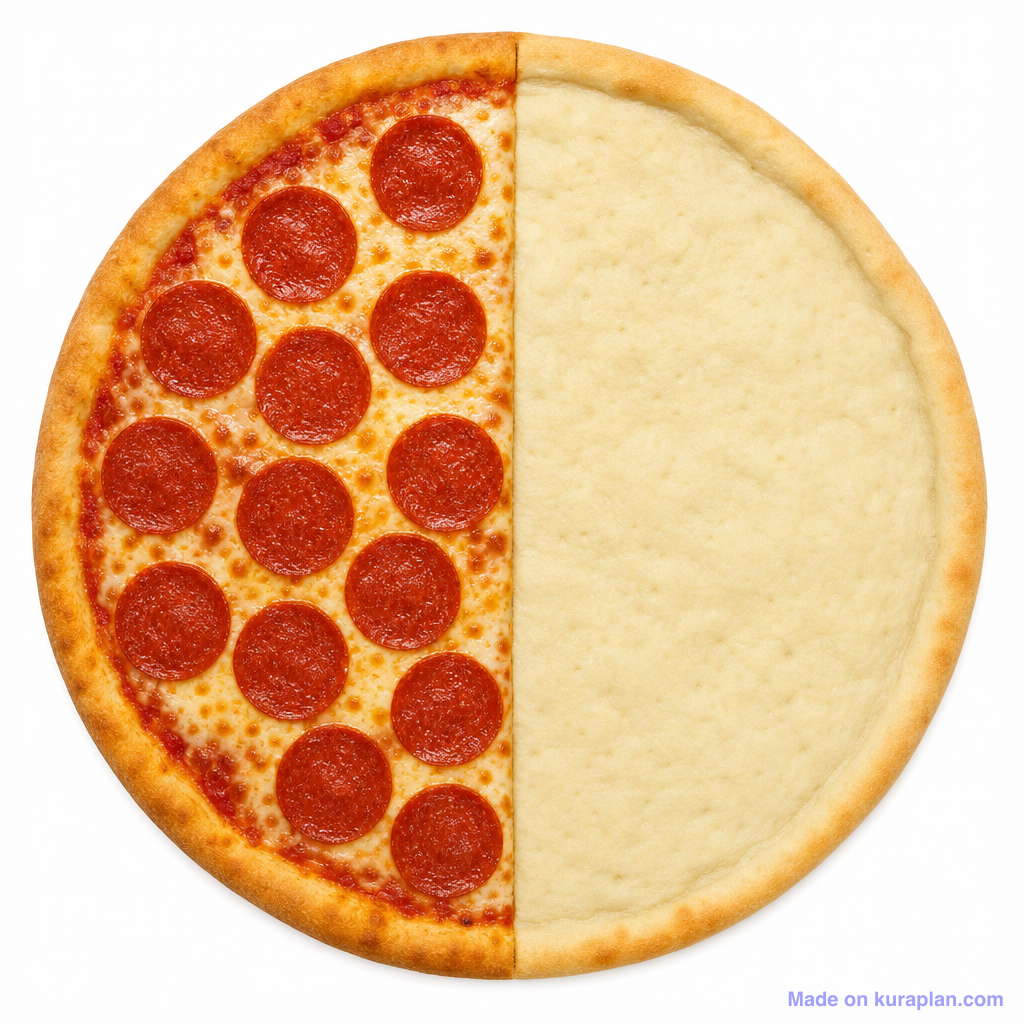
Which Images Represent a Half?
Look carefully at each shape Are the parts equal in size? Write your answers on whiteboards

Today's Learning Goal
Partition shapes into equal parts Describe parts using fractions Learn about halves, thirds, quarters Understand fifths and tenths

Paper Folding Demonstration
Watch as we fold paper strips First: fold into two equal parts (halves) Then: fold again into four equal parts (quarters)

Bar Models: Halves and Quarters
Top bar: divided into 2 equal parts (halves) Bottom bar: divided into 4 equal parts (quarters) Each part gets smaller as we make more divisions

Introducing Thirds
The whole split into 3 equal parts Each part is one-third Written as ⅓ All parts are the same size

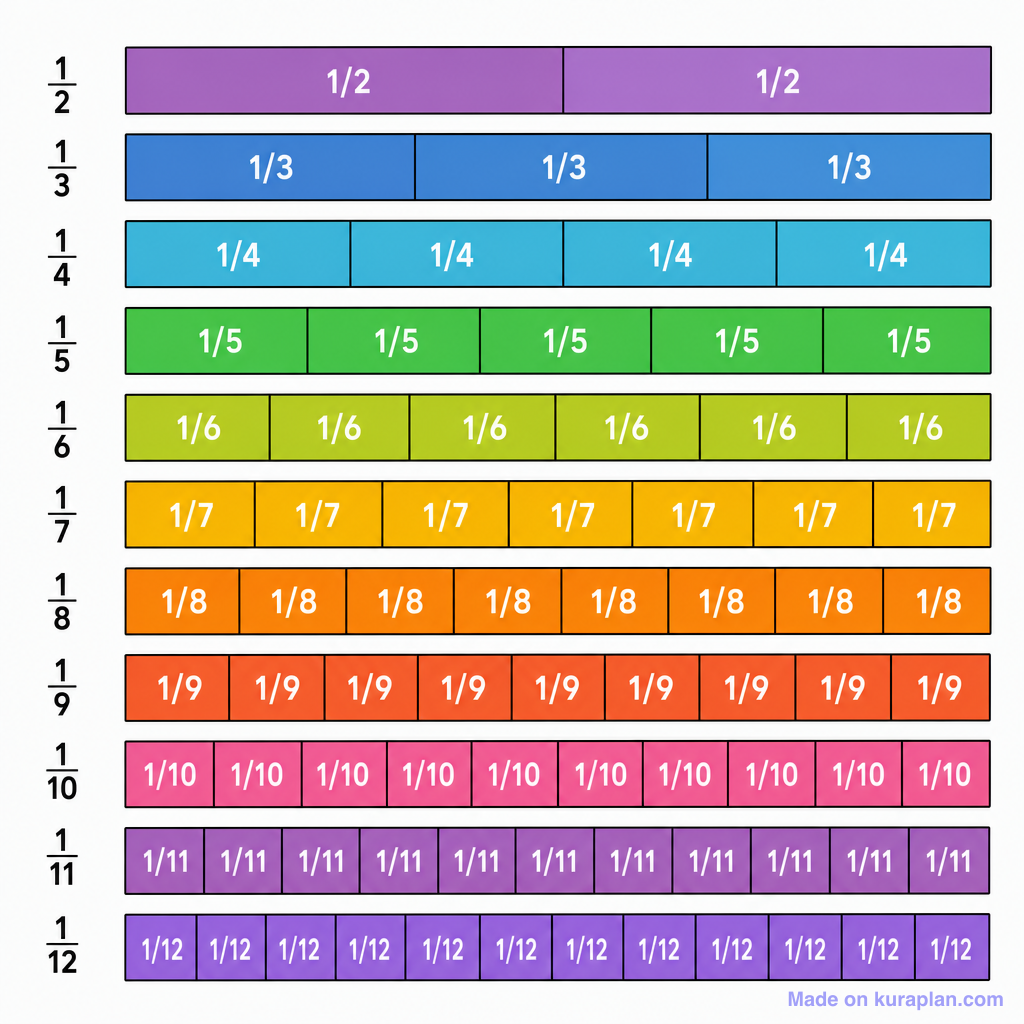
Fifths and Tenths
Fifths: 5 equal parts, each part is ⅕ Tenths: 10 equal parts, each part is 1/10 More parts = smaller pieces

What Do You Notice?
Compare the size of parts in each strip What happens as the denominator gets bigger? Pair-share your observations

Hands-On: Paper Shape Sets
Work in pairs with shape sets Fold each shape into different numbers of equal parts Label parts with fractions Check that parts are equal in size
4 more slides available after you open the deck.
Download all 16 slidesMore Equal Parts slide decks
Other ready-to-teach decks on equal parts.


Free Fractions images
Drop these illustrations straight into your lesson.