
Percentage Increase and Decrease Applications
Year 8 Mathematics Real-life calculations with percentages NSW Stage 4 Mathematics - ACMNA187
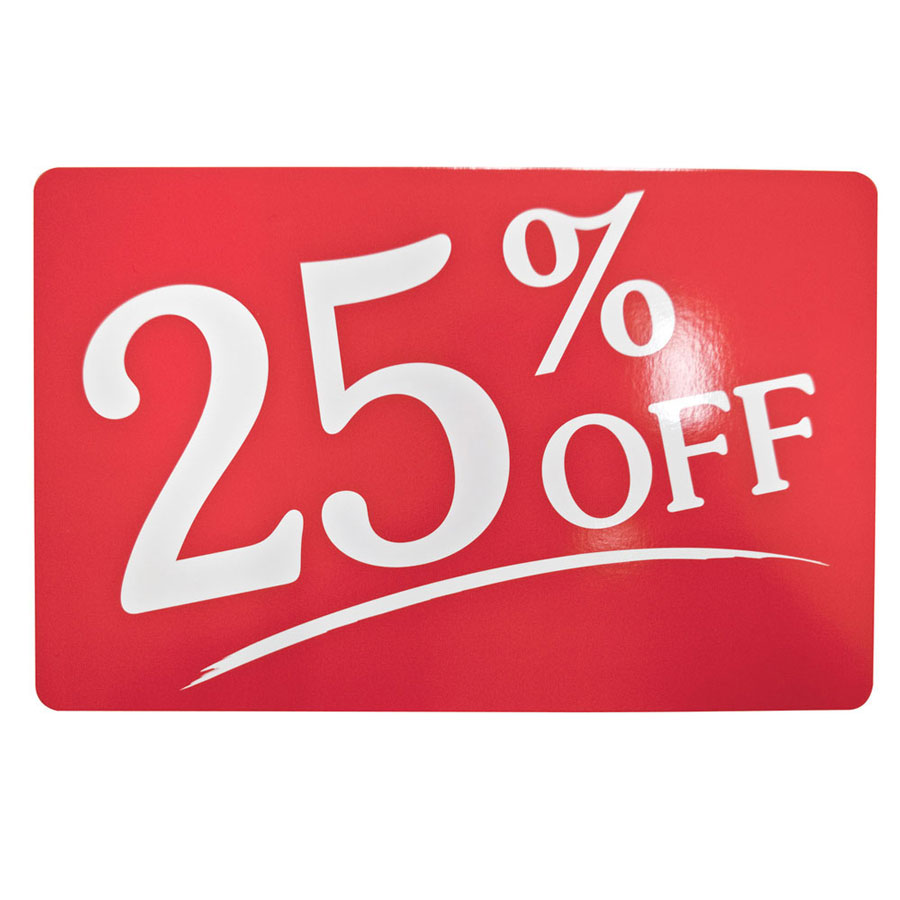
Where Do You See Percentages?
Think about your daily life... Shopping and sales Sports statistics Test scores and grades Population changes Interest rates

Understanding Percentage Change
Percentage Increase: When a value gets bigger Percentage Decrease: When a value gets smaller Both use the same basic principle We compare the change to the original amount
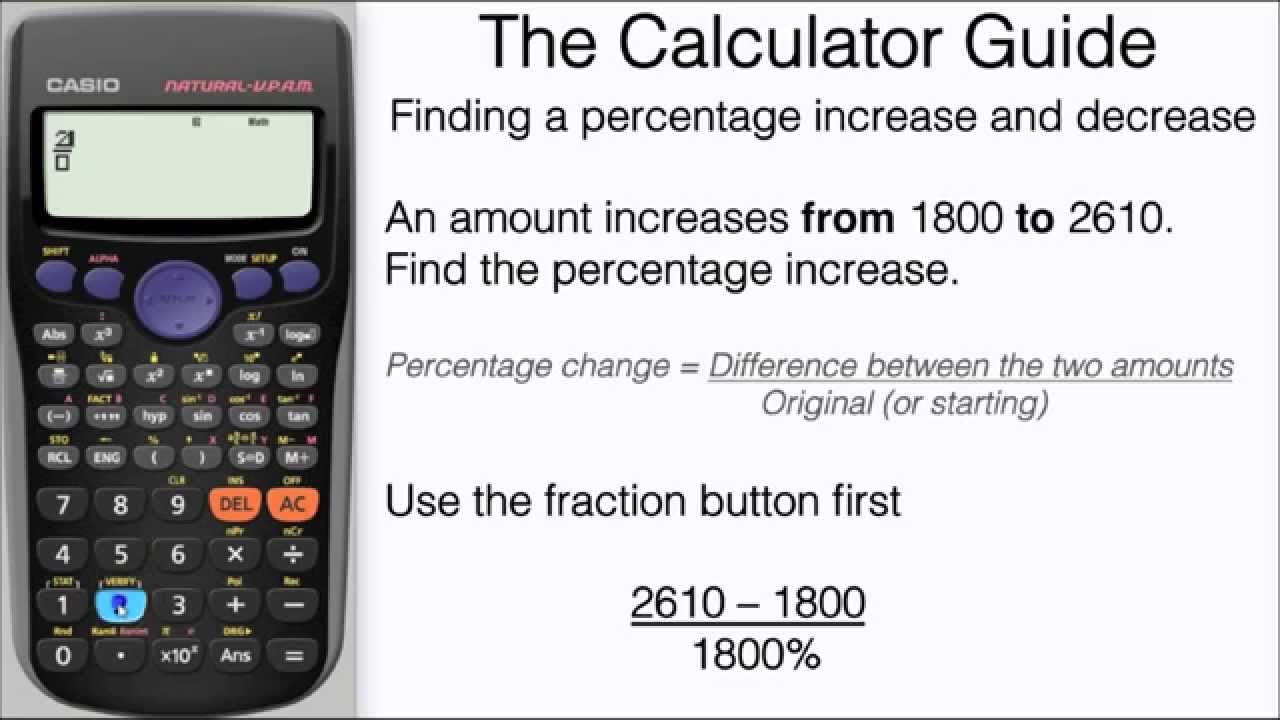
Percentage Increase Formula

Guided Practice: Shopping Scenarios
Work in pairs to solve these problems: 1. A $120 jacket is marked up by 15%. What's the new price? 2. A $80 video game is discounted by 25%. What do you pay? 3. Concert tickets rise from $45 to $54. What's the percentage increase?

Percentage Increase vs Decrease
{"left":"Percentage Increase: New value is LARGER than original\nFormula: [(New - Original) ÷ Original] × 100\nExample: $50 → $60 = 20% increase\nCommon in: Price rises, population growth, salary increases","right":"Percentage Decrease: New value is SMALLER than original\nFormula: [(Original - New) ÷ Original] × 100\nExample: $50 → $40 = 20% decrease\nCommon in: Discounts, sales, depreciation"}
Real-World Problem Solving
Solve independently: 1. A phone's price drops from $800 to $640 during a sale. What's the discount percentage? 2. Your savings account grows from $500 to $525 with interest. What's the percentage increase? 3. A restaurant bill of $60 becomes $69 after tax. What's the tax percentage?

Key Takeaways
"Mathematics is not about numbers, equations, computations, or algorithms: it is about understanding." - William Paul Thurston Remember: Always identify the ORIGINAL value Determine if it's an increase or decrease Apply the formula carefully Check your answer makes sense!