
Phonology: A Complete Word Study
Understanding the sounds and structure of language Year 7 English/Linguistics Australian Curriculum - ACARA
What is Phonology?
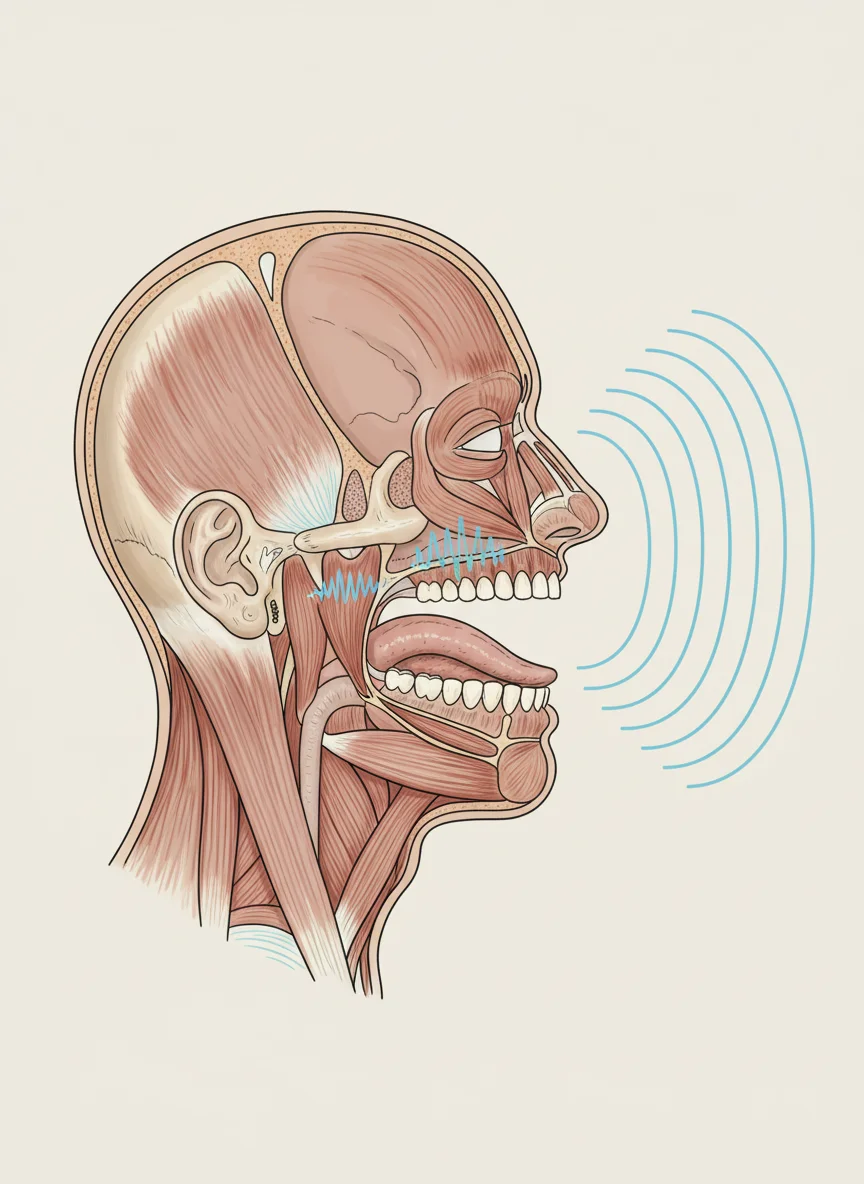
The study of speech sounds in language How sounds combine to form words The rules that govern sound patterns Essential for understanding pronunciation and spelling
Phonological Analysis of 'Phonology'
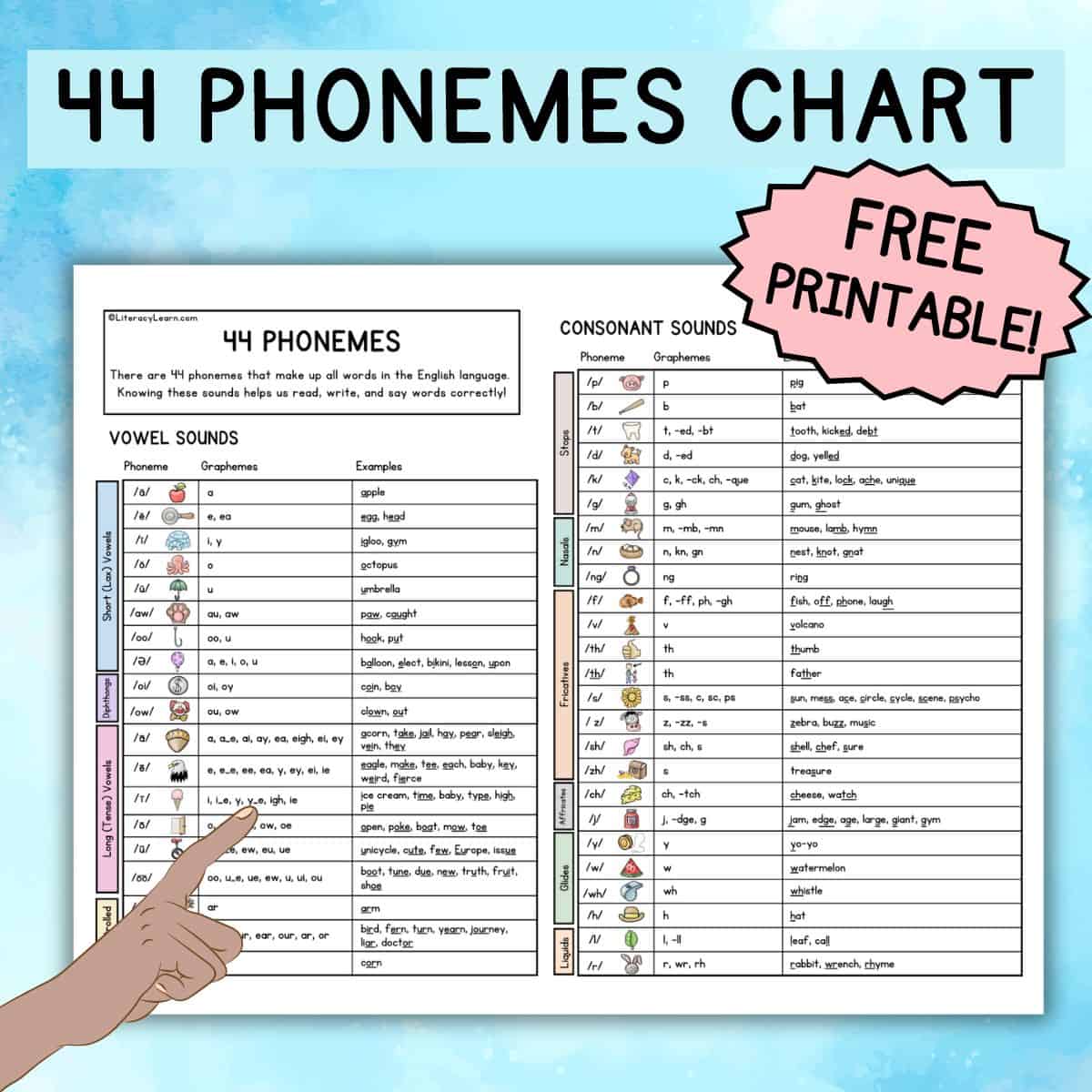
Break down the word into individual sounds (phonemes) /f/ - /ə/ - /n/ - /ɒ/ - /l/ - /ə/ - /dʒ/ - /i/ Count the phonemes: 8 sounds Notice the stress pattern: PHO-no-lo-gy
Morphological Structure
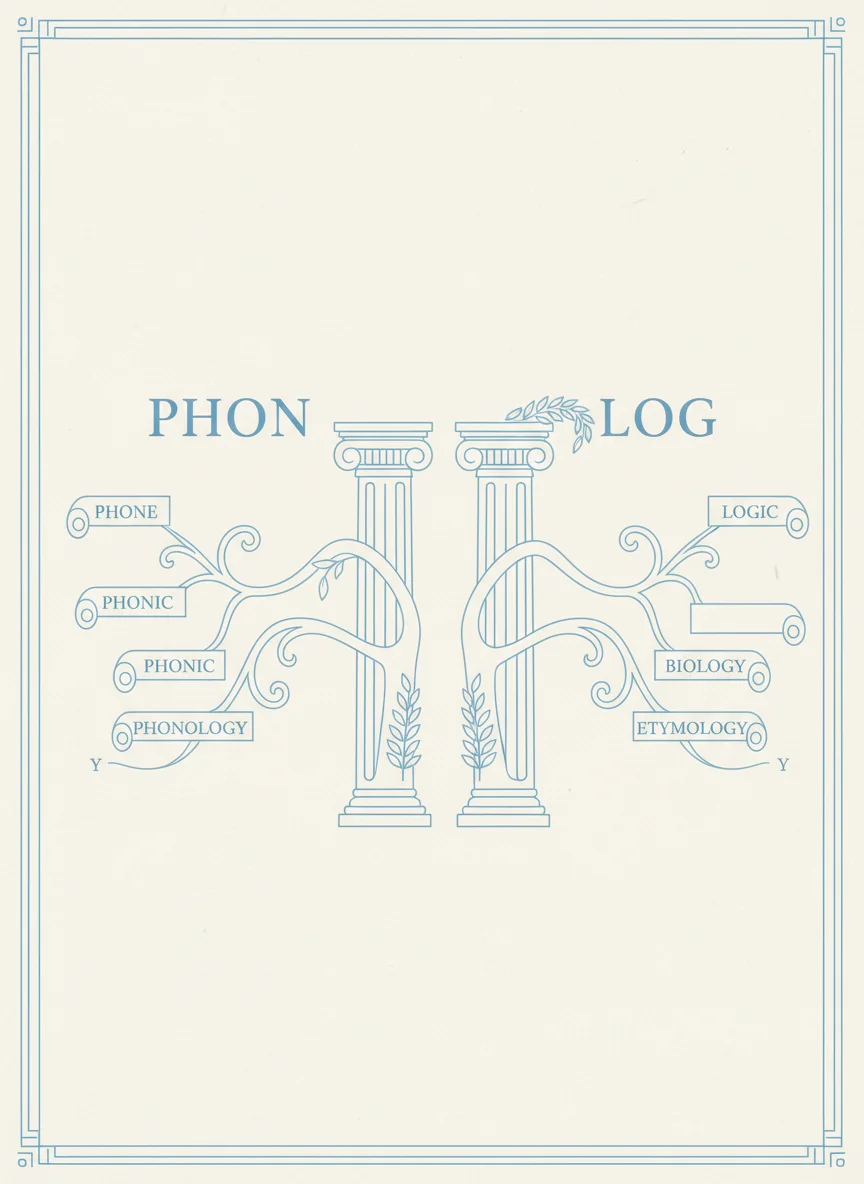
Root: 'phon-' (Greek: sound, voice) Root: 'log-' (Greek: study, word) Suffix: '-y' (forms nouns) Compound word from two Greek roots
Orthographic Features
{"left":"9 letters total\nSilent letters: none\nDouble letters: none","right":"Greek spelling patterns\nVowels: o, o, o, y\nConsonants: p, h, n, l, g"}
Syntactic Properties
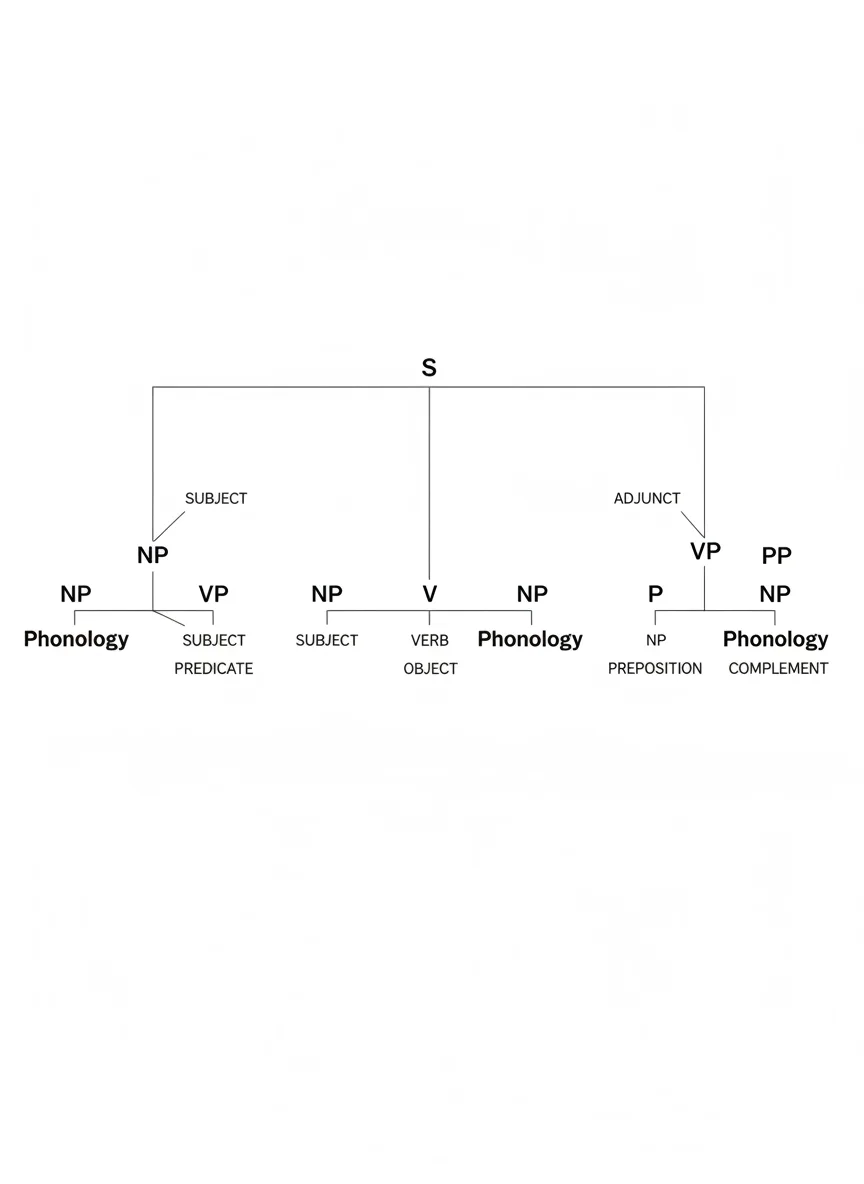
Word class: Noun Can be modified by adjectives Can function as subject or object Forms related words: phonological (adjective), phonologist (noun)

Semantic Meaning
'Phonology is the systematic study of the sounds used in language and how they work together to create meaning.'

Using 'Phonology' in Sentences
Create sentences using 'phonology': The phonology of English differs from Spanish. Students study phonology to improve pronunciation. Phonology helps us understand sound patterns. Write your own sentence using 'phonology'!
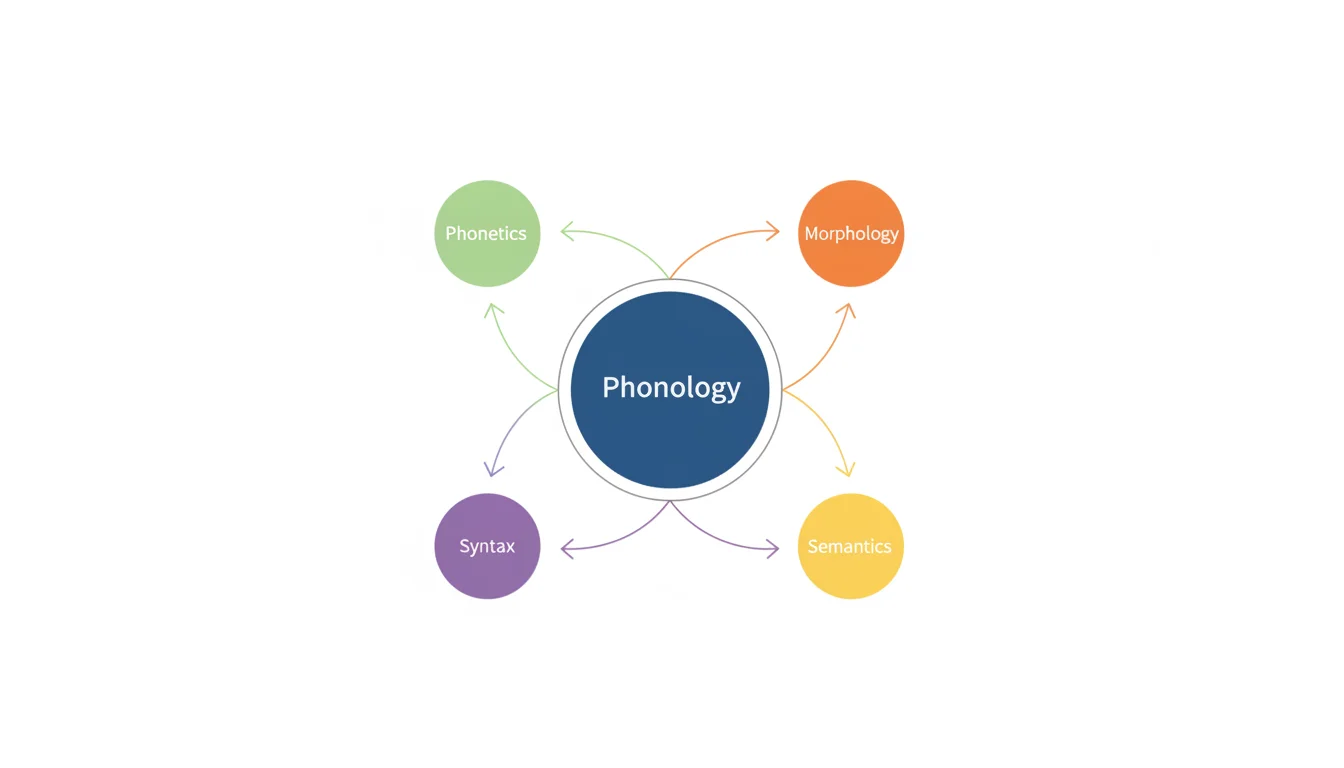
Phonology in Context
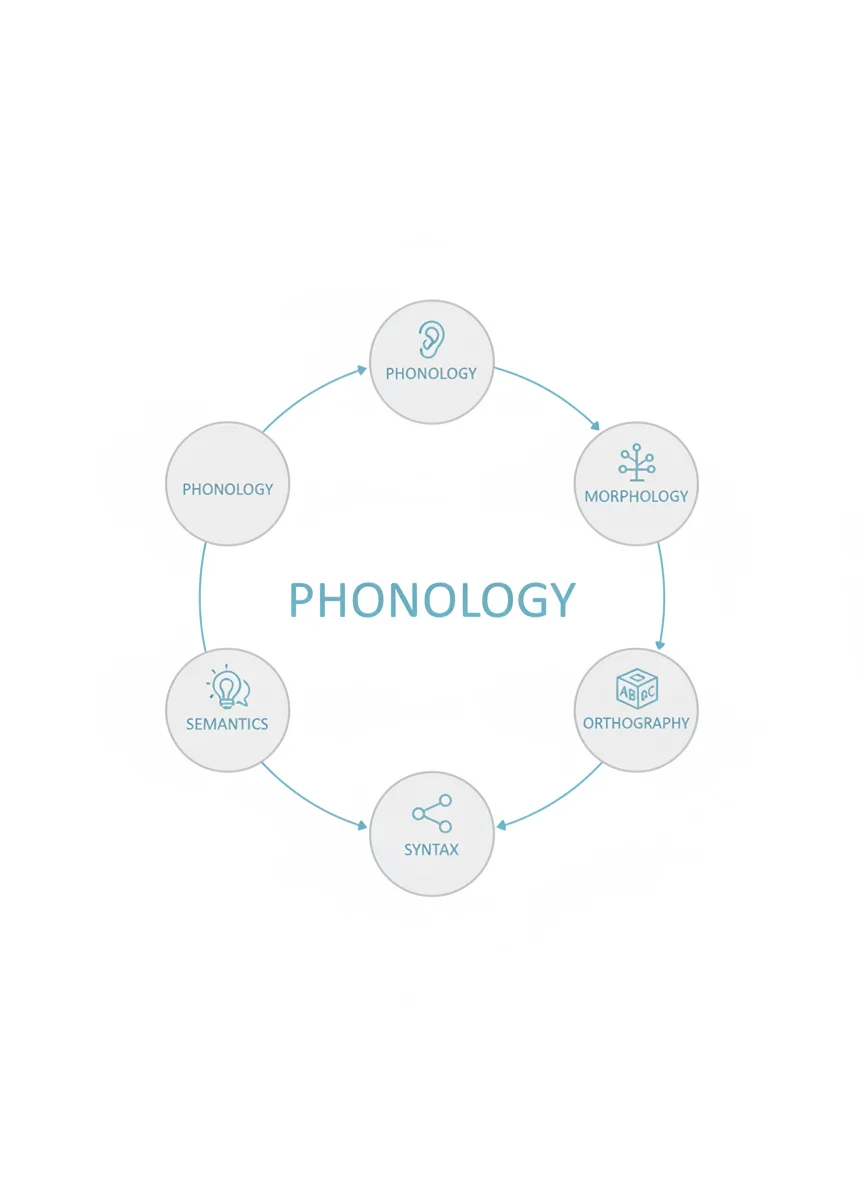
Summary: Complete Word Study
Phonology: the study of speech sounds and patterns Greek roots: phon- (sound) + log- (study) + -y 9 letters: 5 consonants (blue), 4 vowels (red) Functions as a noun in sentences Essential concept in linguistics and language learning