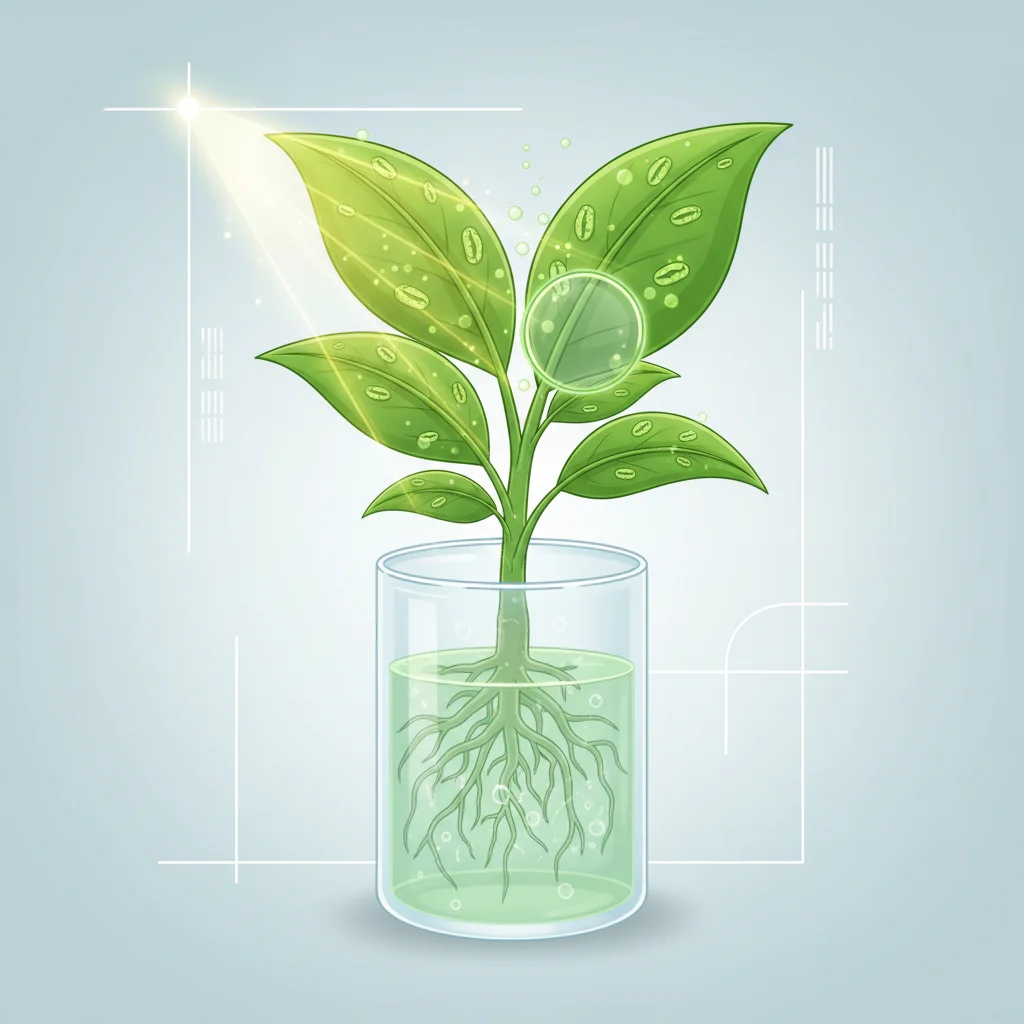
Plant Nutrition, Gas Exchange & Adaptations
Year 11 Biology Understanding how plants obtain nutrients and exchange gases Exploring plant adaptations to different environments

Learning Objectives
Distinguish between autotrophs and heterotrophs Explain plant structure and function Describe gas exchange mechanisms in plants Analyze stomatal function and density Evaluate plant adaptations to environments Investigate excretion processes in plants
Autotrophs vs Heterotrophs
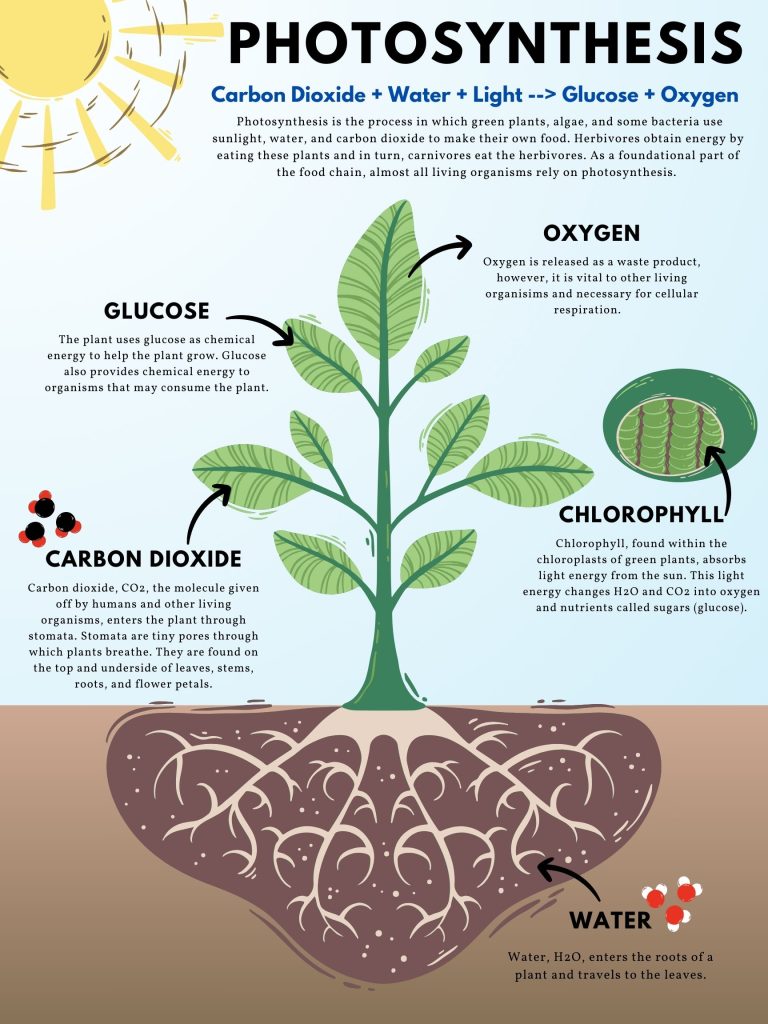
Autotrophs: Self-feeding organisms that produce their own food Examples: Plants, algae, some bacteria Heterotrophs: Organisms that consume other organisms for energy Examples: Animals, fungi, most bacteria Plants are primary producers in ecosystems

Plant Nutrition Requirements
{"left":"Macronutrients: Nitrogen, Phosphorus, Potassium\nEssential for growth and development\nObtained from soil through roots","right":"Micronutrients: Iron, Magnesium, Zinc\nRequired in smaller amounts\nCritical for enzyme function and chlorophyll"}

Plant Structure and Function
Roots: Absorption of water and nutrients, anchorage Stems: Transport and support Leaves: Photosynthesis and gas exchange Vascular tissues: Xylem (water transport) and Phloem (sugar transport) Each structure adapted for specific functions

Quick Check
Why do plants have different root structures in different environments? Think about: desert plants vs rainforest plants

Gas Exchange in Plants
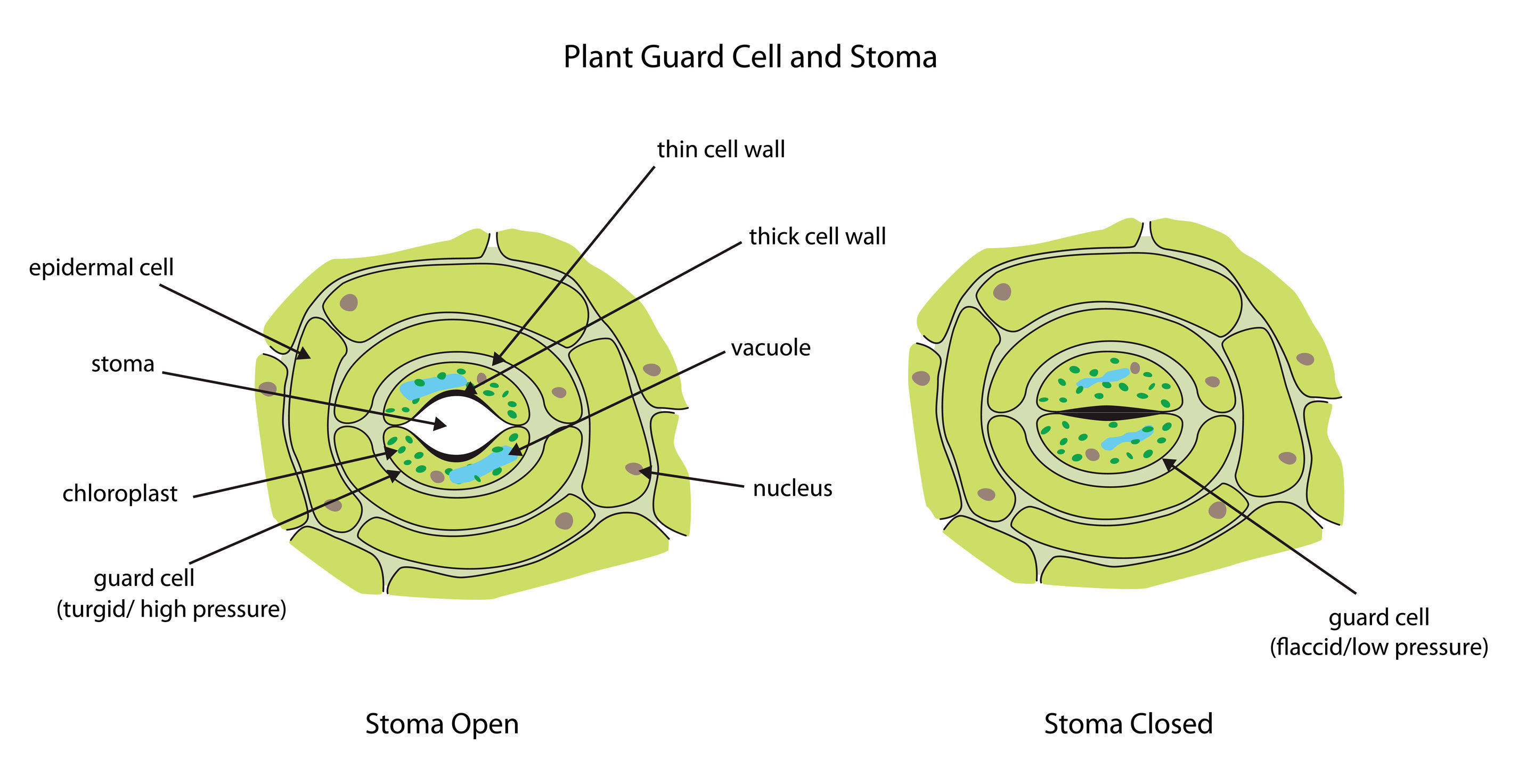
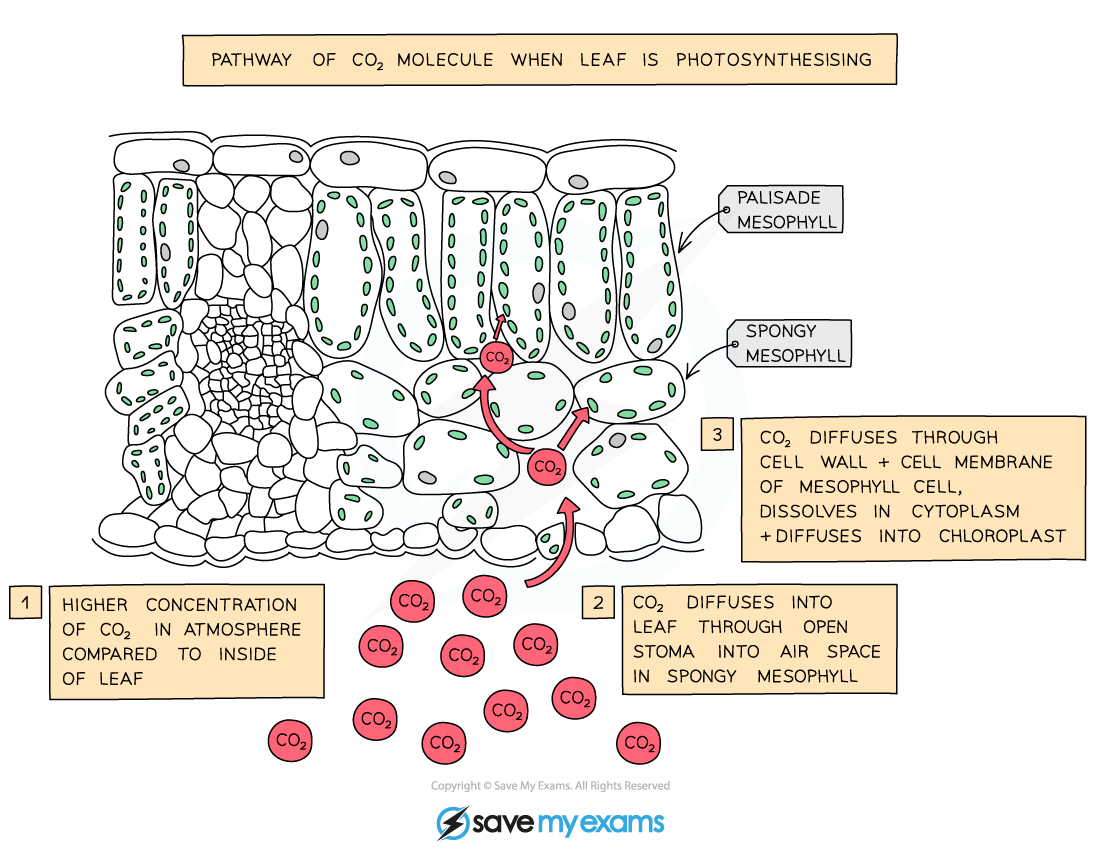
Plants exchange CO₂, O₂, and water vapor Occurs primarily through stomata in leaves Photosynthesis: CO₂ in, O₂ out (during day) Cellular respiration: O₂ in, CO₂ out (continuous) Transpiration: Water vapor loss through stomata
Stomatal Structure and Function
Stomatal Control Mechanisms
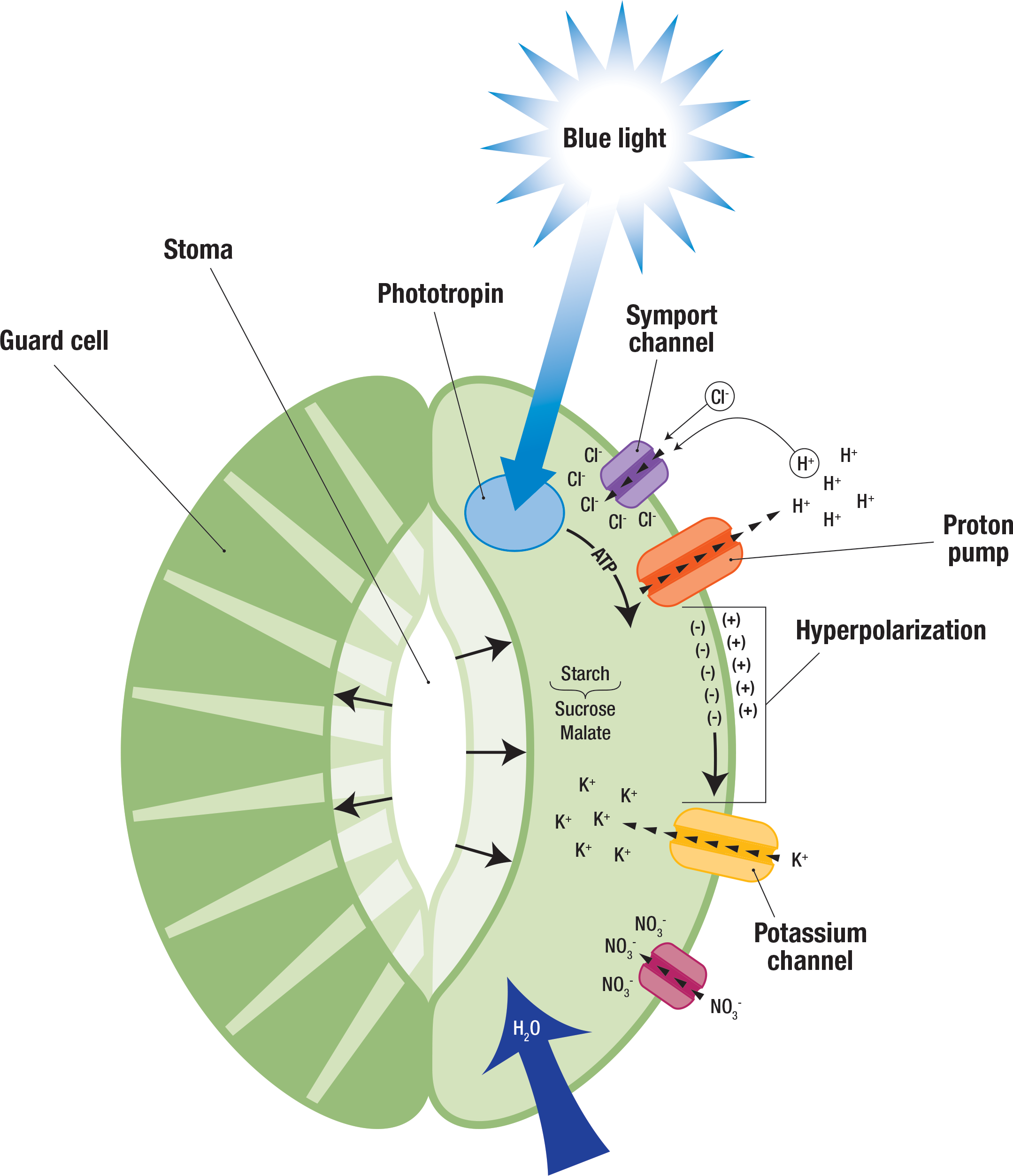
Guard cells control stomatal opening Open: High light, low CO₂, adequate water Closed: Low light, high CO₂, water stress Turgor pressure changes shape of guard cells Prevents excessive water loss while allowing gas exchange

Investigating Stomatal Density
Materials needed: Leaves, nail polish, tape, microscope Method: Apply nail polish to leaf surface Peel off dried polish to create leaf impression Count stomata under microscope Compare different leaf types and surfaces
Leaf Adaptations
Waxy cuticle: Reduces water loss Leaf shape: Surface area optimization Leaf orientation: Light capture vs heat avoidance Specialized leaves: Spines, tendrils, storage organs Stomatal distribution: Usually more on lower surface
Stem Adaptations
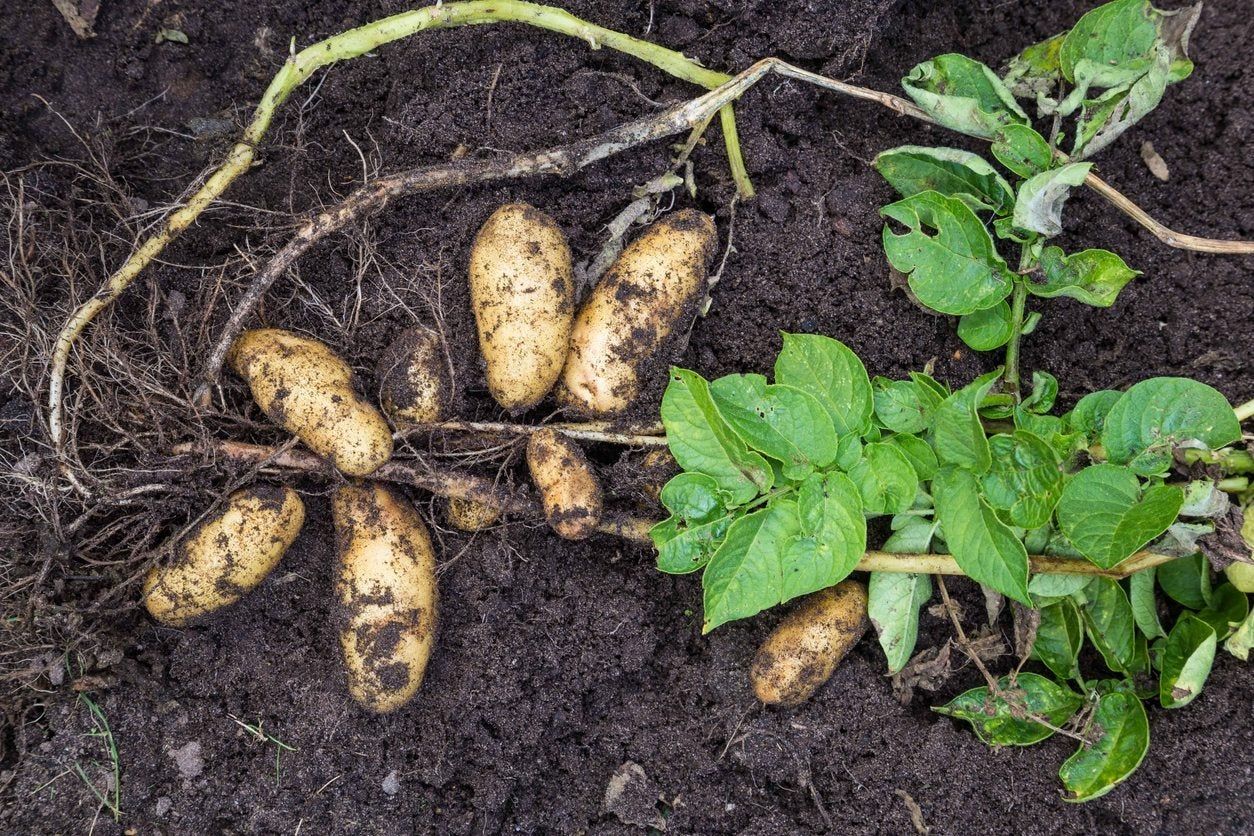
Storage stems: Tubers (potatoes), bulbs (onions) Photosynthetic stems: Green stems in desert plants Climbing stems: Vines and twining plants Protective stems: Thorns and spines Modified for reproduction: Runners and stolons
2 more slides available after you open the deck.
Download all 14 slides