
Prambanan: Indonesia's Ancient Temple Marvel
Exploring Indonesia's Greatest Hindu Temple Complex Year 9 Social Sciences Journey Through Ancient Javanese Culture

Where in the World is Prambanan?
Located in Central Java, Indonesia 17 kilometres northeast of Yogyakarta city Part of the 'Cultural Triangle' with Borobudur and Yogyakarta Palace Strategic location along ancient trade routes
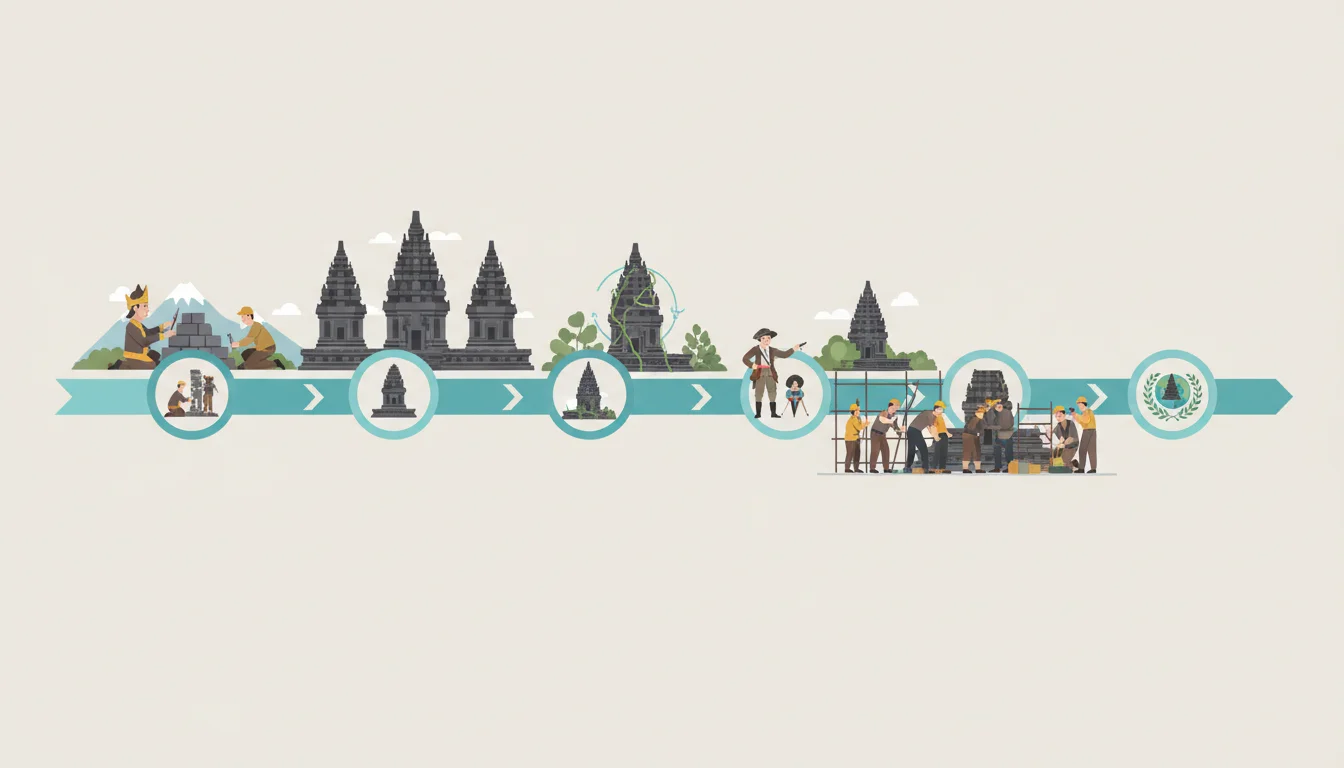
Timeline: The Rise and Fall of Prambanan
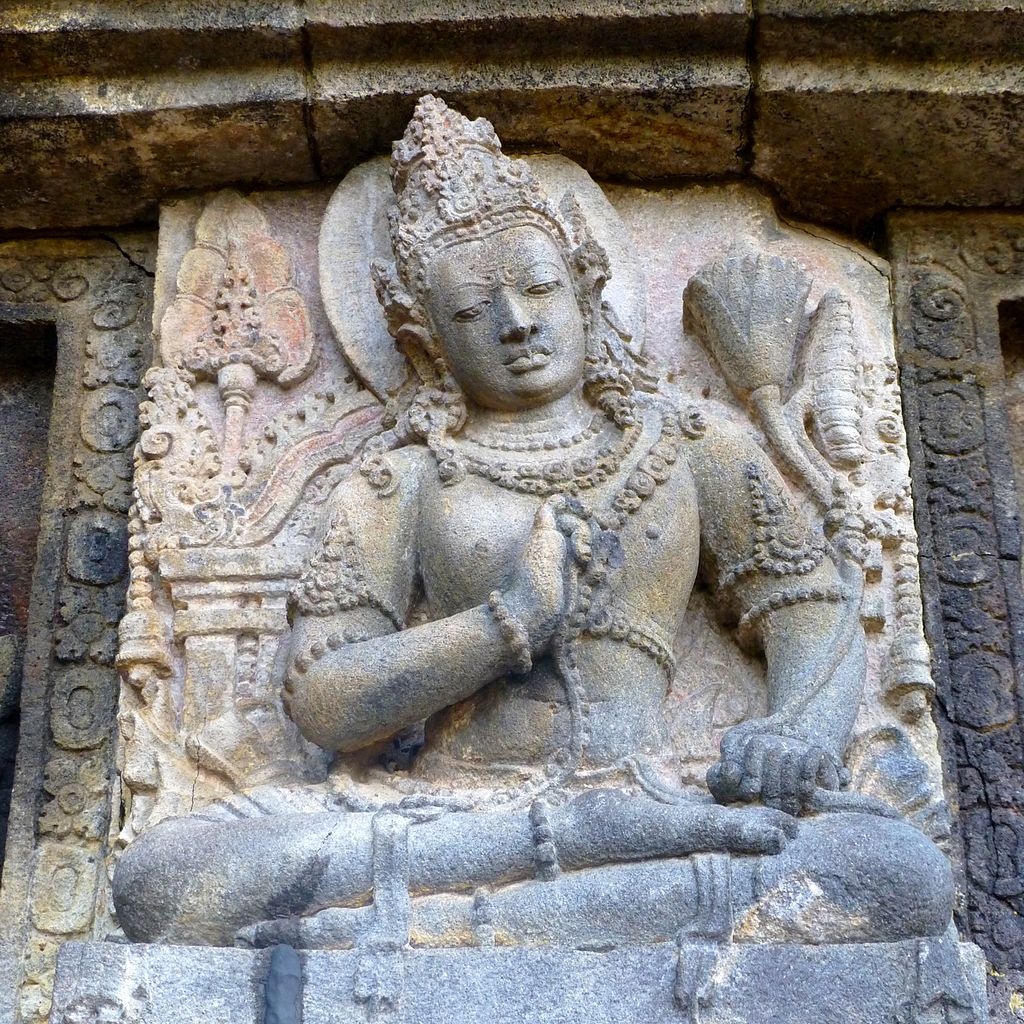
The Hindu Kingdom of Mataram
Built during the reign of the Mataram Kingdom (8th-10th centuries) Hindu-Buddhist culture flourished in ancient Java Rakai Pikatan commissioned the temple around 850 CE Symbol of royal power and religious devotion Represented the golden age of Javanese civilization
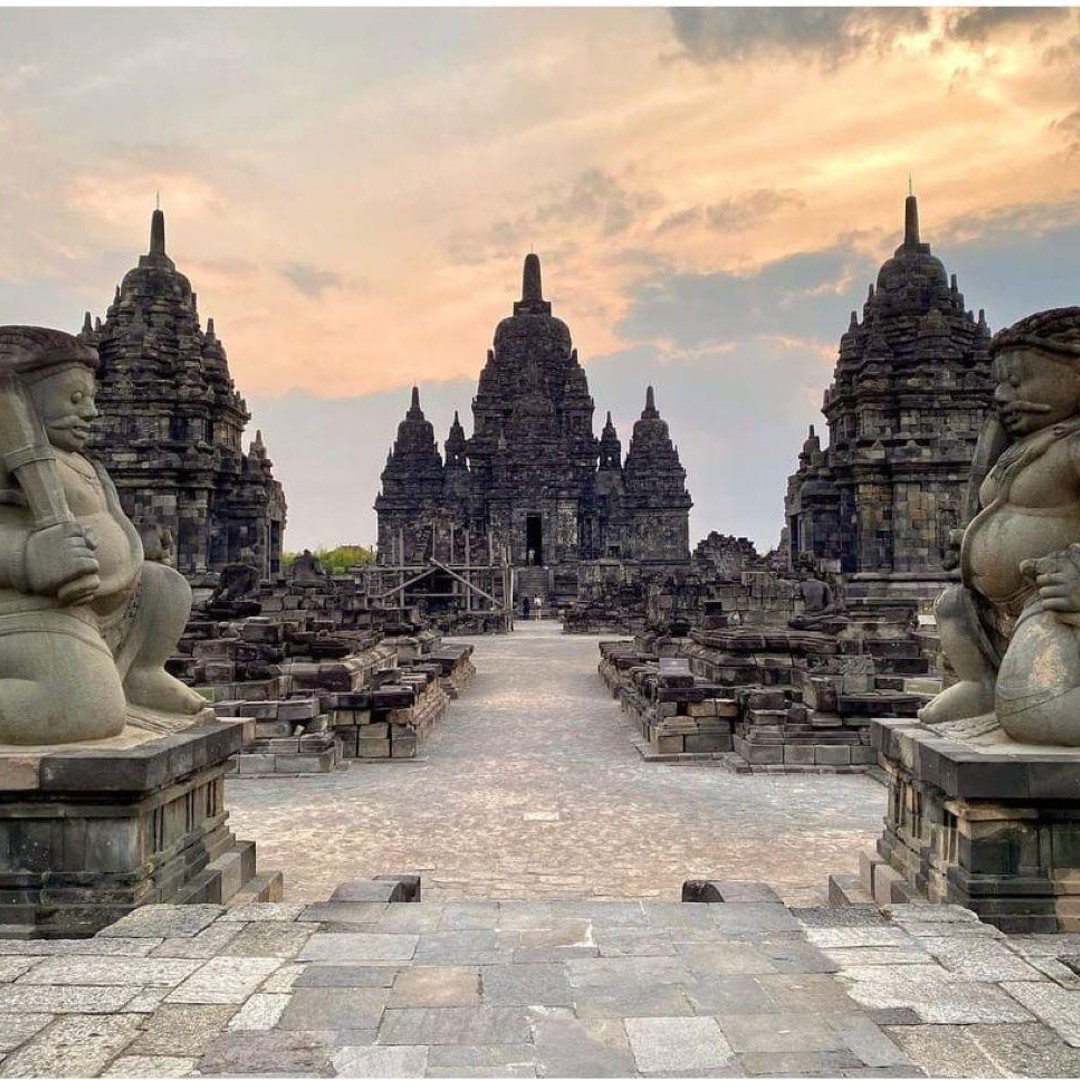
Prambanan vs Borobudur: Two Faiths, One Island
{"left":"Prambanan - Hindu temple complex\nBorobudur - Buddhist monument\nBuilt around the same time period","right":"Different architectural styles\nBoth represent ancient Javanese religious art\nShow peaceful coexistence of religions"}
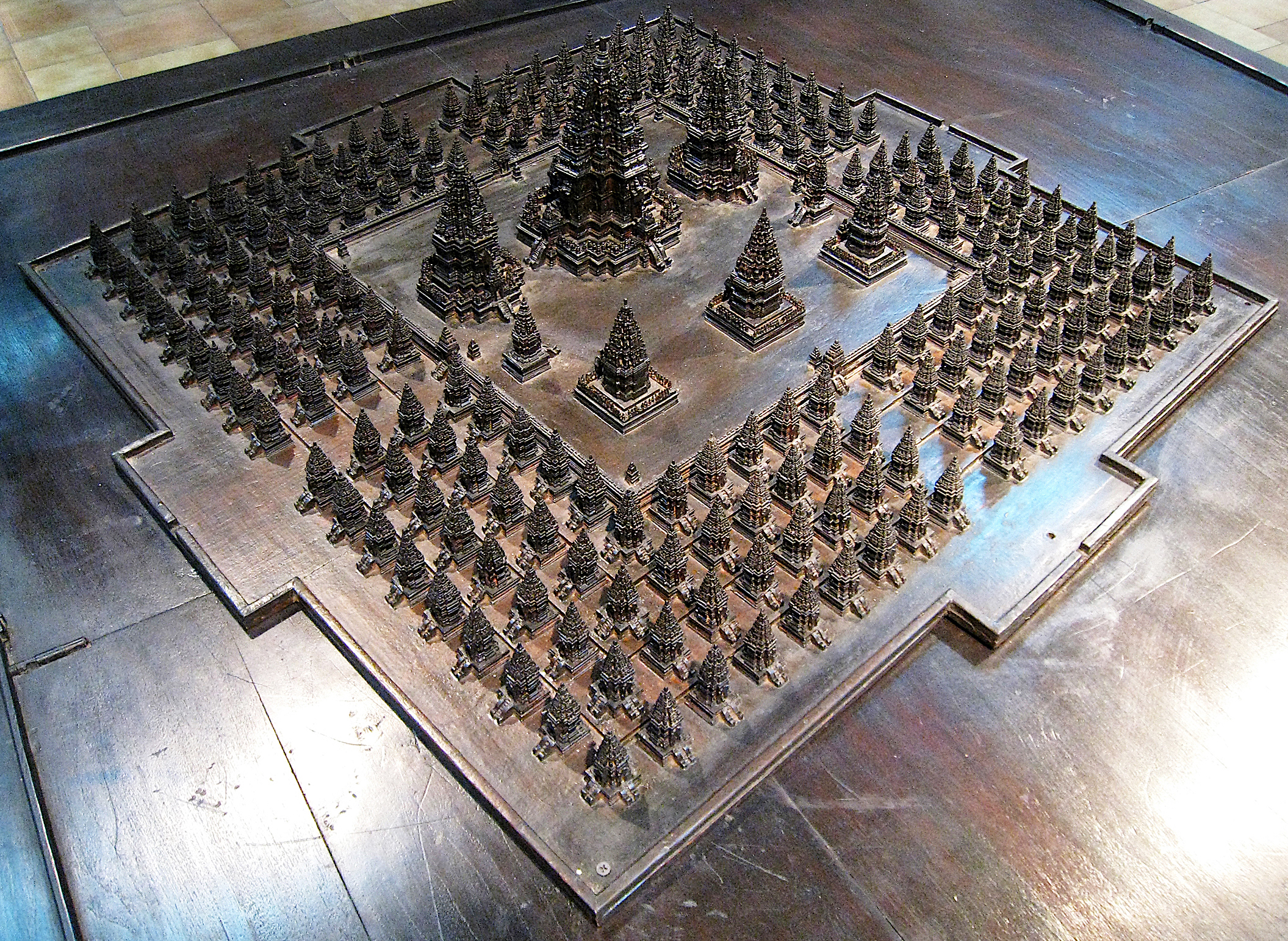
Architectural Marvel: The Sacred Layout
240 temples arranged in concentric squares Three main temples dedicated to Hindu trinity Candi Shiva (central) - 47 meters tall Candi Vishnu and Candi Brahma flank the center Smaller temples for sacred animals and guardians

Decode the Stone Stories
Examine the relief panels on Prambanan's walls Each panel tells part of the Ramayana epic Look for characters: Rama, Sita, Hanuman, Ravana Panels read clockwise around each temple Challenge: Can you identify the story sequence?
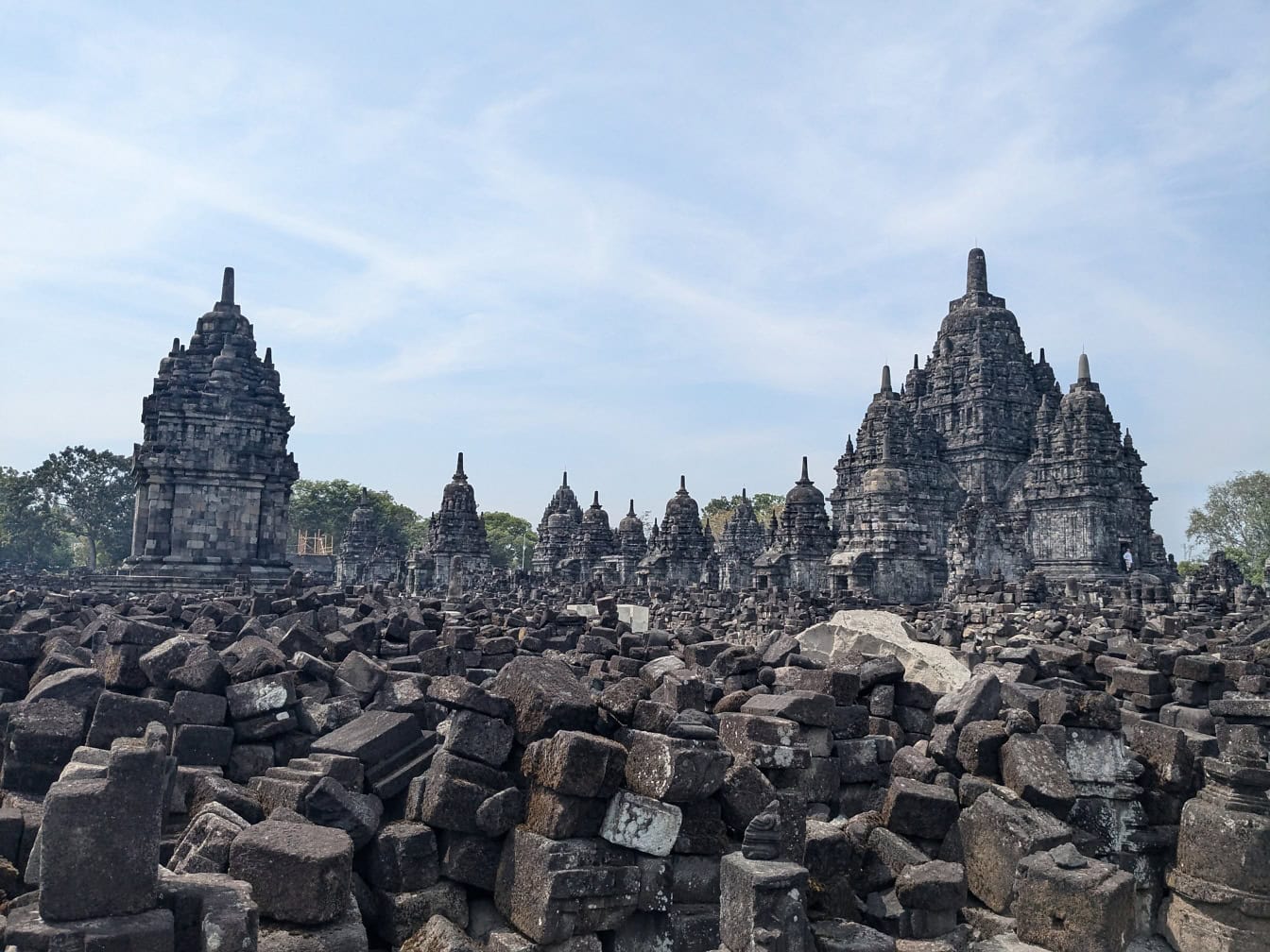
The Great Collapse and Rediscovery
Abandoned around 1000 CE due to political changes Earthquakes and volcanic activity damaged structures Jungle growth covered the ruins for centuries Dutch explorer C.A. Lons documented it in 1733 Major restoration began in the 20th century

UNESCO Recognition
'Prambanan Temple Compounds represent the masterpiece of Hindu art and architecture in Java during the 8th-10th centuries' - UNESCO World Heritage Committee, 1991
Prambanan Today: Living Heritage
Major tourist destination attracting millions annually Active site for Hindu ceremonies and festivals Ongoing conservation work to preserve the structures Educational programs teach Indonesian youth about their heritage Symbol of Indonesia's multicultural identity Inspiration for modern Indonesian art and culture