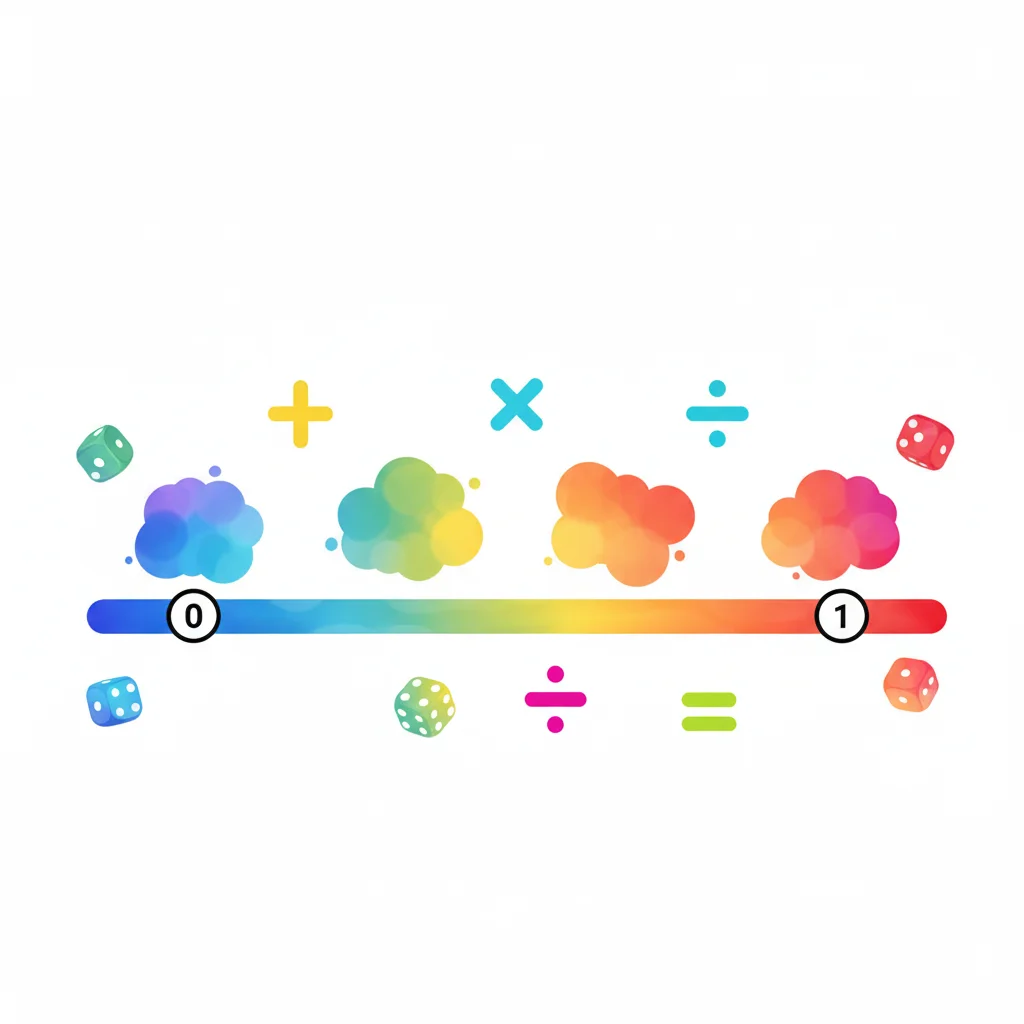
Probability: From Impossible to Certain
Understanding chance and likelihood Year 7 Mathematics NSW Curriculum
What is Probability?
Probability measures the chance of something happening It tells us how likely or unlikely an event is We use it to make predictions about future events Examples: Will it rain tomorrow? Will you roll a 6?
Think About It
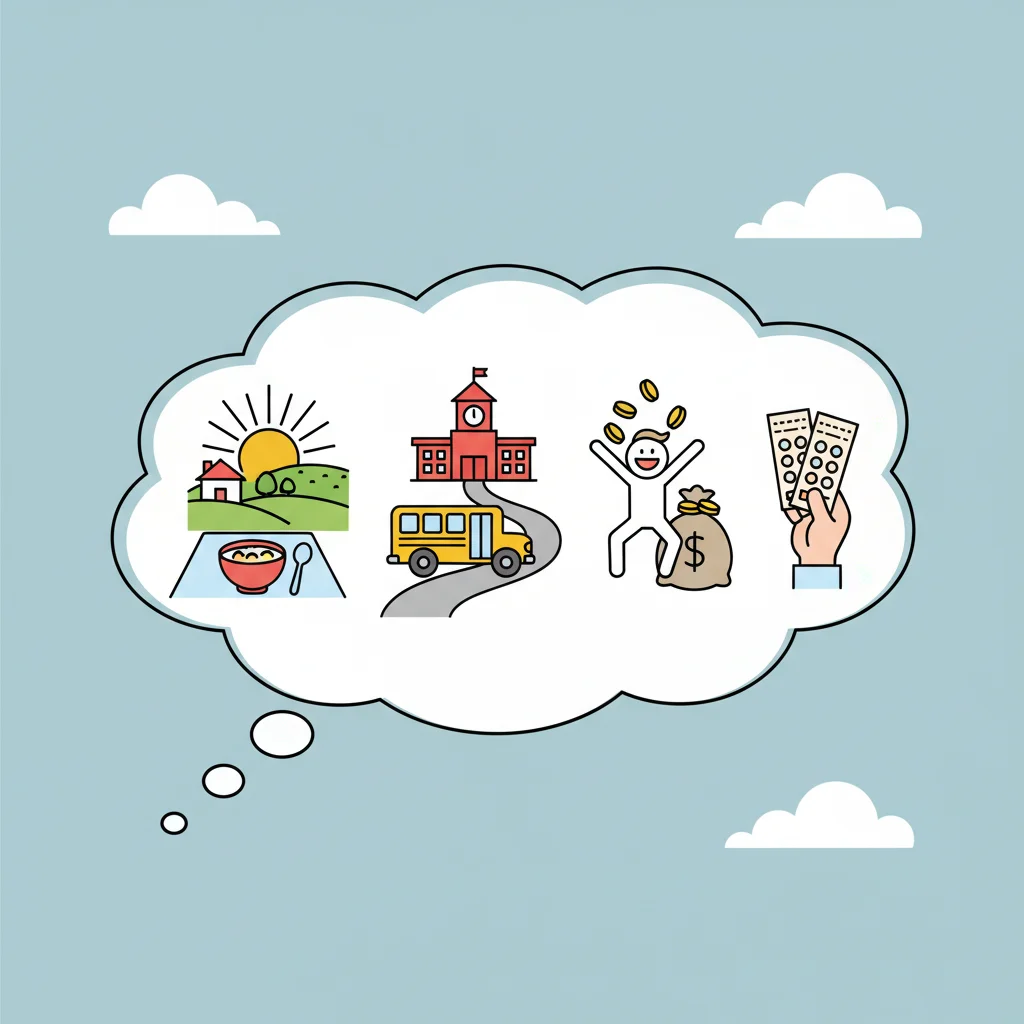
What are some events that happen in your daily life? Which ones are certain to happen? Which ones might happen? Which ones will never happen?
The Language of Probability
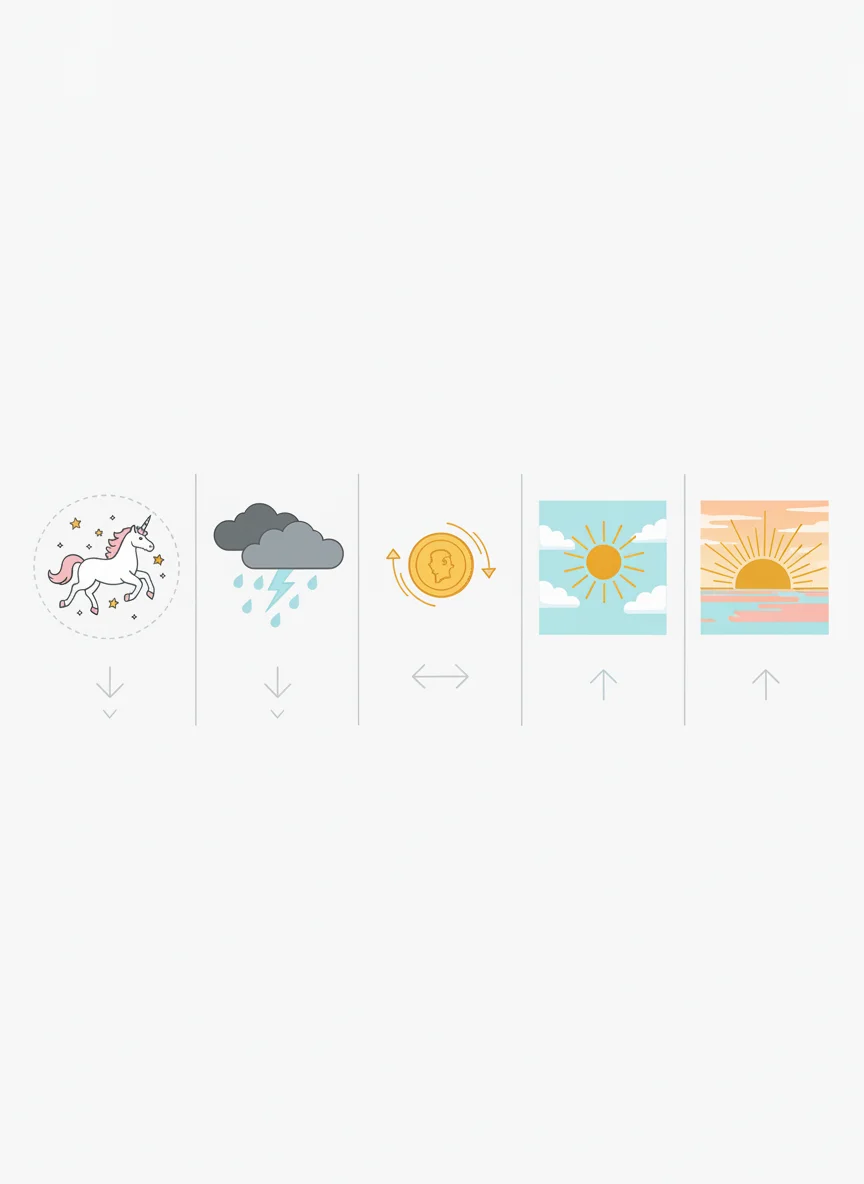
Impossible - will never happen Unlikely - probably won't happen Possible - might happen Likely - probably will happen Certain - will definitely happen

Probability Word Sorting
Sort these events into probability categories: • You will grow taller tomorrow • It will rain sometime this year • You will roll a number less than 7 on a standard die • You will live forever • The sun will rise tomorrow

The Probability Scale
Probability is measured on a scale from 0 to 1 0 means impossible (0% chance) 1 means certain (100% chance) 0.5 means equally likely to happen or not (50% chance)
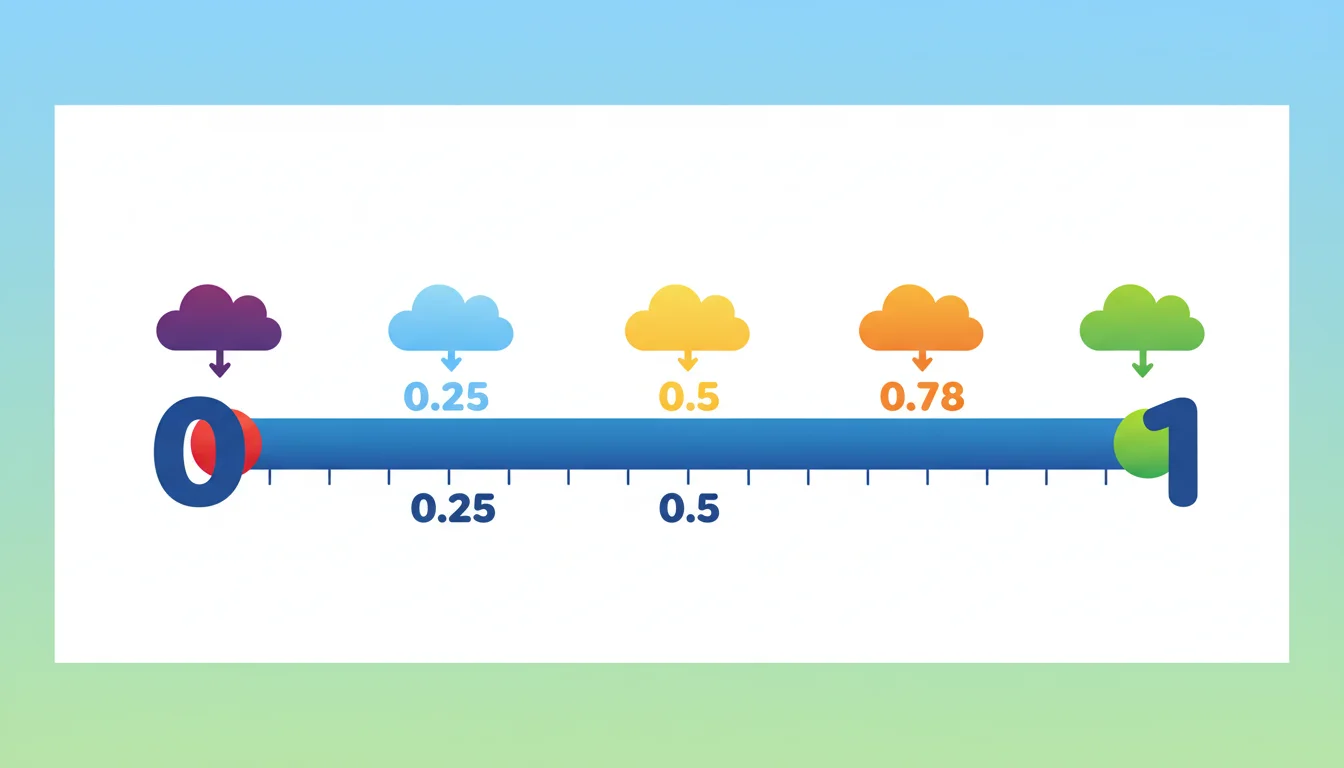
Probability Number Line with Words
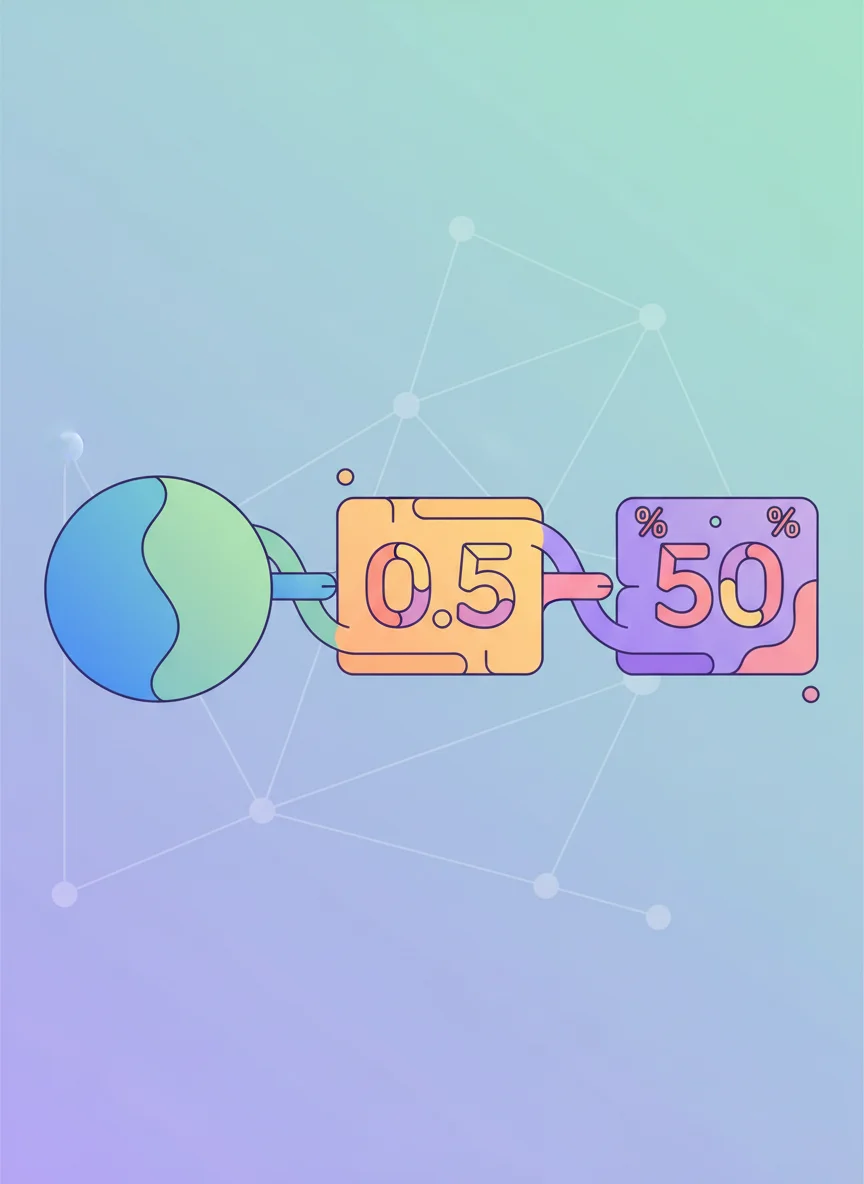
Fractions, Decimals and Percentages
Probability can be written in different ways: Fraction: 1/2 (one half) Decimal: 0.5 (zero point five) Percentage: 50% (fifty percent) All represent the same probability!
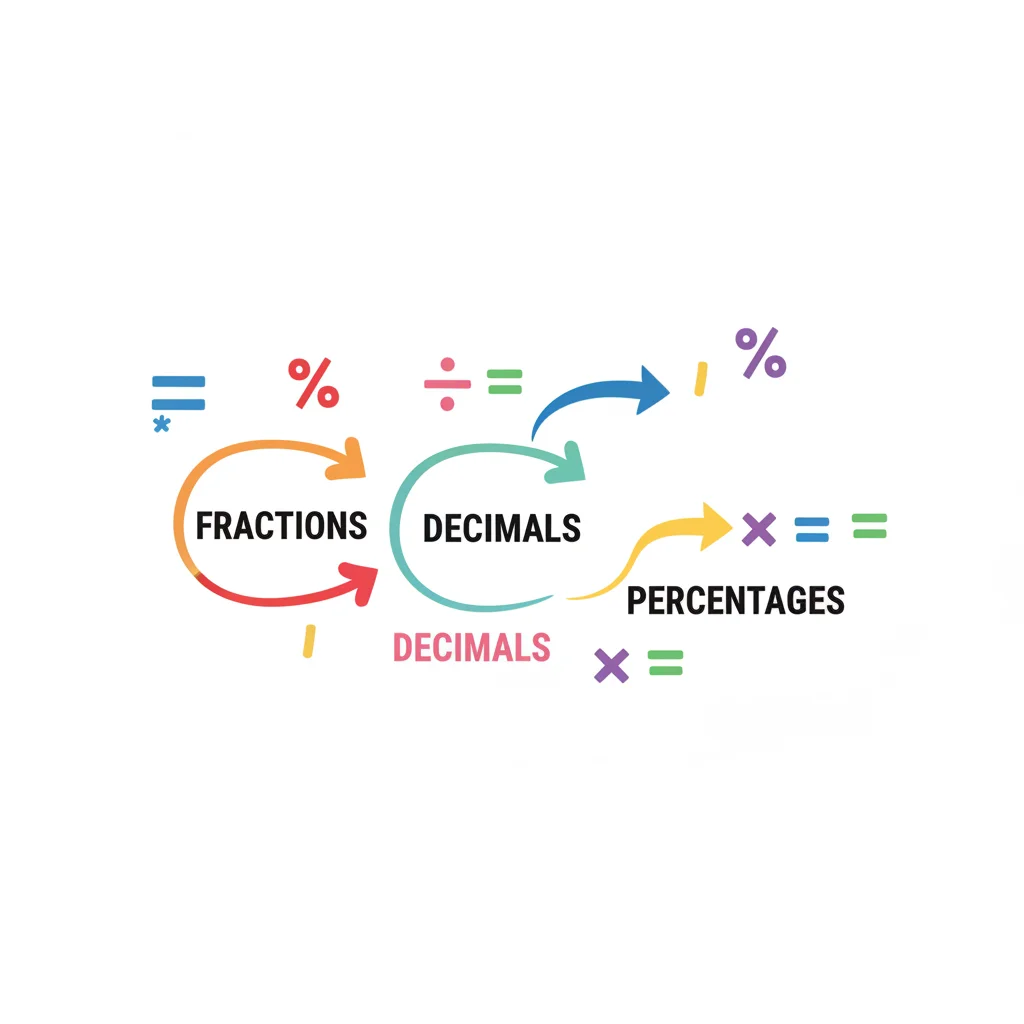
Converting Probabilities
Convert these probabilities between forms: 1/4 = ? (decimal) = ? (percentage) 0.75 = ? (fraction) = ? (percentage) 25% = ? (fraction) = ? (decimal) Work with a partner to solve these!

Sample Space
Sample space is all the possible outcomes of an event For a coin flip: {Heads, Tails} For a standard die: {1, 2, 3, 4, 5, 6} Helps us calculate probability accurately

Comparing Sample Spaces
{"left":"Coin flip: 2 possible outcomes\nRolling a die: 6 possible outcomes","right":"Picking a card: 52 possible outcomes\nSpinning a wheel: depends on sections"}
Equally Likely Outcomes
Some outcomes have the same chance of happening Fair coin: Heads and Tails are equally likely Fair die: Each number has the same probability Each outcome has probability = 1/(total outcomes)
8 more slides available after you open the deck.
Download all 20 slides