Products, Factors: Prime or Composite?
Year 5 & 6 Mathematics Understanding Number Properties 60 Minutes of Mathematical Discovery

WALT - We Are Learning To
Identify products and factors of numbers Use the term 'product' to describe multiplication results Determine if numbers are prime, composite, or neither Apply our knowledge through hands-on activities

Key Mathematical Vocabulary
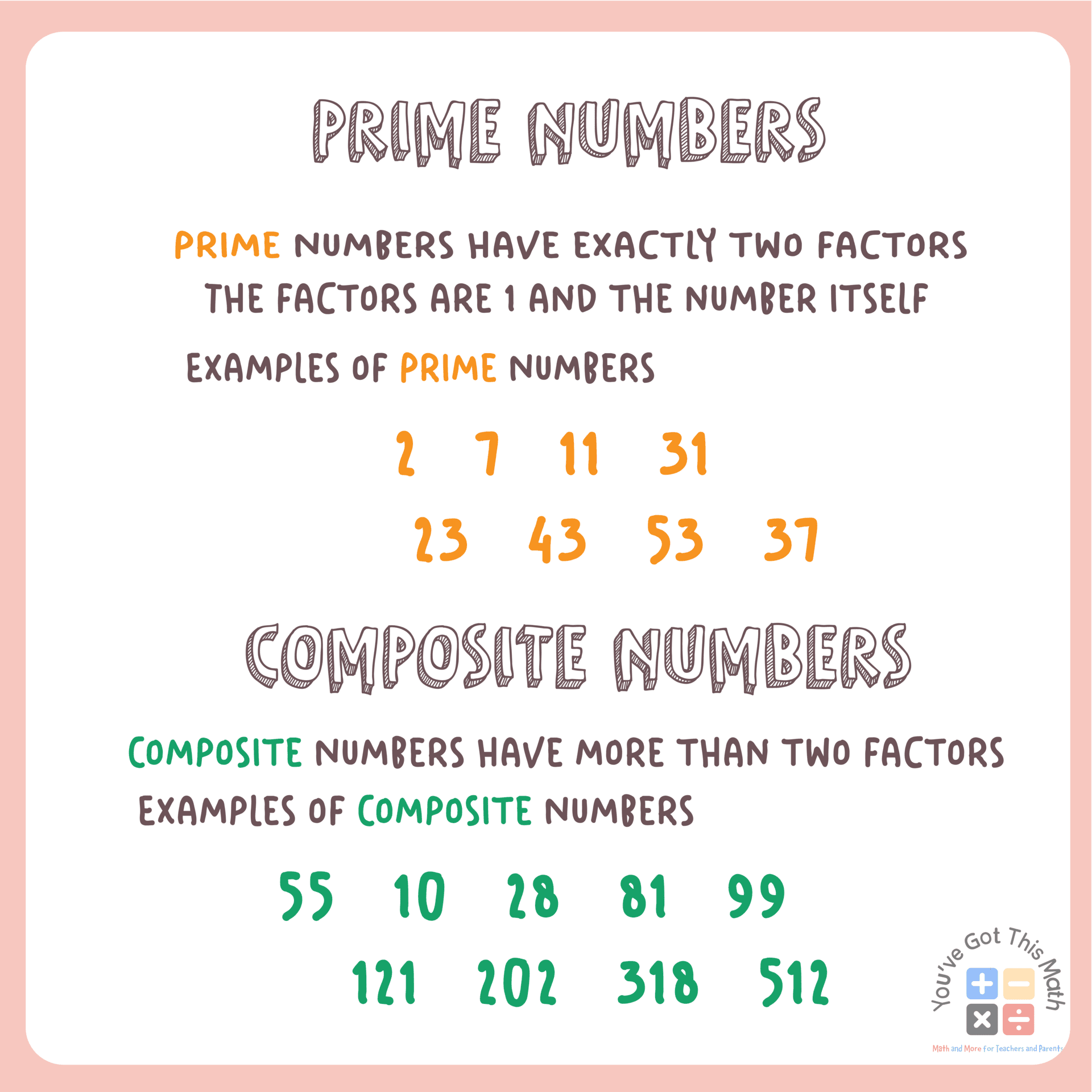
Product: The answer when we multiply numbers together Factor: Numbers that multiply to give a product Prime Number: Has exactly two factors (1 and itself) Composite Number: Has more than two factors
Hook Activity: Product Detective
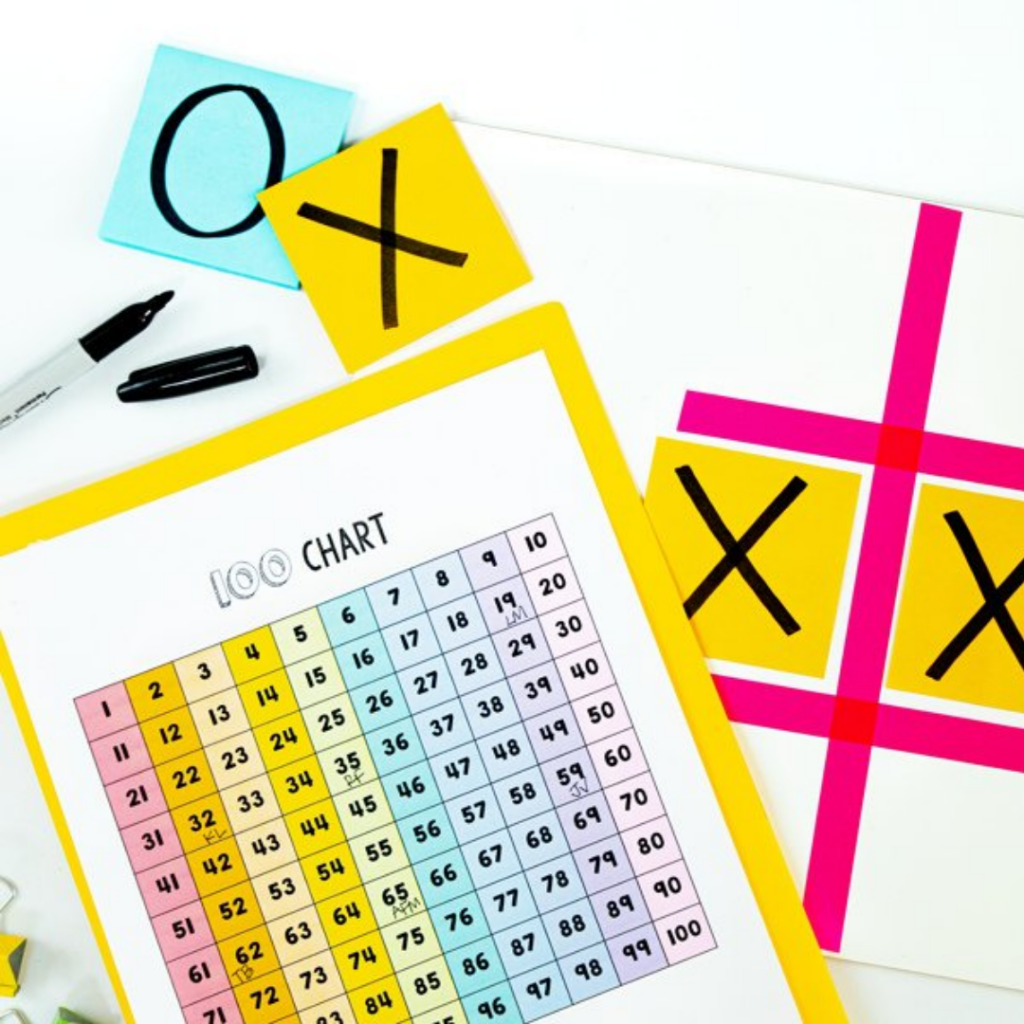
Partner up and grab your number cards Find the product of your two numbers List all the factors of your product Decide: Is your product prime, composite, or neither?
Finding Factors: Step-by-Step
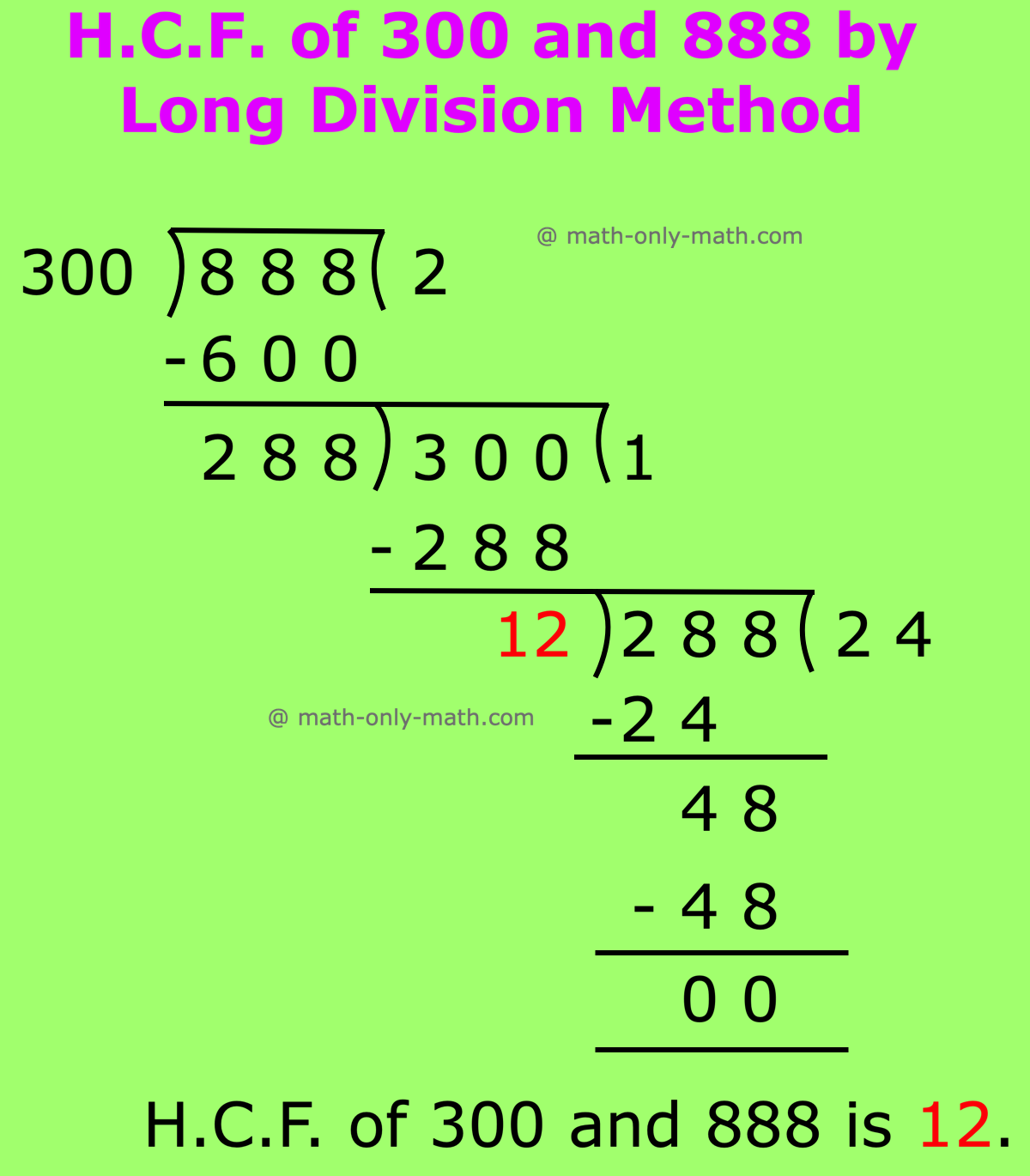
Start with 1 and the number itself Test each number in between Ask: Does it divide evenly? Record all factor pairs Example: 12 has factors 1, 2, 3, 4, 6, 12

Prime vs Composite Numbers
{"left":"Prime Numbers: Exactly 2 factors\nExamples: 2, 3, 5, 7, 11, 13\nOnly divisible by 1 and themselves\nBuilding blocks of all numbers","right":"Composite Numbers: More than 2 factors\nExamples: 4, 6, 8, 9, 10, 12\nCan be broken down further\nMade from prime factors"}

Hands-On Factor Tree Challenge
Choose a composite number from 20-50 Create a factor tree using colored pencils Break it down to prime factors only Share your tree with another pair Extension: Try the Sieve method for finding primes 1-30

Exit Reflection
What is a product? Give an example. How do you know if a number is prime or composite? Name three prime numbers and three composite numbers. What was your favorite discovery today?