
Racial Discrimination Act 1975: Aboriginal Rights
Year 11 Social Sciences Legal Studies Focus Understanding Australia's Anti-Discrimination Laws

Lesson Success Criteria
Explain the purpose and key provisions of the Racial Discrimination Act 1975 Analyse landmark Australian cases applying the Act Evaluate the Act's effectiveness in promoting Aboriginal rights Interpret legal texts and case law with confidence

What do you already know about discrimination laws in Australia?
Think about: Laws that protect people from unfair treatment Rights of Aboriginal and Torres Strait Islander peoples How laws can create social change

Historical Context: 1960s-1970s Civil Rights Movement
{ "title": "Historical Context: 1960s-1970s Civil Rights Movement", "content": "" }

The Racial Discrimination Act 1975: Key Provisions
Makes racial discrimination unlawful in public life Covers employment, education, housing, and services Implements UN Convention on Elimination of Racial Discrimination Establishes legal remedies for discrimination victims Creates framework for equal treatment regardless of race

Legal Vocabulary: Understanding Key Terms
{"left":"Discrimination: Unfair treatment based on race, colour, or ethnic origin\nRemedy: Legal solution or compensation for discrimination\nPrecedent: Previous court decision that guides future cases","right":"Statutory Interpretation: How courts understand and apply laws\nUnlawful: Against the law, prohibited by legislation\nPublic Life: Areas like employment, education, housing, services"}

Case Study: Koowarta v Bjelke-Petersen (1982)
Background: Queensland government refused Aboriginal land purchase Legal Issue: Did the Racial Discrimination Act apply to government actions? John Koowarta and the Winychanam people sought to buy pastoral lease Queensland Premier Joh Bjelke-Petersen blocked the purchase Case went to High Court of Australia
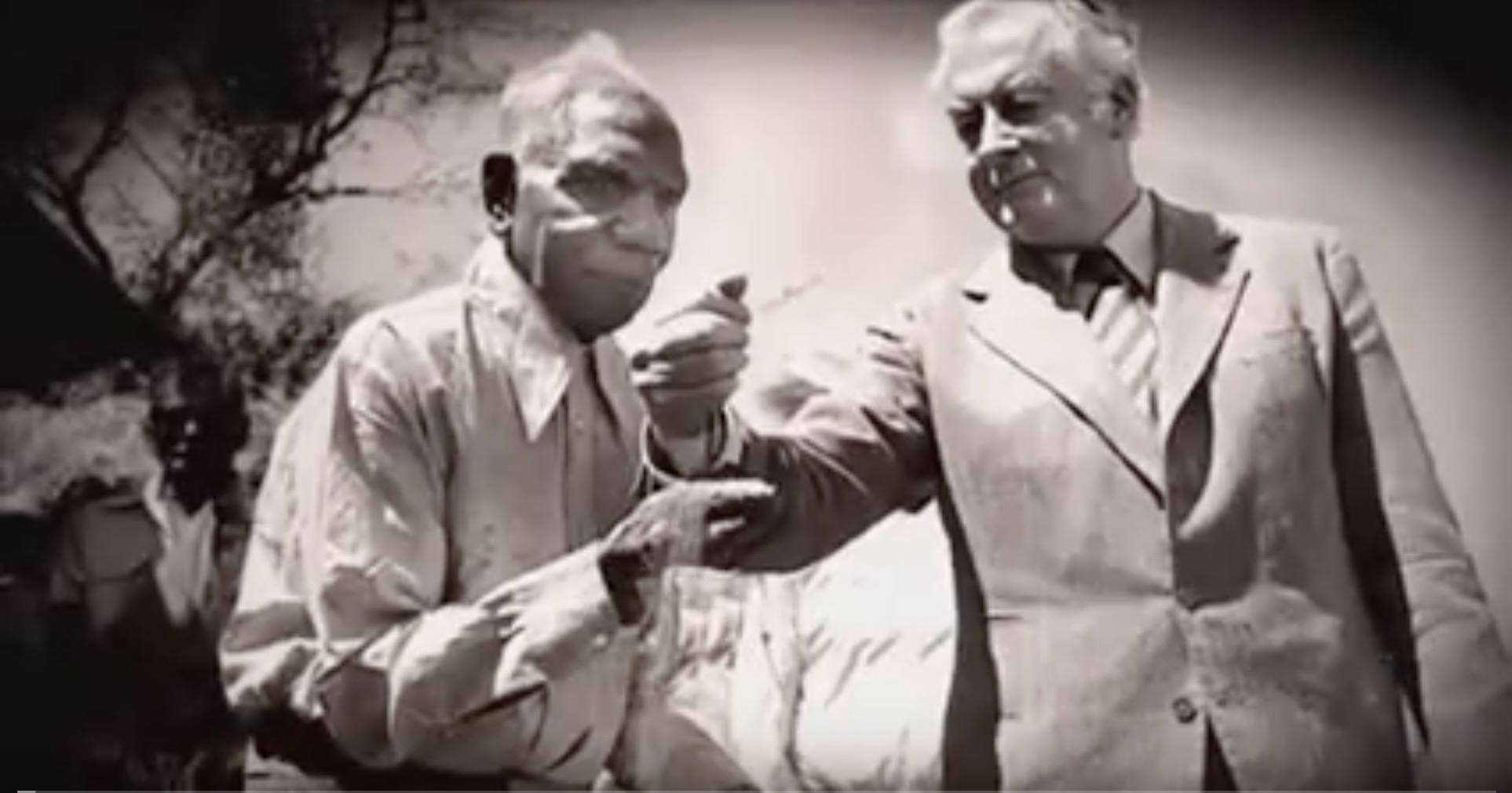
Case Study: Koowarta v Bjelke-Petersen (1982)
First major test of the Racial Discrimination Act Aboriginal man denied land lease in Queensland High Court ruled racial discrimination occurred Established federal power over state discrimination laws Set important precedent for future cases

Case Analysis Activity
Work in pairs to analyse the Koowarta case Use the graphic organiser provided Identify: Facts, Legal Issues, Court's Decision, Impact Consider: How did the Racial Discrimination Act help? Prepare to share your findings with the class

High Court Decision and Impact
High Court ruled the Commonwealth had power to make the law Racial Discrimination Act was constitutionally valid Queensland's refusal was found to be discriminatory Established precedent for Commonwealth anti-discrimination laws Strengthened legal protection for Aboriginal land rights

"The Racial Discrimination Act 1975 provides a legal framework for equality, but achieving true equality requires ongoing commitment from all Australians."
Reflect on the effectiveness of legal solutions to social problems Consider what challenges remain in achieving racial equality Think about the role of law in social change