
Safe Swallowing and Choking Prevention
Year 11 Health Education Essential Skills for Daily Safety Supporting Personal and Community Wellbeing

What Do You Know About Choking?
Have you ever experienced or witnessed choking? What makes choking dangerous? When might choking be more likely to occur?
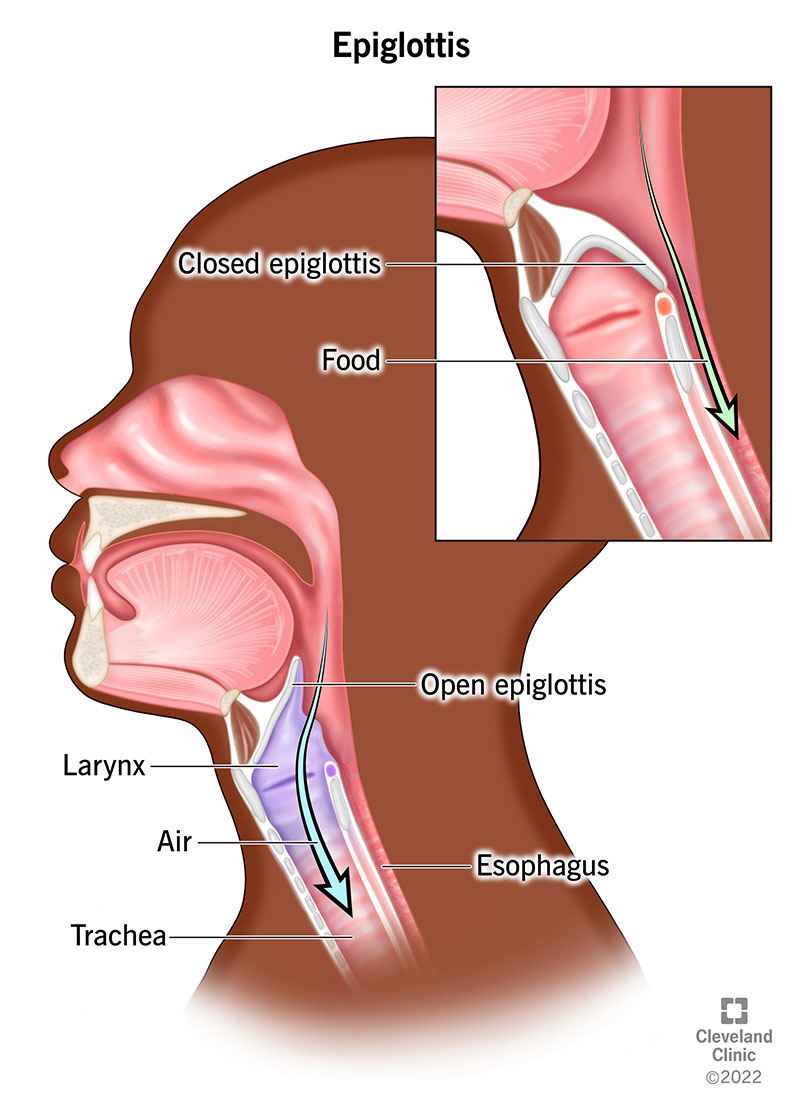
Understanding the Anatomy
Airway (trachea) - leads to lungs Esophagus - leads to stomach Epiglottis - acts as a 'gate' between airways When the epiglottis doesn't close properly, choking occurs

Safe Swallowing Process vs. Choking Risks
{"left":"Sit upright with good posture\nChew food thoroughly\nTake small bites and sips\nSwallow completely before talking\nStay focused while eating","right":"Eating too quickly\nTalking while chewing\nTaking large bites\nLying down while eating\nDistractions during meals"}
Special Considerations
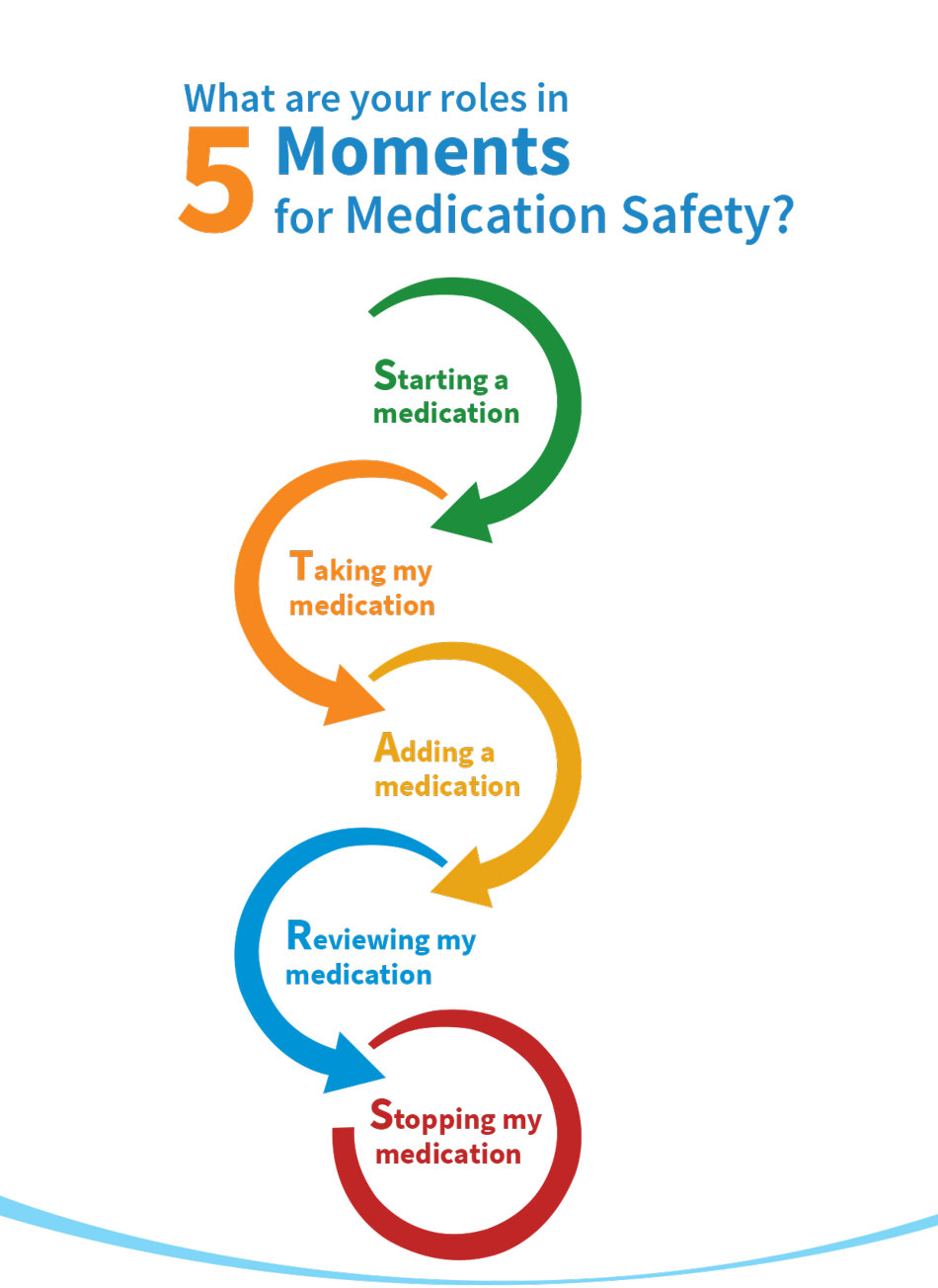
Taking oral medications safely - use adequate water Oral care routines - be gentle and methodical Age-related factors - elderly and young children at higher risk Medical conditions affecting swallowing Environmental factors - stress, rushing, distractions

Practice Safe Eating Techniques
Partner up for role-play activity Practice proper sitting posture Demonstrate appropriate bite sizes Show safe drinking technique Discuss what you observe
Recognizing and Responding to Choking
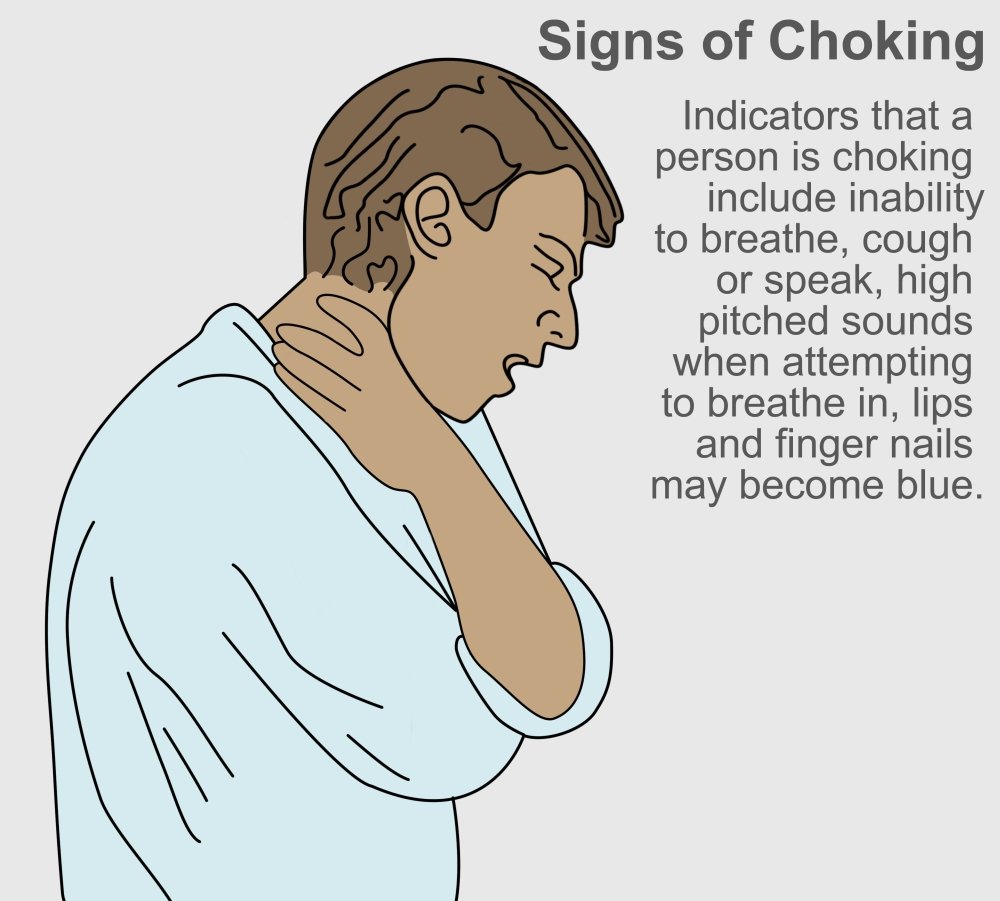
Universal choking sign - hands to throat Inability to speak or cough effectively Red or blue face color Panic in the person's eyes Encourage coughing if possible Call for help immediately - dial 000 Do NOT give food or water Stay calm and reassuring

Quick Knowledge Check
What are two signs someone is choking? Why is posture important in safe swallowing? How can taking medicine improperly lead to choking? What should you do if someone starts choking?