
Scarcity, Choice, and Opportunity Cost
Economic Foundations Years 9-10 Commerce Understanding Economic Decision-Making

Think About This...
Why do people fight over limited items during sales? What drives the panic buying we saw during COVID-19? How do these situations relate to economics?

What is Scarcity?
Limited resources vs unlimited wants Not enough to satisfy everyone's needs and desires Forces us to make choices Exists at individual, business, and government levels The fundamental economic problem 🇦🇺 Australian Example: Water restrictions during a drought — there is not enough water to meet the unlimited demands of farmers, households and businesses simultaneously.
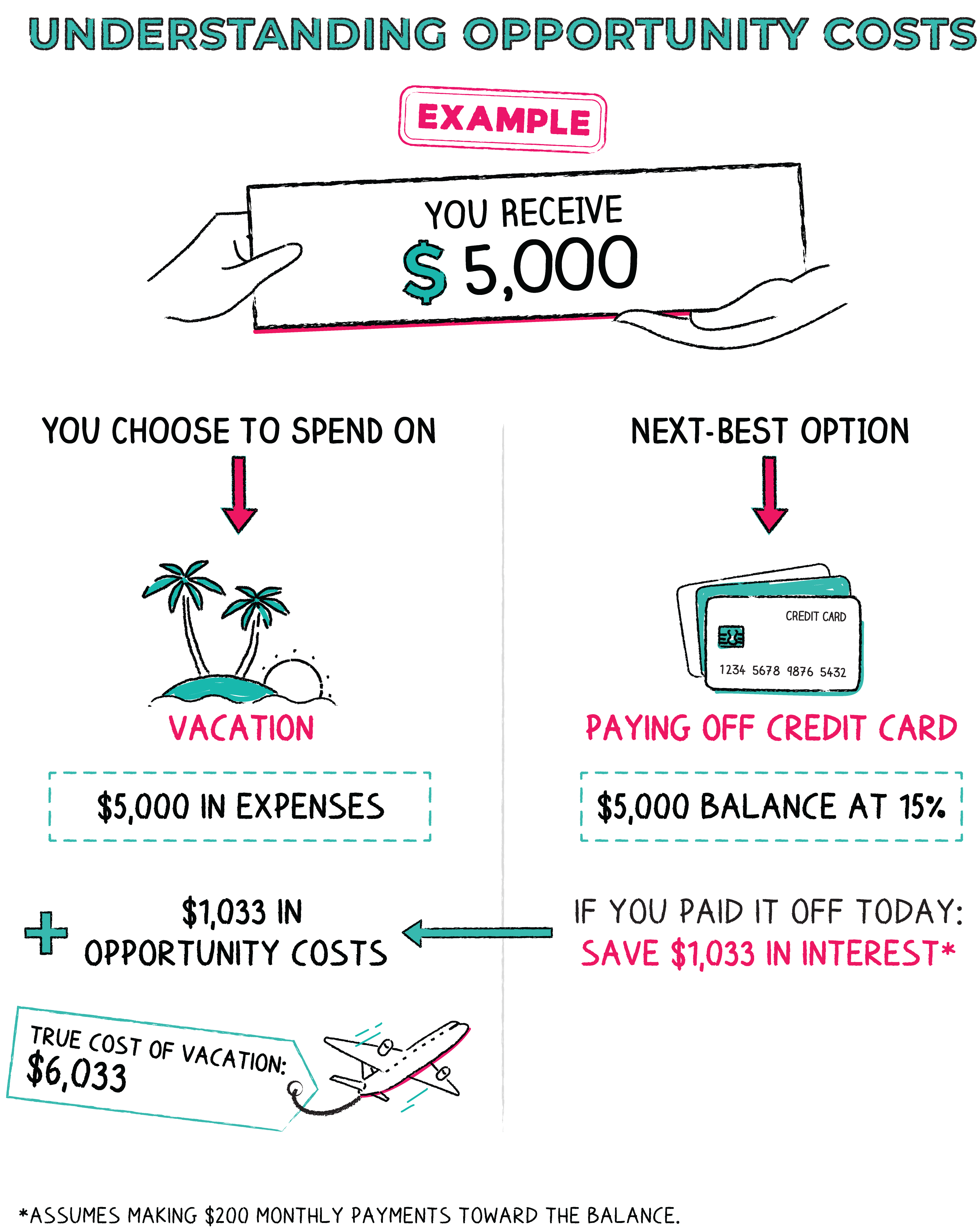
What is Opportunity Cost?
The next best alternative given up when making a choice What you sacrifice to get something else Every choice has an opportunity cost Helps us understand the true cost of decisions Key to smart economic thinking 🇦🇺 Australian Example: The NSW Government funds a new hospital — the opportunity cost is the road upgrades that can no longer be built with that money.

Group Activity — What's the Opportunity Cost?
Each group receives one scenario. Identify: (a) the choice made, (b) the opportunity cost, (c) who is affected. 🌾 Group 1: A farmer decides to grow wheat instead of vegetables this season. 📱 Group 2: A student spends 2 hours on TikTok instead of studying for their Commerce exam. 🏛️ Group 3: The Australian Government cuts $5 billion from university funding to invest in national defence
Real-World Examples
Personal Level: Choosing between saving money or buying new clothes Business Level: Investing in new technology or hiring more staff Government Level: Spending on healthcare or education Environmental: Using land for farming or conservation Time Management: Studying for exams or working part-time Global: Addressing climate change or economic growth

Economic Wisdom
"There's no such thing as a free lunch." - Popular economic saying Everything has a cost, even if it's not immediately obvious. Someone, somewhere, is paying for it through time, resources, or opportunity.

Key Takeaways
Scarcity forces us to make choices in all areas of life Example: Water restrictions during a drought — not enough water for all farmers, households and businesses Every choice involves giving up the next best alternative Understanding opportunity cost helps us make better decisions These concepts apply from personal choices to global policies