Shrinking Names With Figurative Language
Exploring 'The Boy Who Tried to Shrink His Name' Year 2 English Language Arts Learning about metaphors, similes, and imagery

What's In A Name?
Think about your own name How does it make you feel? Is it long or short? Do you like the way it sounds?

Meet Our Story
A boy with a very long name He feels embarrassed about it He wishes he could make it smaller Let's discover what happens!

What is Figurative Language?
Special words that paint pictures in our minds Not meant to be taken literally Makes stories more interesting and fun Helps us imagine and feel emotions

Literal vs Figurative
{"left":"The boy's name is very long\nHis name felt like a heavy backpack","right":"He wrote his name on paper\nHis name danced across the page"}

Similes - Using 'Like' or 'As'
Compares two different things Uses the words 'like' or 'as' Example: 'His name was like a long train' Helps us picture how something feels or looks

Find the Simile!
Listen for comparisons with 'like' or 'as' 'His name felt as heavy as an elephant' 'The letters looked like dancing butterflies' Can you make your own simile?

Metaphors - Direct Comparisons
Says one thing IS another thing No 'like' or 'as' needed Example: 'His name was a mountain to climb' Creates strong pictures in our minds

Metaphor Detective
'His name was a puzzle with too many pieces' What does this metaphor tell us? How does the boy feel about his name? What picture do you see in your mind?

Personification - Giving Life to Objects
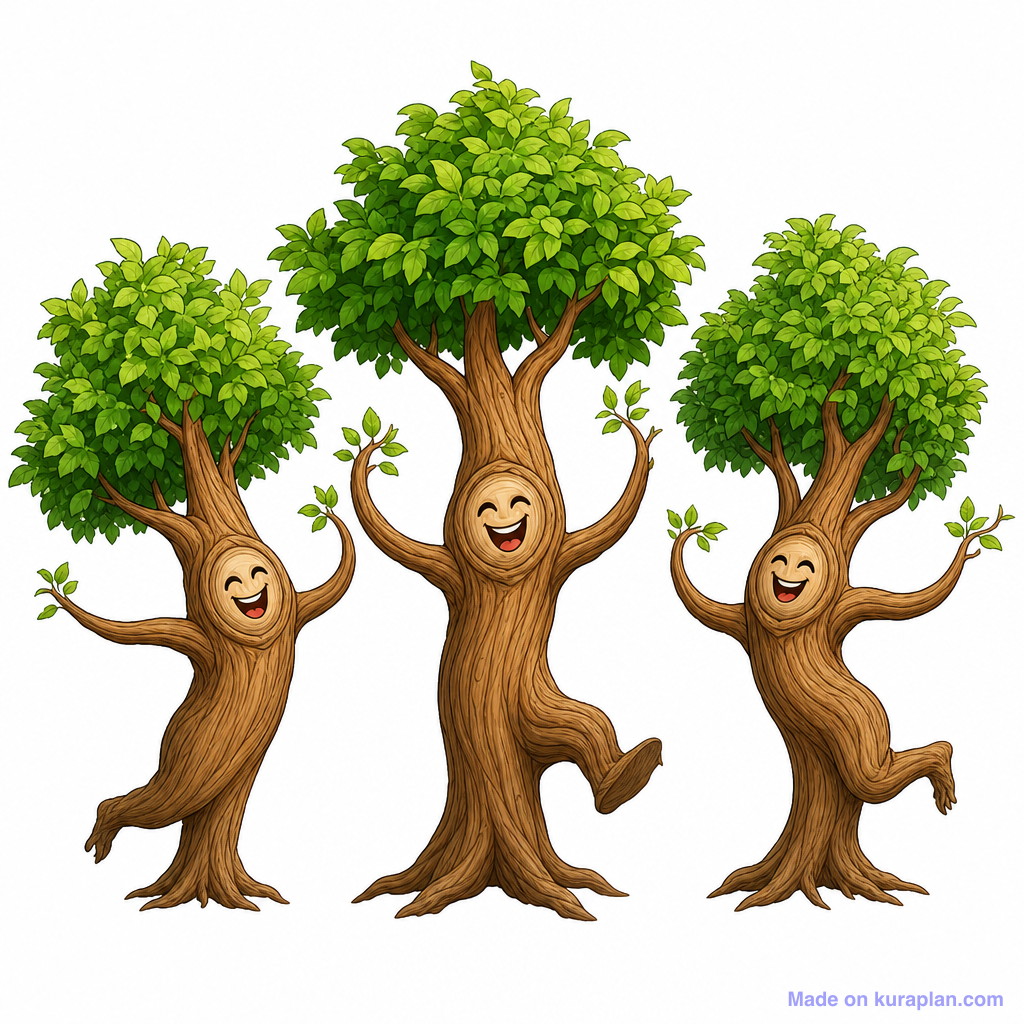
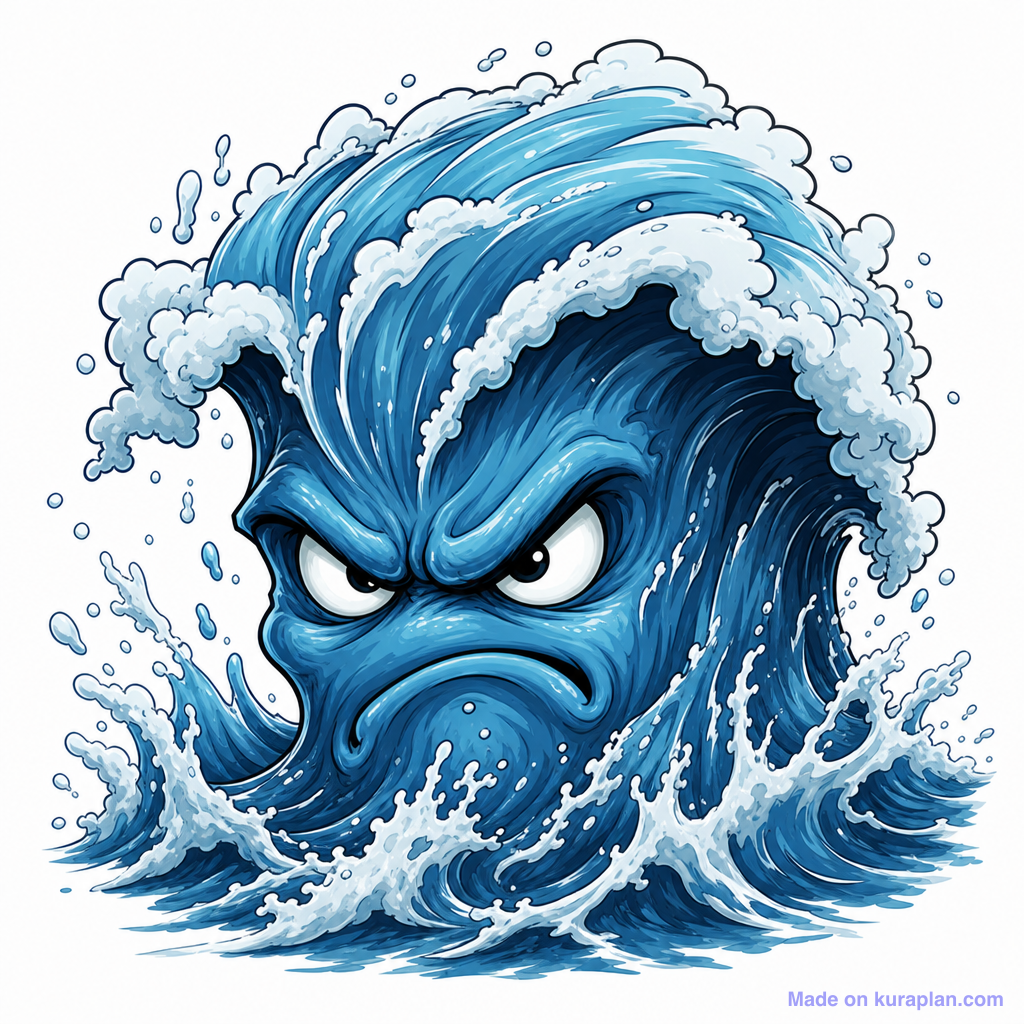
Makes non-living things act like people Objects can have feelings or actions Example: 'The letters giggled on the page' Makes stories come alive!

Bring Letters to Life!
Imagine your name's letters as characters What would they do? Would they dance, sleep, or play? Draw or act out your letter friends!

Imagery - Painting with Words
Uses our five senses Helps us see, hear, feel, taste, or smell Example: 'The scratchy sound of his pencil' Makes reading feel real
6 more slides available after you open the deck.
Download all 18 slidesMore Figurative Language slide decks
Other ready-to-teach decks on figurative language.


Free Personification images
Drop these illustrations straight into your lesson.