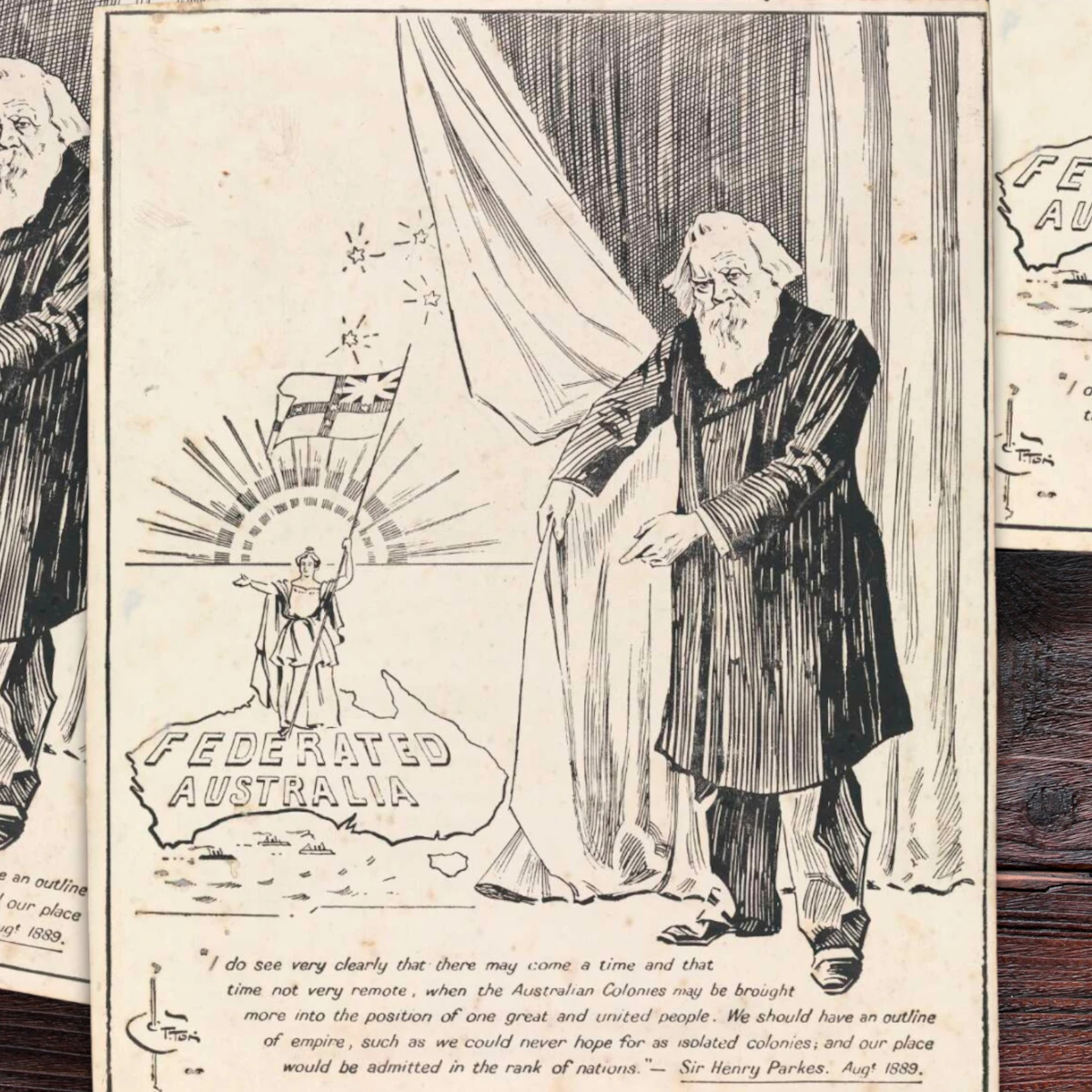
Sir Henry Parkes: Federation Father
The man who dreamed of a united Australia Year 6 History - Australian Federation

Early Life and Arrival in Australia
Born in England in 1815 in a poor family Migrated to Australia in 1839 seeking better opportunities Started as a labourer and ivory turner Became interested in politics and journalism
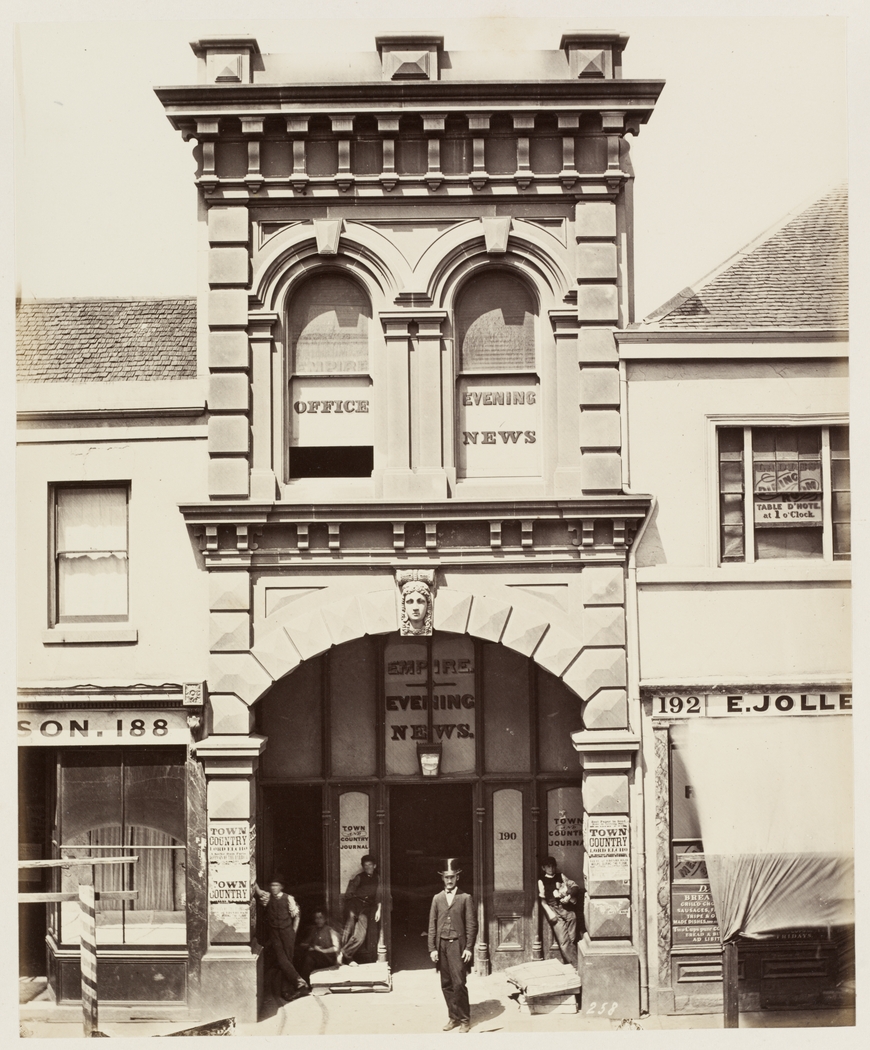
Political Career Begins
Founded 'The Empire' newspaper in 1850 Used his newspaper to promote democratic ideas Elected to NSW Parliament in 1854 Became known for his powerful speeches
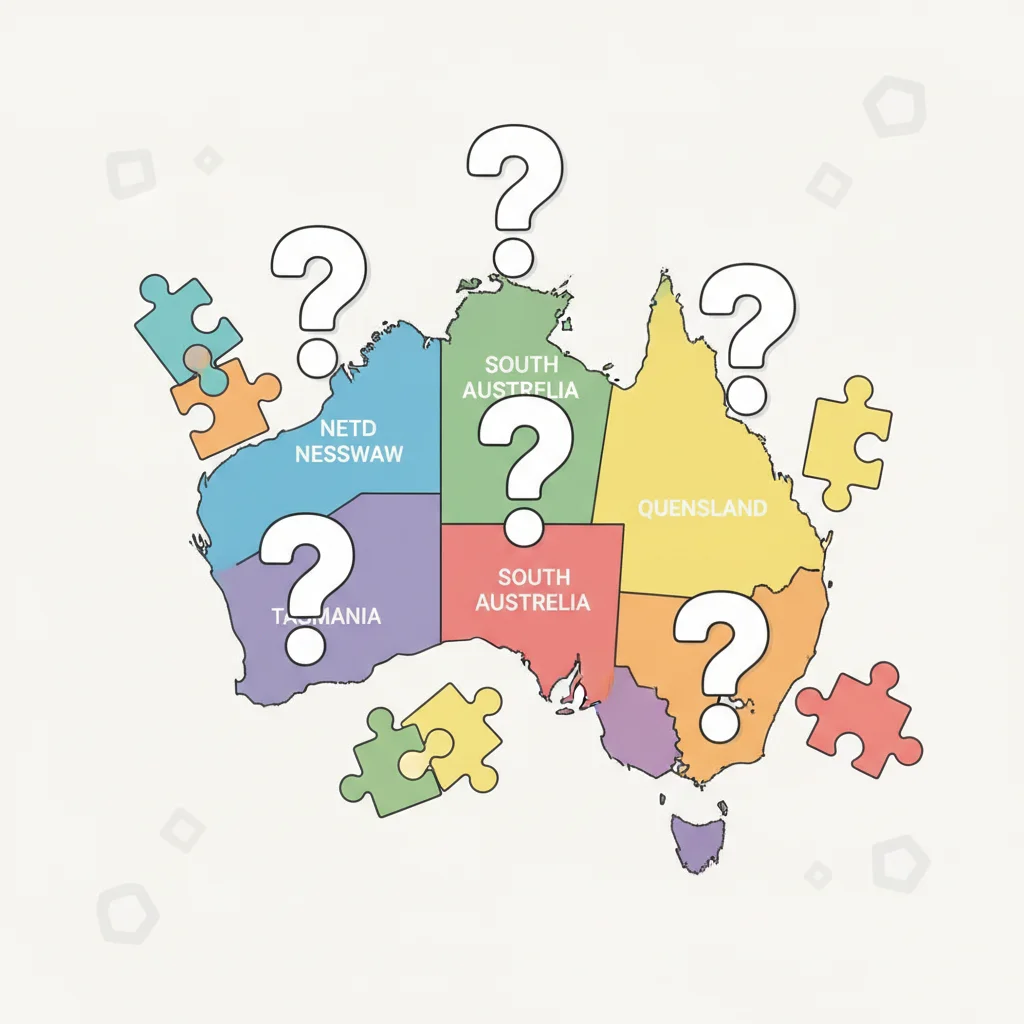
Think About It
Why do you think having separate colonies instead of one united country might have caused problems for Australia?

The Problems of Separate Colonies
Each colony had different laws and currencies Railway lines couldn't connect due to different track widths Trade between colonies was difficult Defence was weak with separate small armies
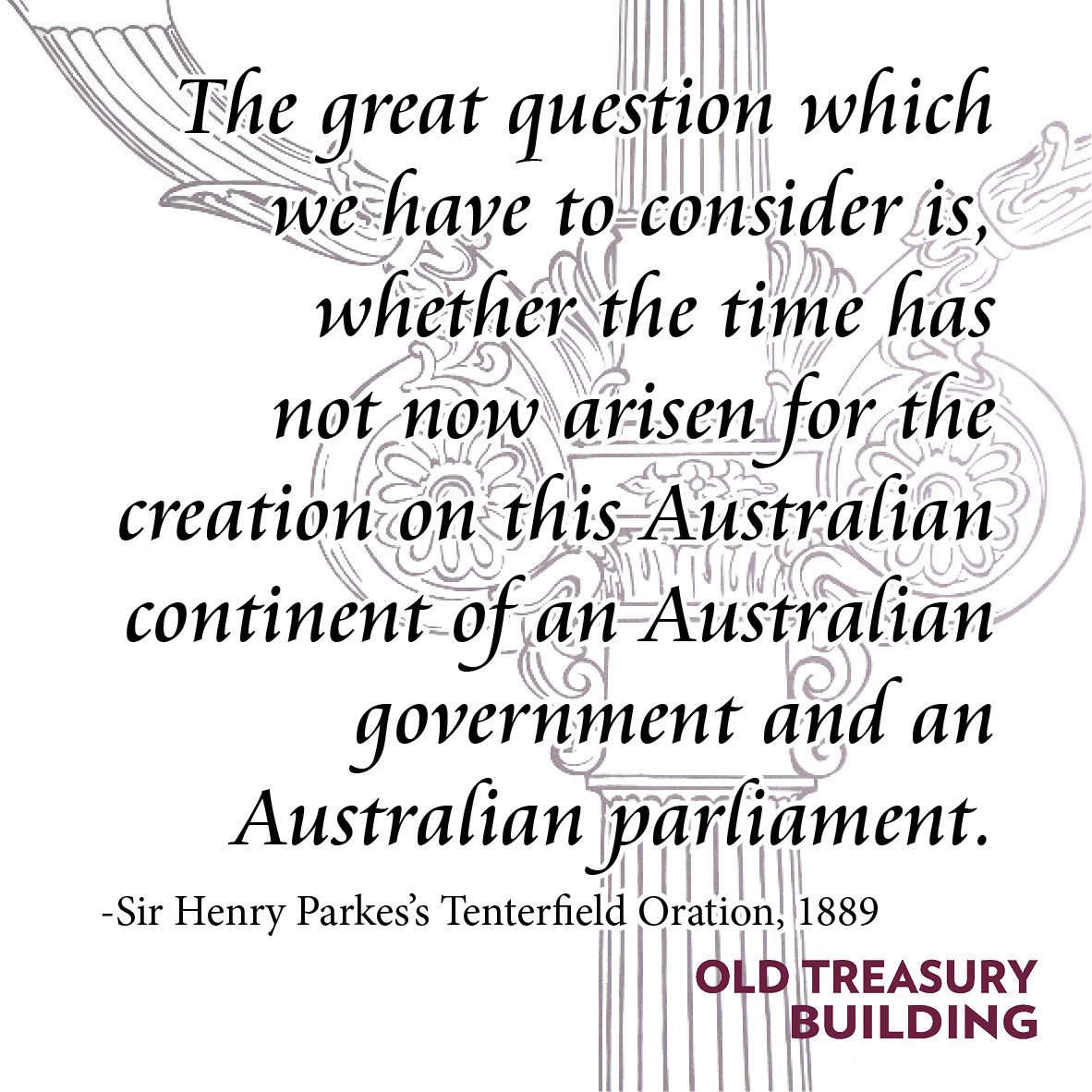
Parkes' Famous Vision
'The crimson thread of kinship runs through us all' - Sir Henry Parkes, 1890

The Tenterfield Oration - 1889
Before and After Federation
{"left":"Six separate colonies with different laws\nDifferent currencies and railway systems\nWeak defence capabilities\nTrade barriers between colonies","right":"One united nation - Australia\nCommon laws and currency\nConnected railway system\nStrong national defence force"}
Federation Detective
Work in groups to find evidence of federation in your daily life Look for: Australian currency, laws, defence force, transport systems Present one example to the class Explain how it shows Australia working as one nation
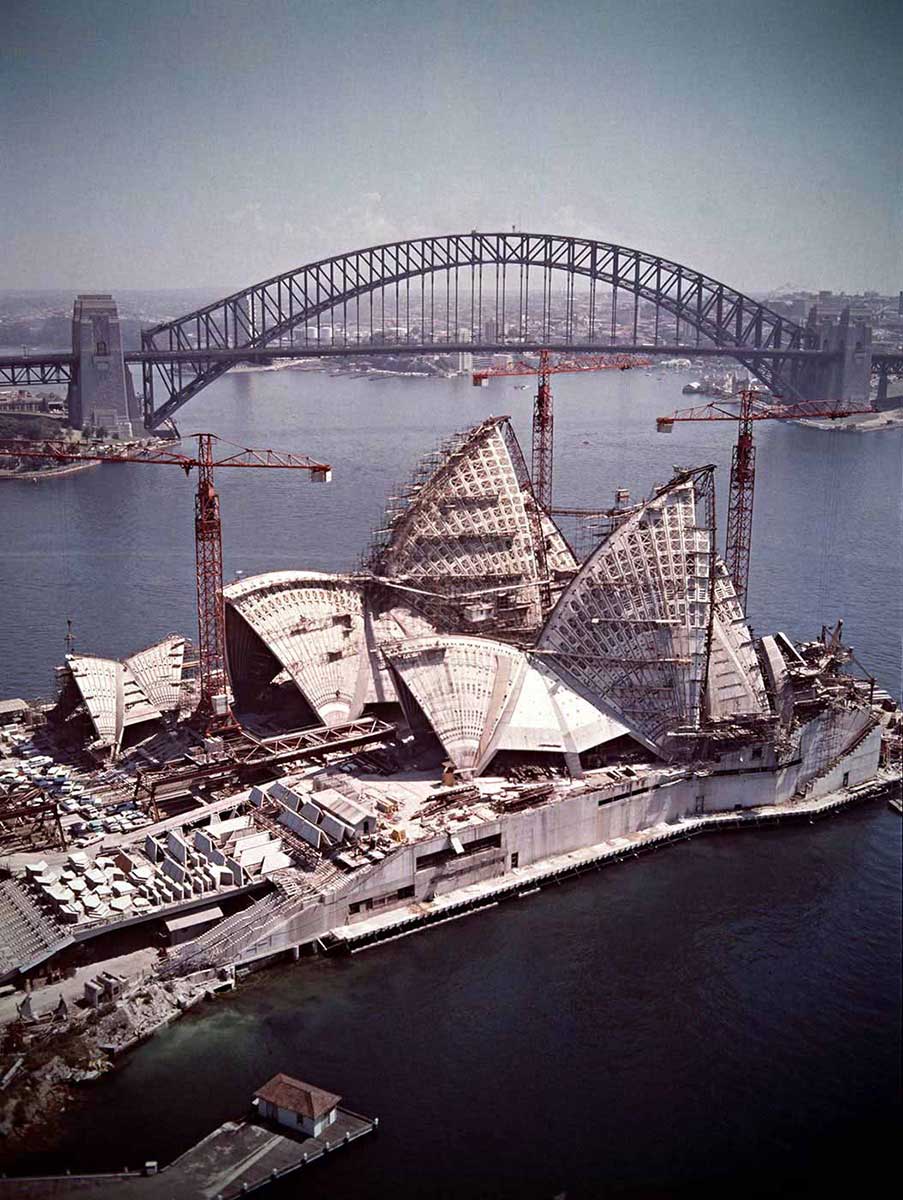
Sir Henry Parkes' Legacy
Called 'Father of Federation' for his leadership role His vision of united Australia became reality in 1901 Showed that ordinary people can achieve extraordinary things His ideas about unity still matter today