Skill-Related Components of Fitness
Year 8 Health & Physical Education NSW PDHPE Curriculum Understanding fitness beyond strength and endurance
What Makes a Great Athlete?
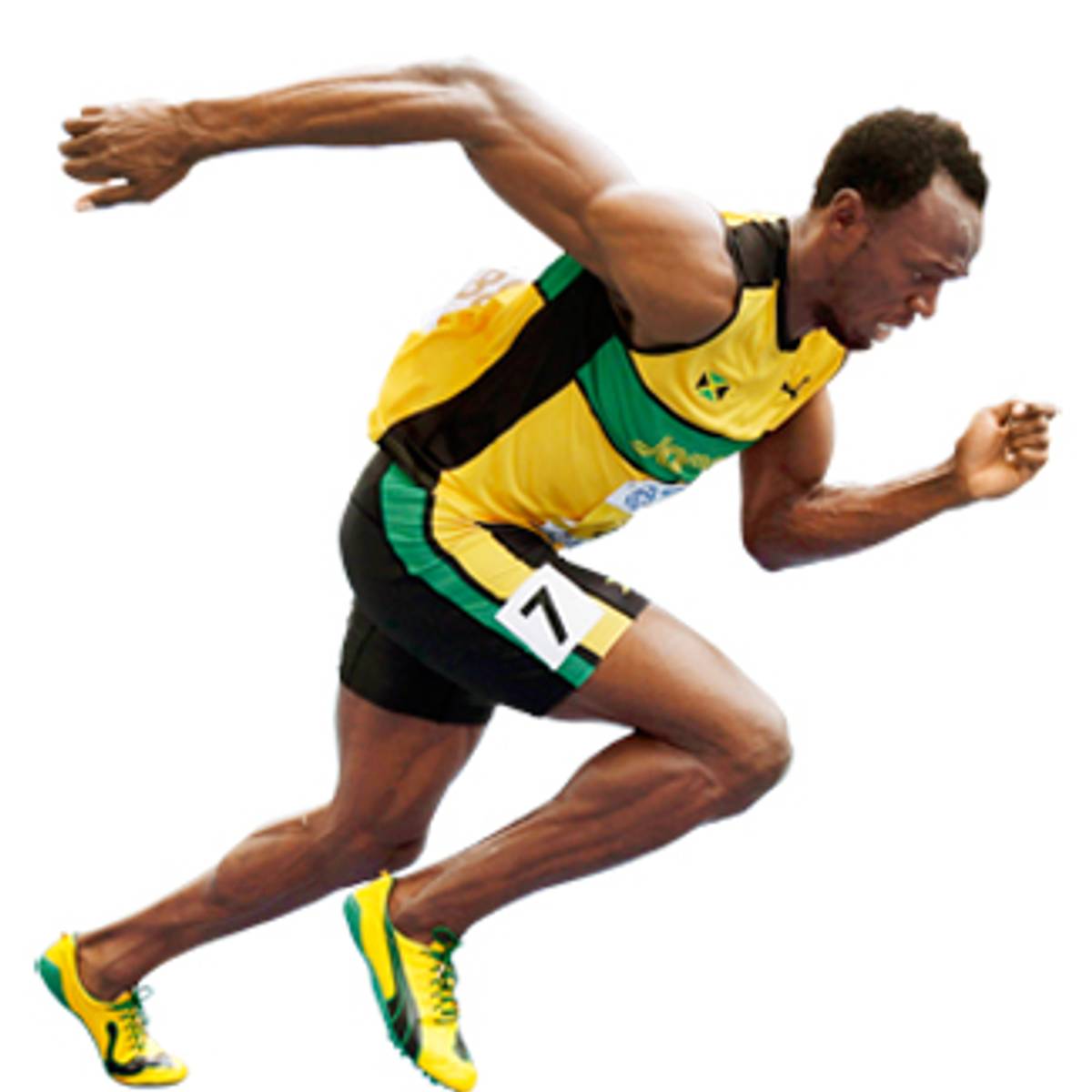
Think about your favorite athlete or sports player What physical abilities make them stand out? Is it just about being strong or fit?

The Six Skill-Related Components
Power - explosive strength and speed combined Speed - moving from one point to another quickly Agility - changing direction with control Reaction Time - responding quickly to stimuli Balance - controlling body position Coordination - body parts working together smoothly

Power vs Speed - What's the Difference?
{"left":"Power combines strength and speed for explosive movements\nExamples: jumping high, throwing far, lifting heavy objects quickly","right":"Speed is about moving fast in one direction\nExamples: sprinting, running to catch a bus, quick footwork"}
Quick Demo - Test Your Components!
Balance Challenge: Stand on one foot for 30 seconds Reaction Time: Catch a falling ruler Coordination: Pat your head while rubbing your stomach Agility: Quick side-steps in place

Real-Life Applications
Sports: Basketball requires agility, power, and coordination Everyday life: Catching a falling cup needs reaction time Work: Firefighters need all six components Safety: Balance prevents falls, reaction time avoids accidents

Which Component Do You Want to Improve?
Think about your current abilities Which component would benefit you most? How could you train to improve it? What activities or sports would help?

Key Takeaways
All six components work together for optimal performance Different sports emphasize different components These skills can be developed through practice They're important for sports AND daily life Everyone has different strengths - celebrate your abilities!