
Small Business Marketing with Ethics
Year 11 Business Studies Building Trust Through Ethical Marketing Practices 50-minute presentation
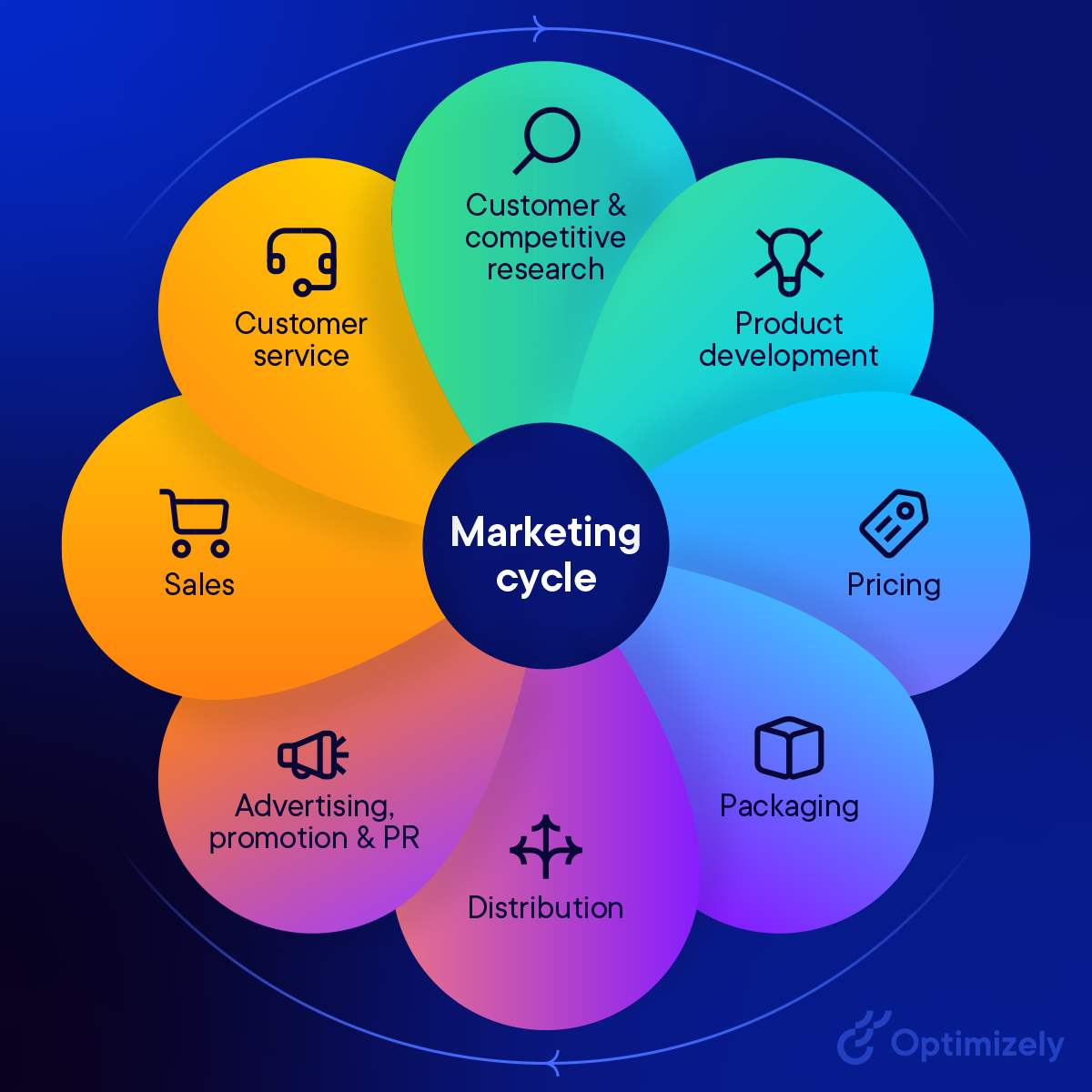
What is Marketing?
Think about your favorite local business How do they attract customers? What makes you trust them?

Marketing Fundamentals for Small Business
Market Segmentation: Identifying your ideal customers Targeting: Focusing on specific customer groups Positioning: How you want customers to see your business Building relationships, not just making sales

Traditional vs. Ethical Marketing Approaches
{"left":"Traditional: Focus on profit maximization\nTraditional: Aggressive sales tactics\nTraditional: Limited transparency","right":"Ethical: Focus on customer value and community benefit\nEthical: Honest, transparent communication\nEthical: Long-term relationship building"}

Small Business Marketing Strategies
Social Media Engagement: Building authentic online communities Word-of-Mouth: Encouraging satisfied customers to share Local Advertising: Community newspapers, radio, events Community Involvement: Sponsoring local causes and events Content Marketing: Sharing valuable information with customers
Biblical Wisdom for Marketing
"Let your yes be yes, and your no be no" - Matthew 5:37 Truth and honesty in all business communications Building trust through consistent, reliable service

Create Your Ethical Marketing Plan
Work in groups of 2-3 students Choose a small business scenario from the cards provided Develop: Target customer, Marketing methods, Ethical message Present your plan to the class

Key Takeaways: Marketing with Purpose
Ethical marketing builds long-term customer relationships Small businesses thrive on community trust and reputation Biblical principles enhance business authenticity Your values should guide your marketing decisions Remember: Marketing is about serving others, not just selling