Solving Conflicts Respectfully Together
Learning to resolve disagreements peacefully Building stronger friendships Year 3 & 4 Health Education Lesson 3

WALT (We Are Learning To)
Learn effective conflict resolution strategies Describe at least two methods for resolving conflicts respectfully Practice using 'I' statements and active listening
What is Conflict?
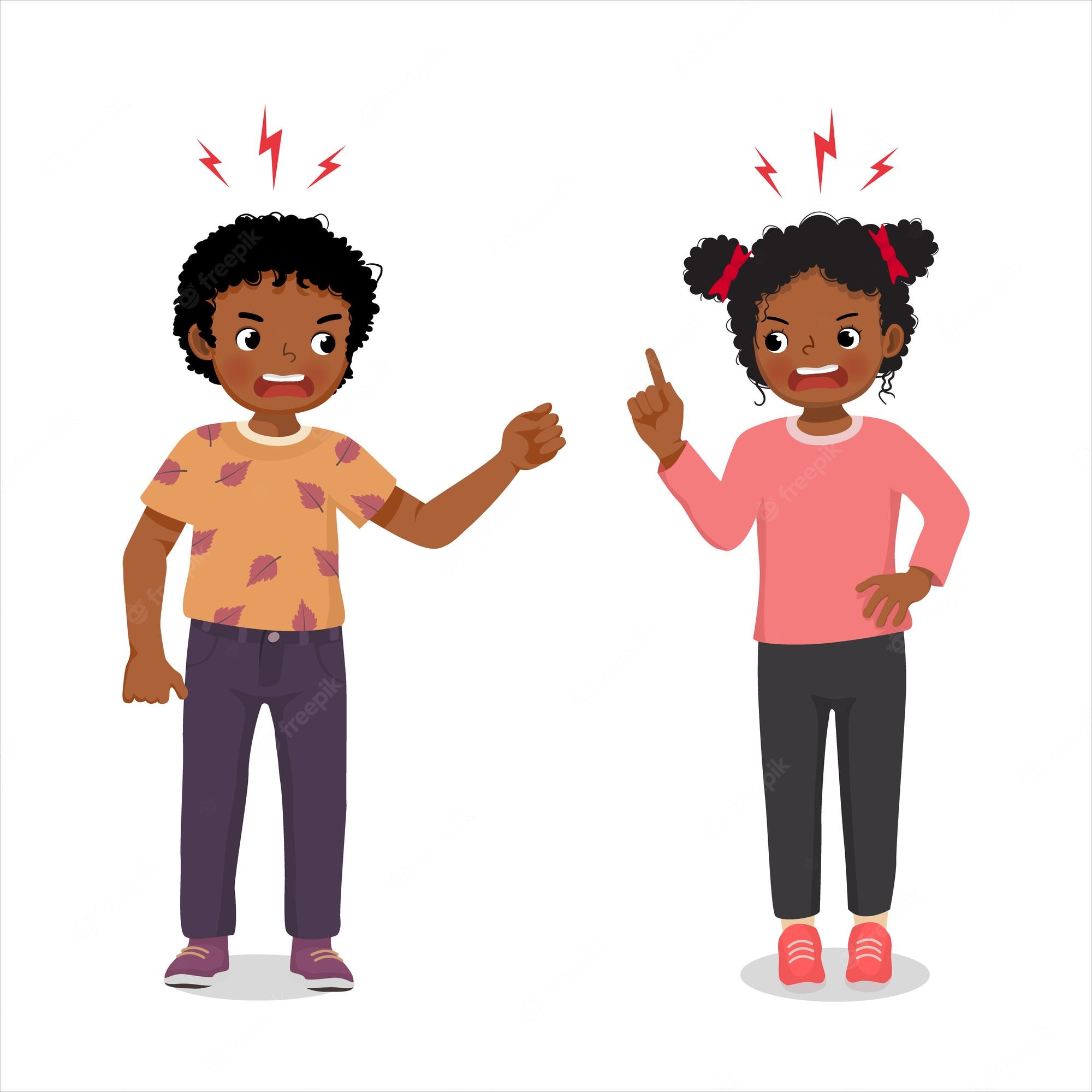
Think about a time when you disagreed with someone How did it make you feel? What happened next?
Strategy 1: Use 'I' Statements
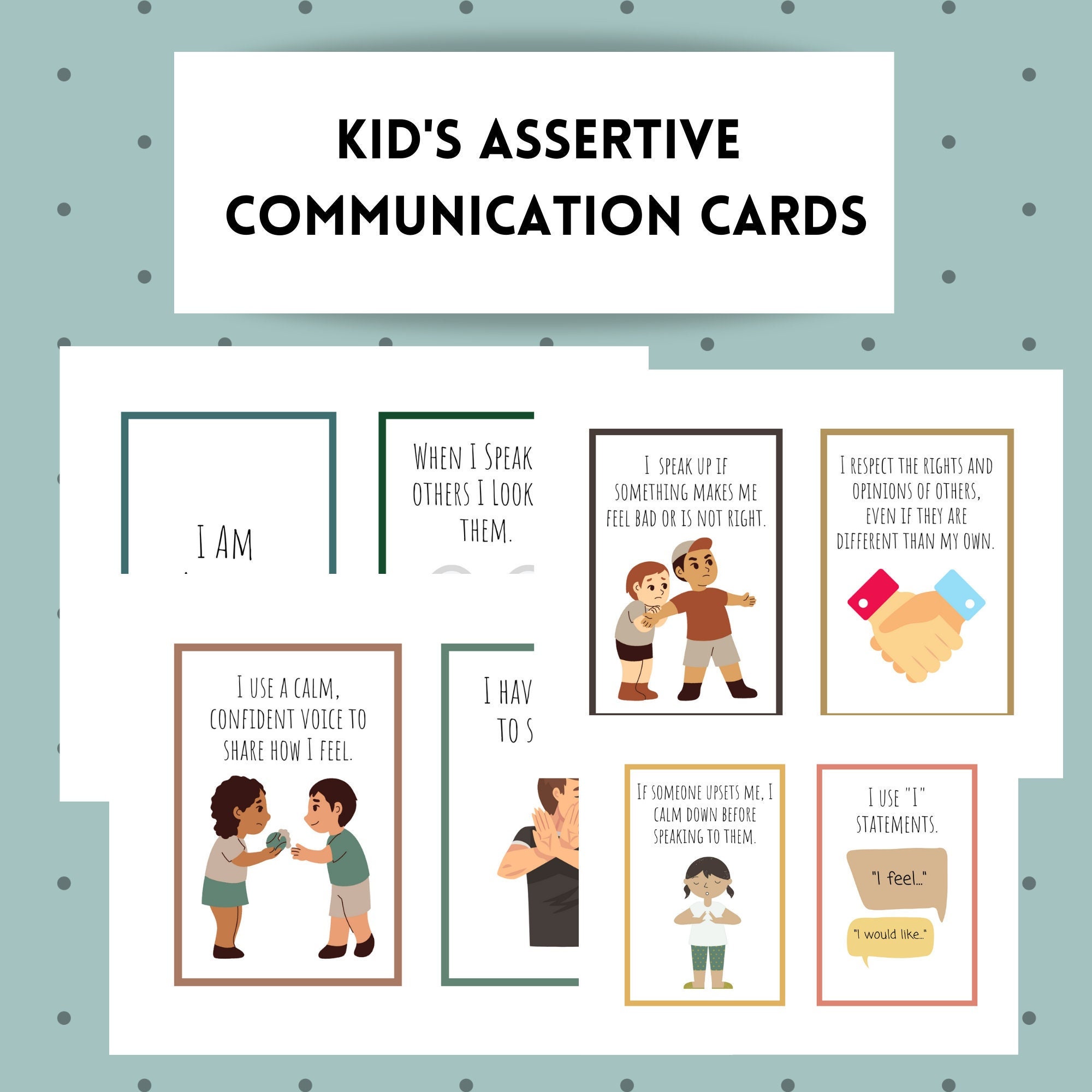
Say how YOU feel, not what the other person did wrong Example: 'I feel sad when my toy is taken' instead of 'You always steal my things' 'I feel...' + 'when...' + 'because...'

Strategy 2: Take Turns Listening
One person talks while the other listens carefully No interrupting or arguing back Try to understand how the other person feels Then switch - the listener gets to share their side

Role-Play Practice Time!
Work in pairs Choose a conflict scenario card Practice using both strategies One person uses 'I' statements, both take turns listening

Conflict Resolution in Action
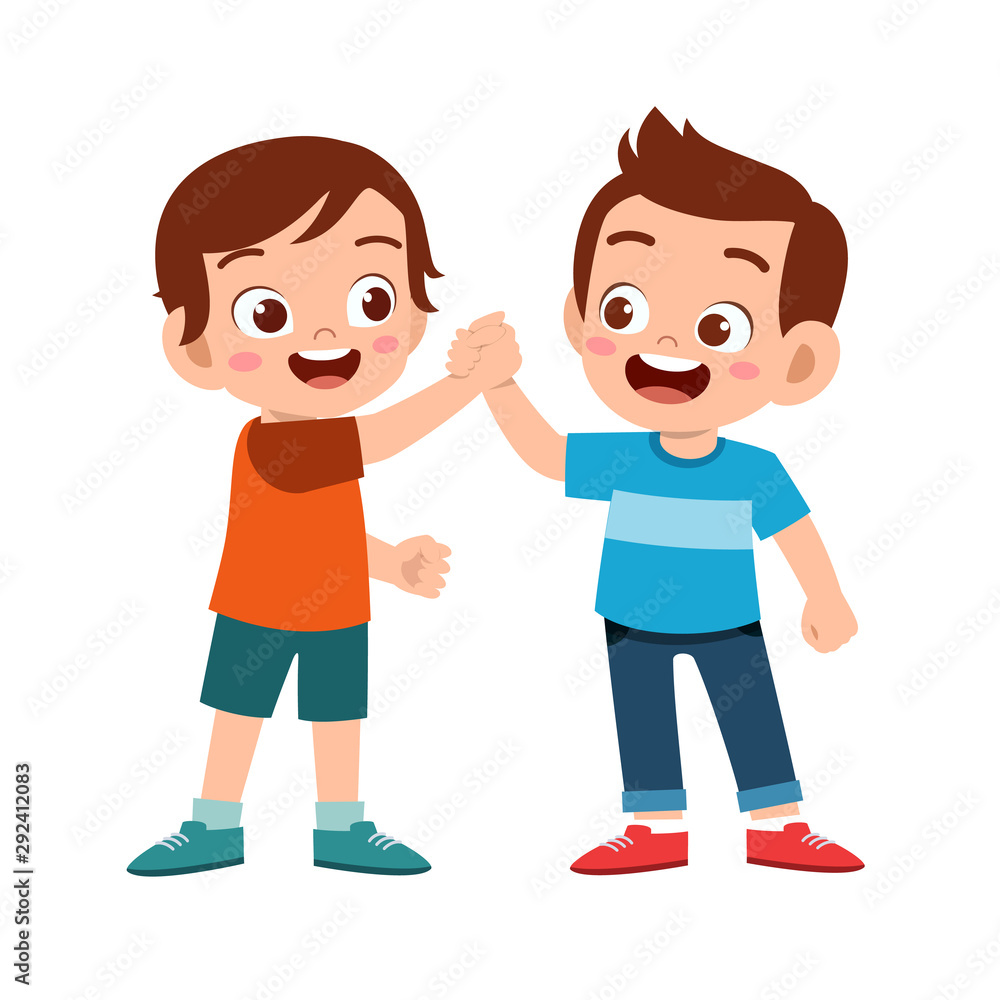
{"left":"Before: Angry voices, hurt feelings, walking away mad, problems get bigger","right":"After: Calm voices, understanding feelings, working together, stronger friendships"}

Success Criteria Check
Can you name the two conflict resolution strategies? Can you give an example of an 'I' statement? Why is taking turns listening important? How do these strategies help our friendships?