
Technology's Impact on Legal Systems
Exploring Cybercrime and Digital Privacy Year 12 Social Sciences Law Reform in a Dynamic Society

How Technology Changed Law Enforcement
Digital evidence collection and analysis Electronic surveillance capabilities DNA databases and forensic technology Body cameras and digital recording Automated license plate recognition Social media monitoring and investigation

Think About It
How has technology changed the way crimes are committed and investigated? What new challenges do police face in the digital age?
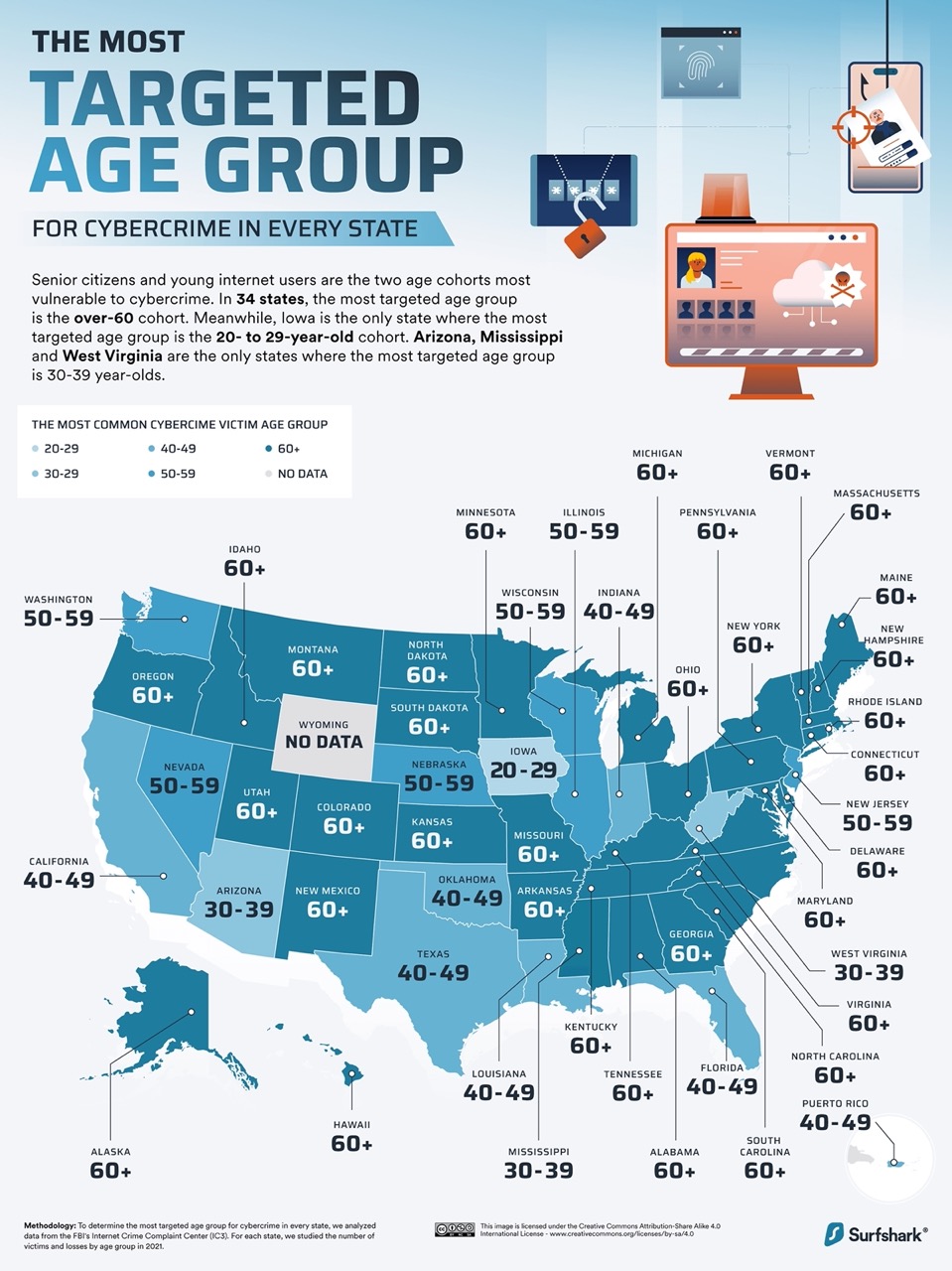
The Rise of Cybercrime
Identity theft and financial fraud Hacking and data breaches Online scams and phishing Cyberbullying and harassment Intellectual property theft Ransomware attacks on businesses and government

Digital Privacy: Rights vs Security
{"left":"Government surveillance programs\nCorporate data collection\nLocation tracking and monitoring\nPersonal information protection laws","right":"National security considerations\nIndividual privacy expectations\nData retention requirements\nEncryption and communication privacy"}

Case Study Analysis
Group A: Analyze a cybercrime case Group B: Examine a digital privacy issue Identify legal challenges Suggest potential reforms Present findings to class

Legal System Adaptation
"The law must evolve as quickly as technology advances, or it risks becoming irrelevant in protecting citizens' rights and maintaining social order."

Future Challenges and Reforms
Artificial intelligence and automated decisions Cryptocurrency and digital payments International cooperation on cybercrime Training for legal professionals Updating evidence laws for digital age Protecting vulnerable populations online