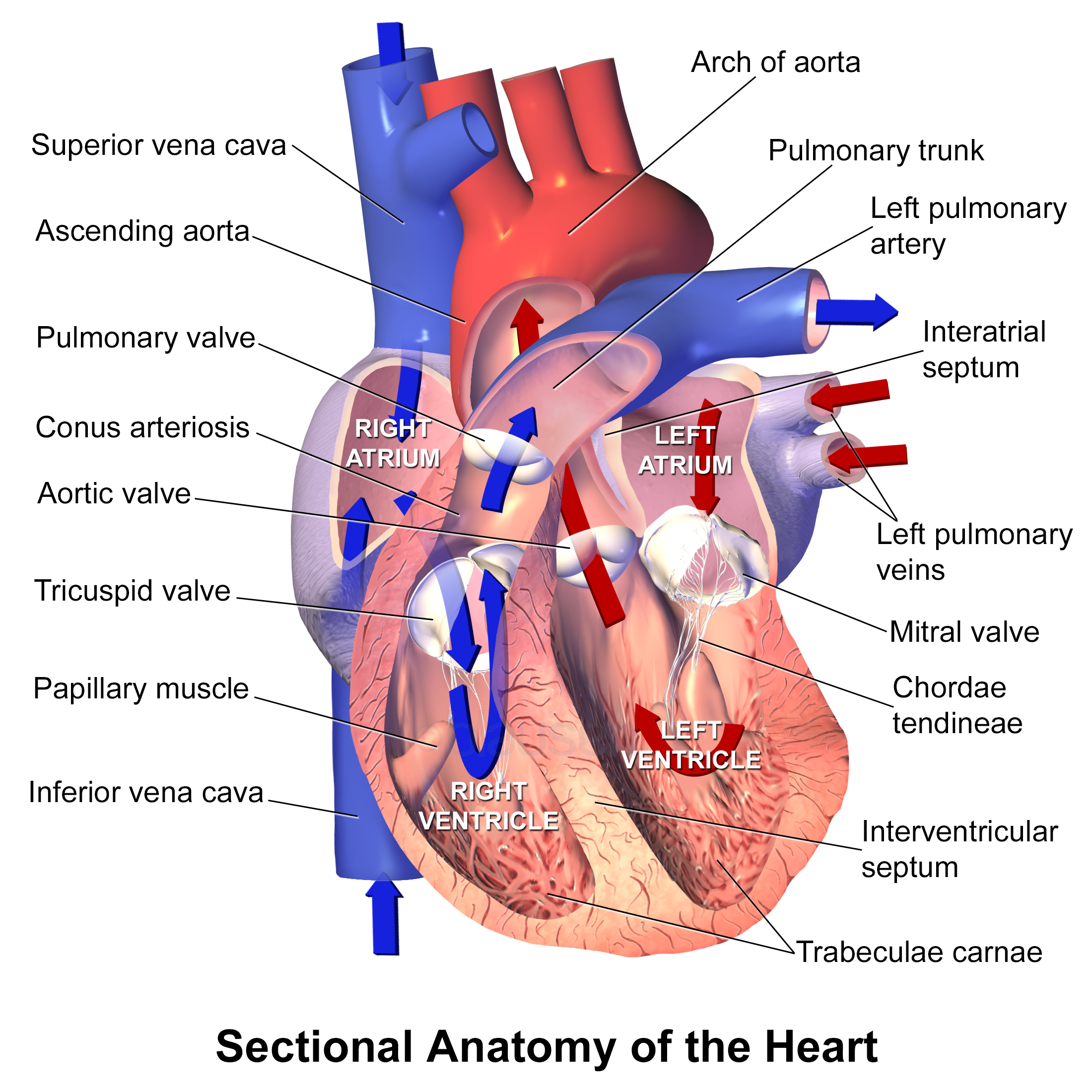
The Heart: Your Body's Pump
Understanding the Circulatory System Year 8 Biology Australian Curriculum

What do you already know?
How many times does your heart beat per day? What does blood carry around your body? Why do you think your heart never gets tired?
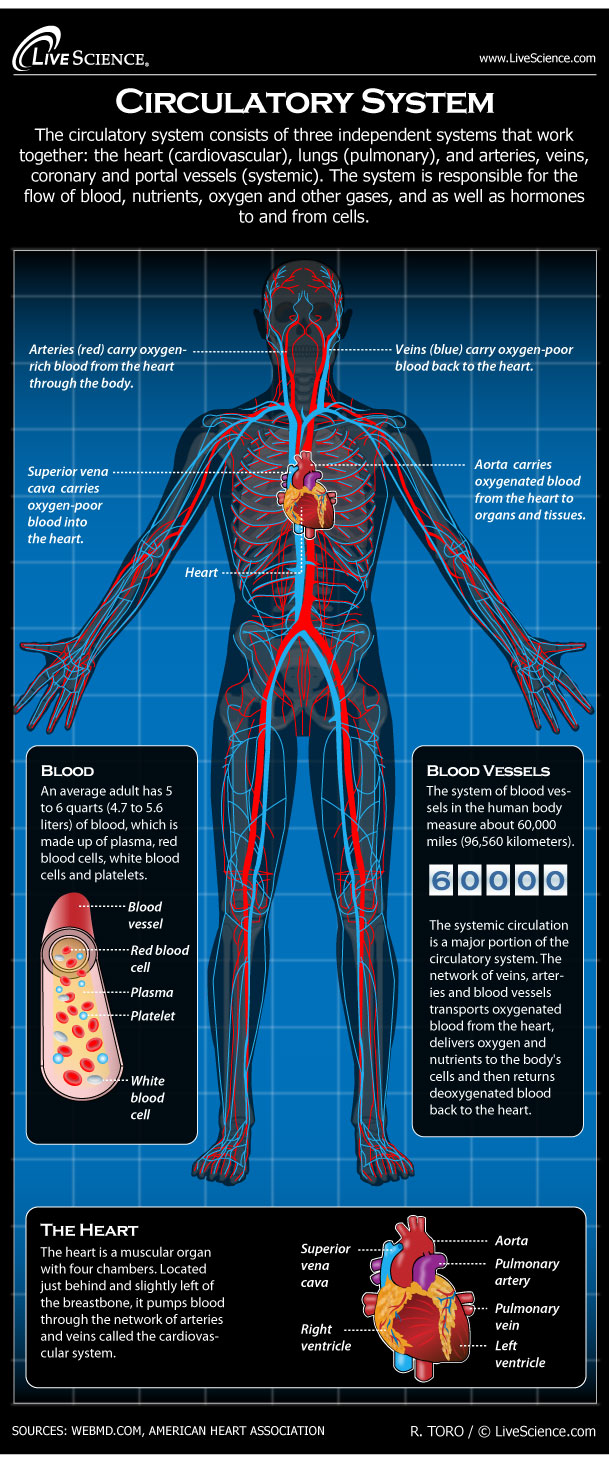
The Circulatory System Overview
Network of blood vessels throughout your body Heart acts as the central pump Blood carries oxygen, nutrients, and waste Works 24/7 without rest

Meet Your Heart
Size of your closed fist Located slightly left of center in chest Weighs about 300-400 grams Made of special cardiac muscle
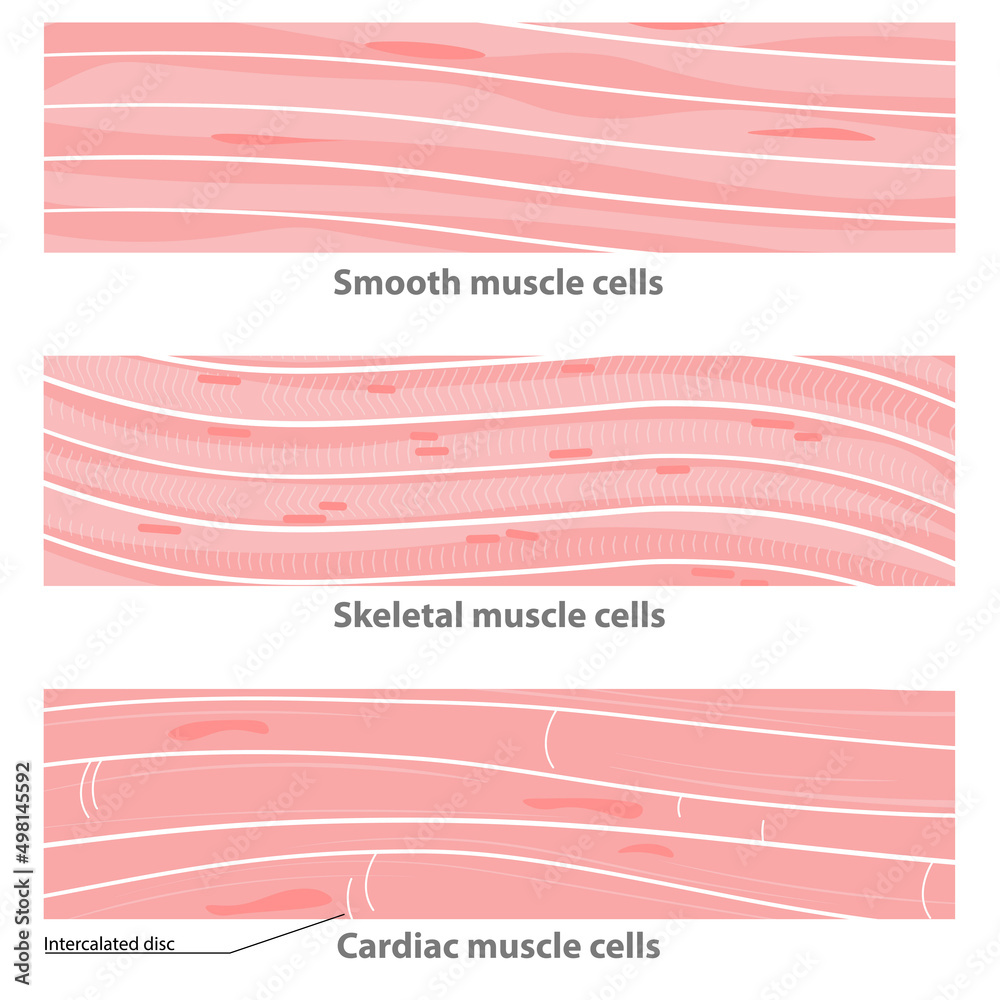
Heart vs. Other Muscles
{"left":"Cardiac muscle never stops working\nHas its own electrical system\nContracts automatically\nSelf-repairing","right":"Skeletal muscle gets tired\nNeeds nerve signals to contract\nCan be controlled voluntarily\nNeeds rest periods"}
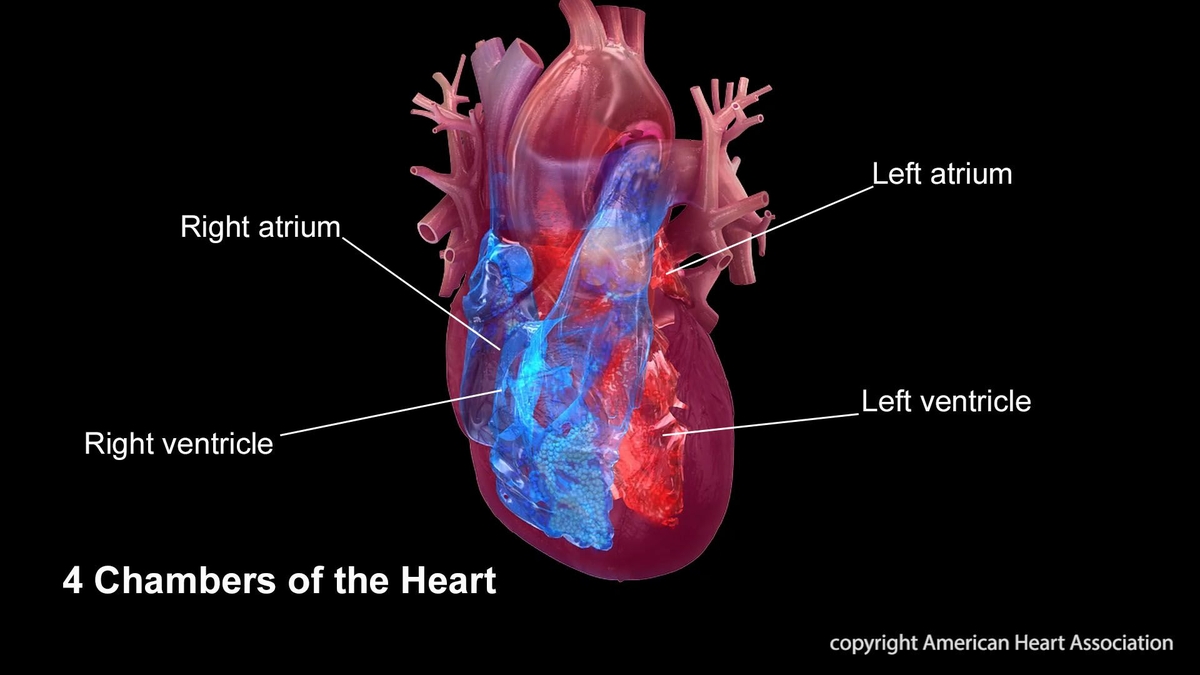
Four Chambers of the Heart
Right atrium - receives deoxygenated blood Right ventricle - pumps blood to lungs Left atrium - receives oxygenated blood Left ventricle - pumps blood to body
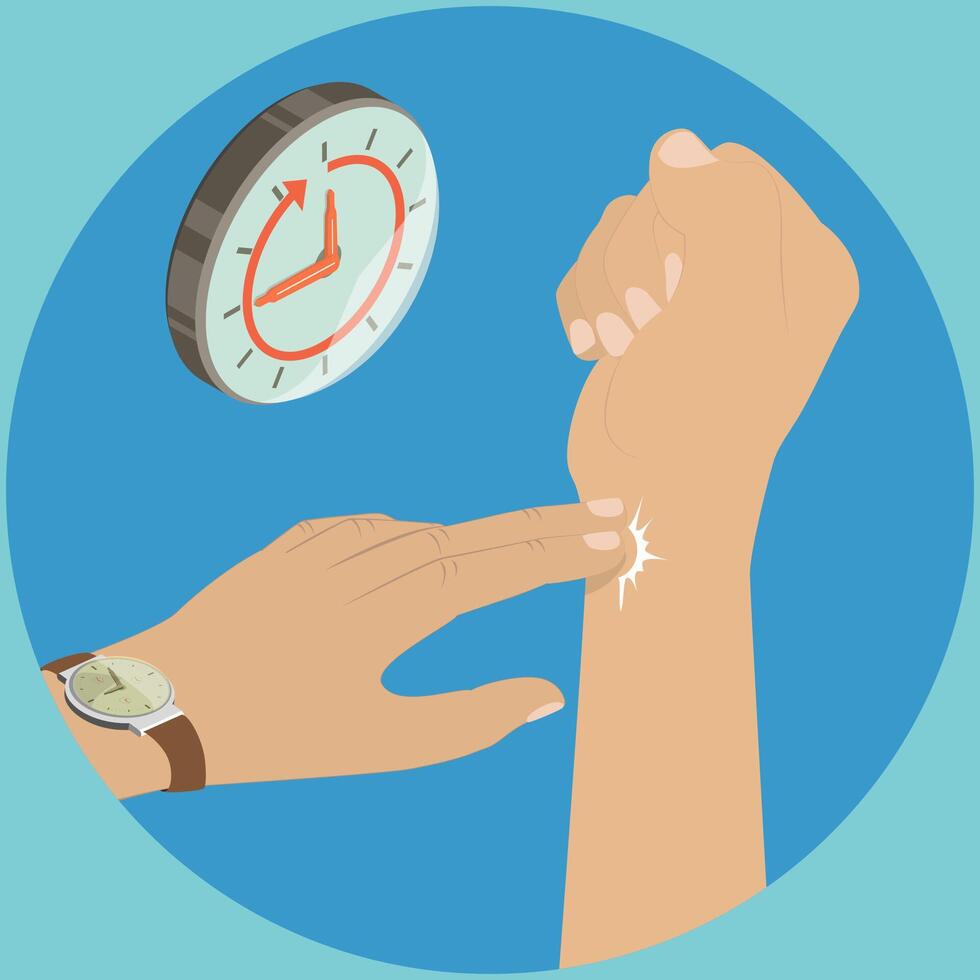
Heart Rate Investigation
Find your pulse at wrist or neck Count beats for 15 seconds Multiply by 4 for beats per minute Record your resting heart rate Compare with classmates

Blood Flow Through the Heart
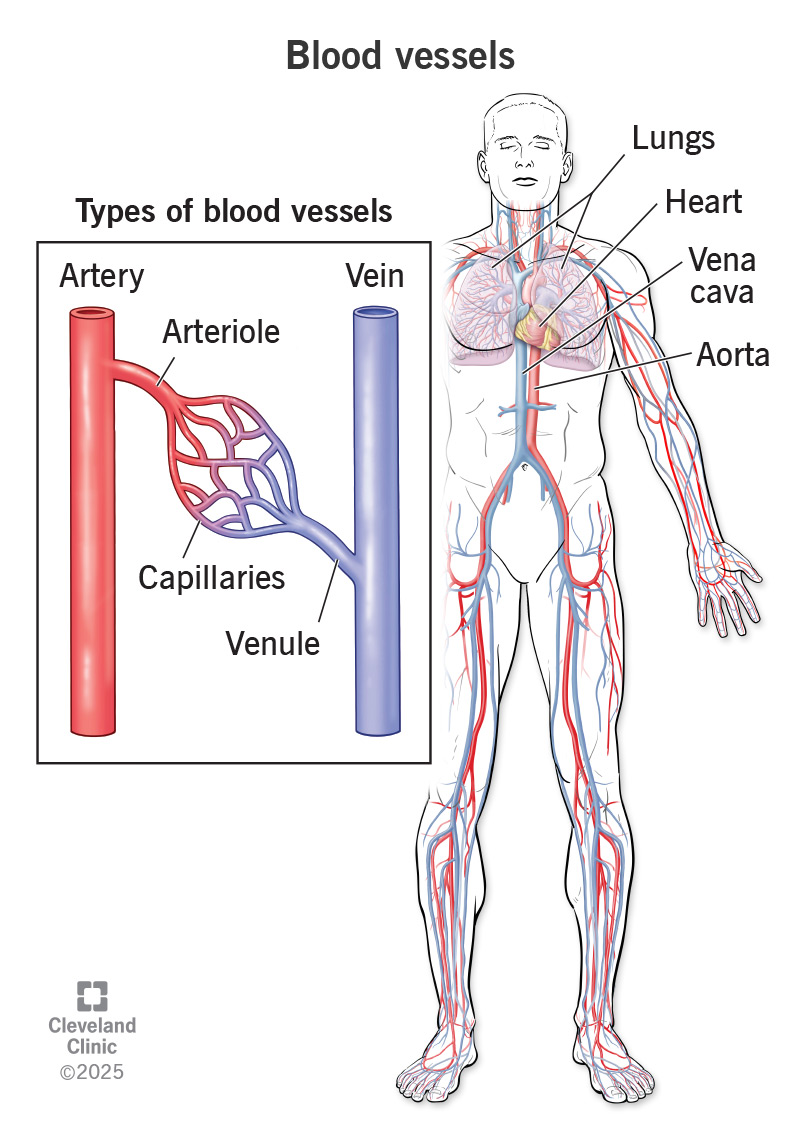
Types of Blood Vessels
Arteries - carry blood away from heart Veins - carry blood back to heart Capillaries - tiny vessels for gas exchange Each type has different structure and function
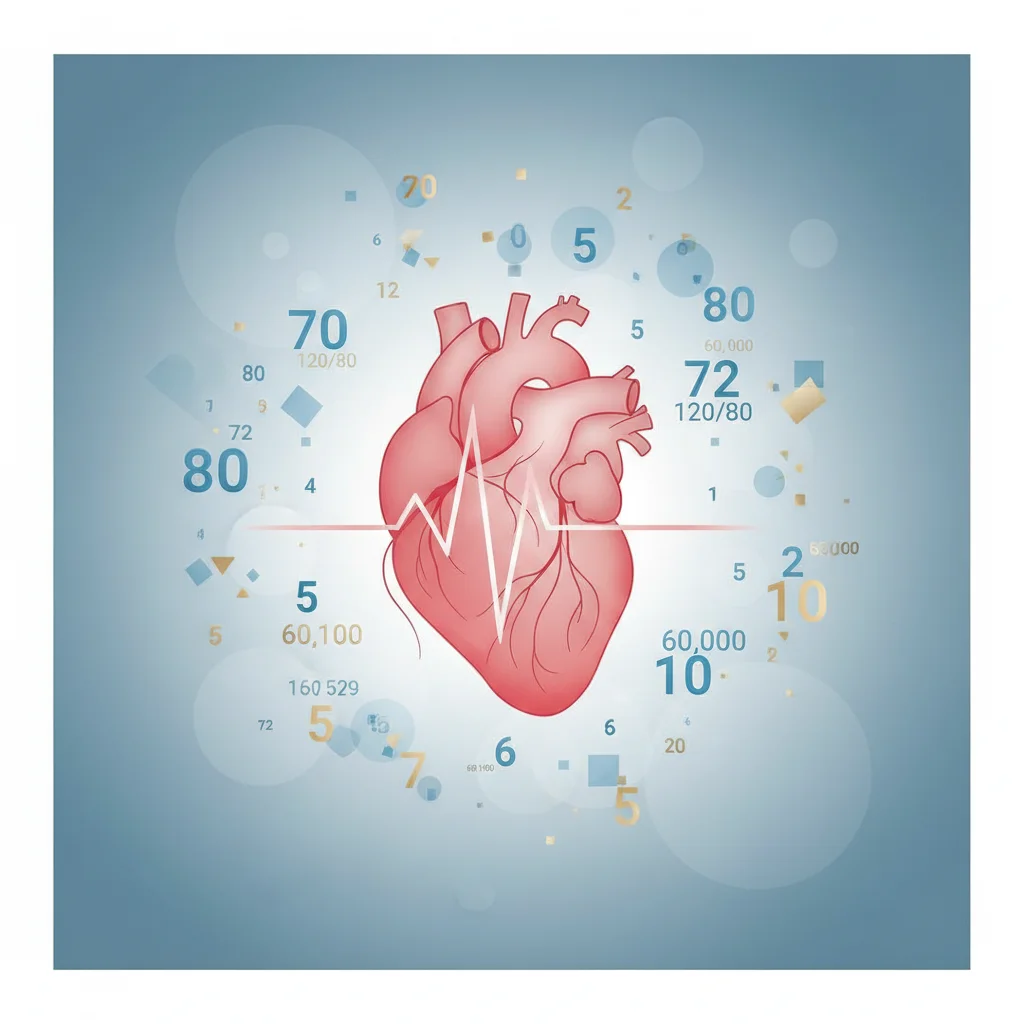
Amazing Heart Facts
Your heart beats approximately 100,000 times per day and pumps about 7,500 litres of blood through your body!
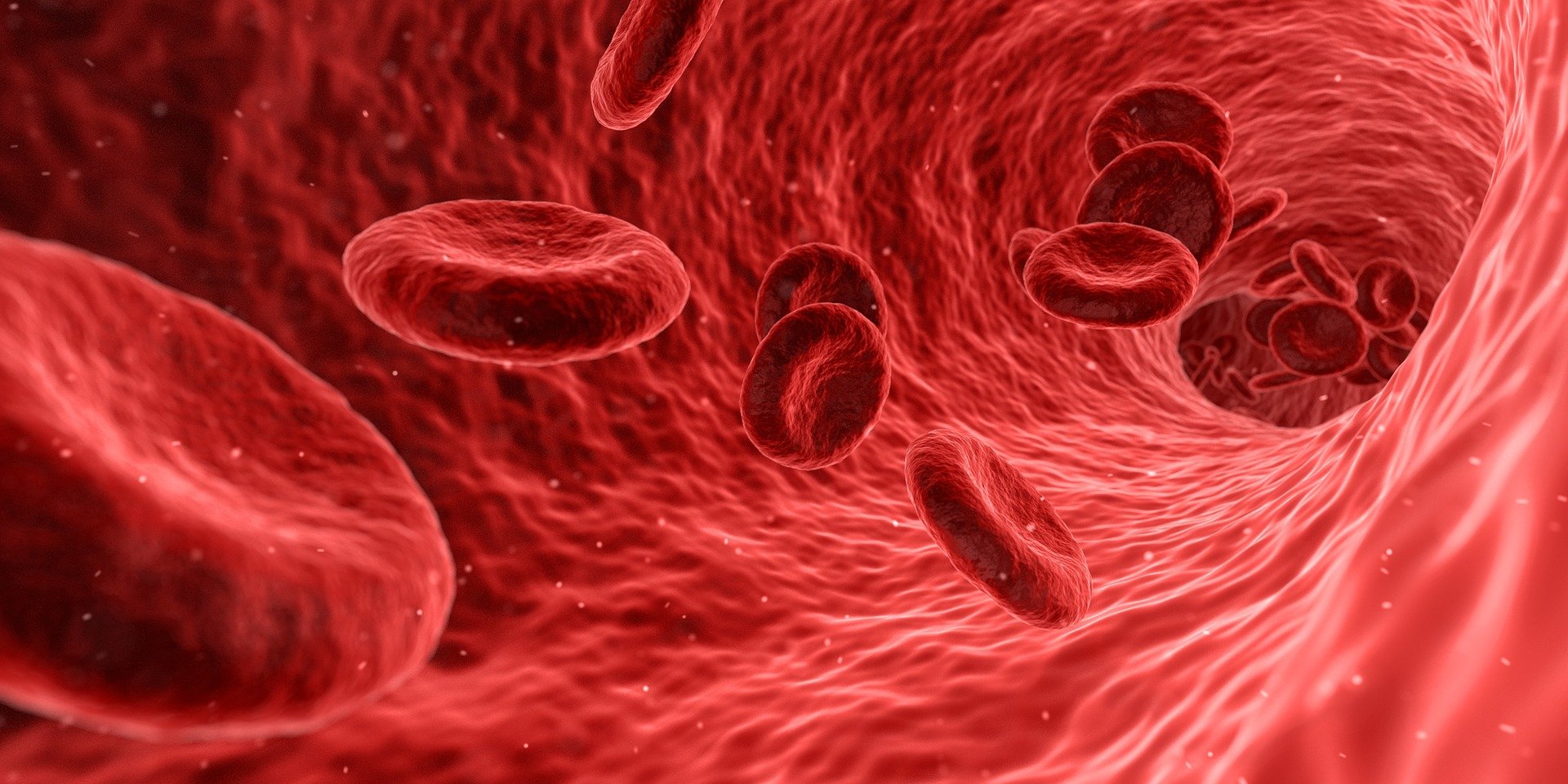
What Blood Carries
Oxygen from lungs to body cells Carbon dioxide from cells to lungs Nutrients from digestive system Waste products to kidneys Hormones and immune cells
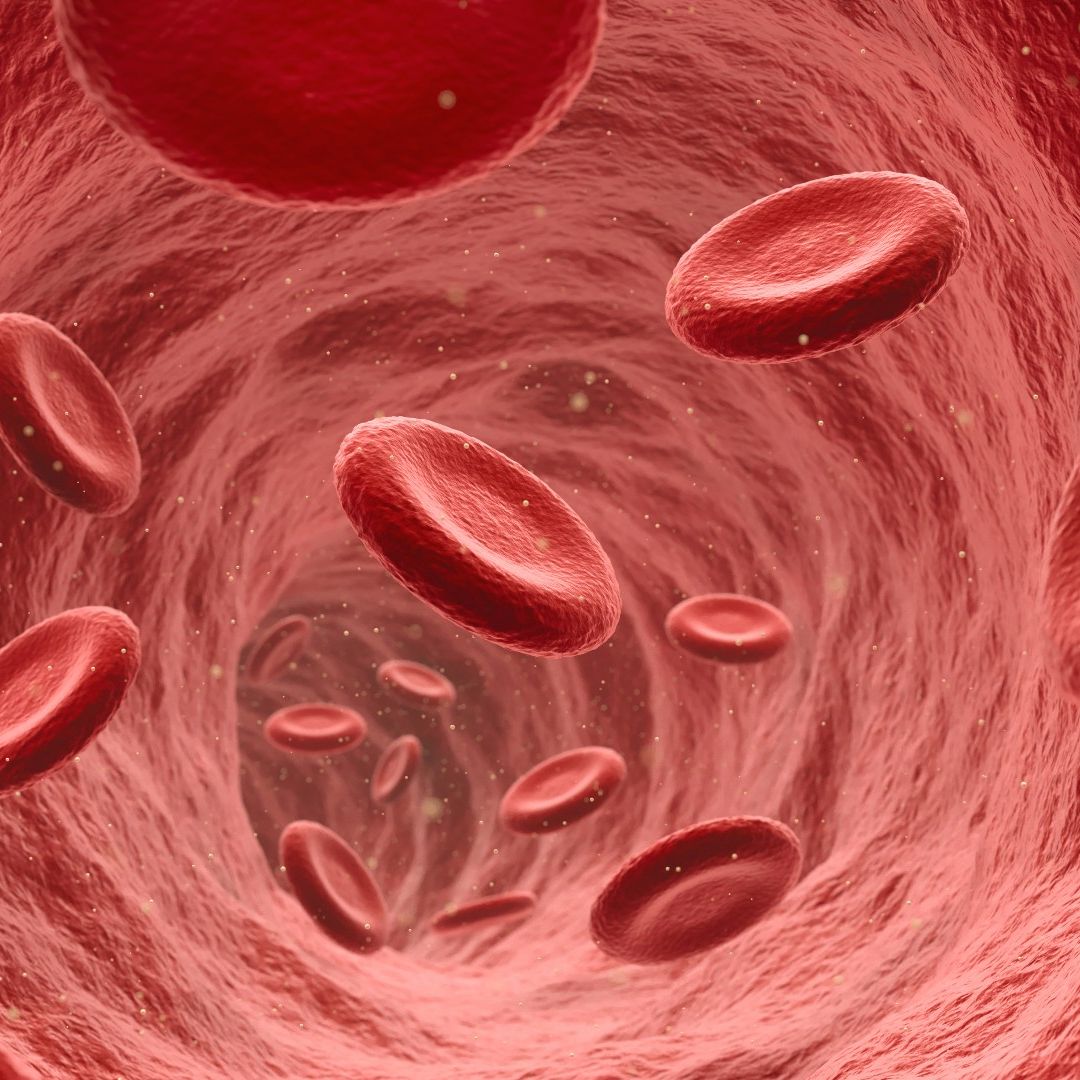
Oxygenated vs Deoxygenated Blood
{"left":"Bright red color\nHigh in oxygen\nFound in arteries (except pulmonary)\nJust left the lungs","right":"Dark red color\nLow in oxygen\nFound in veins (except pulmonary)\nReturning to lungs"}
8 more slides available after you open the deck.
Download all 20 slides