
Trusted Adults and Help-Seeking Strategies
Year 4 Health Education Learning to identify when and where to seek help

WALT - We Are Learning To
Recognize when to seek help Identify trusted adults to ask for help Understand that asking for help is brave and smart

Think and Share
Can you think of times when you might need help? Who do you usually ask when you need help?

Who Are Trusted Adults?
{"left":"Parents and family members\nTeachers and school staff\nSchool nurses\nPolice officers","right":"Doctors and healthcare workers\nClose family friends\nSchool counselors\nEmergency services workers"}
When Should We Ask for Help?
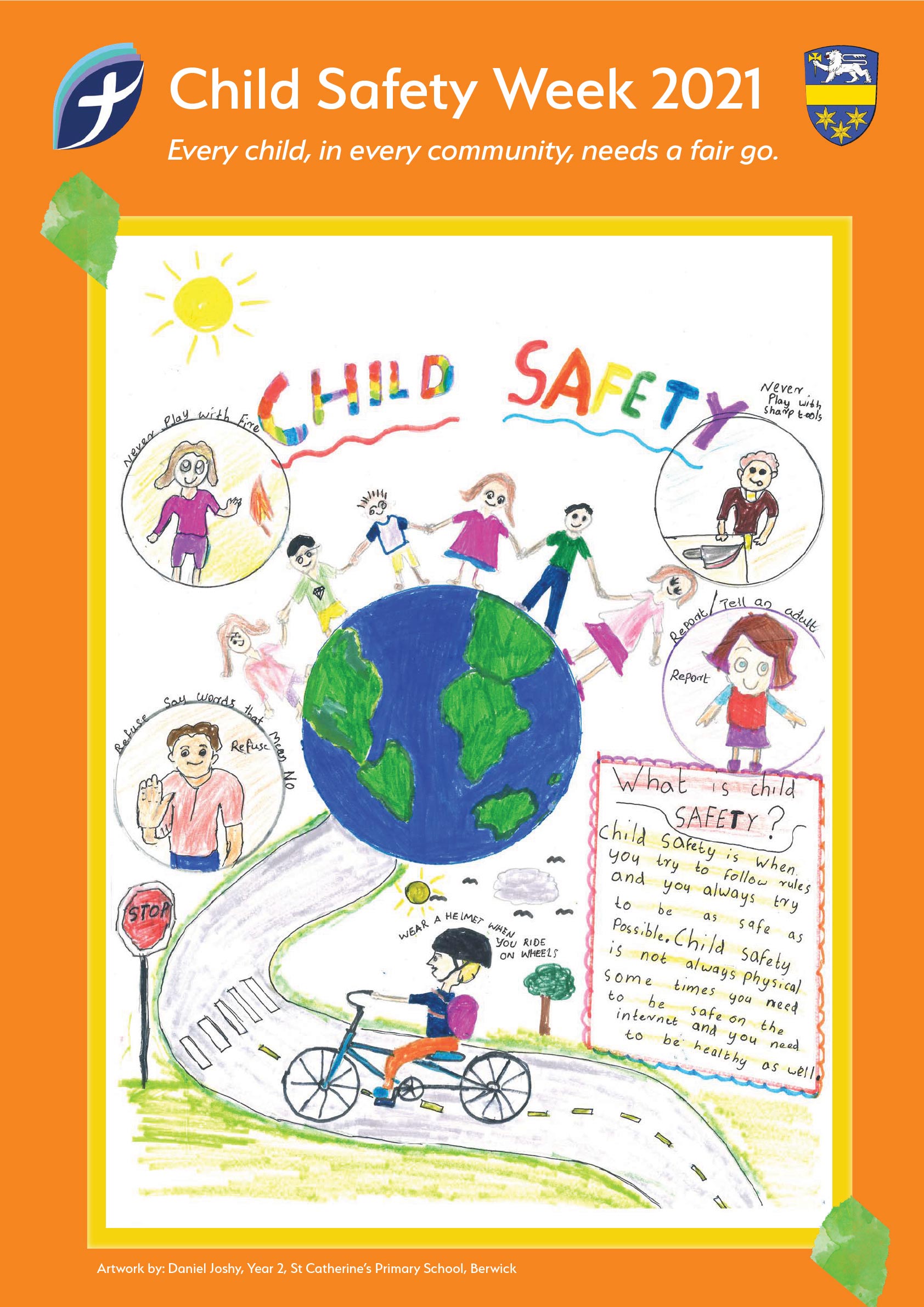
When we feel scared or unsafe If we or someone else is hurt or injured When we feel very sad, worried, or confused If we're lost or can't find our way When someone is being mean or bullying us If we see something that doesn't seem right

Help-Seeking Chart Activity
Draw or write about your trusted adults Match situations with the right person to ask Think about when you might need help Share your ideas with a partner
Remember
Asking for help is brave and smart! Trusted adults are here to keep us safe It's always okay to speak up when we need help

Success Criteria - Can You
List at least three trusted adults you can ask for help? Describe three different situations when you should ask for help? Explain why asking for help is important? Feel confident about knowing where to get help?