
Understanding Consent Laws in Queensland
Year 10 Health Education Building Safe and Respectful Relationships Physical and Digital Contexts
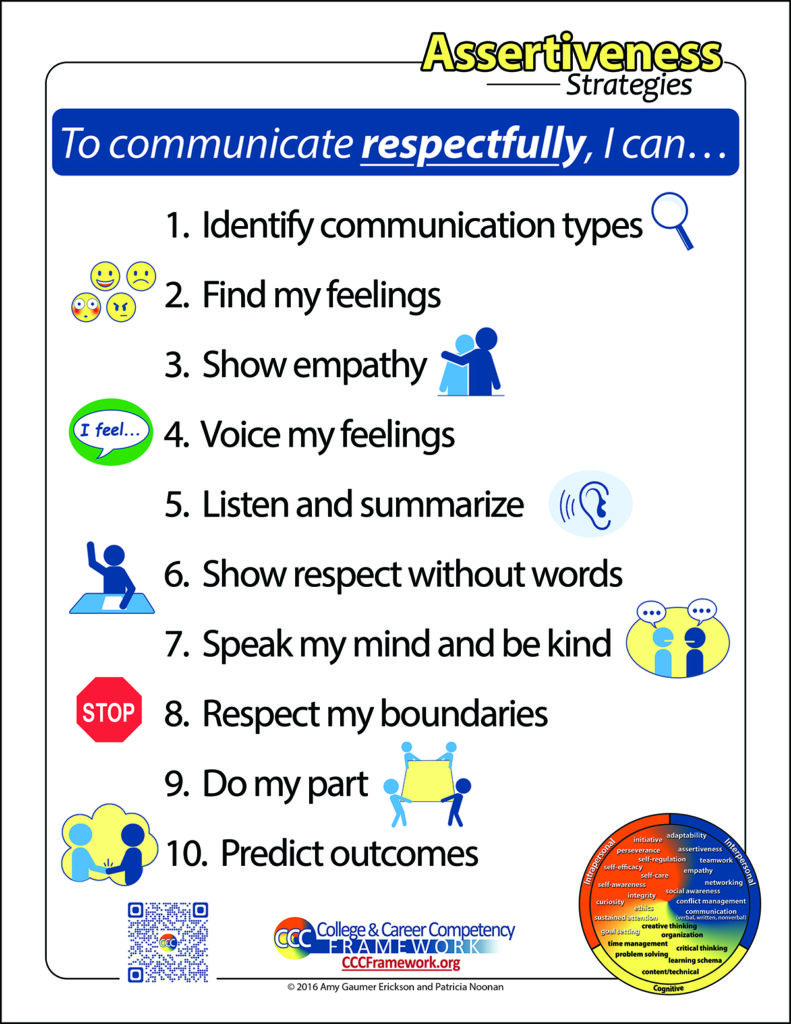
What is Consent?
Voluntary agreement to participate in an activity Must be given freely without pressure or coercion Can be withdrawn at any time Requires clear communication Both parties must understand what they're agreeing to

Queensland Consent Laws Overview

Valid Consent vs. Invalid Consent
{"left":"Clear verbal or non-verbal agreement\nBoth people are sober and aware\nNo pressure or threats involved\nBoth people are of legal age\nEither person can change their mind","right":"Silence or lack of resistance\nUnder influence of alcohol or drugs\nPressure, threats, or manipulation\nOne person is under the age of consent\nUnconscious or asleep"}
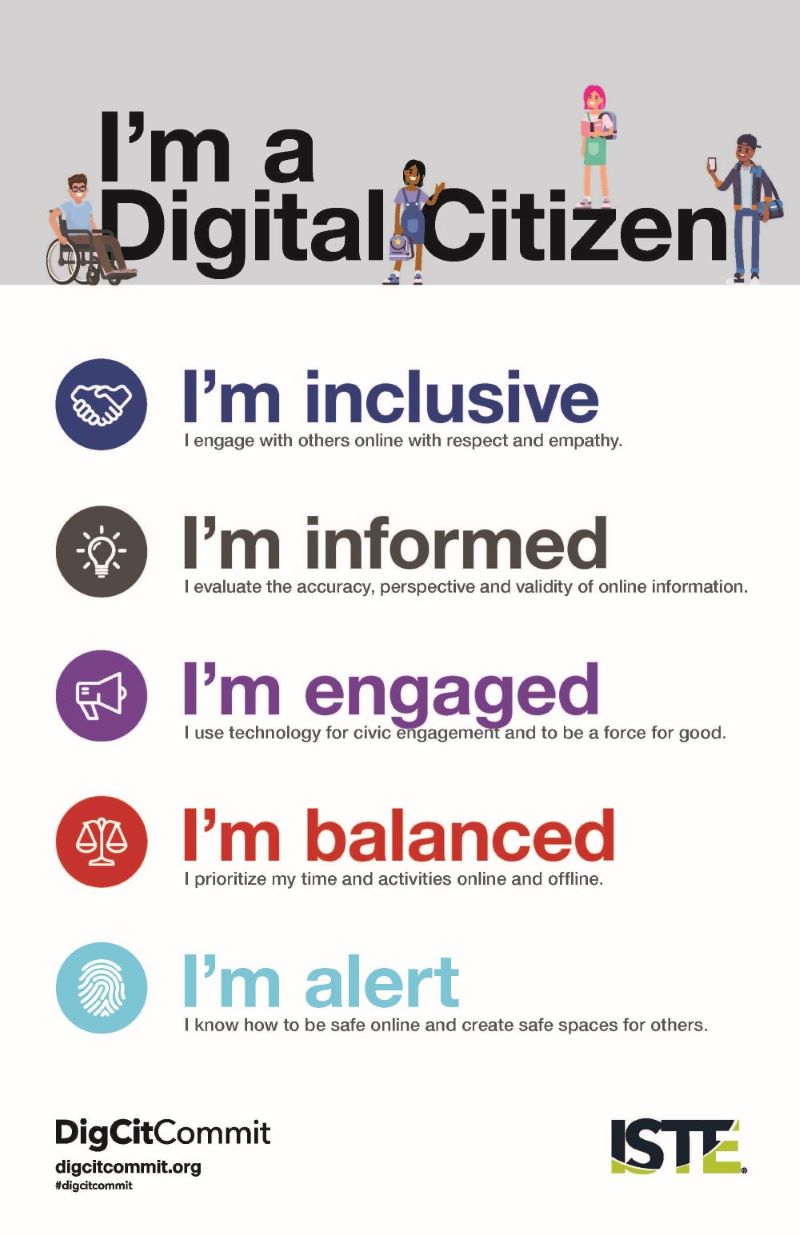
Digital Consent and Online Safety
Sharing intimate images requires explicit consent Screenshots and forwarding violate privacy Social media posts about others need permission Online harassment has real legal consequences Digital footprints are permanent

Scenario Analysis Activity
Work in groups of 4 students Analyze consent scenarios (physical and digital) Identify: Is consent present? Why or why not? Discuss legal and social consequences Prepare one-sentence summary for class

Reflection Question
How can you promote a culture of consent in your school and online communities? Think about: Communication strategies, Supporting friends, Challenging inappropriate behavior, Using technology responsibly

Key Takeaways and Support
Consent is about respect, communication, and safety Queensland laws protect everyone's rights and dignity You have the right to say no and have that respected Help is available if you or someone you know needs support School counsellors, trusted adults, and helplines are here to help