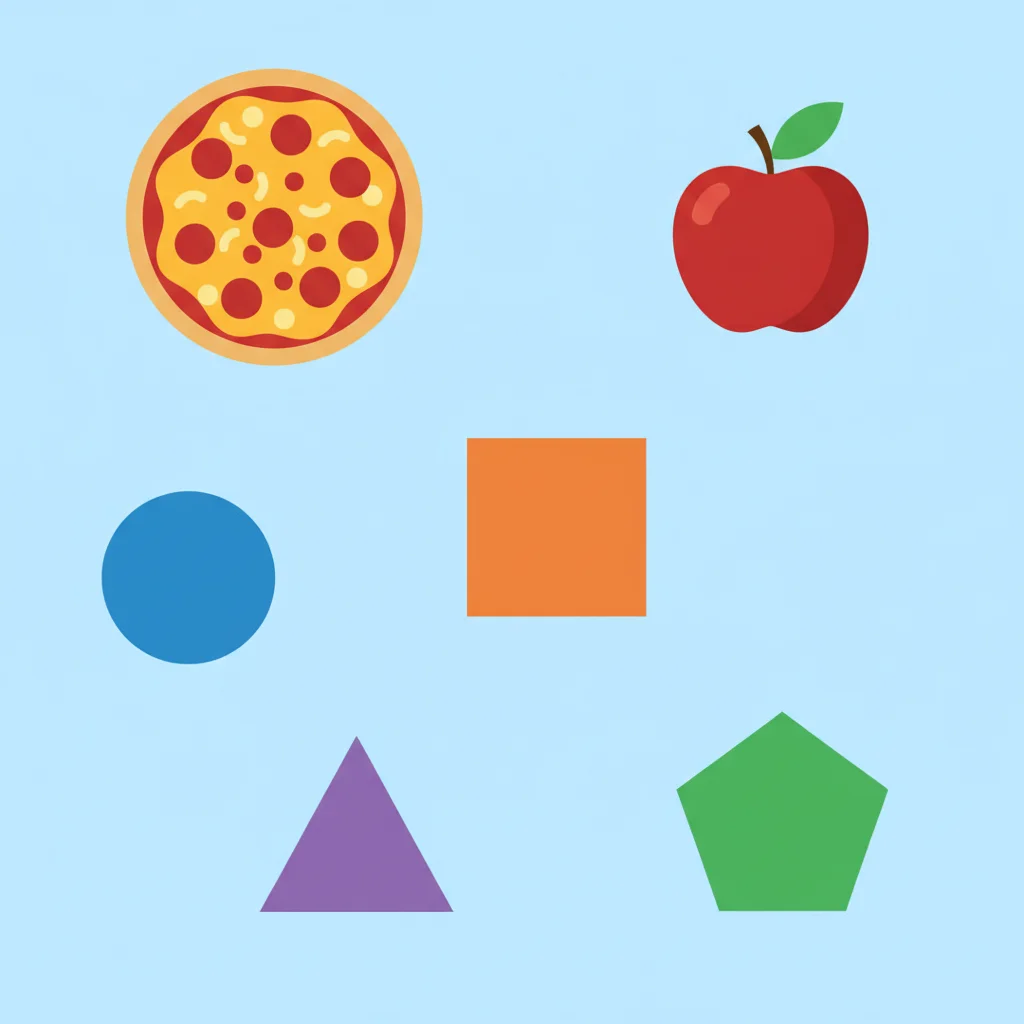
Understanding Wholes in Mathematics
Year 7 Mathematics NSW Life Skills Curriculum Exploring the concept of 'one whole'
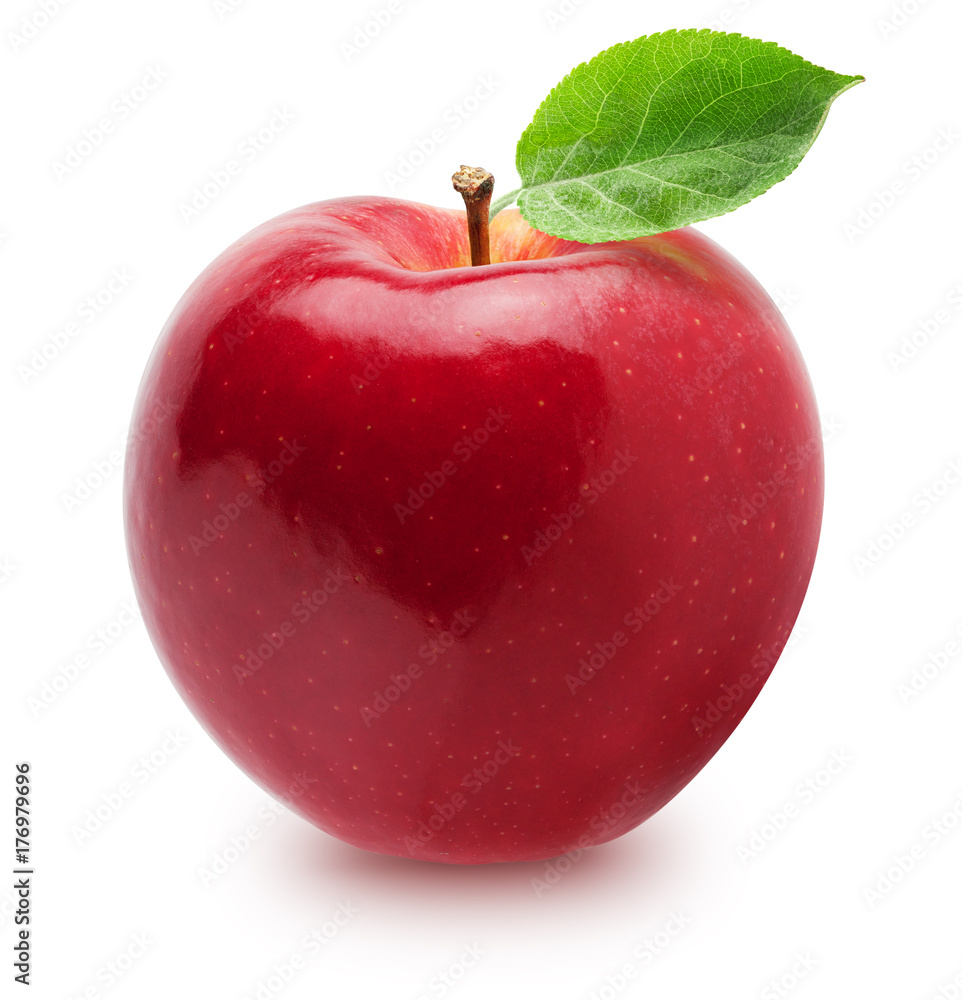
What is a Whole?
A whole is something that is complete It has all its parts together Nothing is missing or broken Examples: a complete apple, a full glass of water
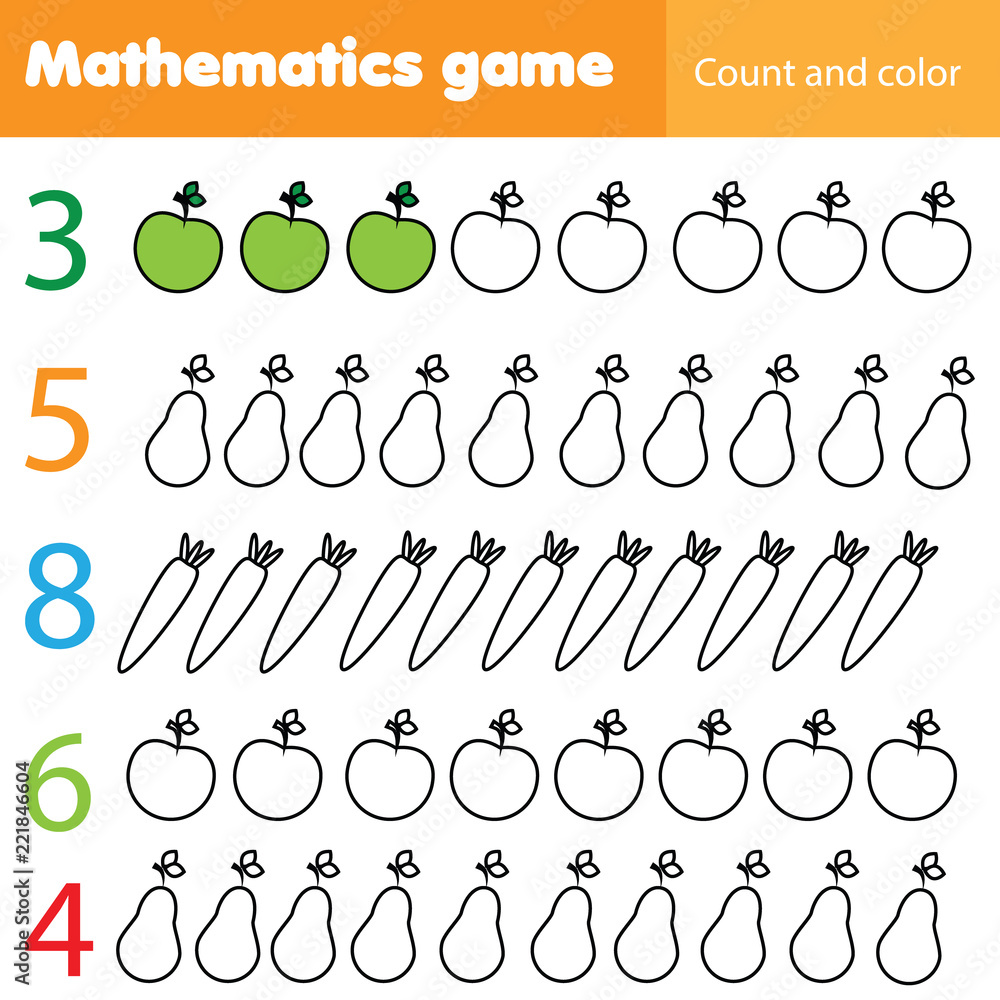
Circle the Whole
Look at the pictures on your worksheet Find the objects that show ONE WHOLE Circle only the complete shapes Remember: a whole has all its parts!
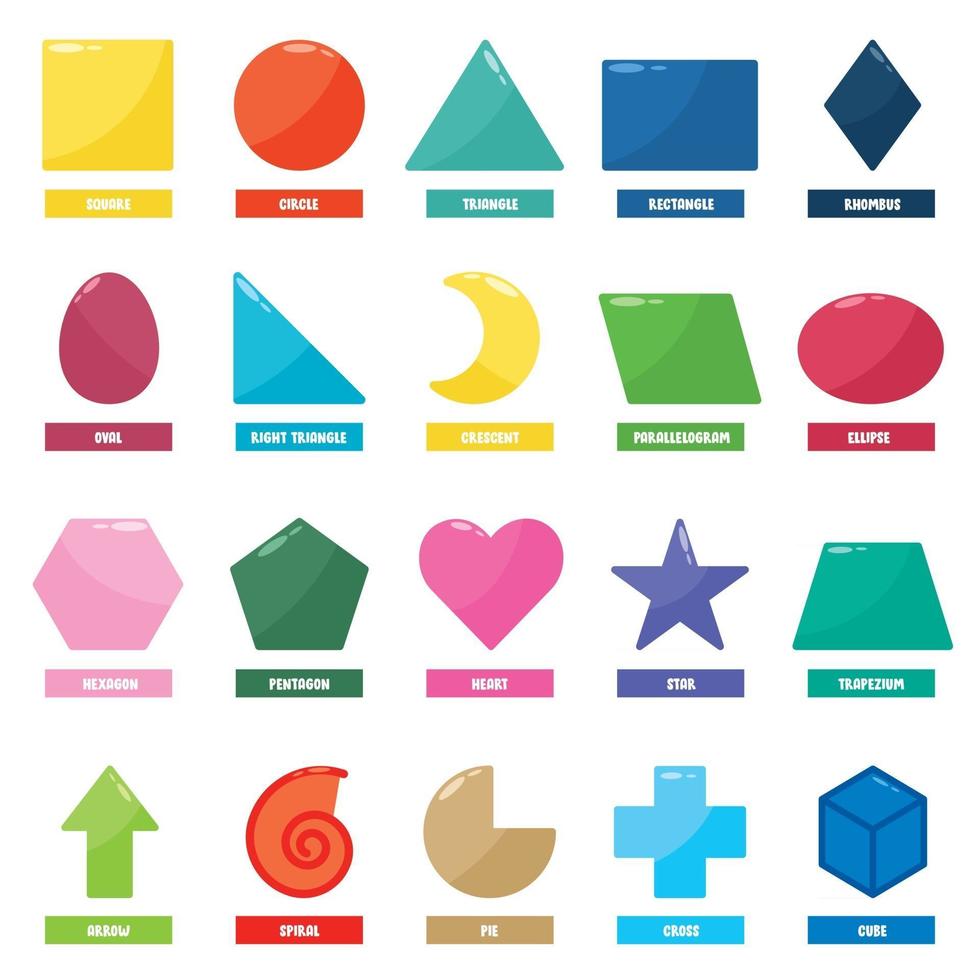
Whole Shapes in Geometry
A whole circle is round and complete A whole square has 4 equal sides A whole triangle has 3 sides that connect All sides and corners must be there
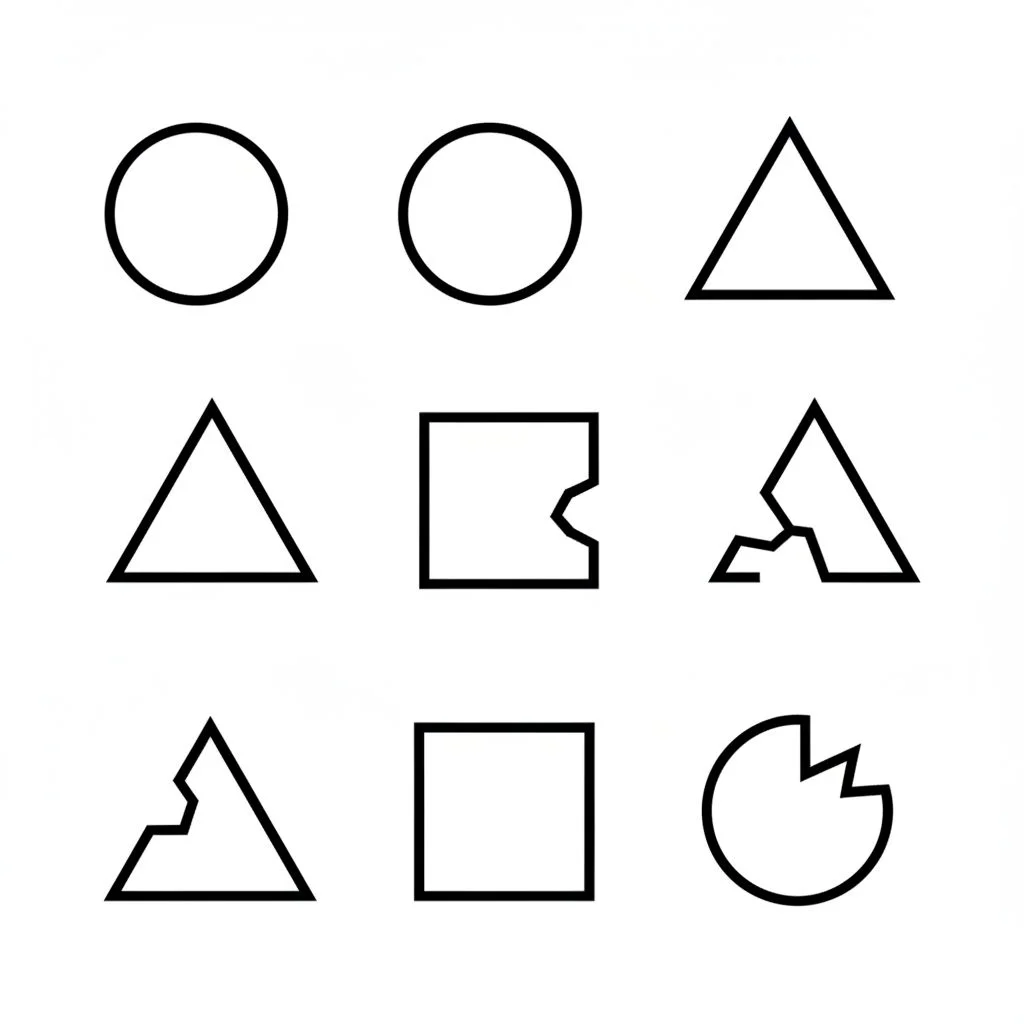
Colour One Whole Shape
Choose your favourite colour Colour in ONE COMPLETE shape Make sure you colour the entire shape Leave broken or incomplete shapes uncoloured

Whole vs. Not Whole
{"left":"Complete pizza\nBroken cookie\nFull glass of milk","right":"Apple with bite taken\nIntact balloon\nTorn piece of paper"}

Match the Word 'Whole'
Look at the word 'WHOLE' Find pictures that show one whole Draw lines to connect them Explain your choices to a partner

Using Counters to Show One Whole
Take 10 counters from your container Arrange them to make one complete group Count them: 1, 2, 3... 10 This group of 10 counters is ONE WHOLE
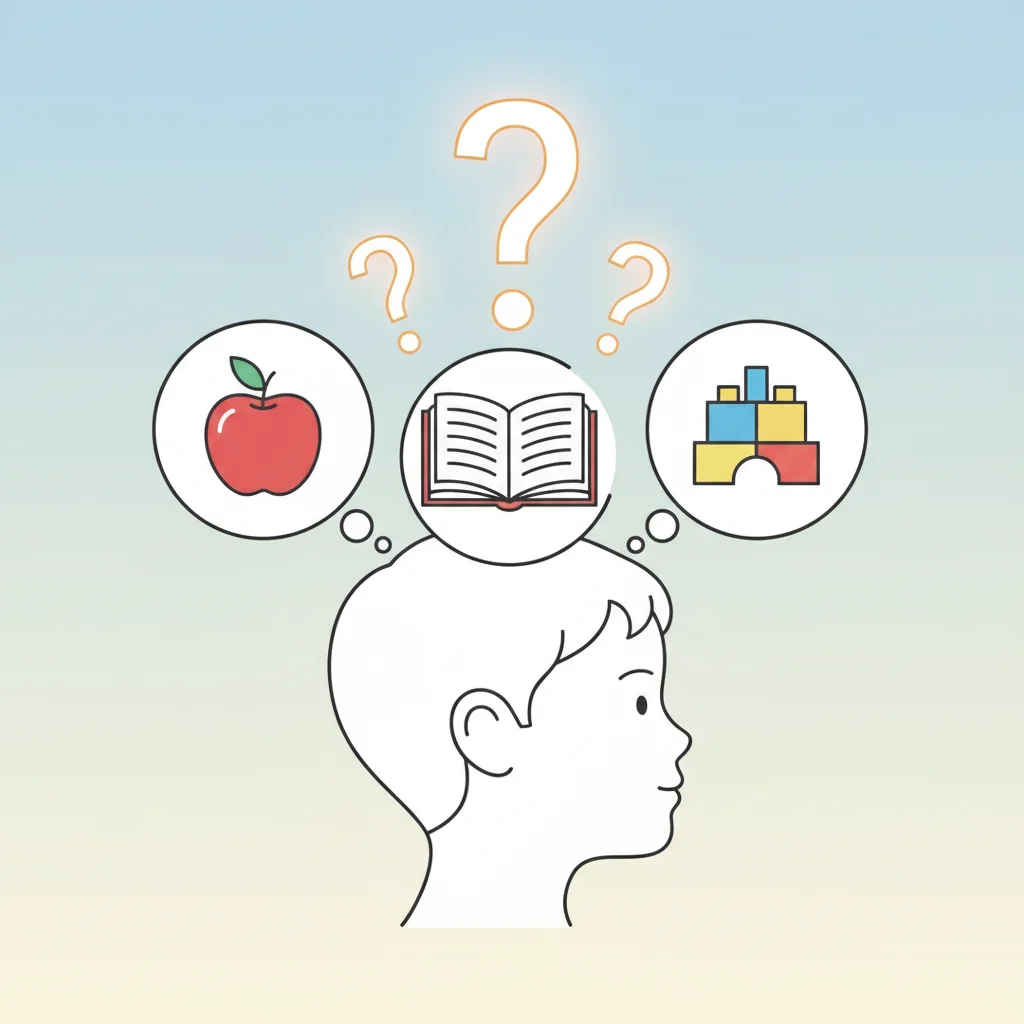
Think and Discuss
Can you think of other examples of wholes? What makes something a whole? How do you know when something is NOT whole? Share your ideas with the class
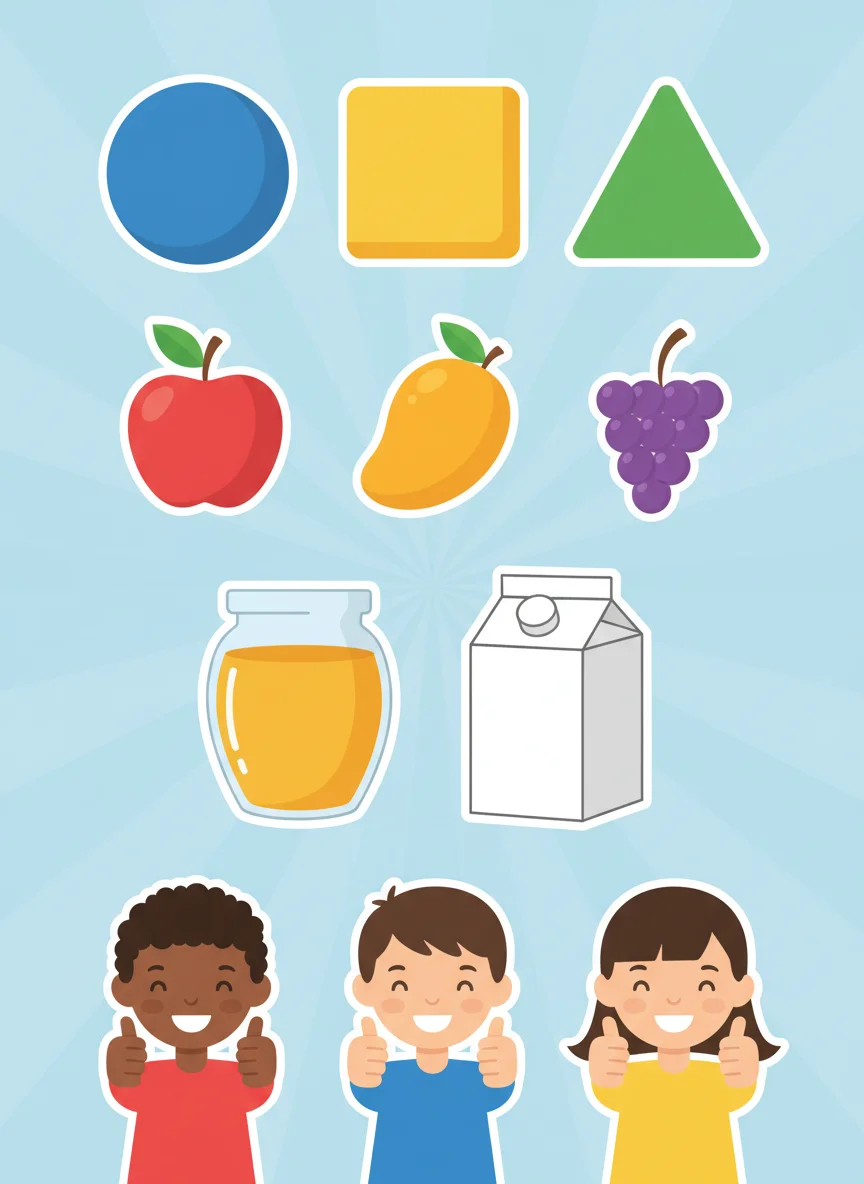
Summary: Understanding Wholes
A whole is complete - nothing missing Wholes can be objects, shapes, or groups We can identify wholes by looking carefully This helps us understand fractions later Great work learning about wholes today!