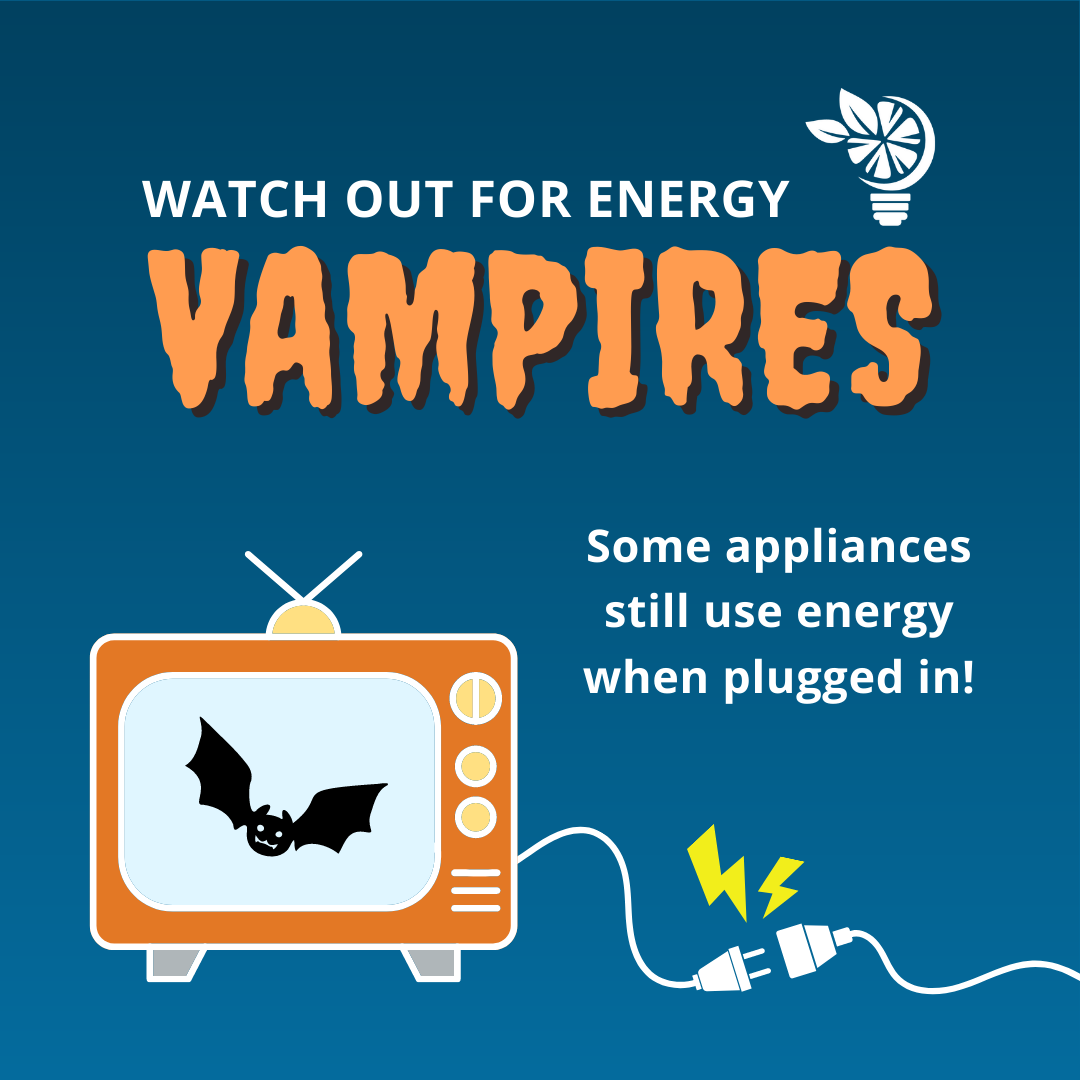
Vampire Energy: Busting Household Energy Loss
Year 8 Science Understanding Energy Transfer & Efficiency

What is Energy Loss in Your Home?
Energy enters your home as electricity and heat Not all energy gets used efficiently Some energy 'leaks' away without doing useful work Two main types: electrical vampire energy and thermal energy loss
The Hidden Energy Thief
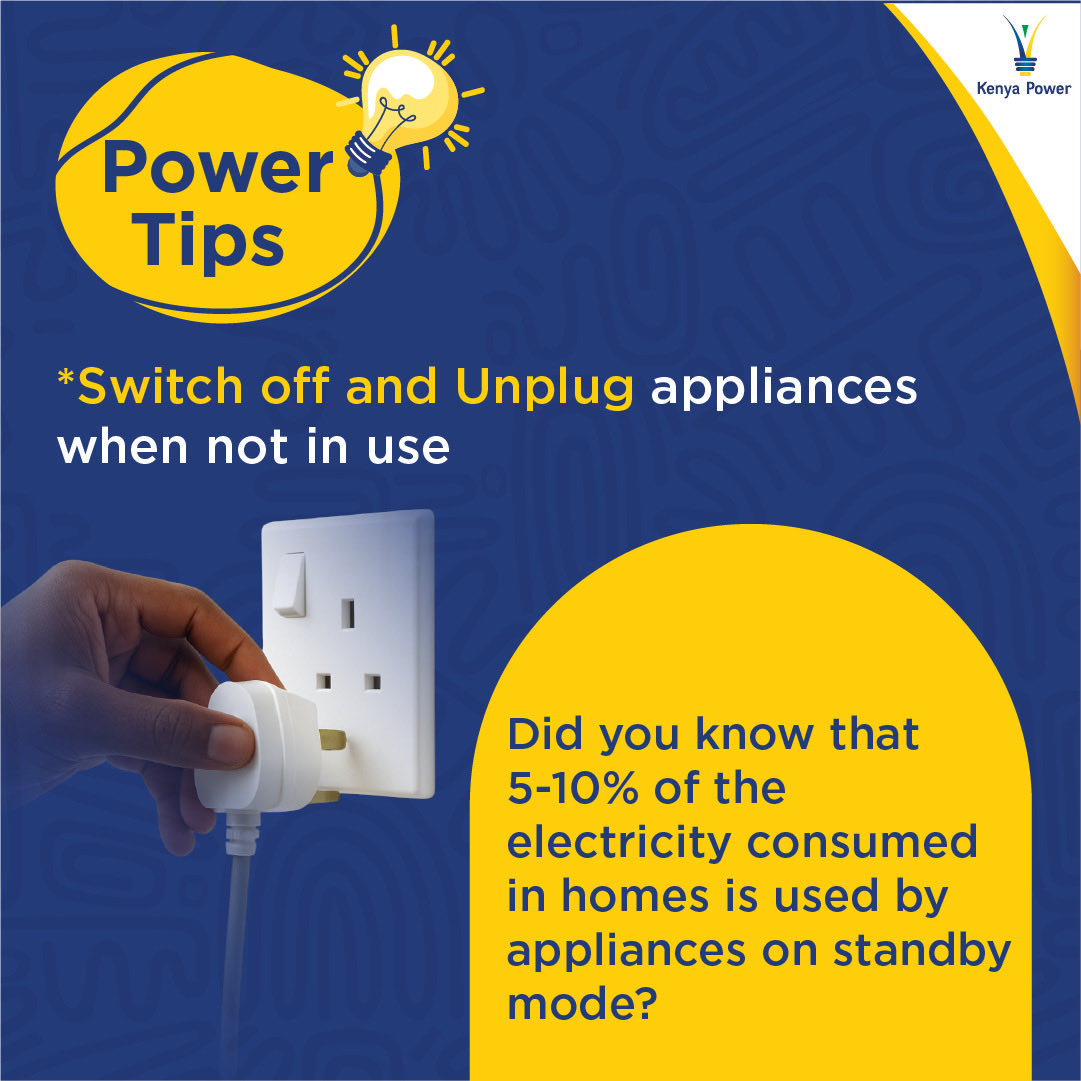
"Vampire energy accounts for 5-10% of household electricity use - even when devices appear to be 'off'"

Common Vampire Energy Culprits
Phone and laptop chargers left plugged in TVs and gaming consoles in standby mode Microwaves with digital clocks Printers and computer peripherals Set-top boxes and streaming devices

Energy Detective Challenge
Work in groups of 4-5 students Use the device energy data sheets provided Calculate annual vampire energy cost for each device Rank devices from highest to lowest energy waste Present your findings to the class

Thermal vs Electrical Energy Loss
{"left":"Heat escapes through windows, doors, walls, and roof\nPoor insulation allows warm air to leak out\nDrafts let cold air enter the home\nCosts money to reheat the space","right":"Devices use electricity even when 'off'\nStandby power keeps circuits active\nLED lights and displays stay on\nCosts money for unused electricity"}
Busting Energy Loss: Practical Solutions
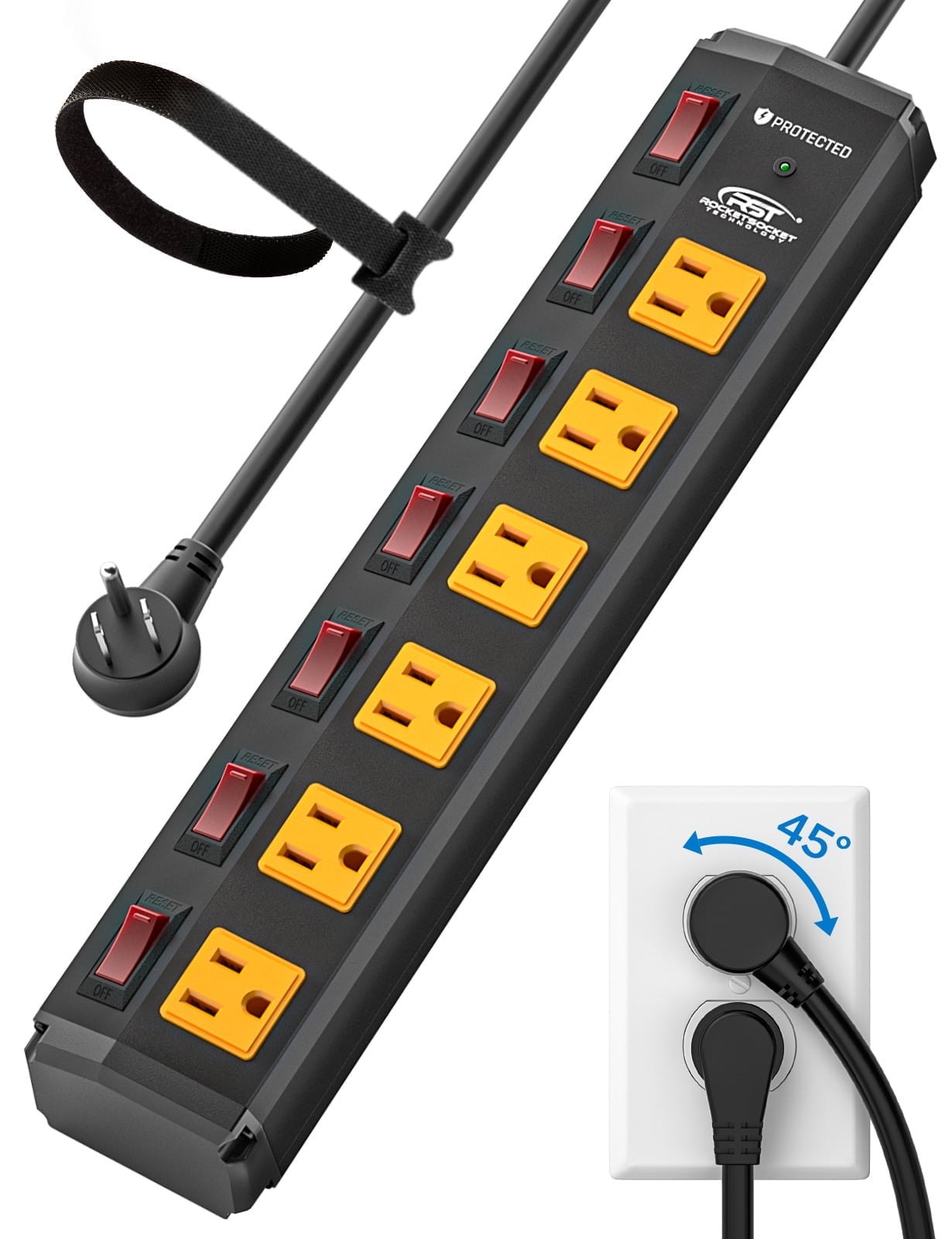
Unplug chargers and devices when not in use Use power boards with switches to cut standby power Install draught stoppers under doors Close curtains and blinds to insulate windows Turn off lights when leaving rooms Use energy-efficient LED bulbs

Your Energy Action Plan
What vampire energy devices can you identify in your home? Which energy-saving solution will you try first? How will you track your impact?