
Workshop Machinery Risks and Safety
Technology - Year 11 Understanding Hazards and Risk Assessment Building Safe Workshop Practices

What Machinery Experiences Do You Have?
Share any workshop or machinery experiences What safety concerns have you noticed? What questions do you have about machinery safety?
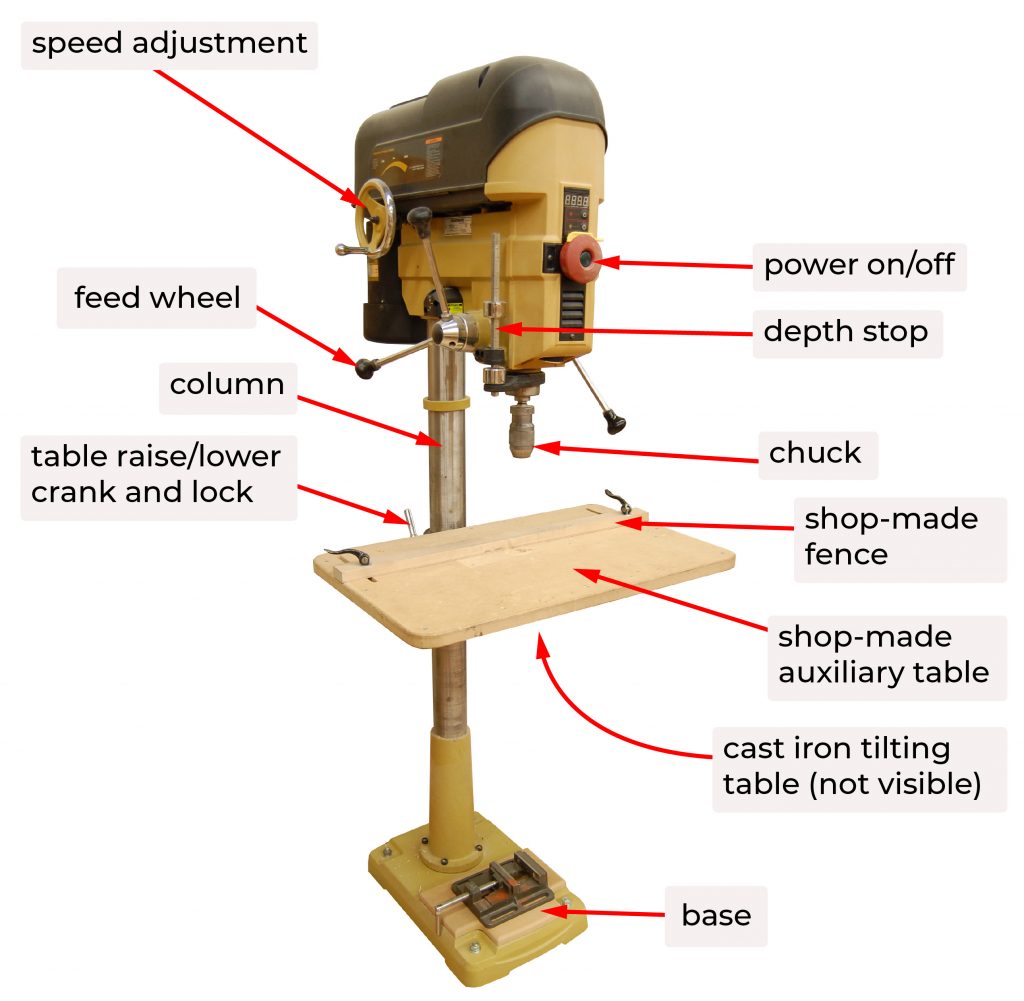
Common Workshop Machinery
Drill Press - drilling precise holes Bandsaw - cutting curves and straight lines Lathe - shaping cylindrical objects Bench Grinder - sharpening and shaping tools Table Saw - cutting wood to size Belt Sander - smoothing surfaces

Hazard Identification Challenge
Work in pairs to examine machinery images List potential hazards for each machine Consider: moving parts, electrical risks, flying debris Think about pinch points and entanglement risks Share findings with the class

Common Machinery Hazards

Risk Assessment Process
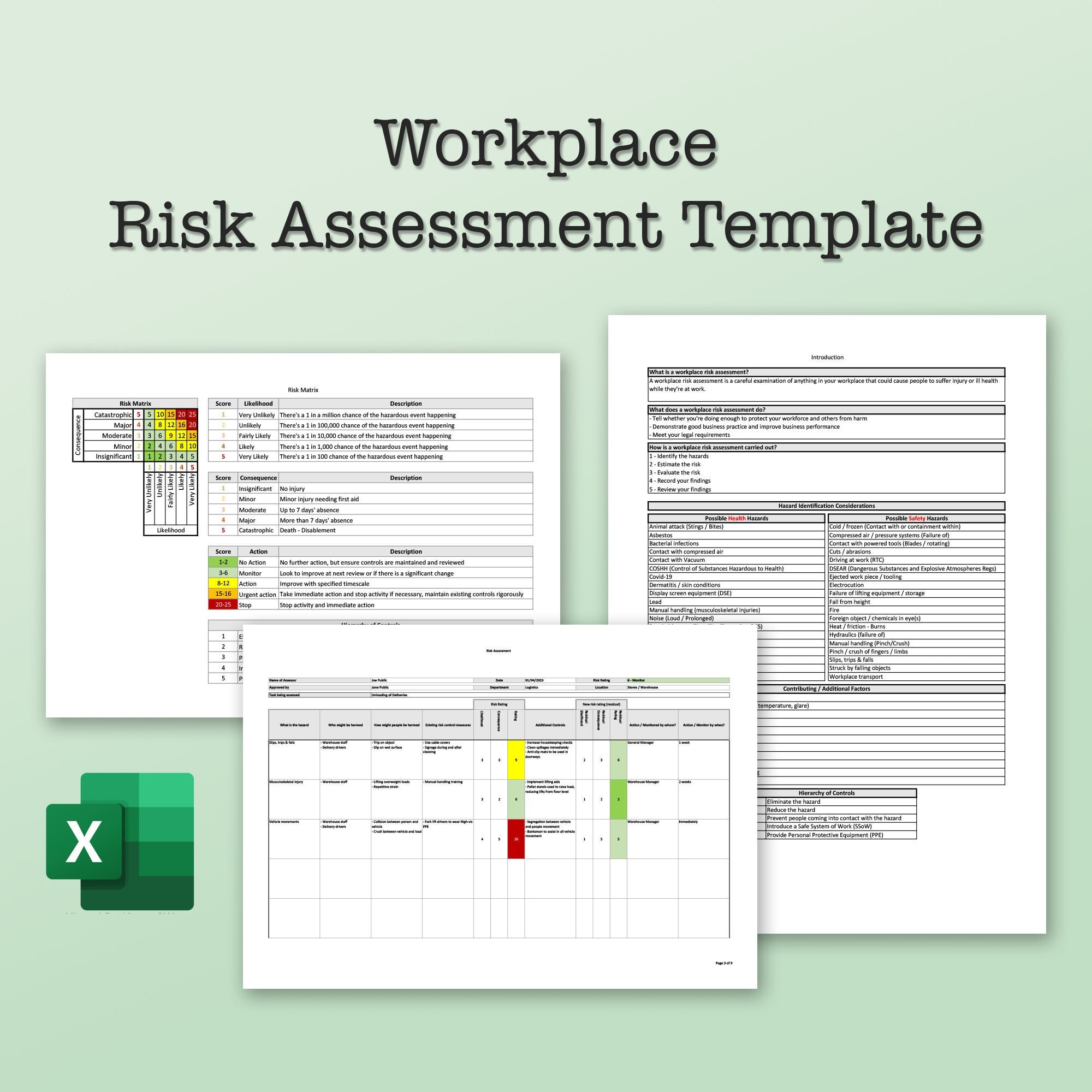
Step 1: Identify the hazards present Step 2: Determine who might be harmed Step 3: Evaluate the risk level (likelihood × severity) Step 4: Decide on control measures Step 5: Record findings and review regularly
Hands-On Risk Assessment
Choose one machine from your hazard worksheet Complete a risk assessment using the template provided Consider control measures: guarding, PPE, procedures Rate risk levels before and after controls Prepare to present your assessment to the class

Safety by Design Principle
"Prevention is better than protection, and protection is better than reactive change." - Foundation of workplace safety philosophy Apply this thinking to all workshop activities