
Workshop Machinery Safety and Risks
Year 11 Technology Understanding machinery hazards Risk assessment principles Safe workshop practices
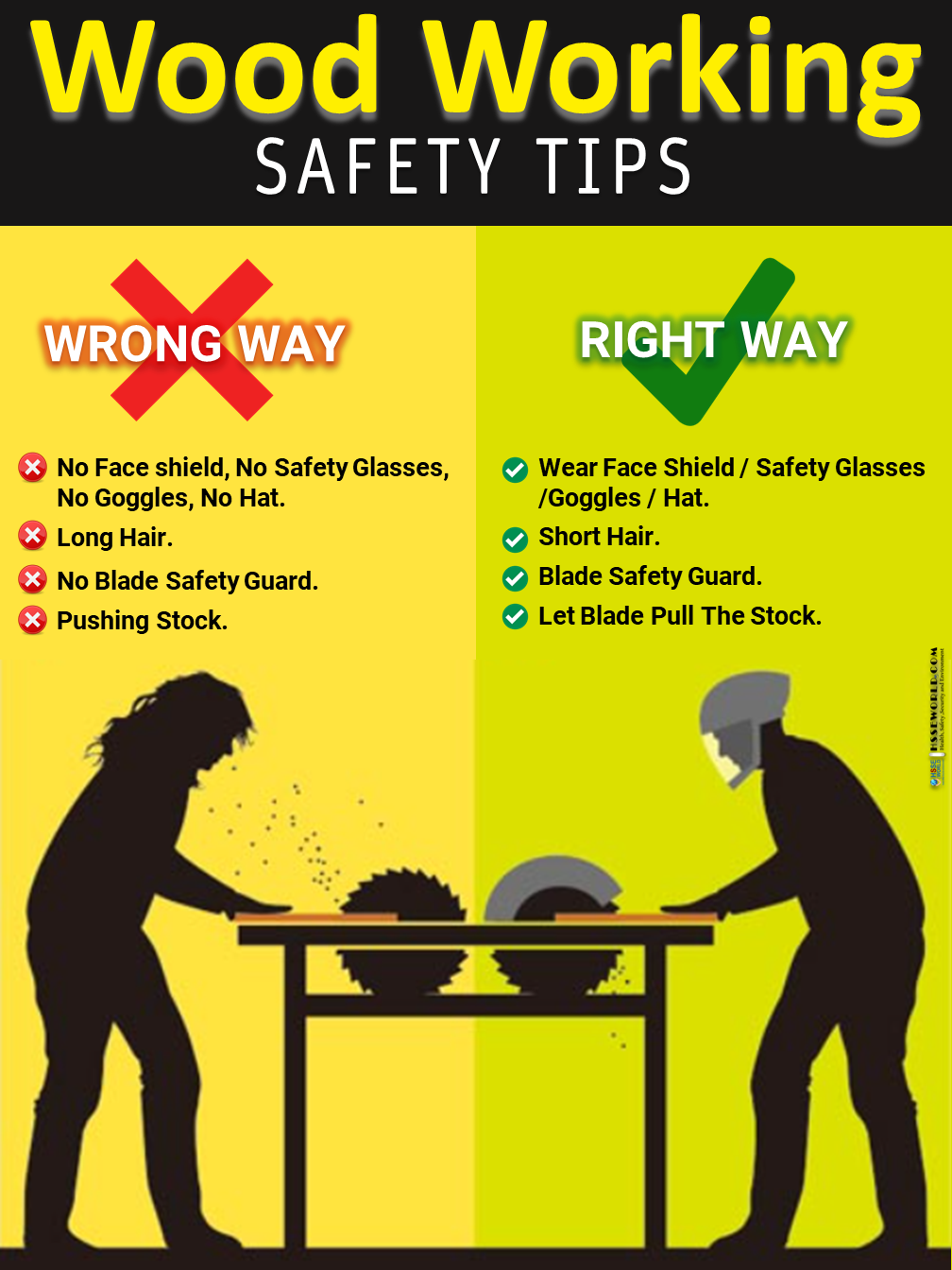
Why Workshop Safety Matters
Machinery accidents can cause serious injuries Prevention is better than treatment Legal and ethical responsibilities Creates a productive learning environment Essential workplace skill for future careers

Common Workshop Machinery

Hazard Identification Challenge
Work in pairs to examine machinery images List potential hazards for each machine Consider: moving parts, electrical risks, flying debris Think about what could go wrong Share findings with the class

Types of Machinery Hazards
Mechanical hazards: cutting, crushing, entanglement Electrical hazards: shock, burns, electrocution Physical hazards: noise, vibration, flying particles Ergonomic hazards: repetitive strain, poor posture Environmental hazards: dust, fumes, poor lighting

Risk Assessment Process
{"left":"1. Identify the hazard\n2. Assess who might be harmed\n3. Evaluate the risk level","right":"4. Decide on control measures\n5. Record findings\n6. Review and update regularly"}
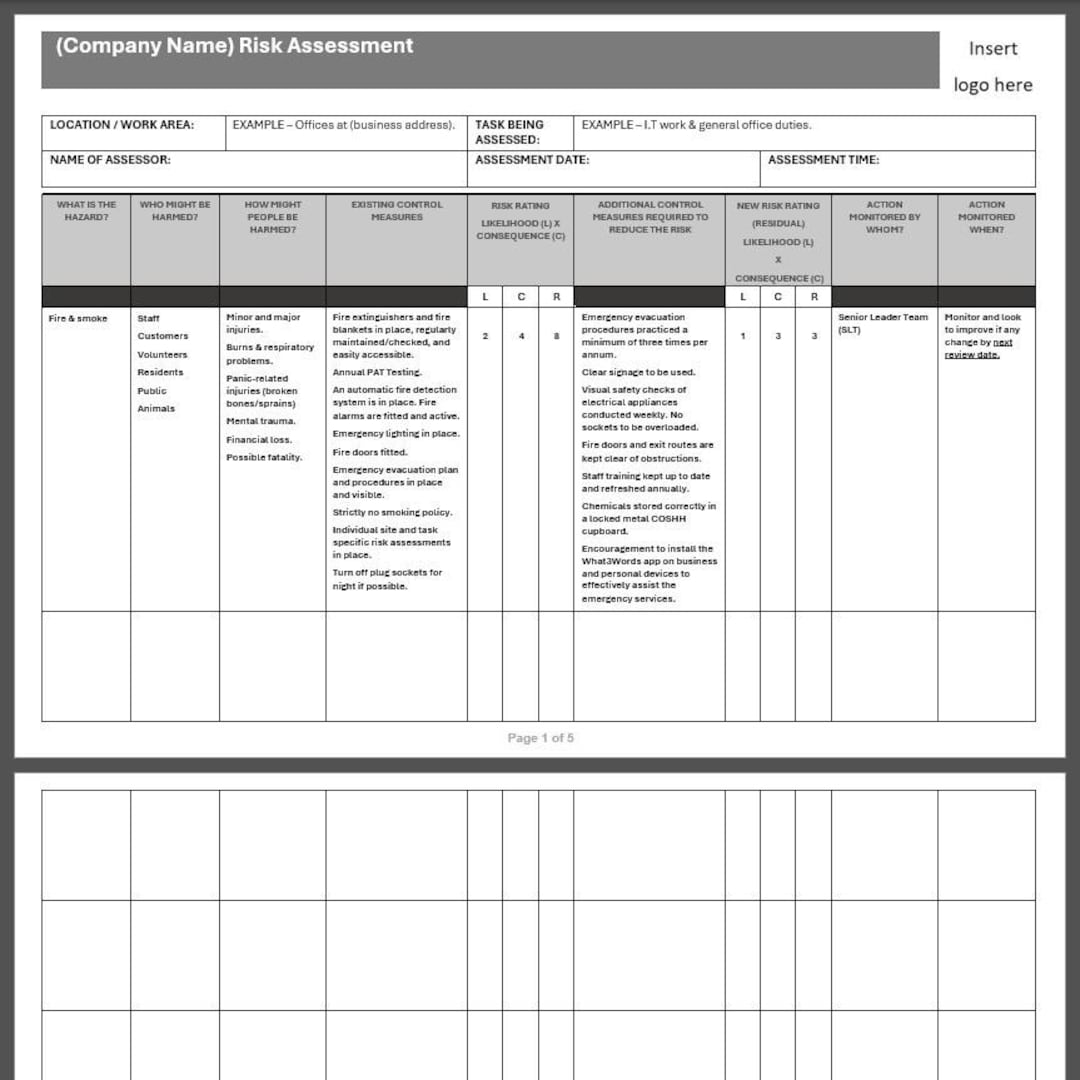
Complete a Risk Assessment
Choose one machine from your hazard list Use the risk assessment template provided Work through each step systematically Consider control measures: elimination, substitution, engineering controls, PPE Prepare to present your assessment to the class

Safety First Mindset
'Safety isn't expensive, it's priceless. The cost of an accident far exceeds the investment in prevention.'