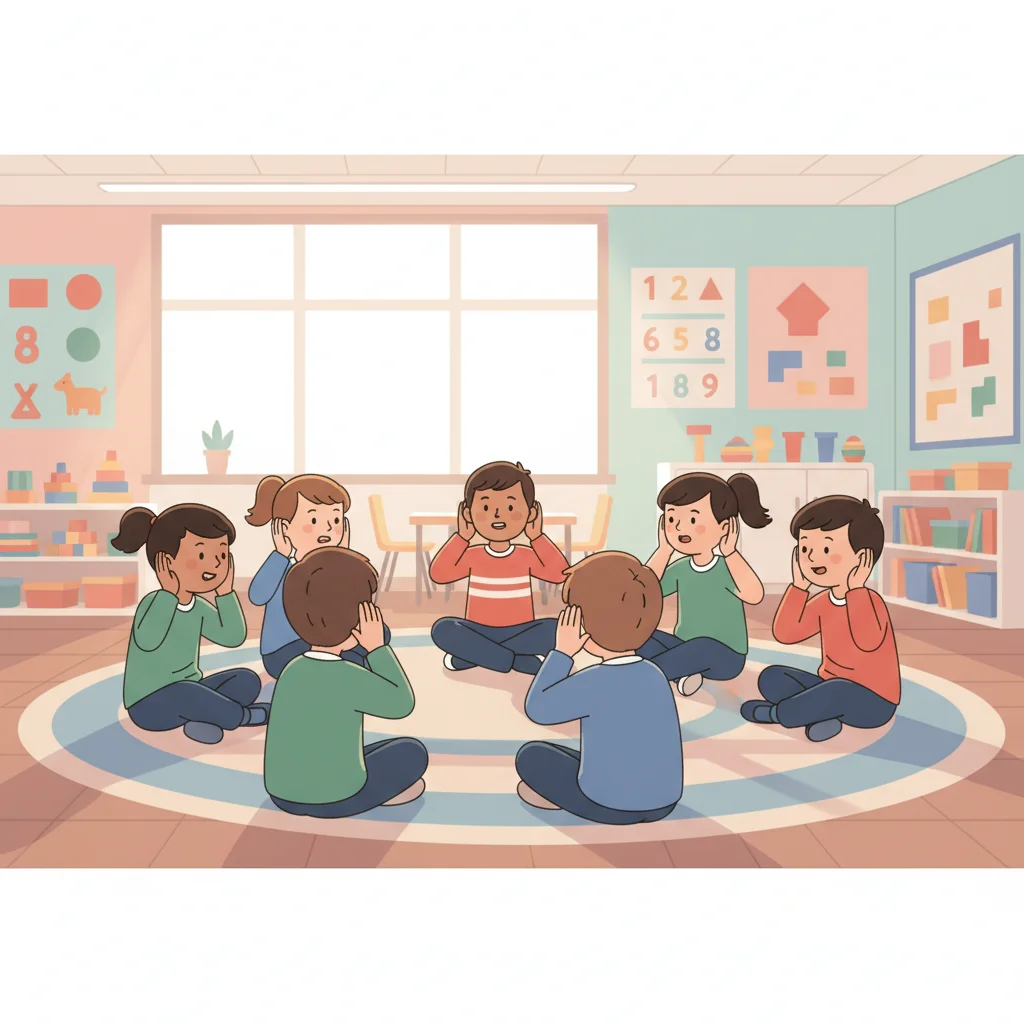
Year 1 Active Listening Skills
Learning to be great listeners Building respectful relationships Developing communication skills
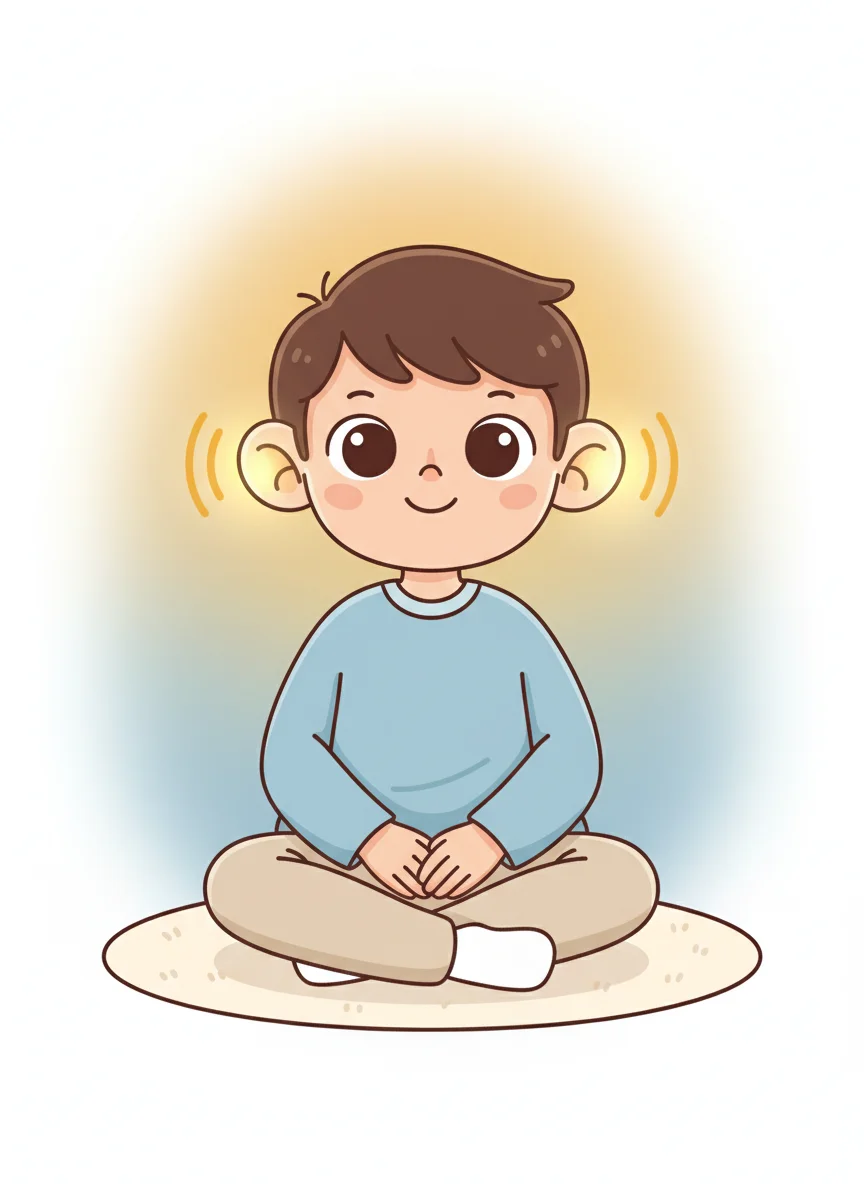
What is Active Listening?
Using our ears AND our eyes Showing we care about what others say Being quiet when someone else is talking Asking questions to understand better
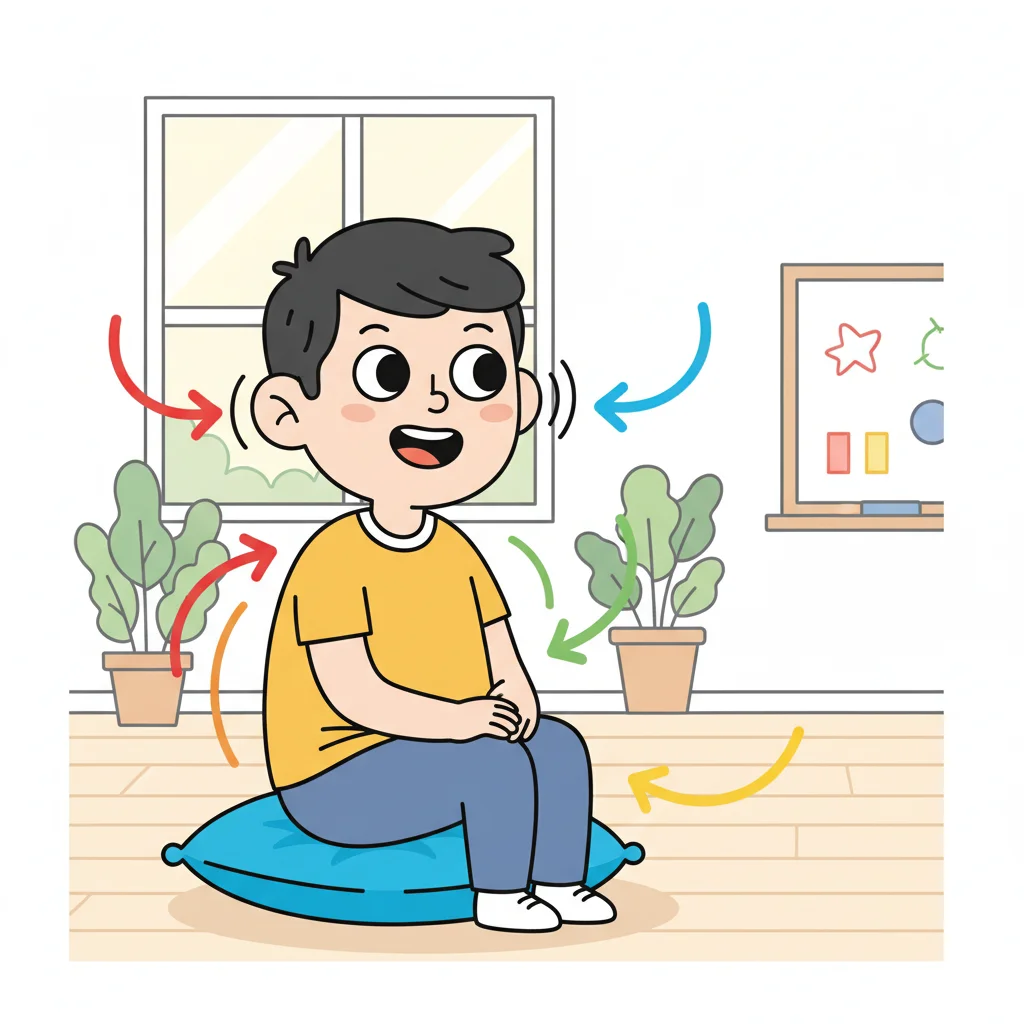
Listening Body Check
Eyes looking at the speaker Ears ready to hear Mouth closed and quiet Hands still in lap Body facing the person talking
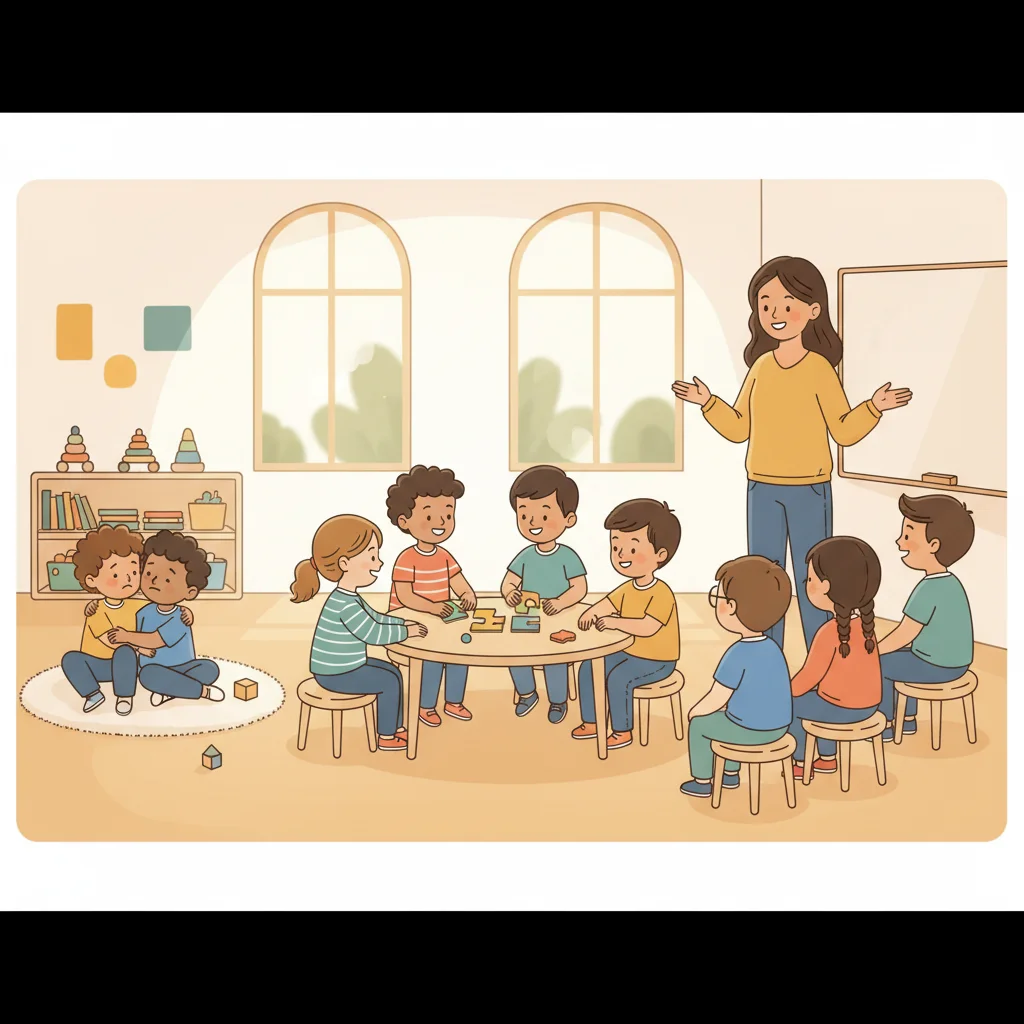
Why Do We Need to Listen?
To learn new things To show respect to others To make and keep friends To follow instructions safely To understand how others feel
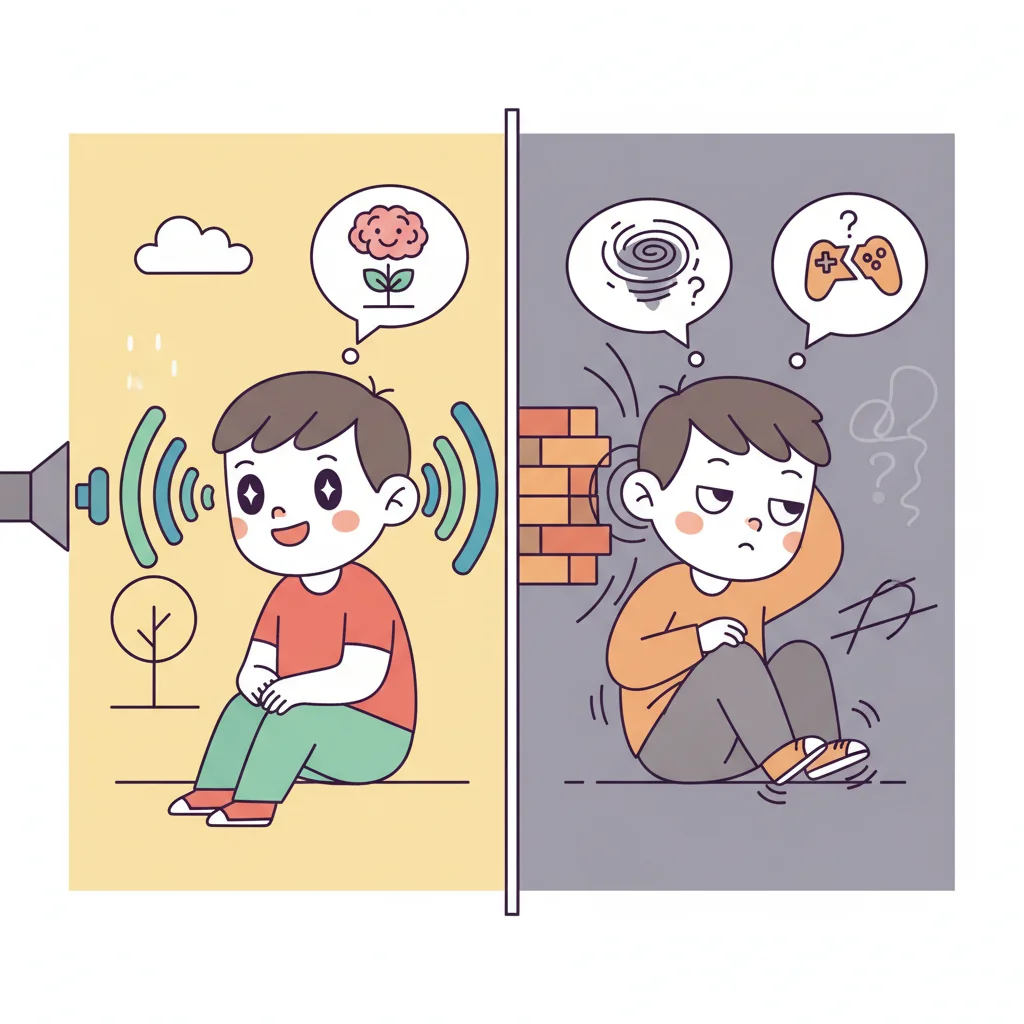
Good Listeners vs. Poor Listeners
{"left":"Look at the person speaking\nStay quiet while others talk\nAsk questions to understand\nShow they care with their face\nRemember what was said","right":"Look away or at other things\nTalk over someone else\nThink about other things\nShow they're bored or uninterested\nForget what was said right away"}
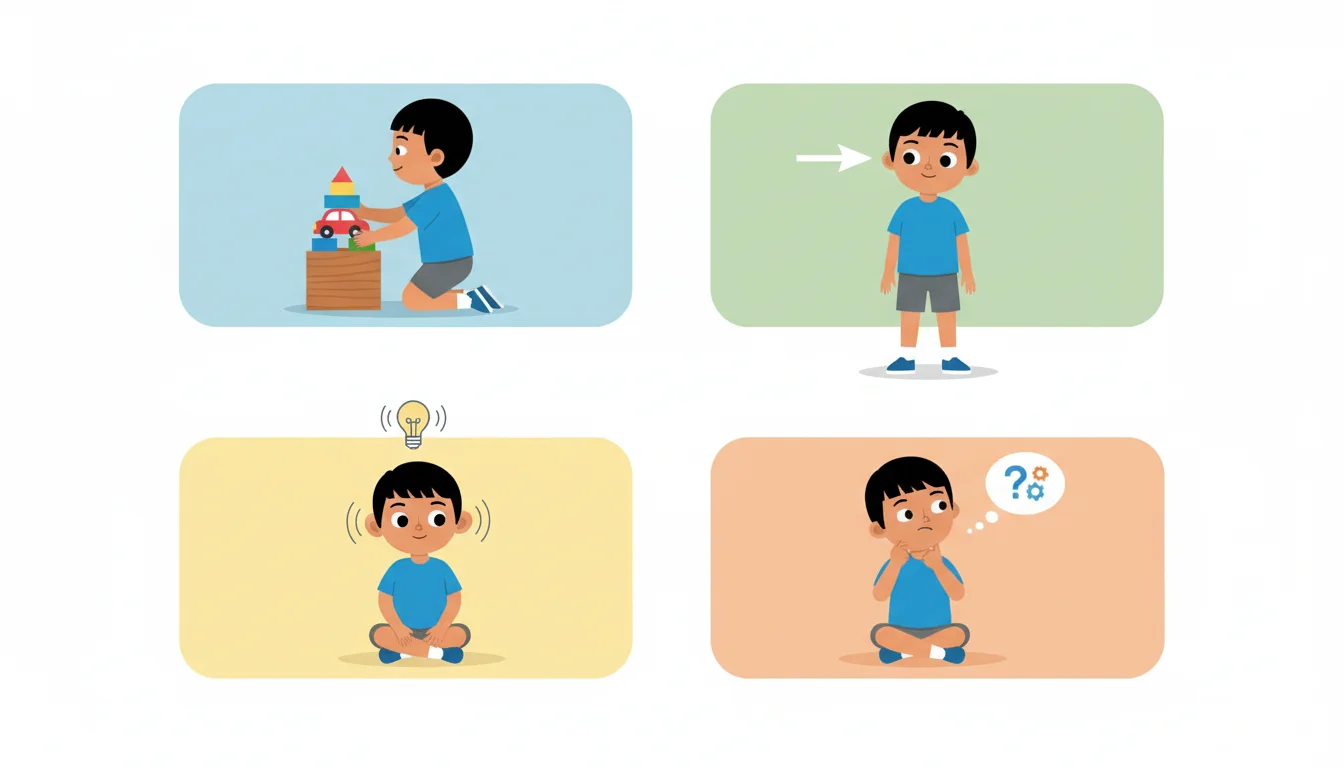
The Listening Steps
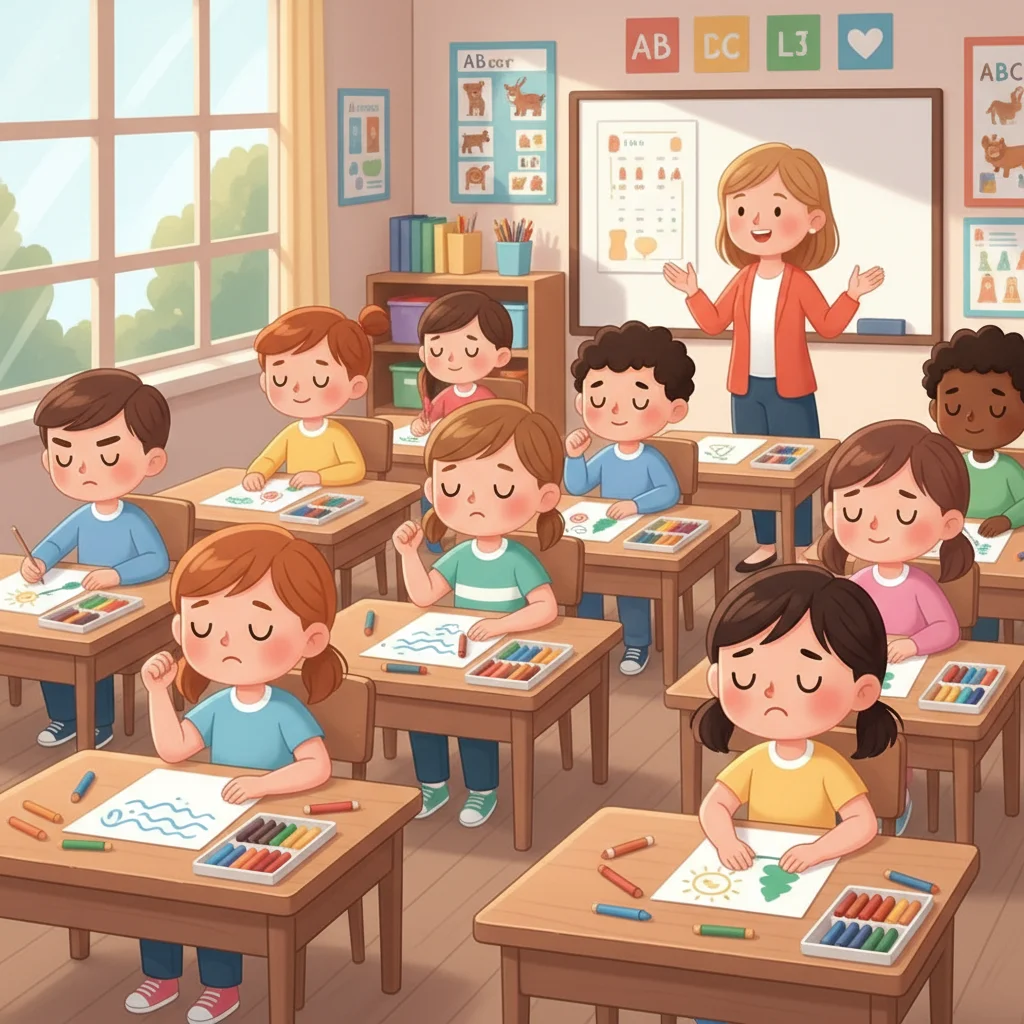
Practice Time: Listen and Draw
Close your eyes and listen carefully I will describe a simple picture Draw what you hear me say Show your drawing to a friend Did good listening help you draw?
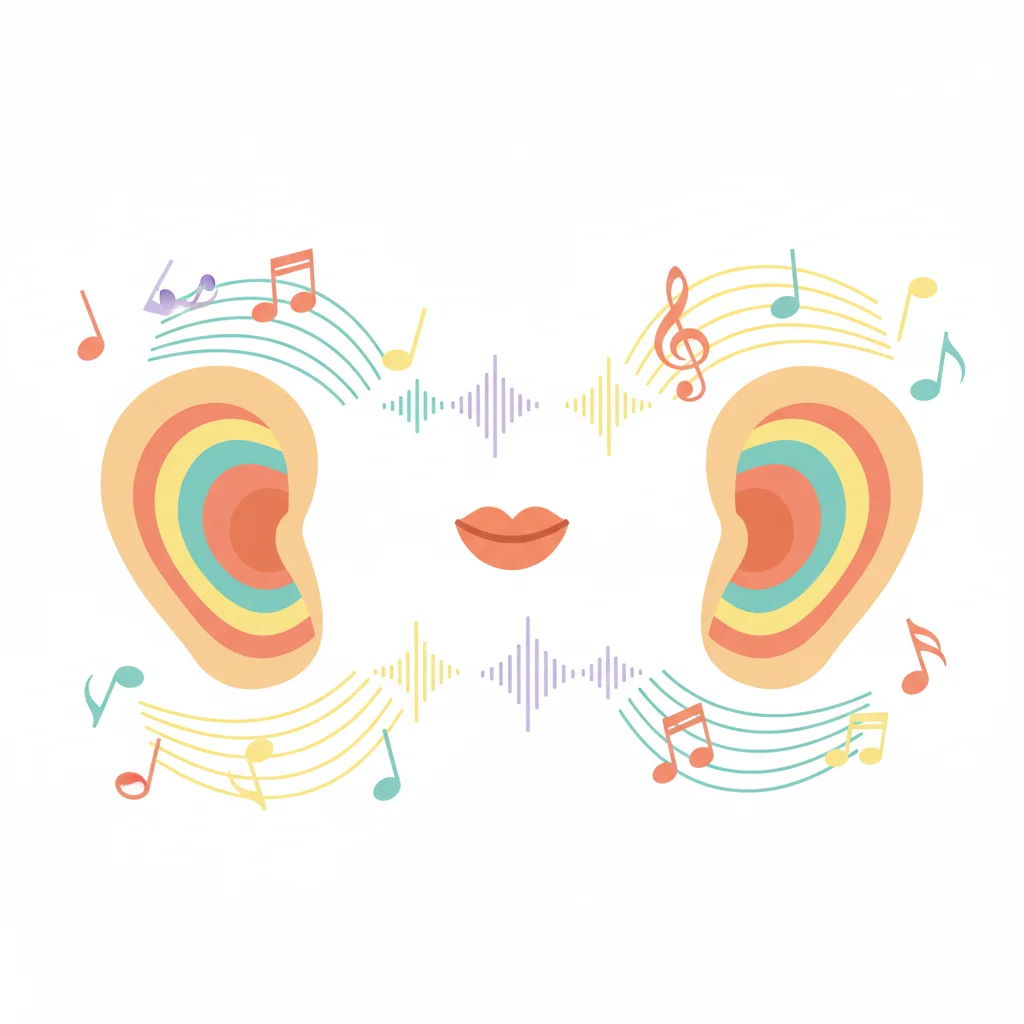
Remember This!
We have two ears and one mouth so we can listen twice as much as we speak
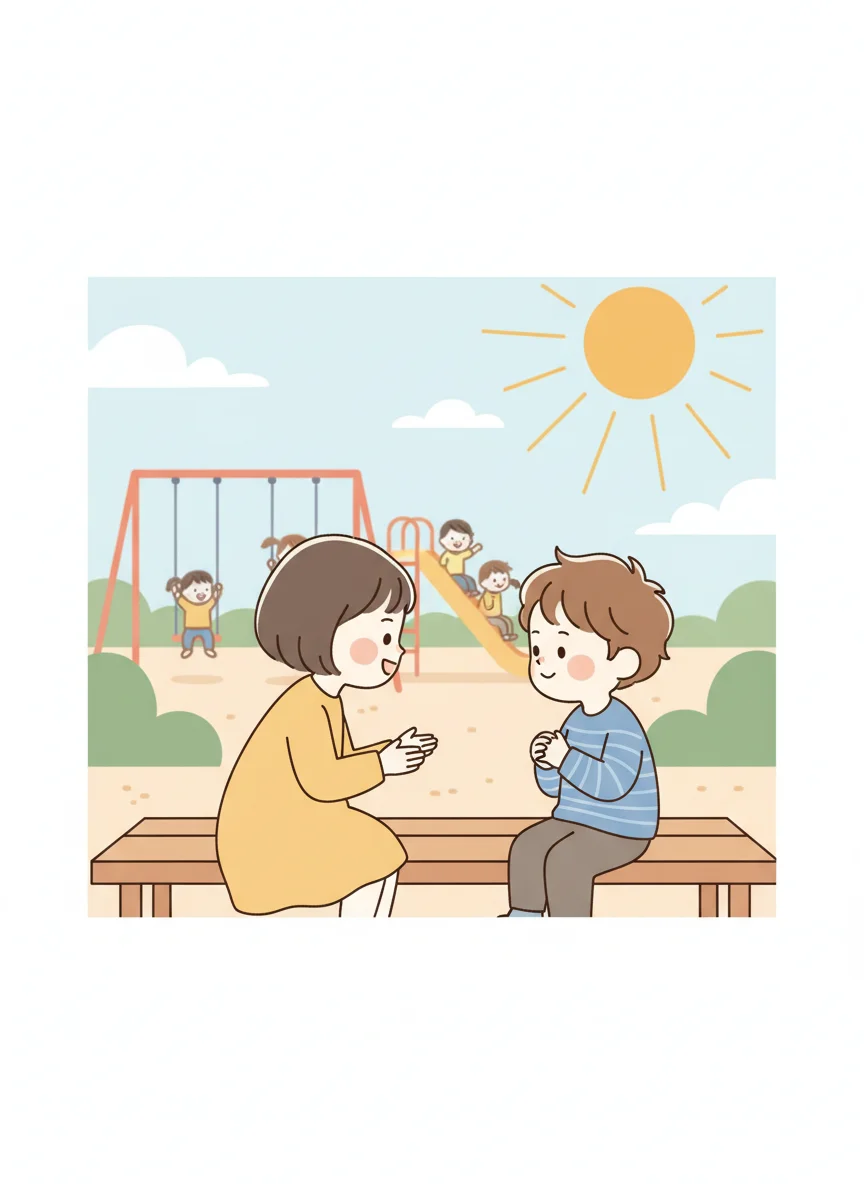
Listening Helps Us Make Friends
Friends feel special when we listen to them We learn about what our friends like We can help friends when they're sad We show we care about their feelings Good listeners have more friends
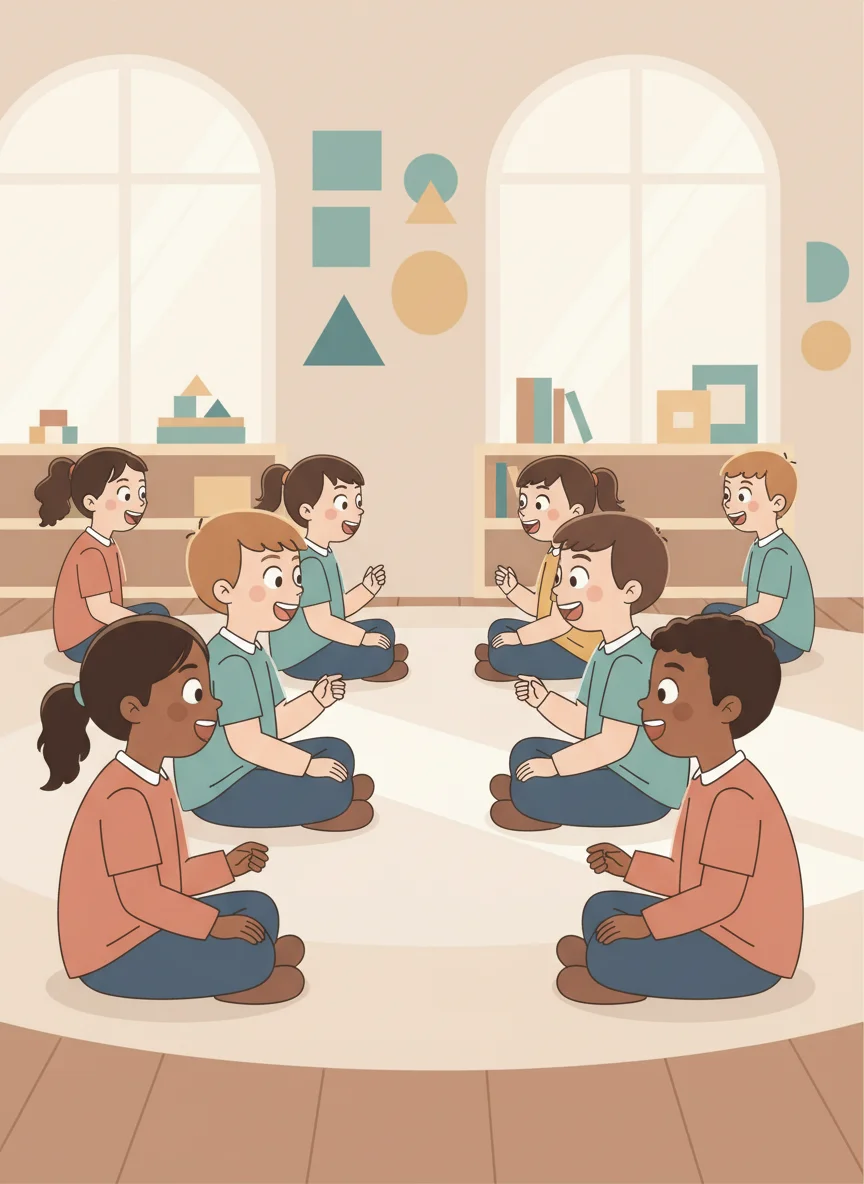
Let's Practice Together!
Partner up with someone near you Take turns telling a short story Use your best listening skills Ask one question about their story Thank your partner for sharing