Year 4 Maths Term Review
Exploring numbers, measurements, and problem solving Australian Curriculum - Western Australia Let's review what we've learned!
Reading and Writing Big Numbers
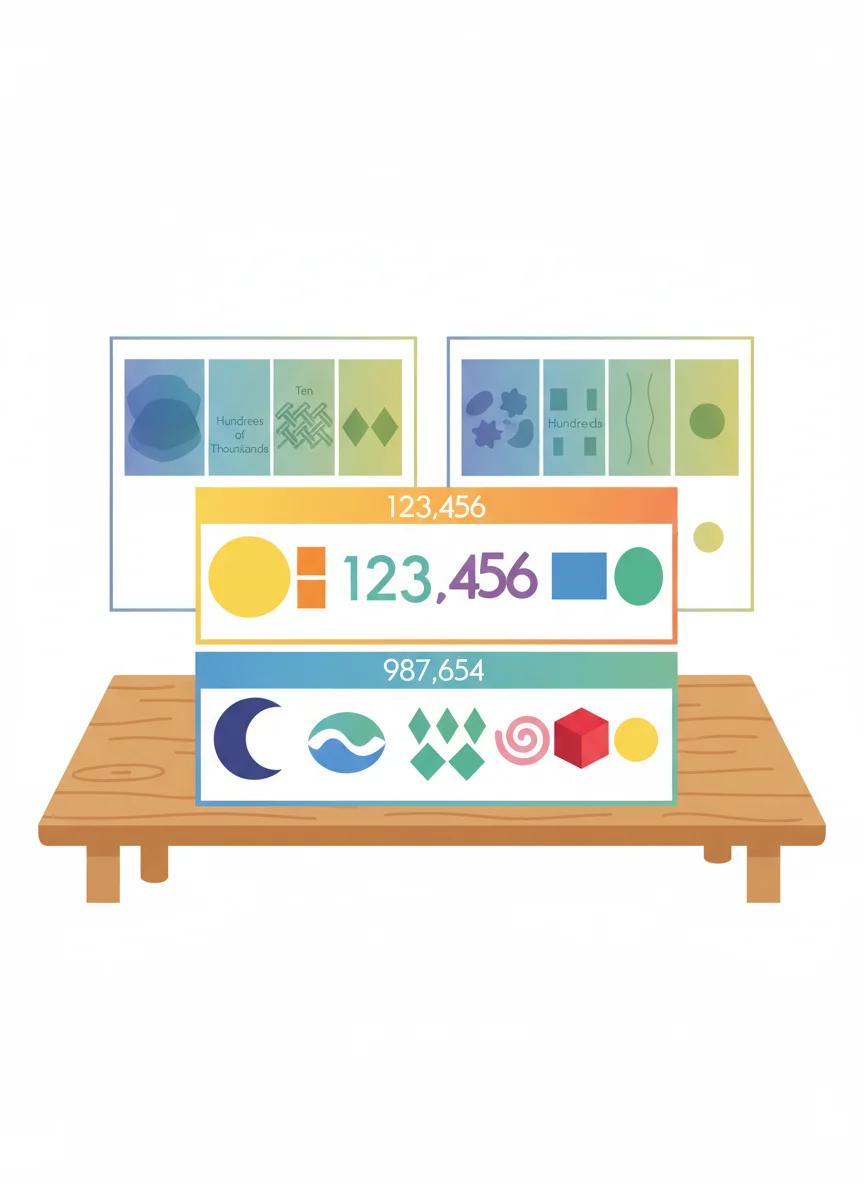
We can read and write numbers up to six digits The final digit tells us if a number is odd or even Examples: 123,456 (even) and 98,765 (odd) Place value helps us understand what each digit means
Number Challenge Activity
Write the largest six-digit number you can make using: 2, 7, 1, 9, 4, 5 Is your number odd or even? What is the value of the digit in the ten thousands place? Work with a partner to check your answer!
Place Value and Number Partitioning
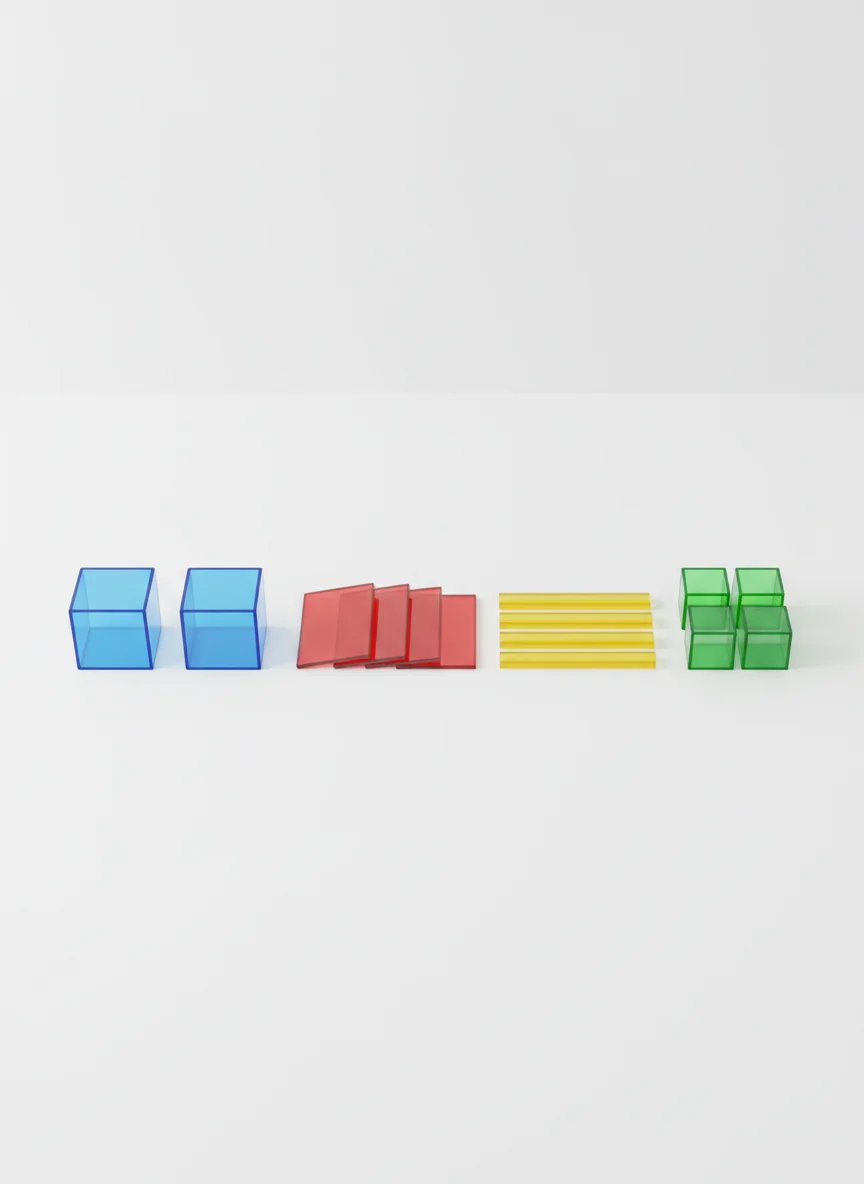
We can break numbers apart in different ways Standard form: 3,456 = 3,000 + 400 + 50 + 6 Non-standard form: 3,456 = 2,000 + 1,400 + 56 Both ways help us understand numbers better
Quick Think: Multiplication Facts
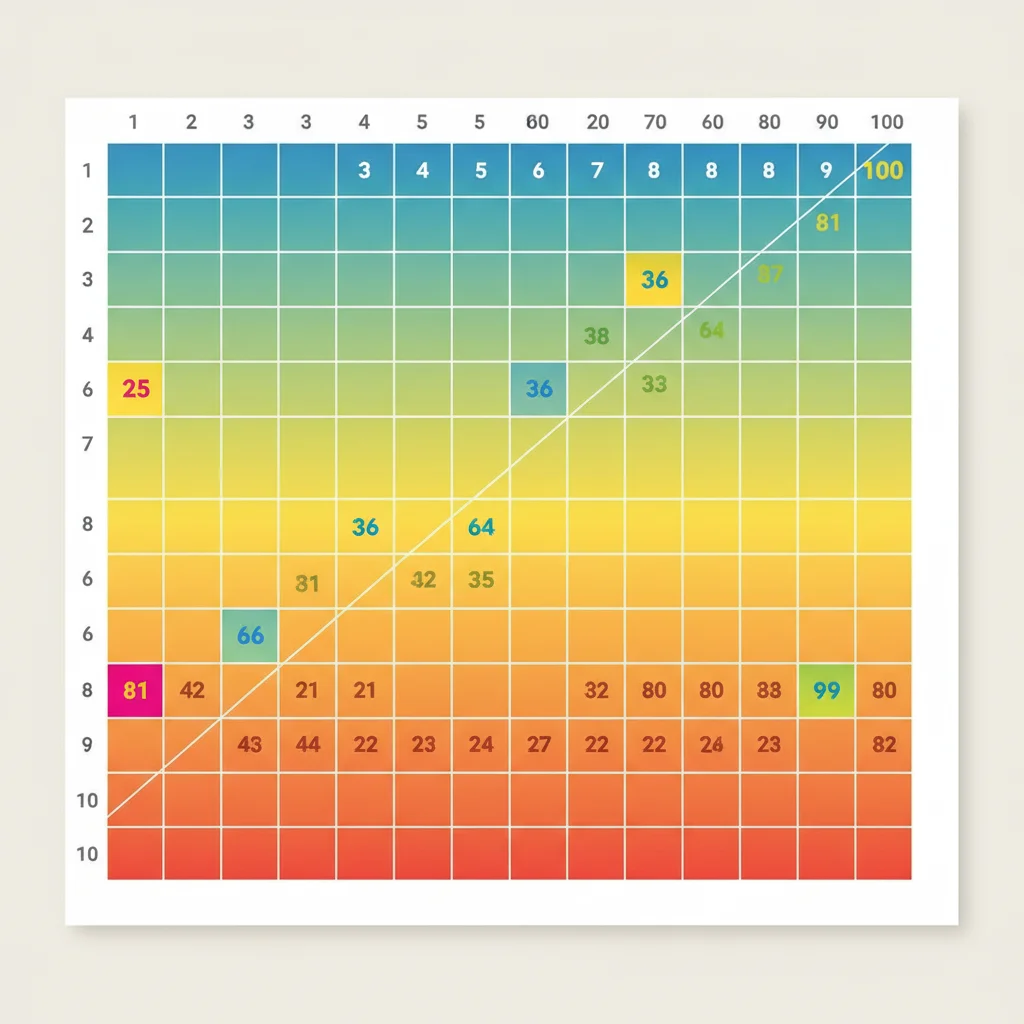
What is 7 × 8? How about 9 × 6? Can you recall 4 × 9? Remember: practice makes these automatic!
Adding and Subtracting Large Numbers
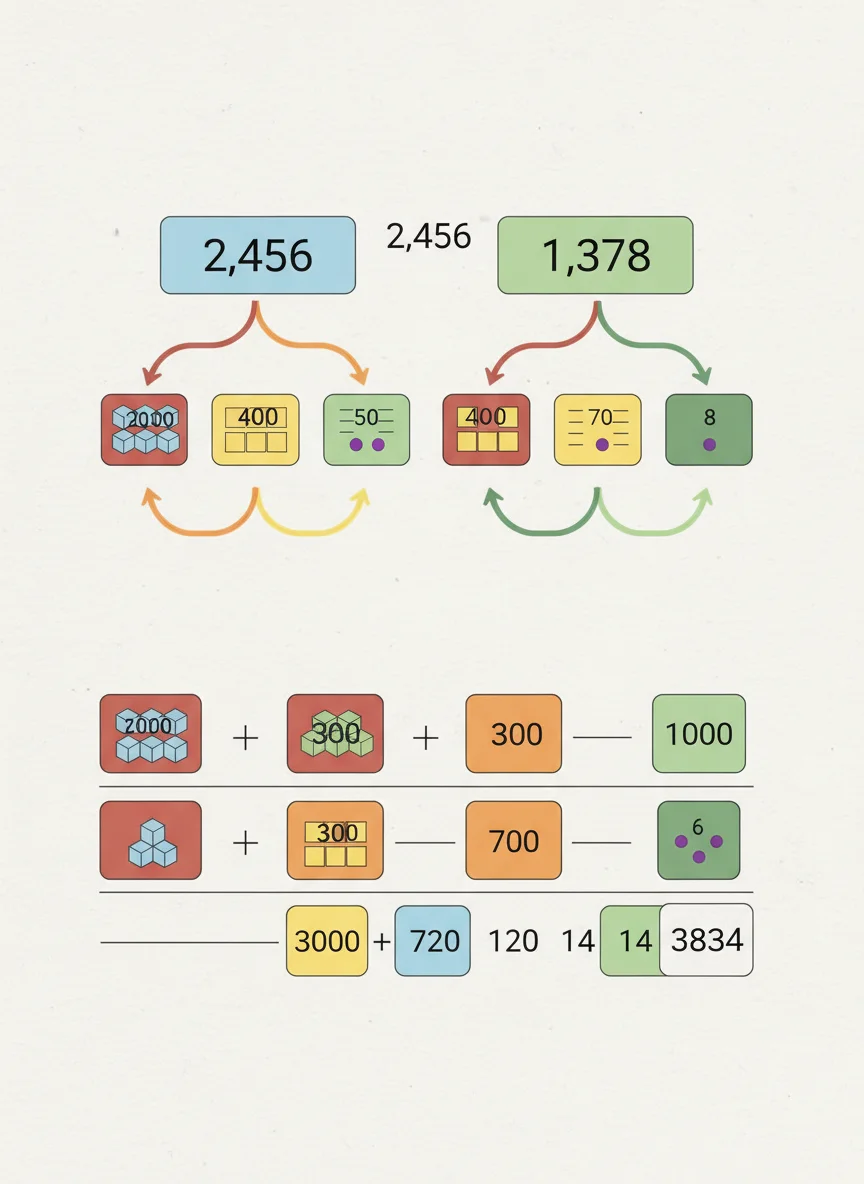
We use flexible strategies for four-digit numbers Break apart method: 2,456 + 1,378 = 2,456 + 1,000 + 300 + 70 + 8 Column method for accuracy Always estimate first to check if our answer makes sense
Measuring Mass vs Capacity
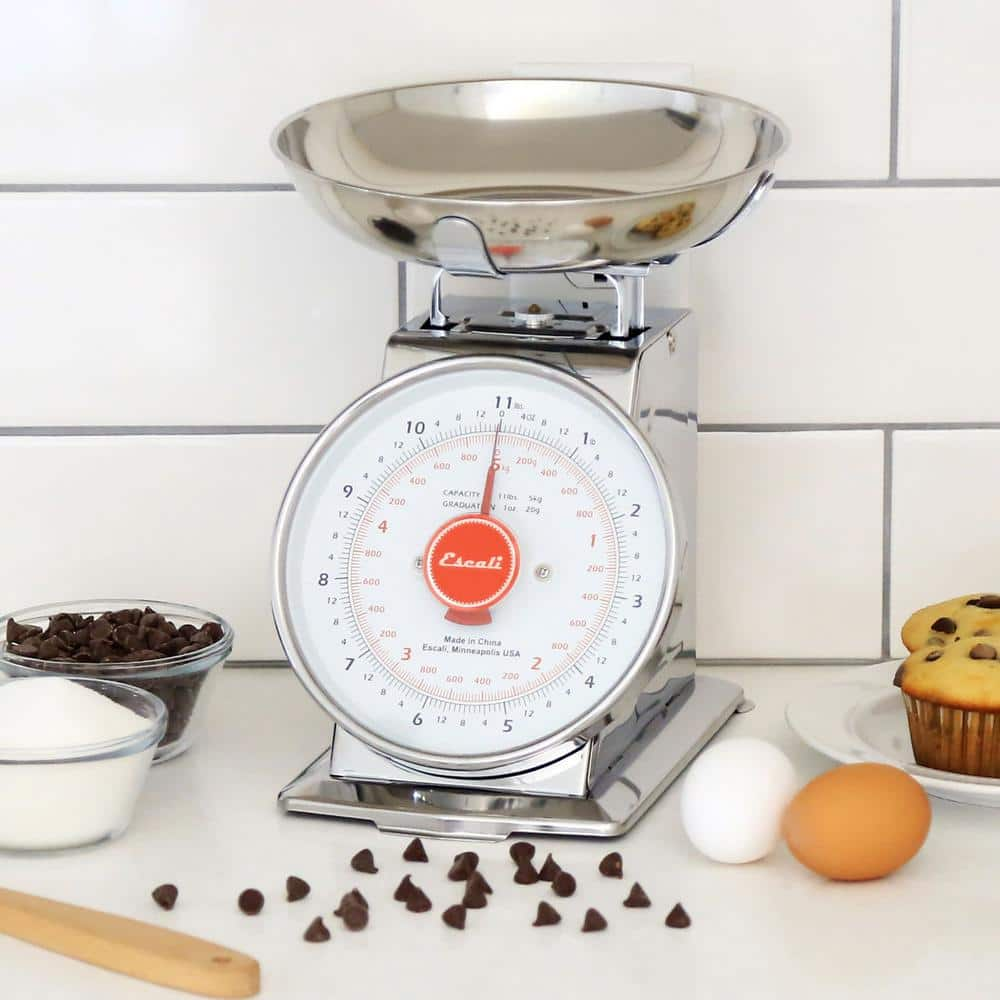
{"left":"Mass is how heavy something is\nMeasured in kilograms and grams\nUse scales to measure mass\n1 kilogram = 1,000 grams","right":"Capacity is how much something holds\nMeasured in litres and millilitres\nUse measuring cups and jugs\n1 litre = 1,000 millilitres"}

Measurement Estimation Game
Look at these classroom objects Estimate the mass of a textbook in grams Estimate the capacity of a water bottle in millilitres Estimate the capacity of a classroom bin in litres Write your estimates and we'll check!

Understanding Volume
Volume is the amount of space an object takes up Different shapes can have the same volume We can compare volumes by filling with water or counting cubes A tall thin container might hold the same as a short wide one
Term Review Summary
Mathematics is not about numbers, equations, computations or algorithms: it is about understanding patterns and relationships. We've learned to work with big numbers, measure accurately, and solve problems flexibly! Keep practicing these skills over the holidays.