Year 6 Data Detective Investigation
We Are Learning To (WALT): Interpret and compare different types of data Use digital tools to analyse data Plan and conduct statistical investigations

Success Criteria - What Makes a Great Data Detective?
I can identify different types of data (nominal, ordinal, discrete, continuous) I can create and interpret graphs and charts I can calculate mode and range from data sets I can use digital tools to display data I can plan my own investigation and communicate findings clearly

Data Types Detective Challenge
Look at these examples: Favourite sports: Soccer, Basketball, Swimming Class rankings: 1st, 2nd, 3rd place Number of pets: 0, 1, 2, 3 pets Height measurements: 140.5cm, 142.3cm
Sorting Our Data Evidence
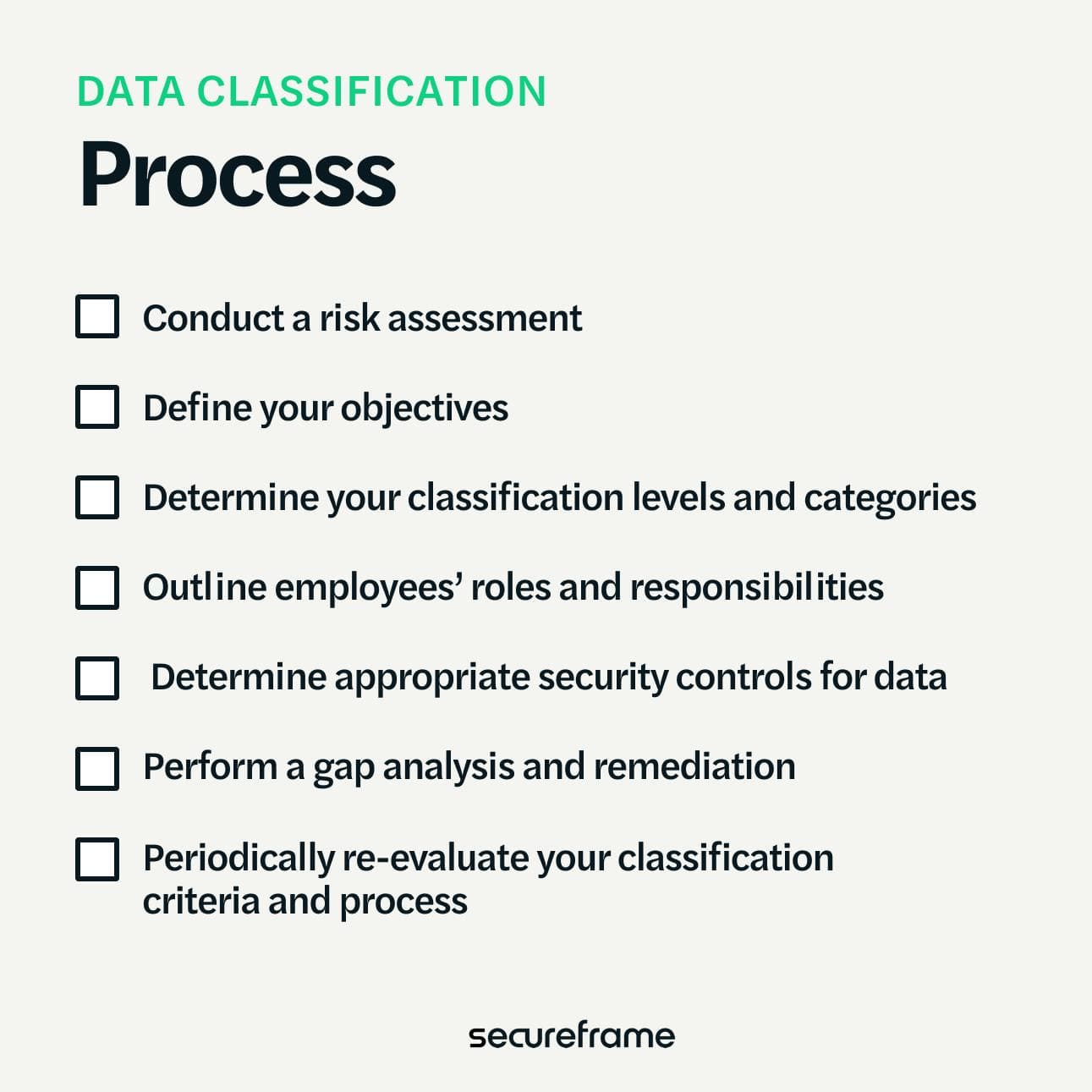
{"left":"Categorical Data: Things we can group into categories like colours, sports, or animals\nNumerical Data: Things we can count or measure like age, height, or number of books","right":"Mode: The most common answer in our data\nRange: The difference between the highest and lowest numbers"}
Digital Detective Tools in Action
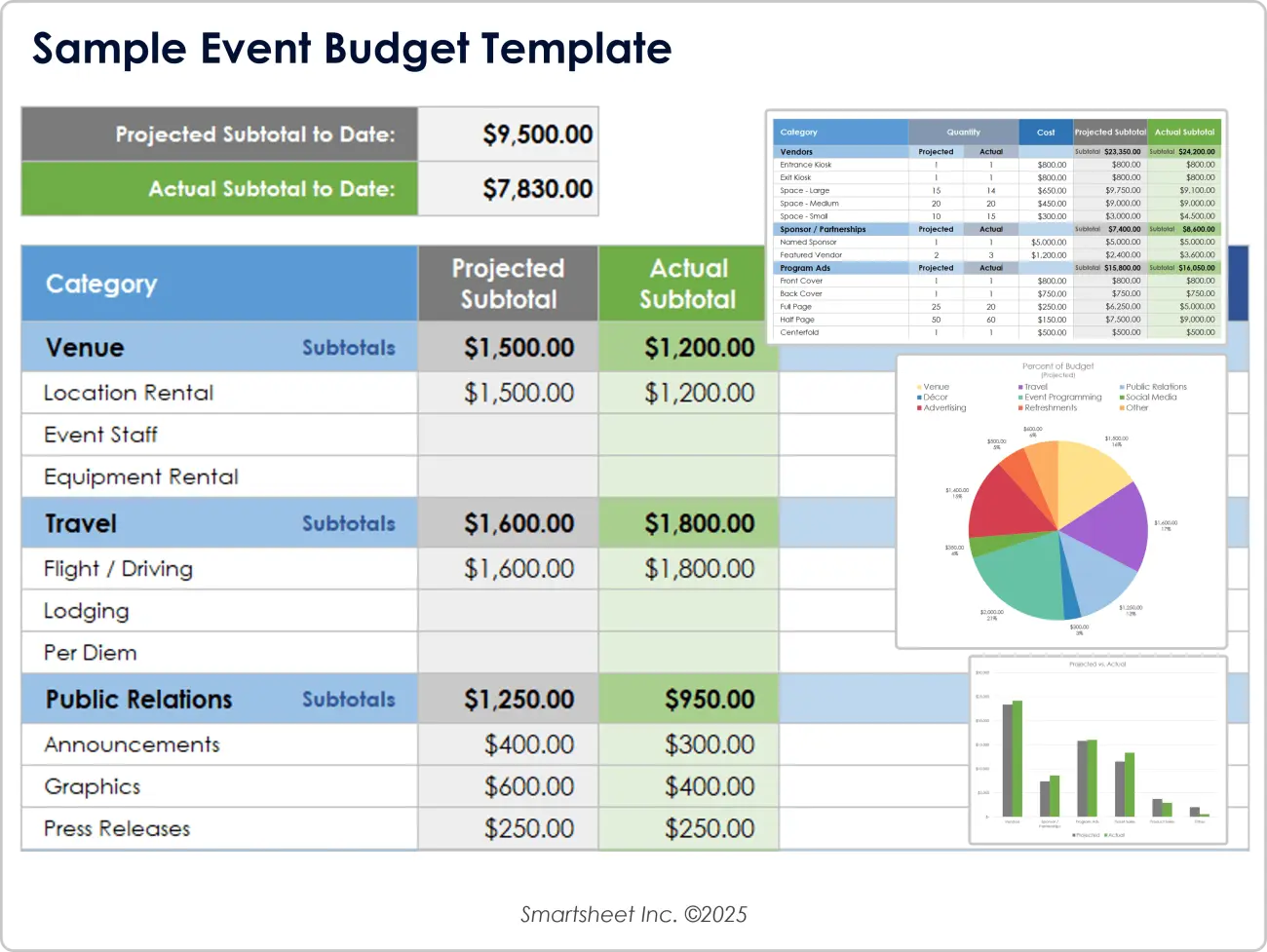
Spreadsheet software helps us create graphs quickly We can make bar charts, column graphs, and dot plots Digital tools help us see patterns in our data We can easily calculate mode and range Graphs show us the 'shape' of our data
Our Class Investigation
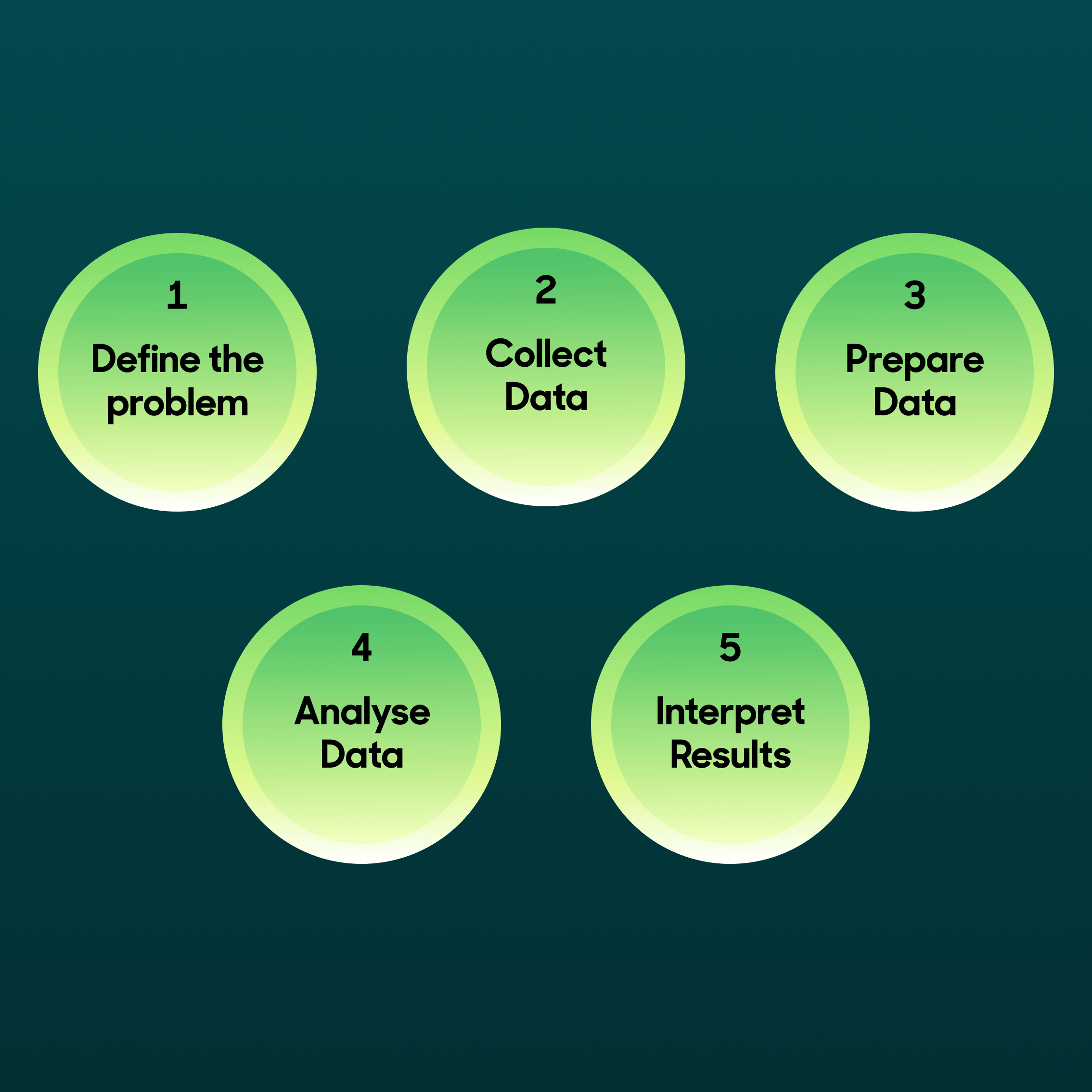
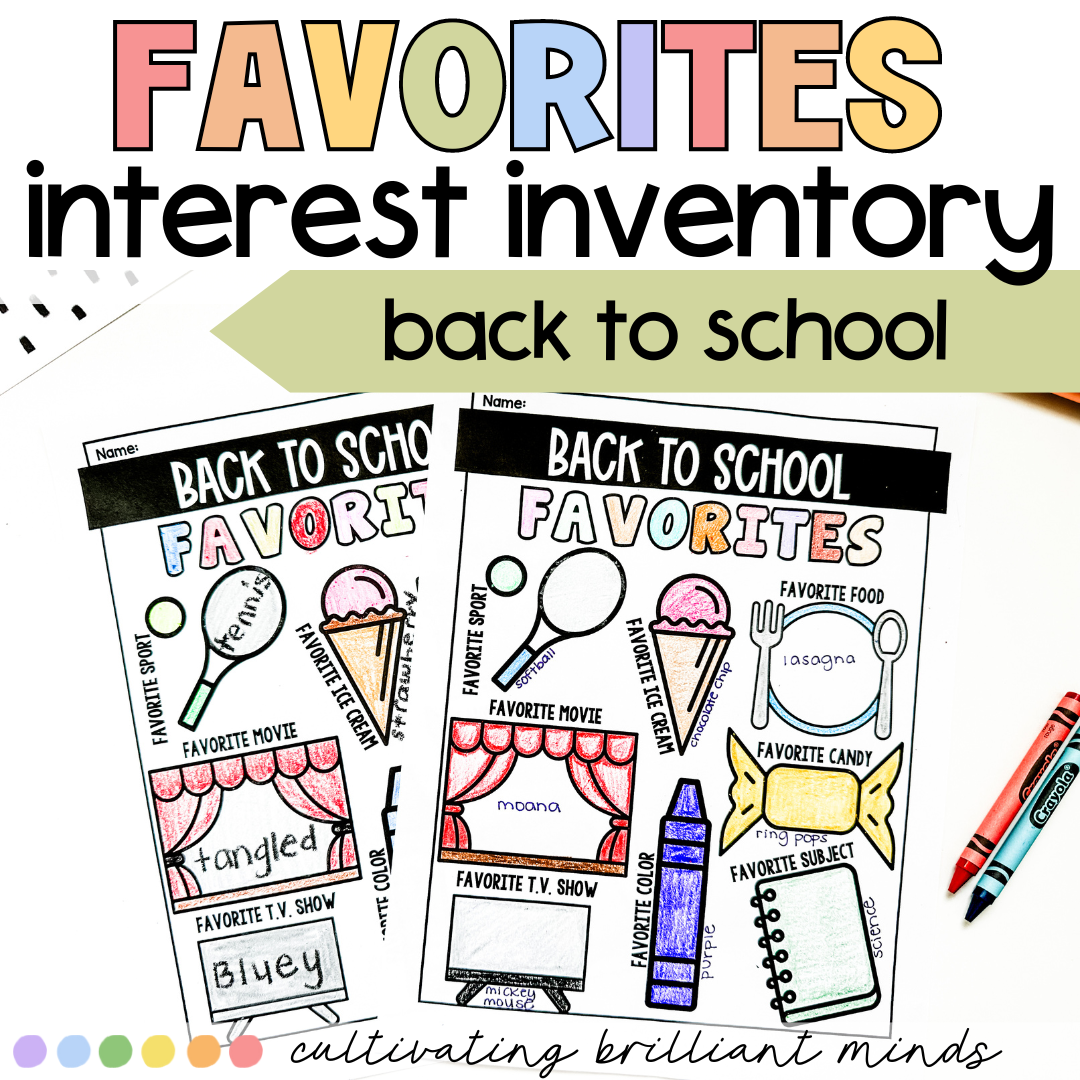
Investigation Question: What is the favourite fruit among Year 6 students? Step 1: Collect data from classmates Step 2: Enter data into our digital tool Step 3: Create a graph Step 4: Find the mode and range Step 5: Share our findings

Detective Discussion
What patterns did you discover in our fruit data? Which fruit was the mode (most popular)? What was the range of responses? Did anything surprise you about our results? How did digital tools help us understand the data better?
Data Detective Reflection
Today we learned to identify different types of data We used digital tools to create graphs and find patterns We conducted our own statistical investigation We can now explain our findings using mathematical language Data helps us make informed decisions in real life