Fractions, Decimals and Percentages Daily Review
Year 8 Mathematics Australian Curriculum v 9.0 15-minute review session

What Are Fractions?
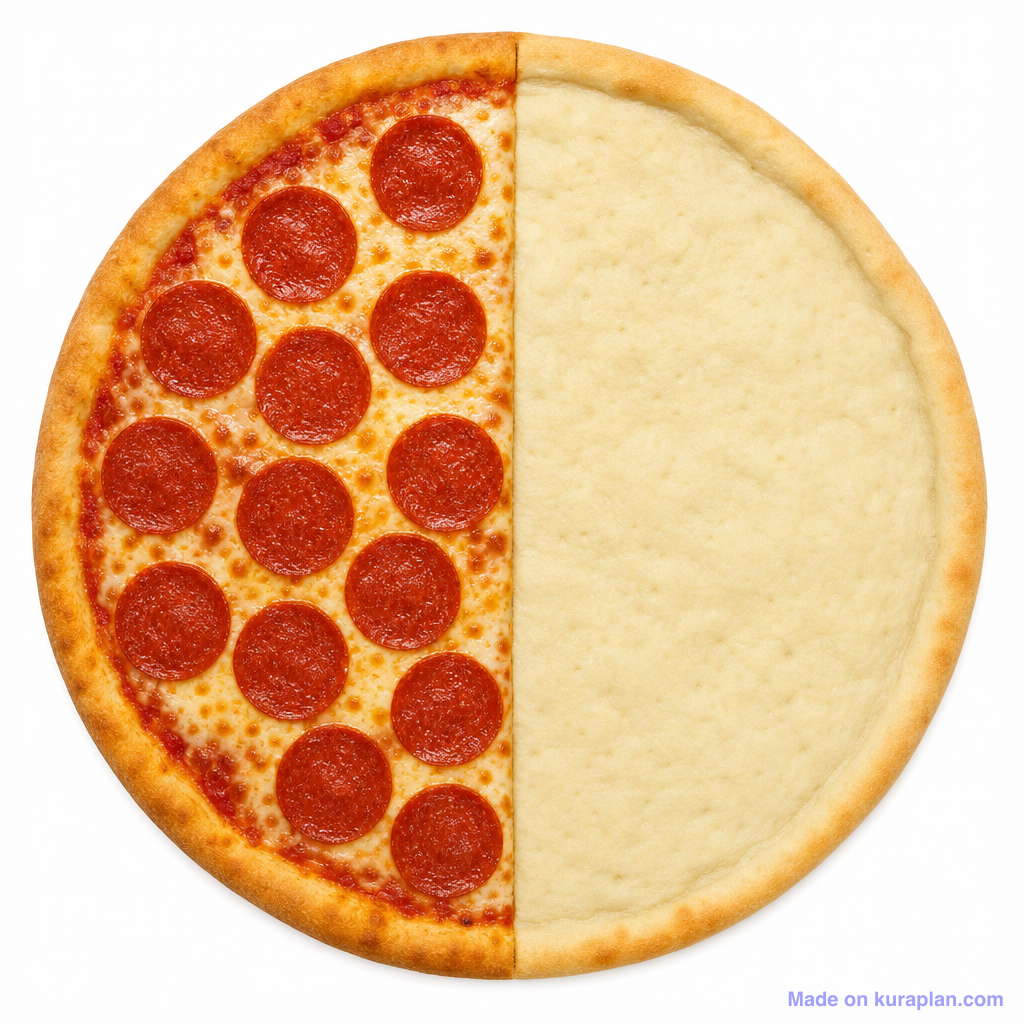
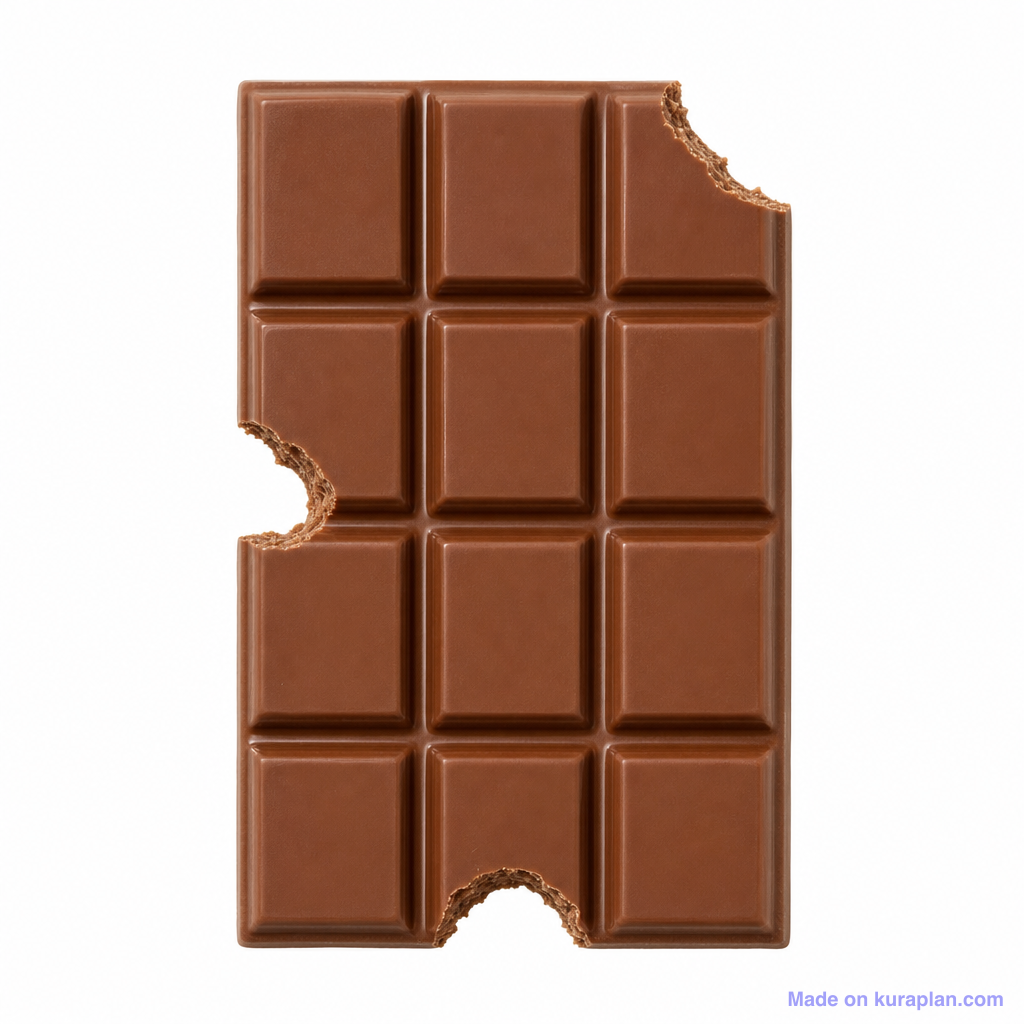
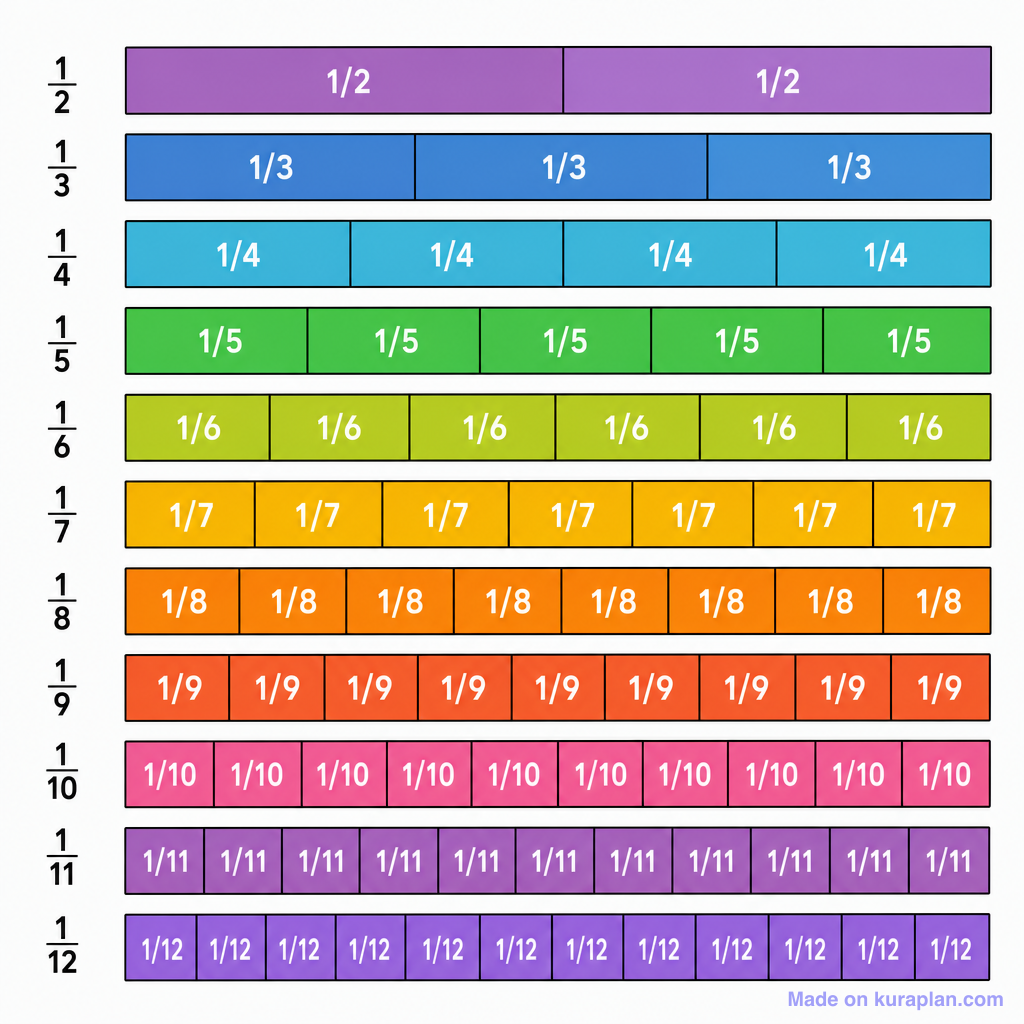
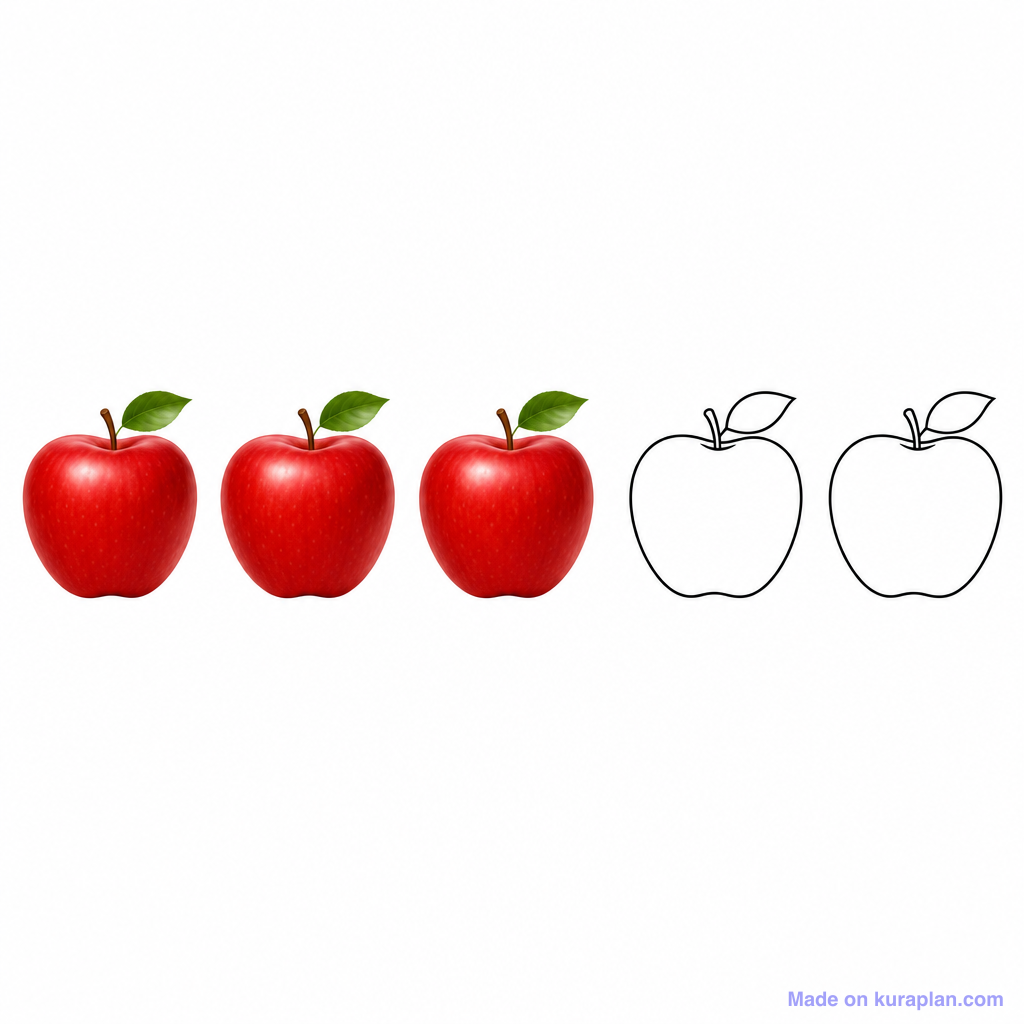
A fraction represents part of a whole Written as numerator/denominator Numerator = parts we have Denominator = total equal parts Example: 3/4 means 3 out of 4 equal parts

Understanding Decimals
Decimals use place value system Based on powers of 10 Decimal point separates whole and fractional parts 0.5 = 5 tenths 0.25 = 25 hundredths Each place value is 10 times smaller than the previous

Percentages Explained
Percent means 'per hundred' or 'out of 100' Uses the % symbol 25% = 25 out of 100 Percentages are everywhere in daily life Used for discounts, test scores, statistics Always compare to 100 as the whole

Converting Between Forms
{"left":"Fraction to Decimal: Divide numerator by denominator\nDecimal to Fraction: Use place value (0.25 = 25/100)\nFraction to Percentage: Convert to decimal, then multiply by 100","right":"Decimal to Percentage: Multiply by 100, add % symbol\nPercentage to Decimal: Divide by 100\nPercentage to Fraction: Write over 100, then simplify"}

Quick Conversion Practice
Convert these fractions to decimals: 1/4 = ? 3/5 = ? 7/10 = ? Check your answers with a partner Show your working out

Real-World Application
A shirt costs $40 and is on sale for 25% off. How much money will you save? What is the sale price? Discuss your method with the class

Common Equivalent Values
1/2 = 0.5 = 50% 1/4 = 0.25 = 25% 3/4 = 0.75 = 75% 1/5 = 0.2 = 20% 1/10 = 0.1 = 10% These are useful to memorize!

Mixed Practice Challenge
Round 1: Convert 3/8 to decimal and percentage Round 2: Convert 0.6 to fraction and percentage Round 3: Convert 35% to decimal and fraction Work in pairs - check each other's work First pair finished correctly wins!

Key Takeaway
Fractions, decimals, and percentages are three different ways to express the same mathematical relationships. Mastering conversions between them opens doors to solving real-world problems with confidence.
More Fractions slide decks
Other ready-to-teach decks on fractions.


Free Fractions images
Drop these illustrations straight into your lesson.