
Lesson 3 - Algorithmic Bias in Modern Society
Understanding How Algorithms Shape Our World Grade 10 Social Studies Exploring Algorithms and Bias - Lesson 2
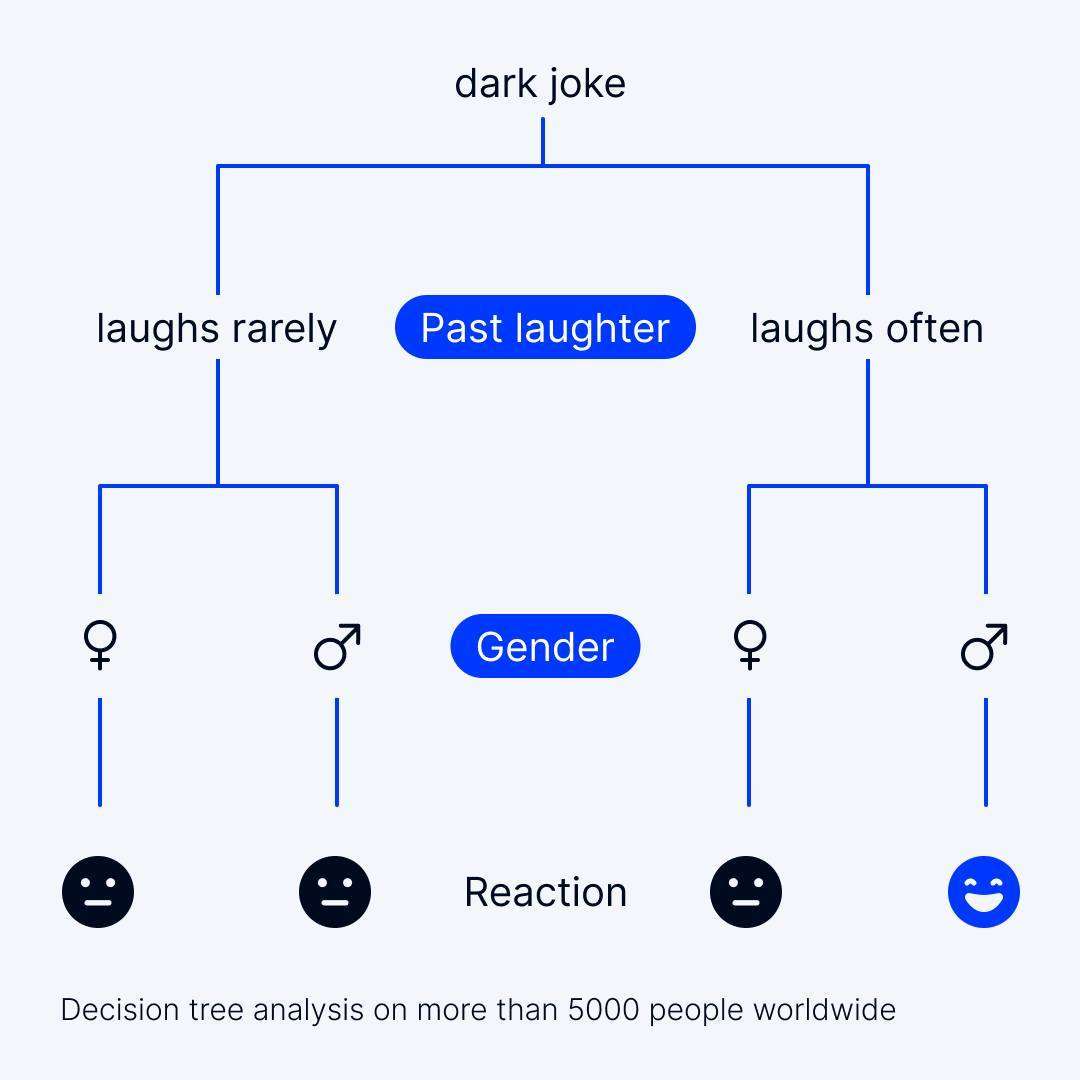
What Are Algorithms?
Step-by-step instructions for solving problems Used in social media, search engines, and decision-making Process data to make predictions or recommendations Can reflect the biases of their creators or training data
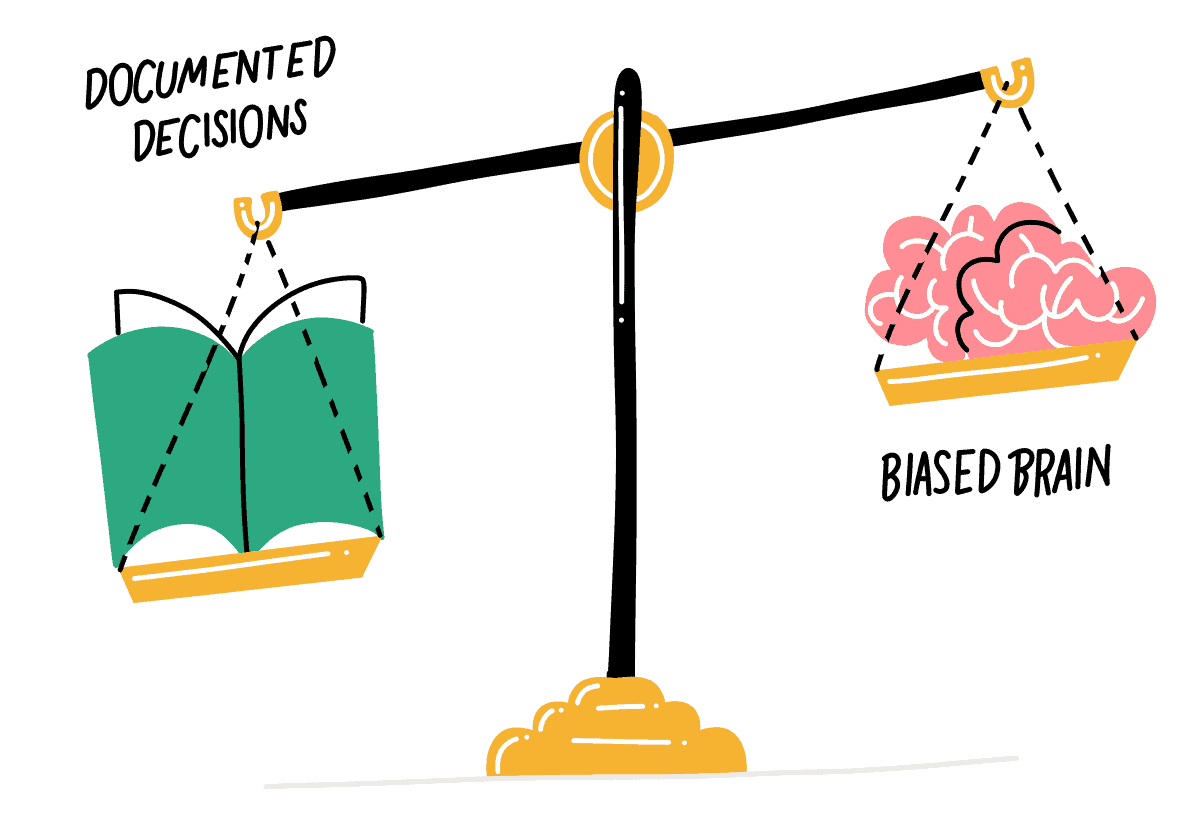
Think About It
What could happen if the algorithms making important decisions about our lives are biased? Consider: job applications, loan approvals, medical diagnoses, police investigations
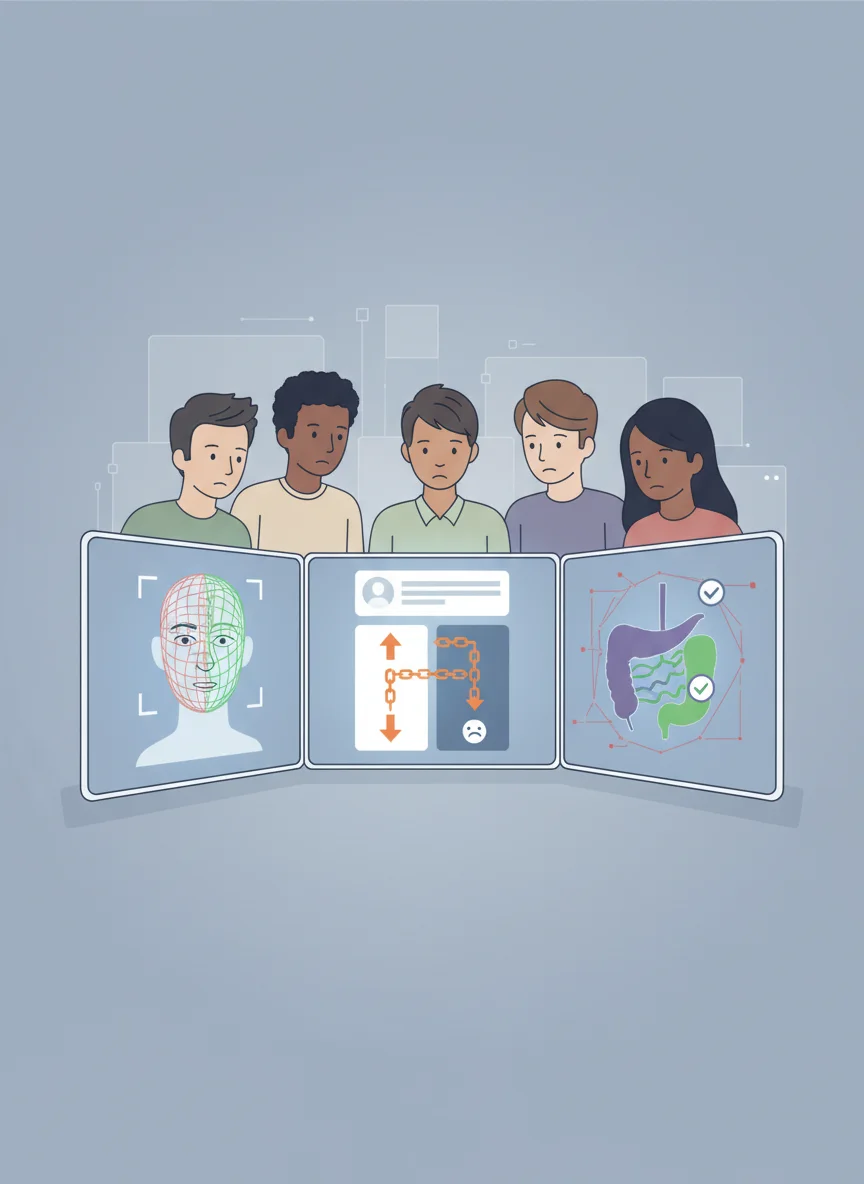
AI Case Studies - Further Reading
Facial recognition bias in law enforcement - MIT studyà Amazon hiring algorithm discriminated against women Google Photos incorrectly tagged Black people as gorillas Predictive policing algorithms target minority neighborhoods Healthcare AI shows racial bias in treatment recommendations Credit scoring algorithms disadvantage certain communities

Case Study Investigation
Form groups of 5 students Each group receives a different case study Analyze: What bias exists? Who is affected? What are the consequences? Prepare a 3-minute presentation for the class
Real-World Consequences
{"left":"Reinforces existing social inequalities\nDisproportionately affects marginalized communities\nCan perpetuate racial and gender discrimination\nOften operates without transparency or accountability","right":"Creates barriers to employment and services\nAffects access to healthcare and education\nCan influence criminal justice outcomes\nMay limit economic opportunities"}
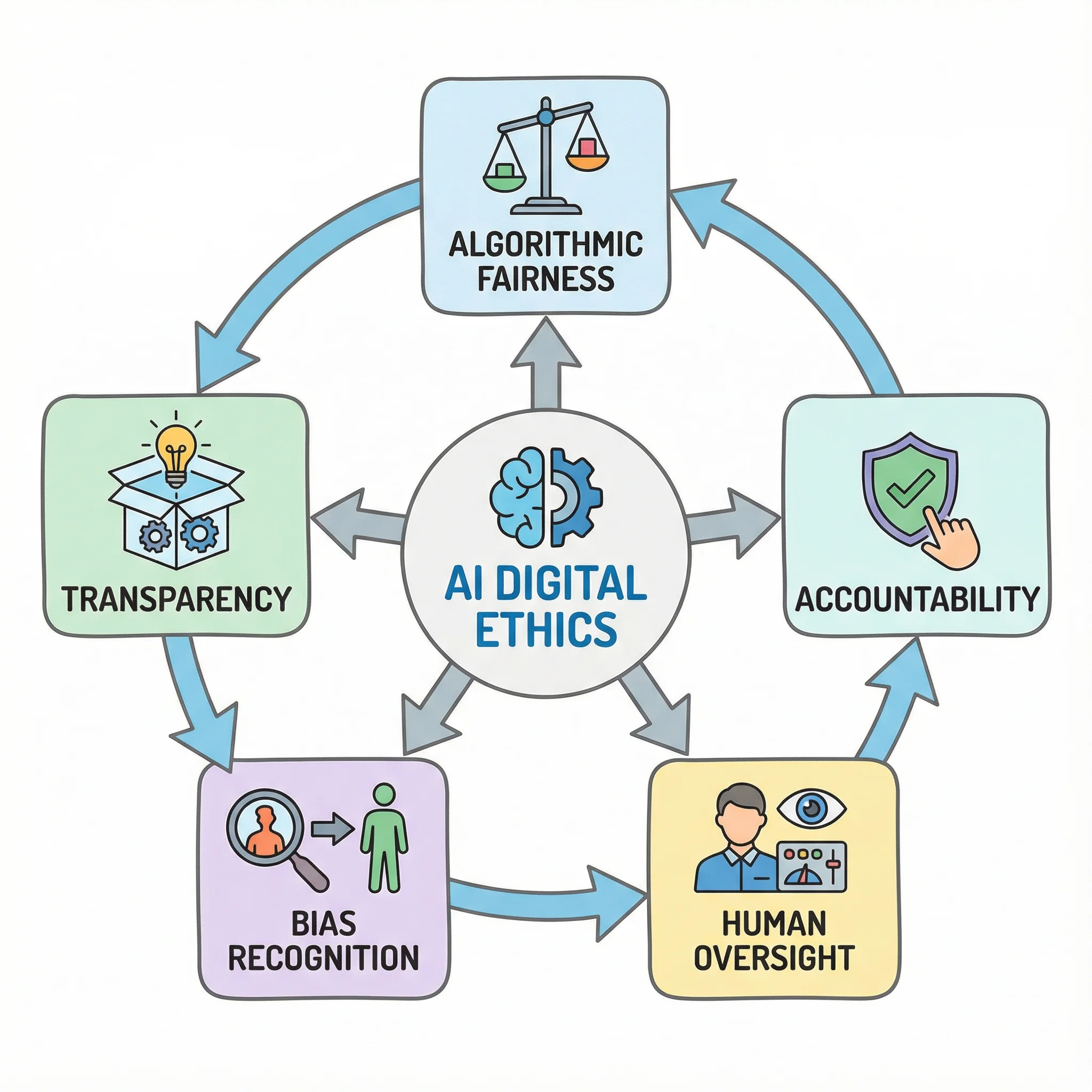
Solutions and Mitigation Strategies
Diverse development teams and inclusive design Transparent algorithms and explainable AI Regular auditing and bias testing Human oversight and appeal processes Diverse and representative training data Legal frameworks and ethical guidelines

Reflection
"What is the most important ethical issue around algorithmic bias, and how should society address it?"
1 more slide available after you open the deck.
Download all 9 slides