
AI for Math Teachers
Transform your math teaching with AI-powered tools designed specifically for mathematics educators
Create engaging math lessons, generate practice problems, build visual aids, and save hours of planning time. Kuraplan's AI understands math pedagogy and curriculum standards to help you teach with confidence.
Features Built for Mathematics Teachers
Discover how Kuraplan's AI tools are specifically designed to help mathematics educators
Math Presentation Slides
Turn math lessons into engaging slideshows with visual examples, step-by-step solutions, and interactive elements. Perfect for teaching new concepts, reviewing material, or explaining problem-solving strategies.
Math Lesson Plans in Minutes
Generate comprehensive math lesson plans aligned with curriculum standards. Our AI understands mathematical progression, problem-solving strategies, and differentiated instruction for diverse learners.
Instant Math Practice Problems
Create unlimited math worksheets with practice problems, word problems, and assessments. Generate problems at different difficulty levels, create answer keys, and build student confidence through scaffolded practice.
Visual Math Aids & Diagrams
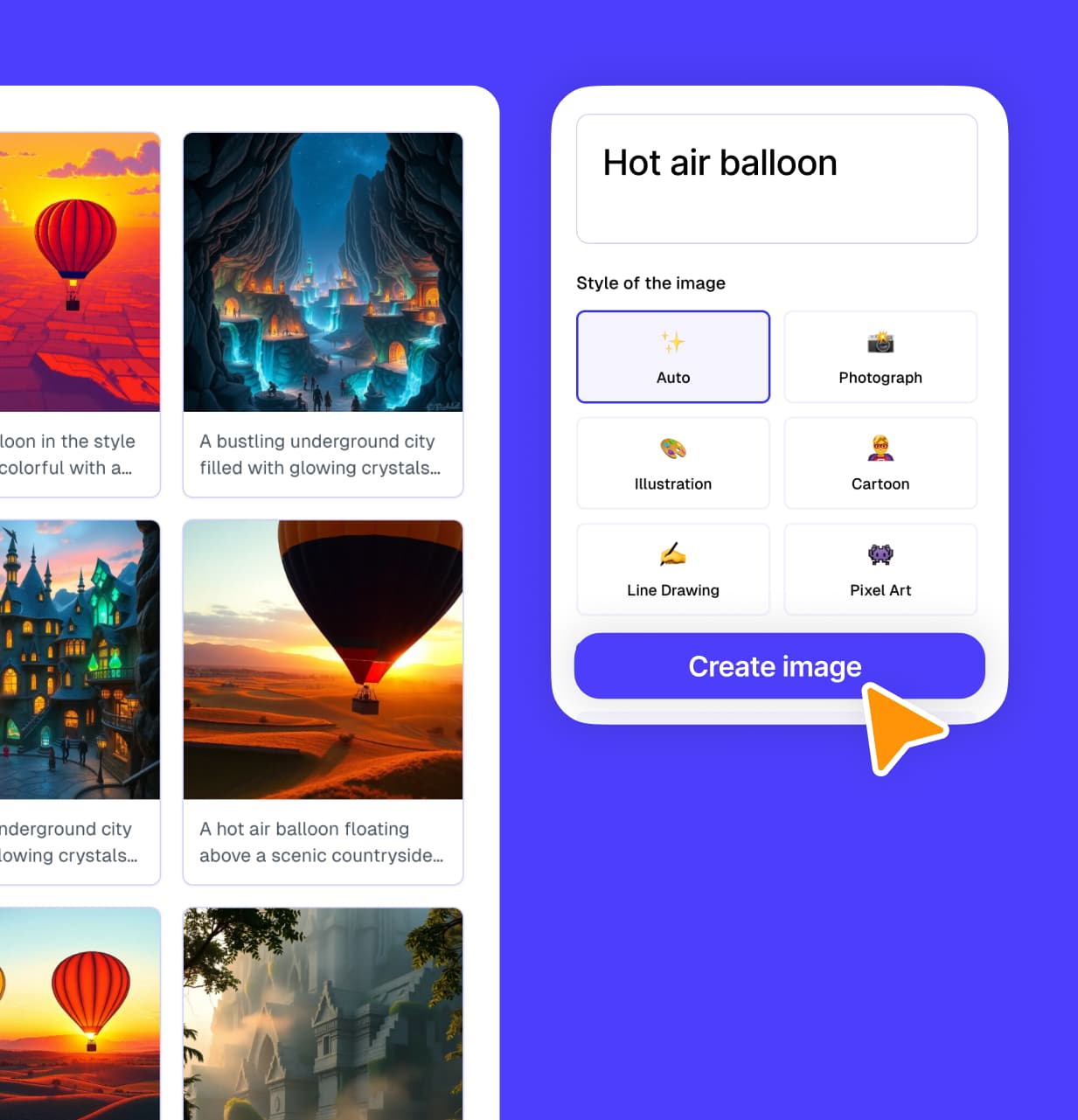
Generate mathematical diagrams, graphs, geometric shapes, and visual representations that help students understand abstract concepts. Create number lines, fraction models, coordinate planes, and more.
Complete Math Unit Plans
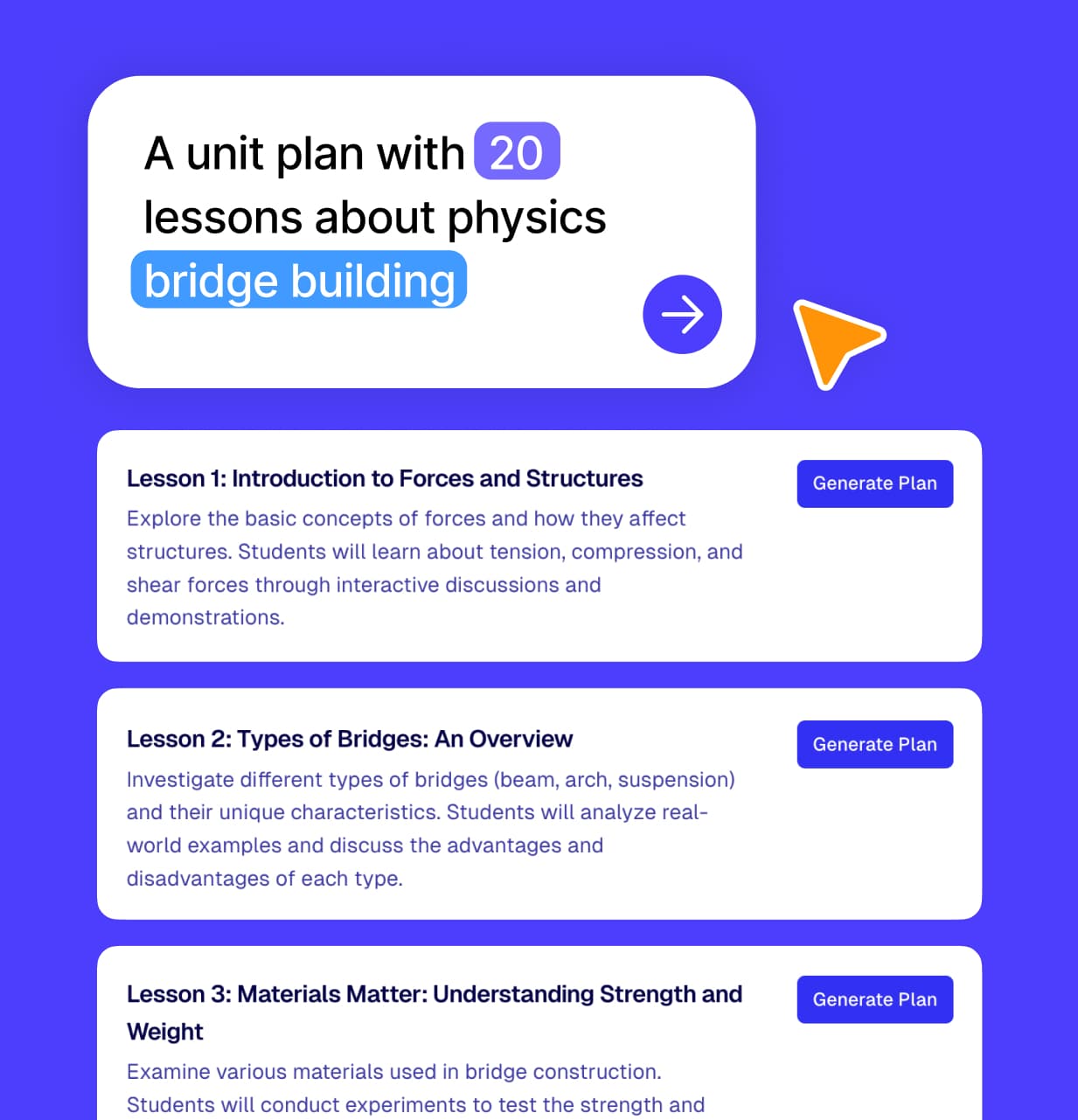
Design comprehensive math units that build understanding progressively. Plan entire units with interconnected lessons, formative assessments, and summative evaluations aligned to curriculum standards.
Math Teaching Assistant
Get instant help with math pedagogy, problem-solving strategies, differentiation techniques, and curriculum questions. Your AI assistant understands math education and can help brainstorm activities and troubleshoot challenges.
Mathematics Lesson Plan Examples
Explore ready-to-use lesson plans created by mathematics teachers
Popular Clipart for Mathematics Teachers
Free printable mathematics illustrations and diagrams — labelled, classroom-ready, CC BY-NC 4.0
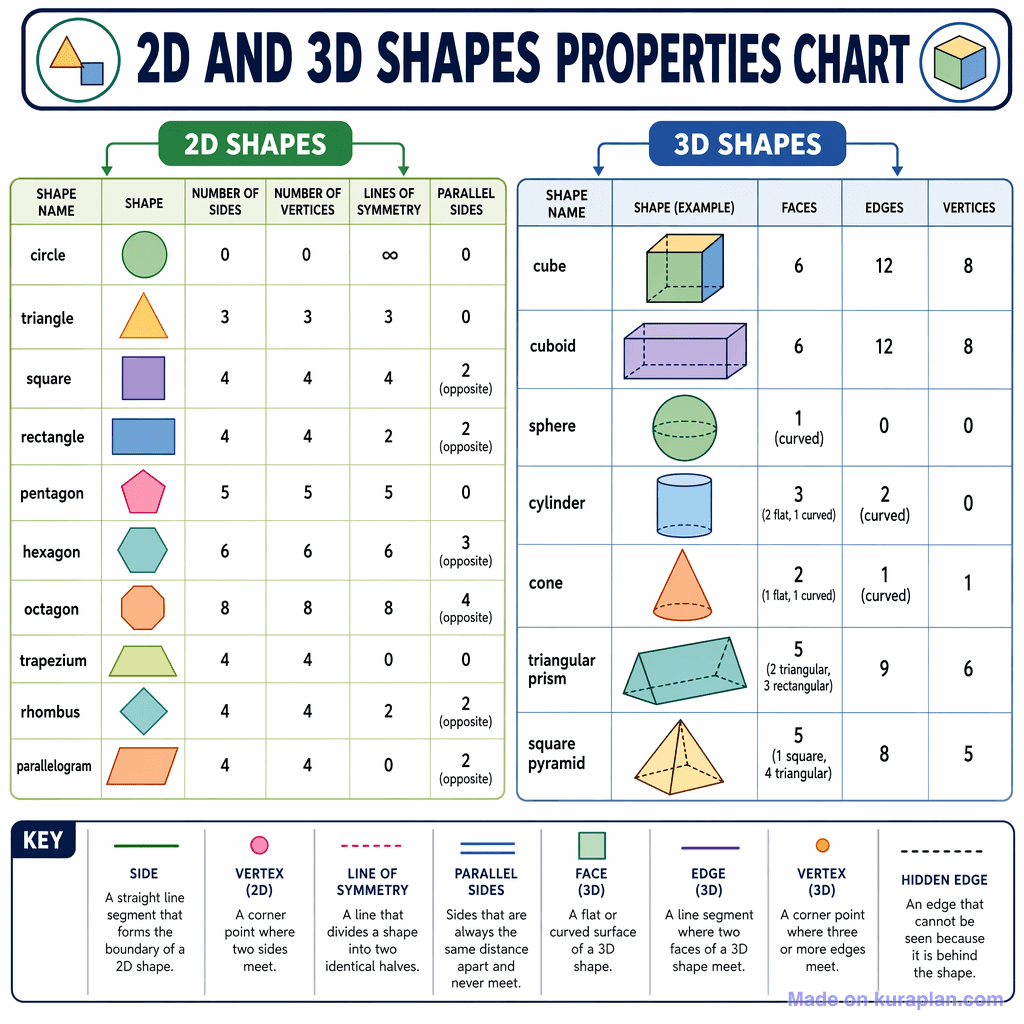
2D and 3D Shapes Properties Chart (detailed)
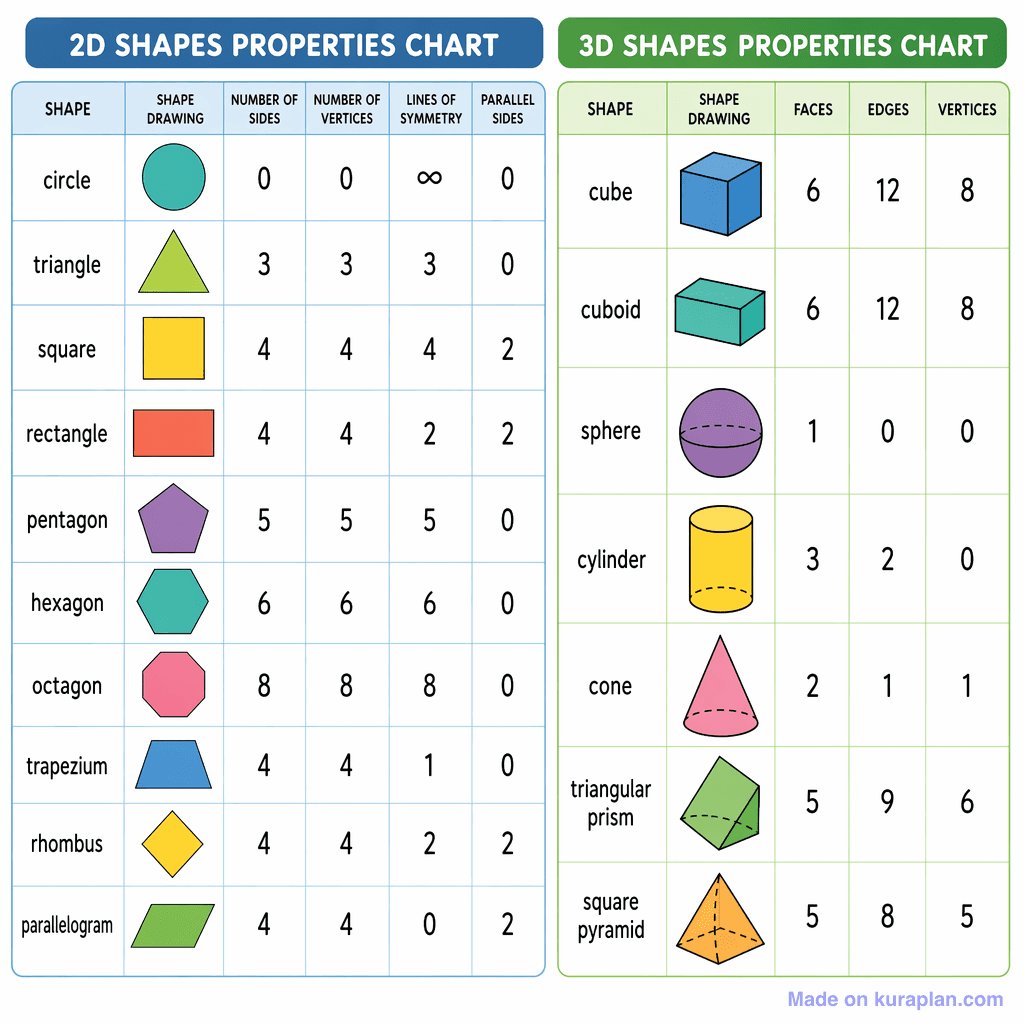
2D and 3D Shapes Properties Chart (simple)
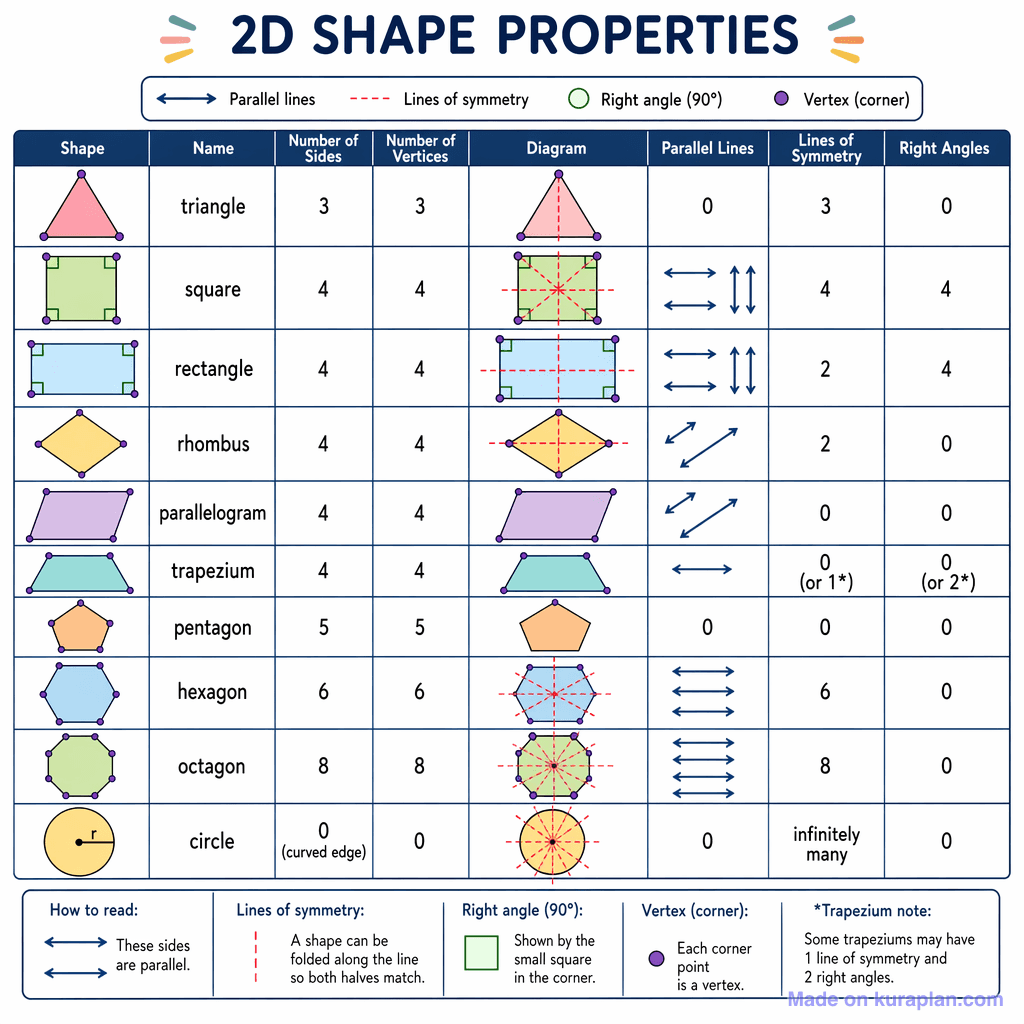
2D Shape Properties (detailed)
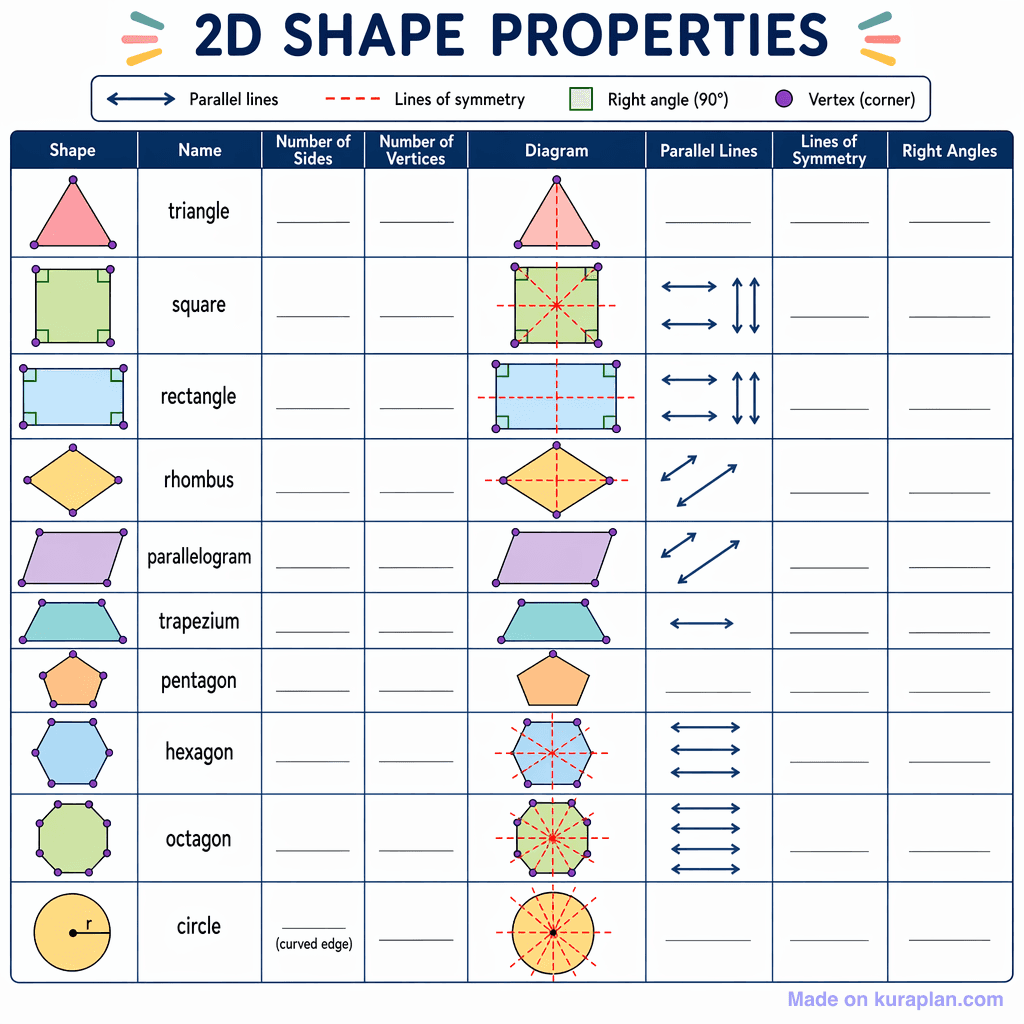
2D Shape Properties (detailed, unlabeled)
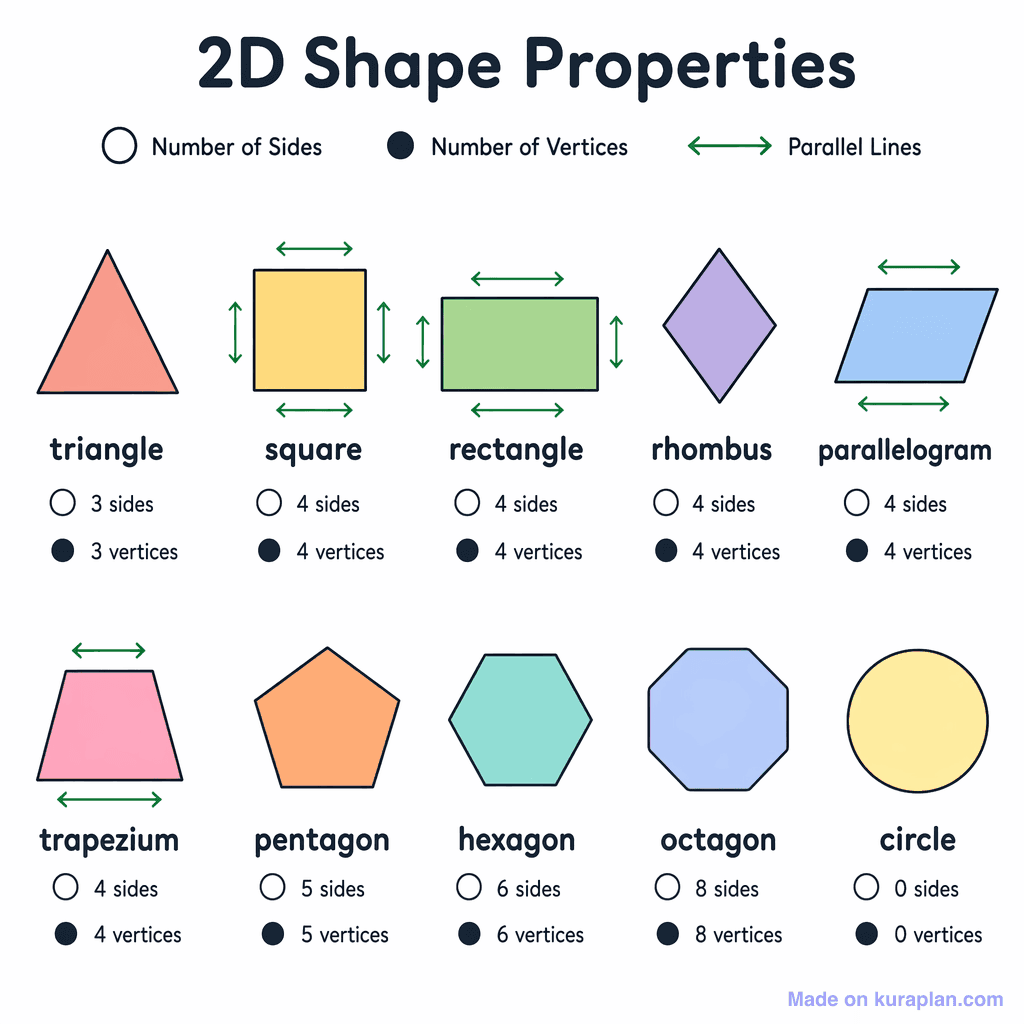
2D Shape Properties (simple)
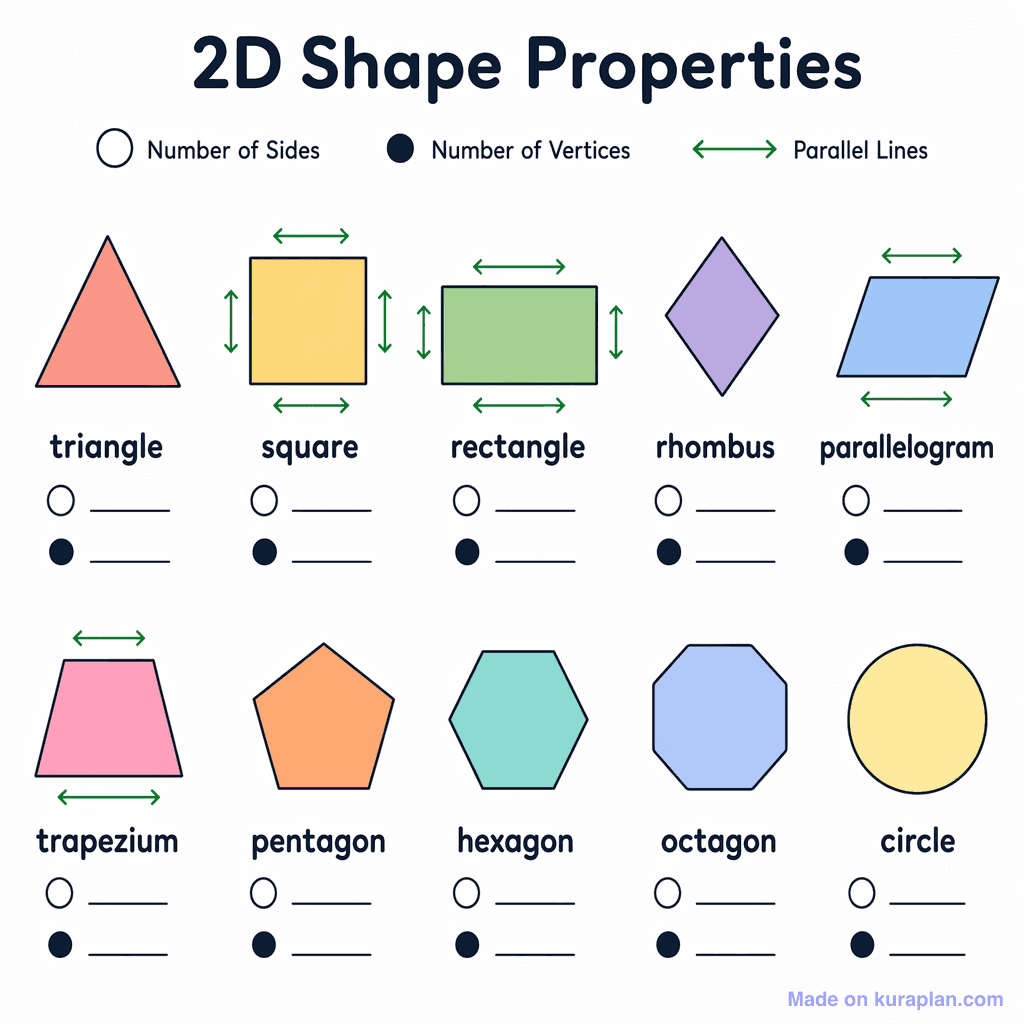
2D Shape Properties (simple, unlabeled)
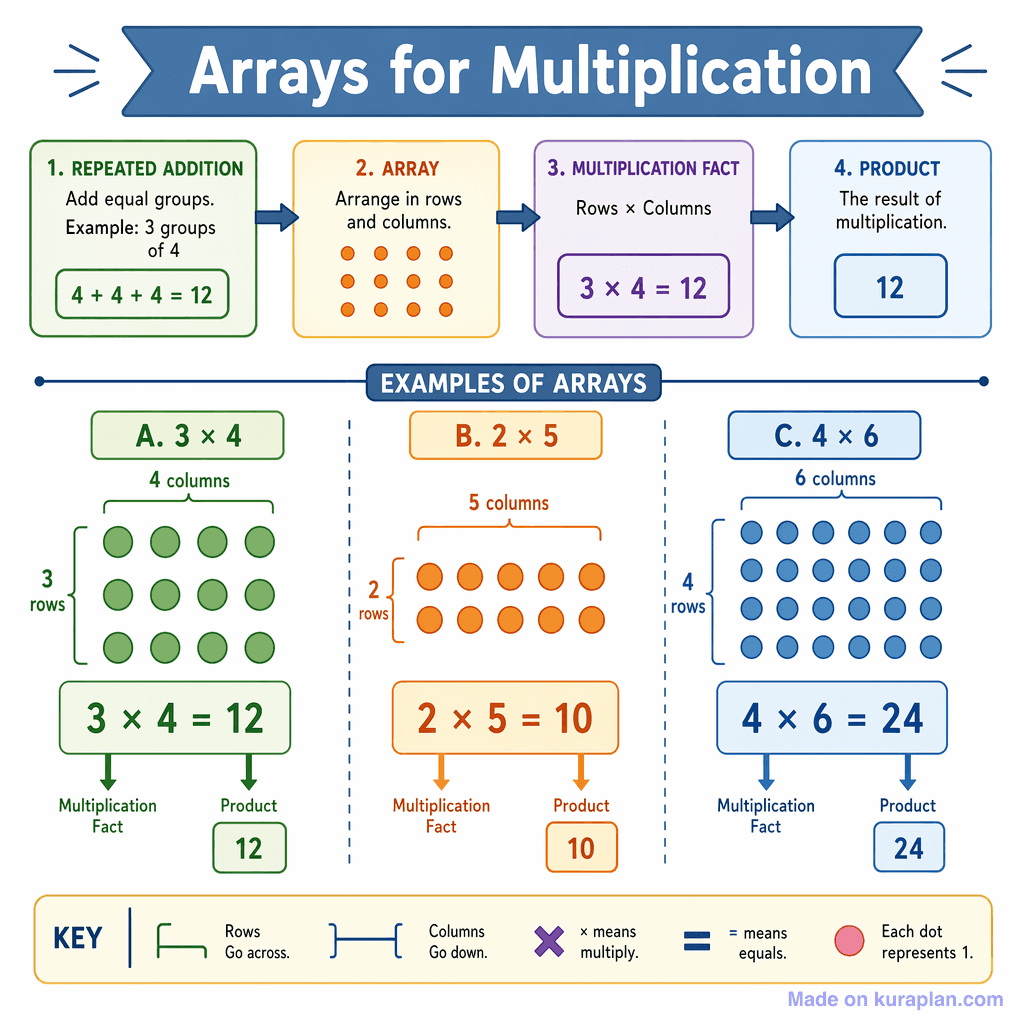
Arrays for Multiplication (detailed)
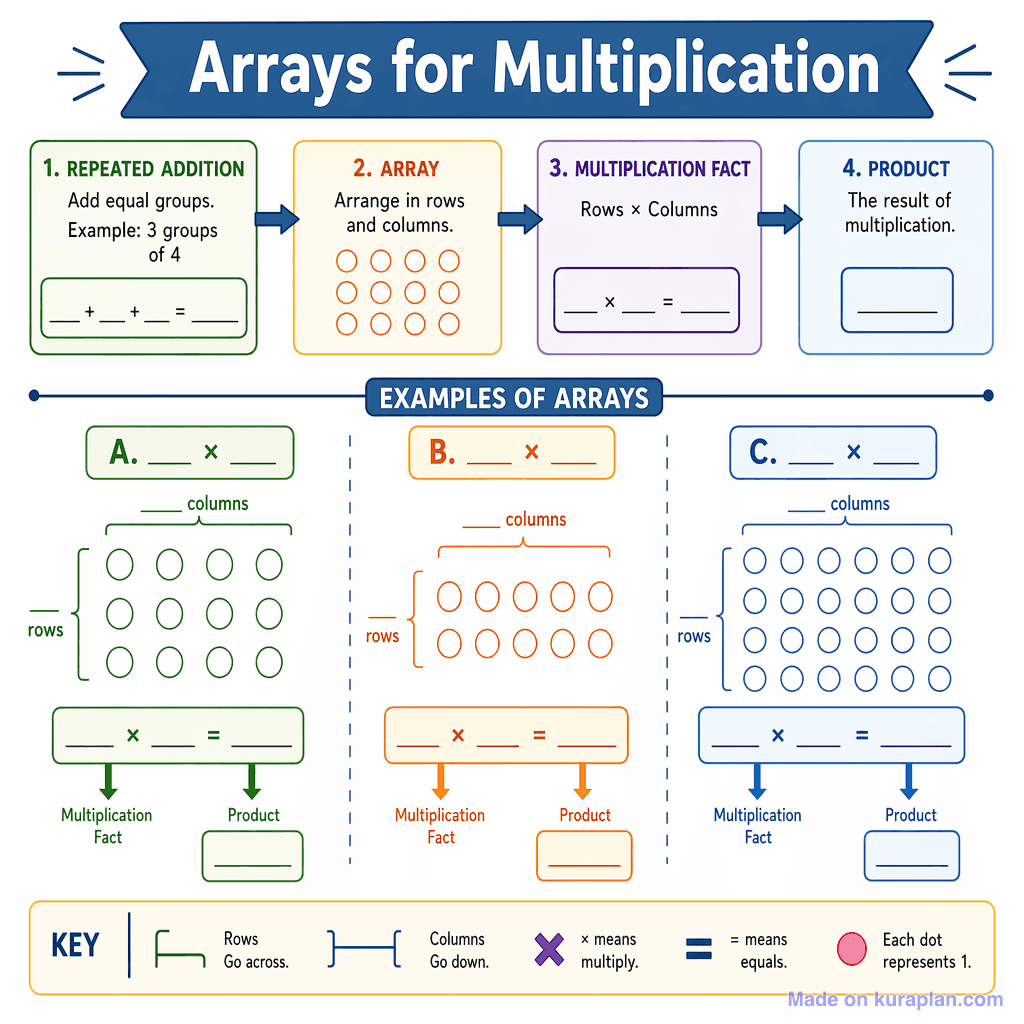
Arrays for Multiplication (detailed, unlabeled)
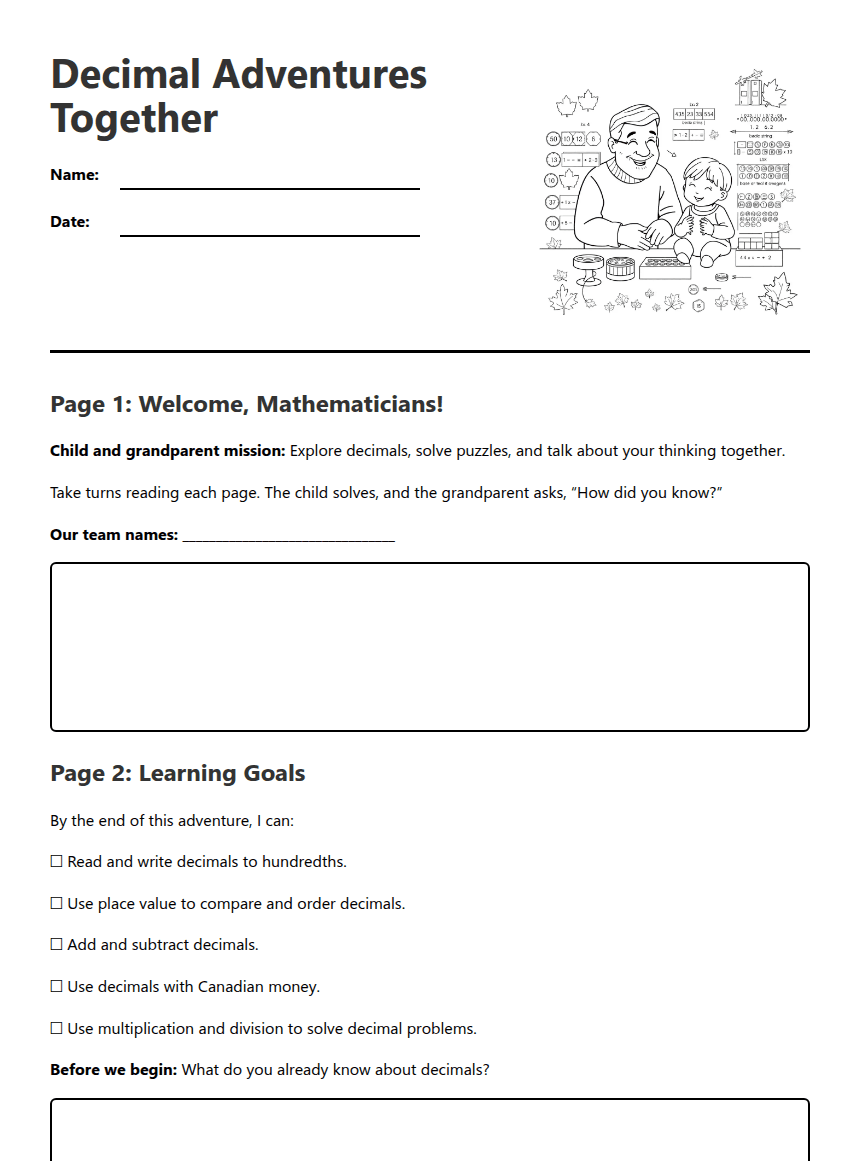
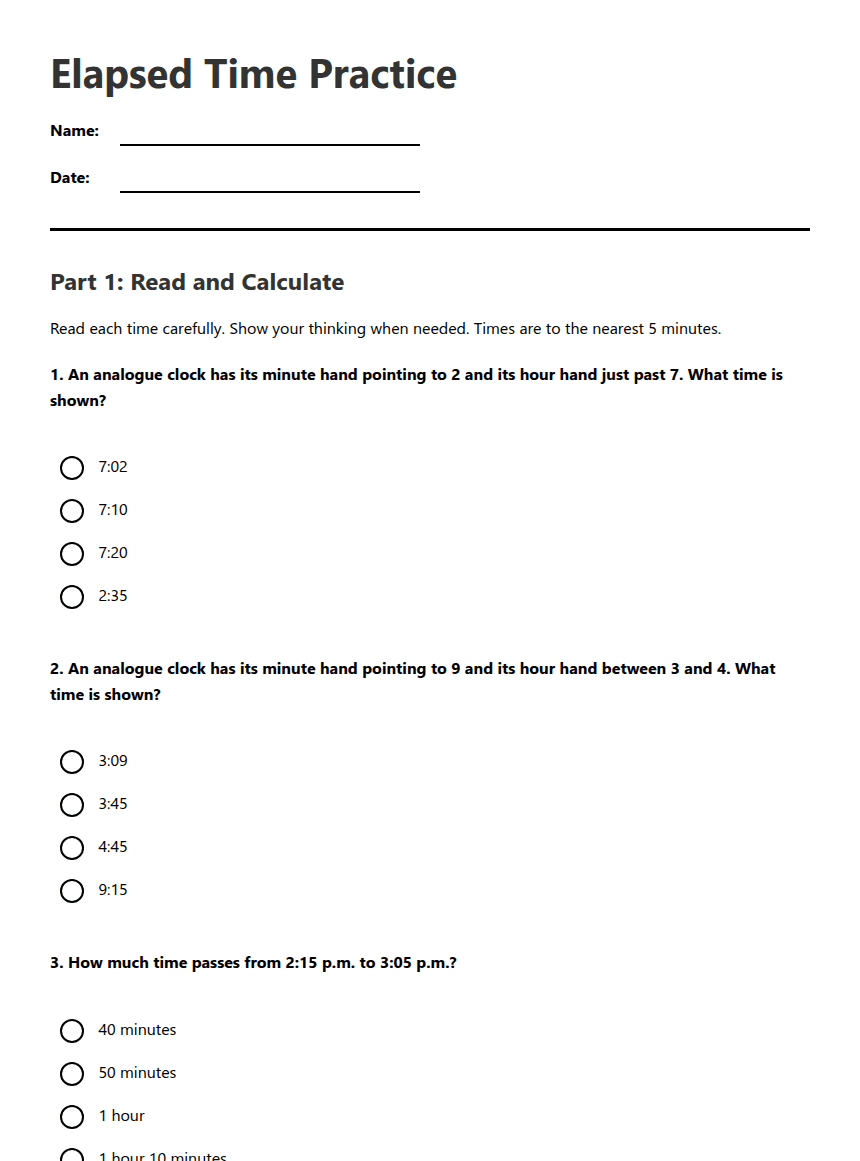
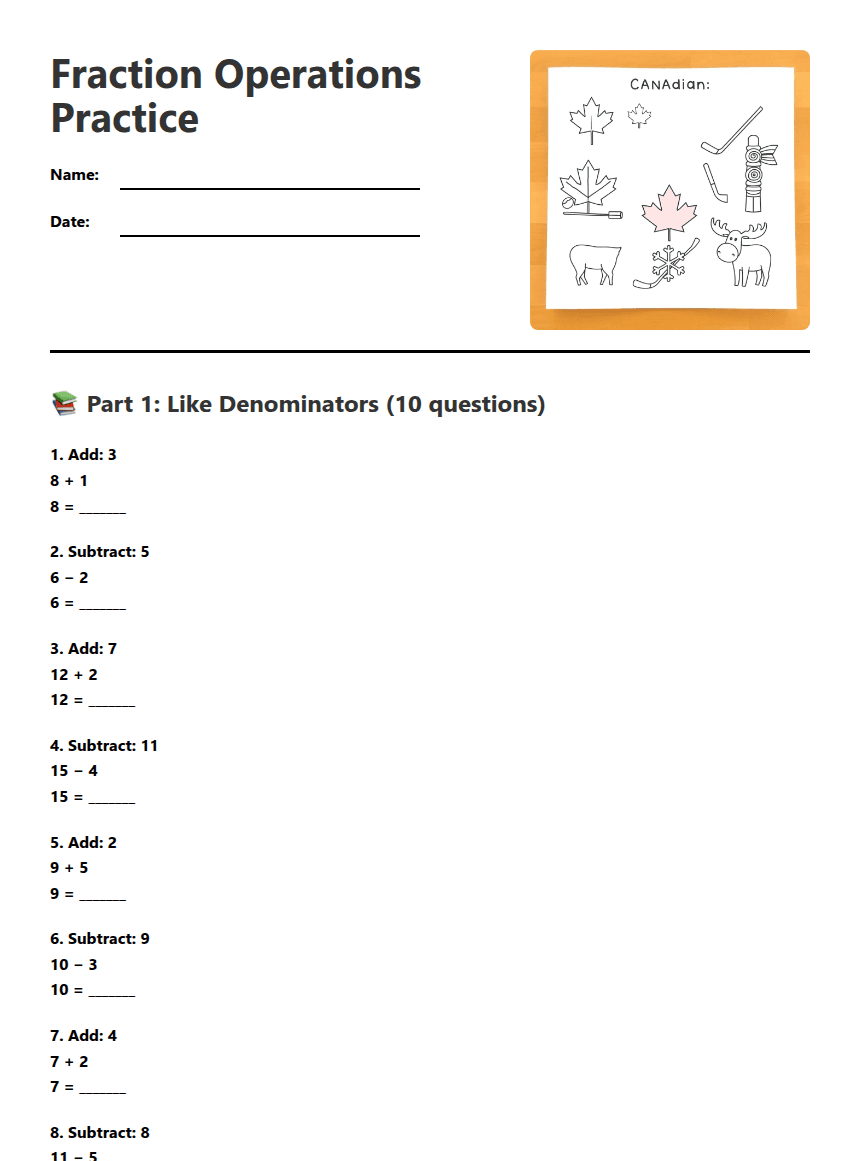
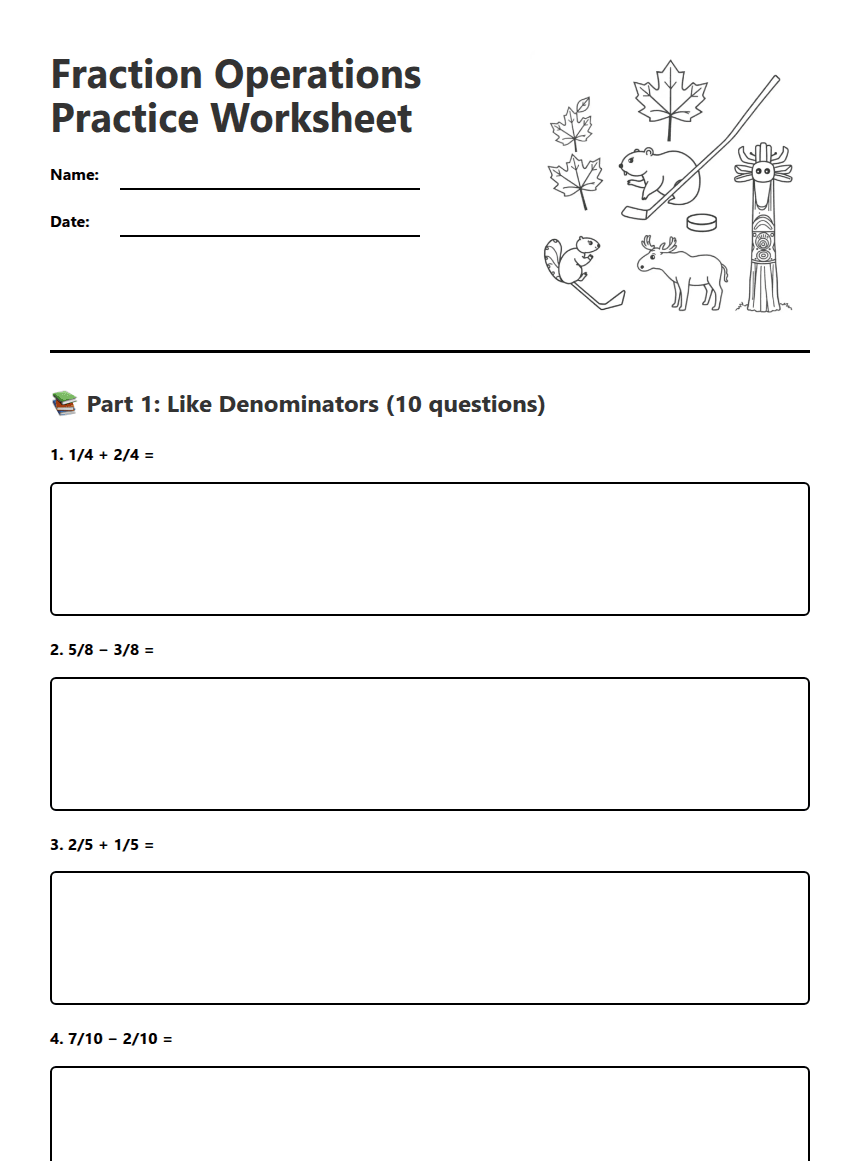
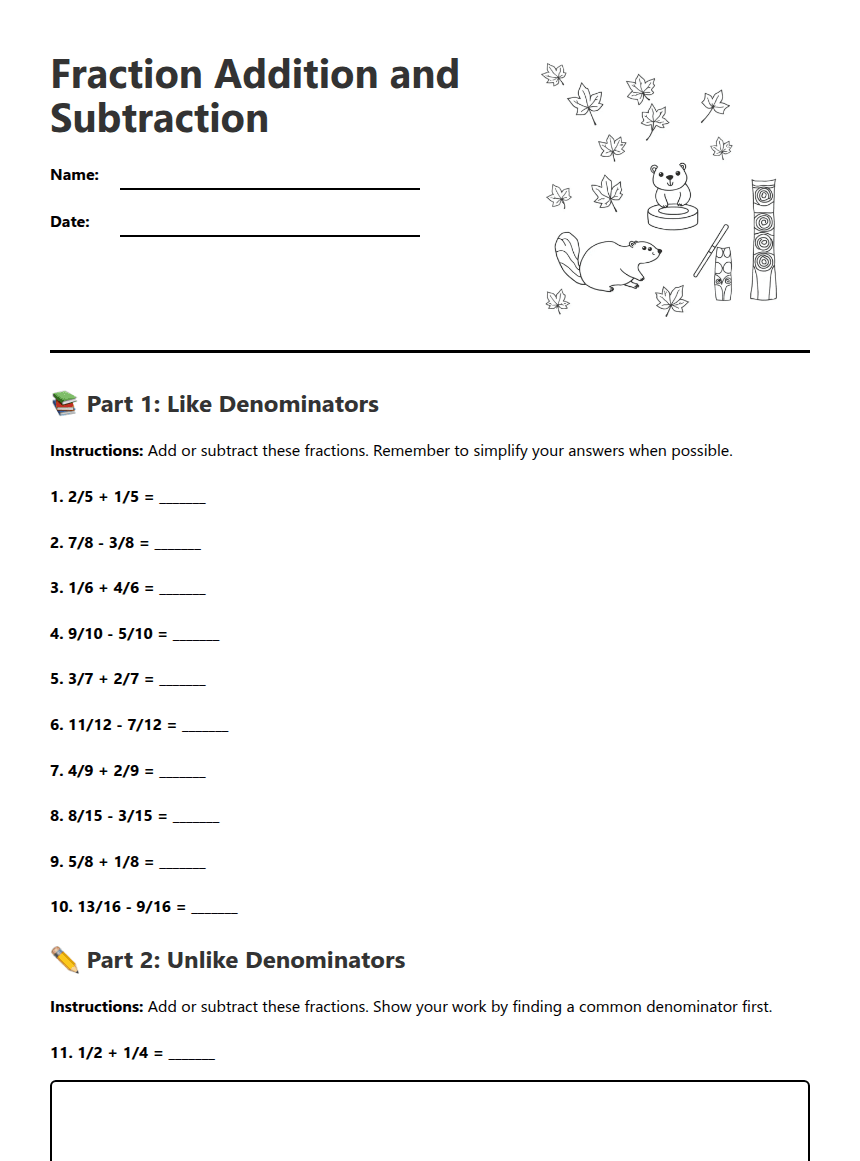
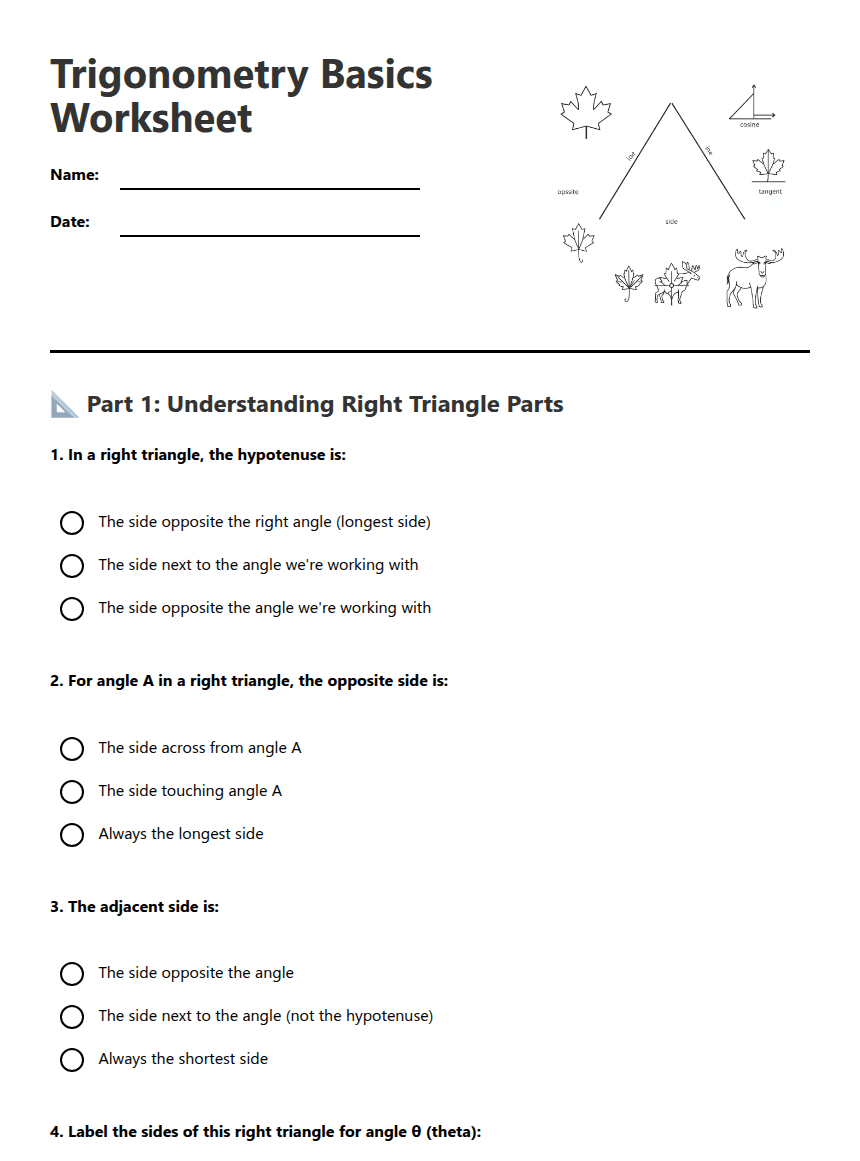
Free Mathematics Worksheets
Ready-to-print worksheets used by mathematics teachers
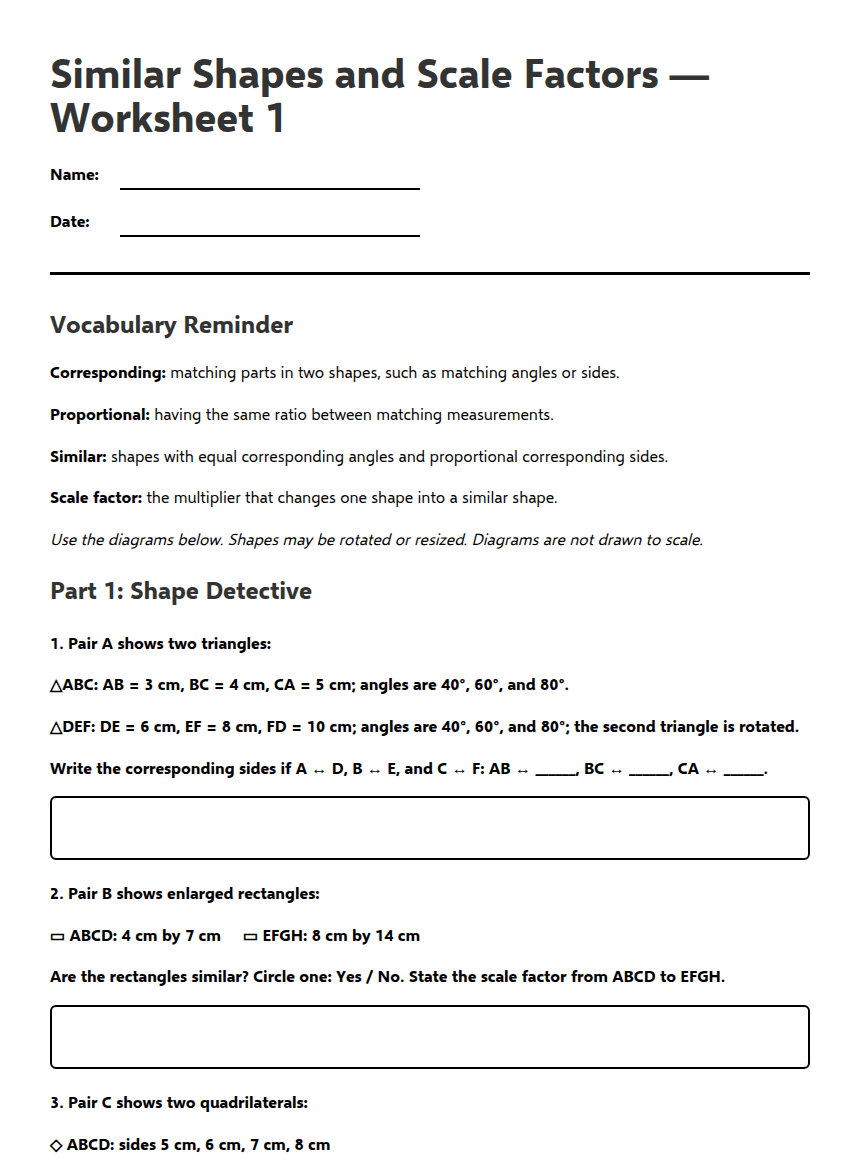
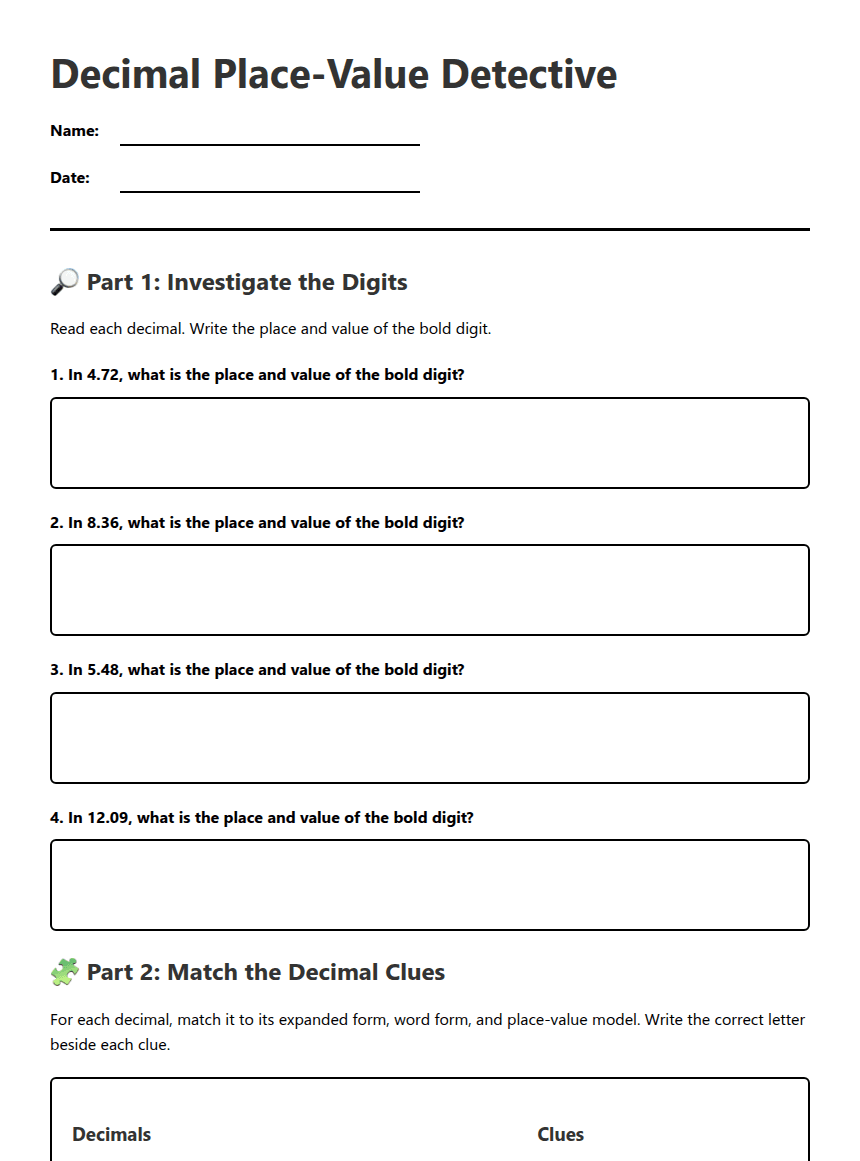
Mathematics Teaching Slides
Ready-to-teach slide decks aligned to the mathematics curriculum

Comparing Lines and Time Durations

Nested Triangles: Exploring the Pythagorean Theorem

Grade 4 Money Basics Explained

Solving Two-Step Equations Together

Math Detectives: Add & Subtract!

Solving Math Problems: Addition & Subtraction!

Adding & Subtracting to 100!

Adding & Subtracting to 100!
Why Math Teachers Love Using AI Tools
The Challenge of Teaching Mathematics Today
Teaching mathematics in today's classroom presents unique challenges that previous generations of educators never faced. Students arrive with vastly different skill levels, learning styles, and mathematical backgrounds. Some grasp abstract concepts immediately while others need concrete, hands-on experiences to build understanding. Meanwhile, curriculum demands continue to grow, standardized testing pressures mount, and the expectation to differentiate instruction for every learner has never been higher. Math teachers find themselves spending countless hours creating lesson plans, worksheets, assessments, and visual aids—time that could be better spent actually teaching and connecting with students.
How AI is Transforming Math Education
Artificial intelligence is revolutionizing how mathematics teachers prepare for and deliver instruction. Rather than replacing the essential human elements of teaching—building relationships, providing encouragement, and adapting in real-time to student needs—AI tools handle the time-consuming preparation work that once consumed evenings and weekends. Modern AI understands mathematical progressions, knows which prerequisite skills students need before tackling new concepts, and can generate problems at precisely the right difficulty level. This means teachers can focus on what they do best: inspiring students, explaining concepts in multiple ways, and providing the individualized attention that helps struggling learners succeed.
Creating Engaging Math Lessons with AI
One of the biggest advantages of using AI for math lesson planning is the ability to quickly generate engaging, standards-aligned content. Whether you're teaching fractions to third graders, introducing algebraic thinking to middle schoolers, or preparing high school students for calculus, AI tools can create comprehensive lesson plans that include warm-up activities, direct instruction segments, guided practice problems, and independent work—all in minutes rather than hours. These lesson plans incorporate proven pedagogical strategies like concrete-representational-abstract sequencing, multiple representations of mathematical concepts, and built-in opportunities for mathematical discourse and reasoning.
Differentiation Made Simple
Perhaps nowhere is AI more valuable than in creating differentiated materials for diverse learners. Creating three or four versions of the same worksheet at different difficulty levels used to take hours. Now, AI can generate scaffolded practice problems, extension activities for advanced learners, and modified assessments for students who need additional support—all aligned to the same learning objectives. This means every student in your classroom can work on appropriately challenging material while you circulate, provide feedback, and address misconceptions as they arise.
Visual Mathematics and Technology Integration
Mathematics is inherently visual, yet creating high-quality diagrams, graphs, and geometric illustrations has traditionally required specialized software and significant time investment. AI-powered tools can generate coordinate planes, geometric constructions, fraction models, and data displays that help students visualize abstract concepts. Combined with slideshow generation capabilities, teachers can create professional presentations that bring mathematical concepts to life through carefully sequenced visual explanations, worked examples, and interactive problem-solving opportunities.
Join Thousands of Math Teachers Already Using AI
Educators around the world are discovering that AI tools don't diminish their expertise—they amplify it. By automating the mechanical aspects of lesson preparation, AI frees teachers to spend more time on the creative and relational aspects of teaching that make the biggest difference in student outcomes. Whether you teach elementary mathematics, middle school pre-algebra, or advanced high school courses, AI-powered teaching tools can help you create better lessons, reach more students, and reclaim your personal time. The future of math education is here, and it's designed to support teachers, not replace them.
Create your own math lesson in seconds
Kuraplan's AI builds curriculum-aligned lessons, worksheets and slides - free to try.