
Anishinaabe and Cree Cultural Comparison
Exploring Two Distinct Indigenous Nations Grade 8 Indigenous Studies Manitoba, Canada

Learning Objectives
Identify key cultural elements of Anishinaabe and Cree peoples Compare cultures respectfully without judgment Understand the importance of intercultural dialogue Reflect on how cultural diversity enriches Manitoba society

The Anishinaabe Nation
Also known as Ojibwe, Chippewa, or Saulteaux Traditional territories around the Great Lakes region Rich oral traditions and storytelling culture Seven sacred teachings guide their way of life Strong connection to water and woodland environments

The Cree Nation
One of the largest Indigenous groups in Canada Traditional territories span across the boreal forest Known for their adaptability across diverse landscapes Strong hunting, fishing, and trapping traditions Rich linguistic diversity with several dialects

Language and Communication
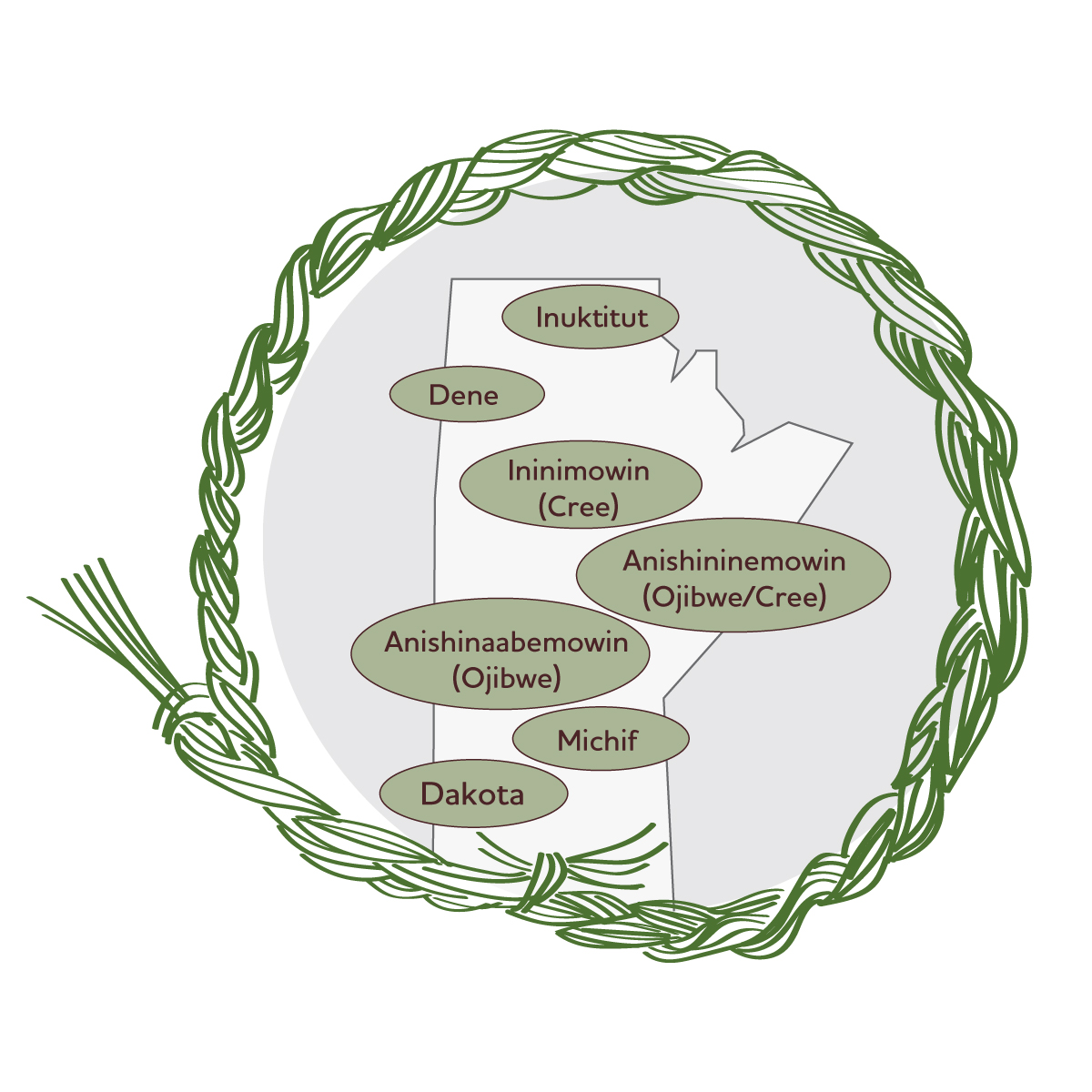
{"left":"Anishinaabemowin is the traditional language\nComplex verb system expressing relationships\nOral traditions preserve history and teachings\nPictographs used for recording important information","right":"Cree language belongs to Algonquian family\nSyllabic writing system developed in 1840s\nStorytelling central to cultural transmission\nDifferent dialects across regions (Plains, Woodland, Swampy)"}

Cultural Comparison Activity
Work in groups of 5 students Complete the comparison chart handout Focus on: Language, Traditional Lands, Cultural Practices, Values Use respectful language in your observations Identify both similarities and differences Prepare to share one insight about each culture
Reflection Question
How can respectful cultural comparison help us build stronger relationships with Indigenous communities in Manitoba? Think about: • What we can learn from different perspectives • How understanding prevents stereotypes • Ways to show respect in our daily lives
Moving Forward Together
Both cultures emphasize respect for all living things Shared values of community and caring for future generations Different approaches enrich our understanding Learning leads to reconciliation and stronger relationships Each culture maintains its unique identity and contributions