Cinematic Arts: Editing and Analysis
Grade 7 Visual Arts Exploring the Art of Film Editing Critical Analysis in Cinema
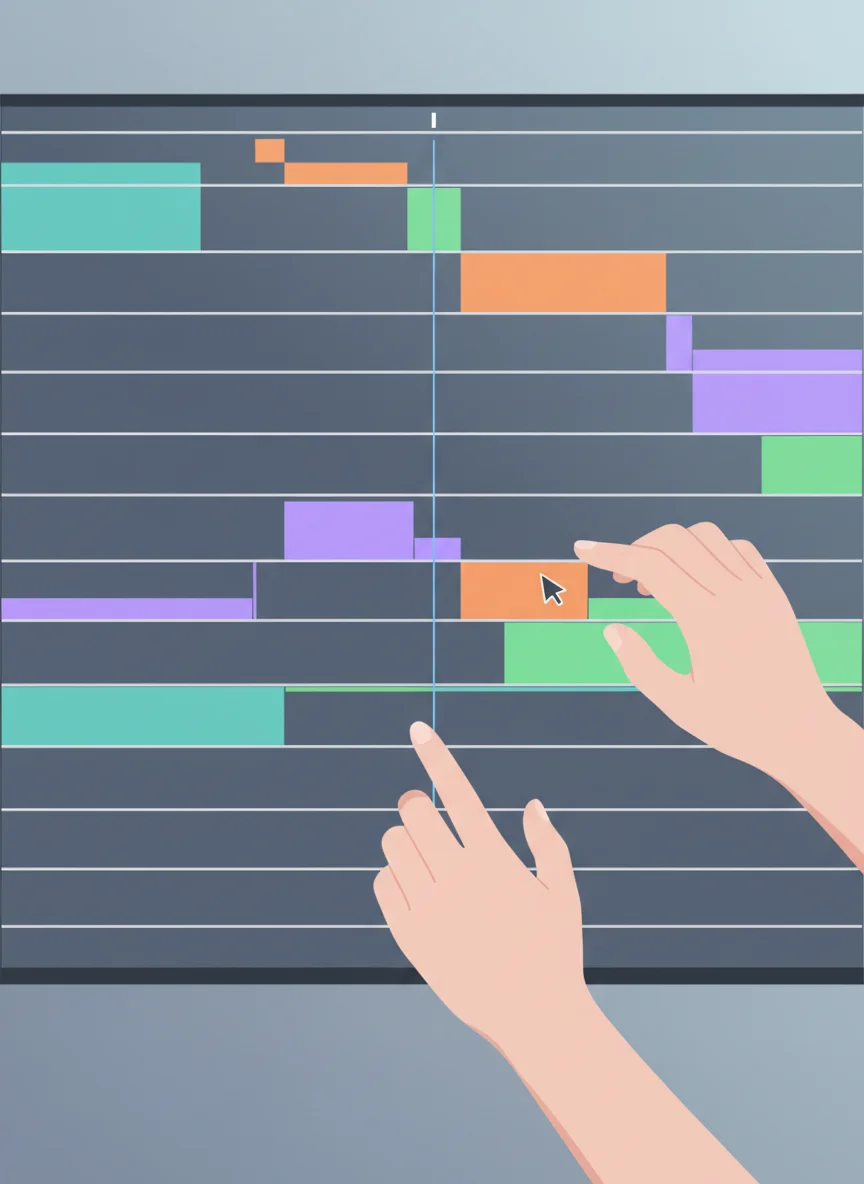
What is Film Editing?
The process of selecting and combining shots Creates rhythm, pace, and meaning Often called the 'invisible art' Tells the story through visual sequences
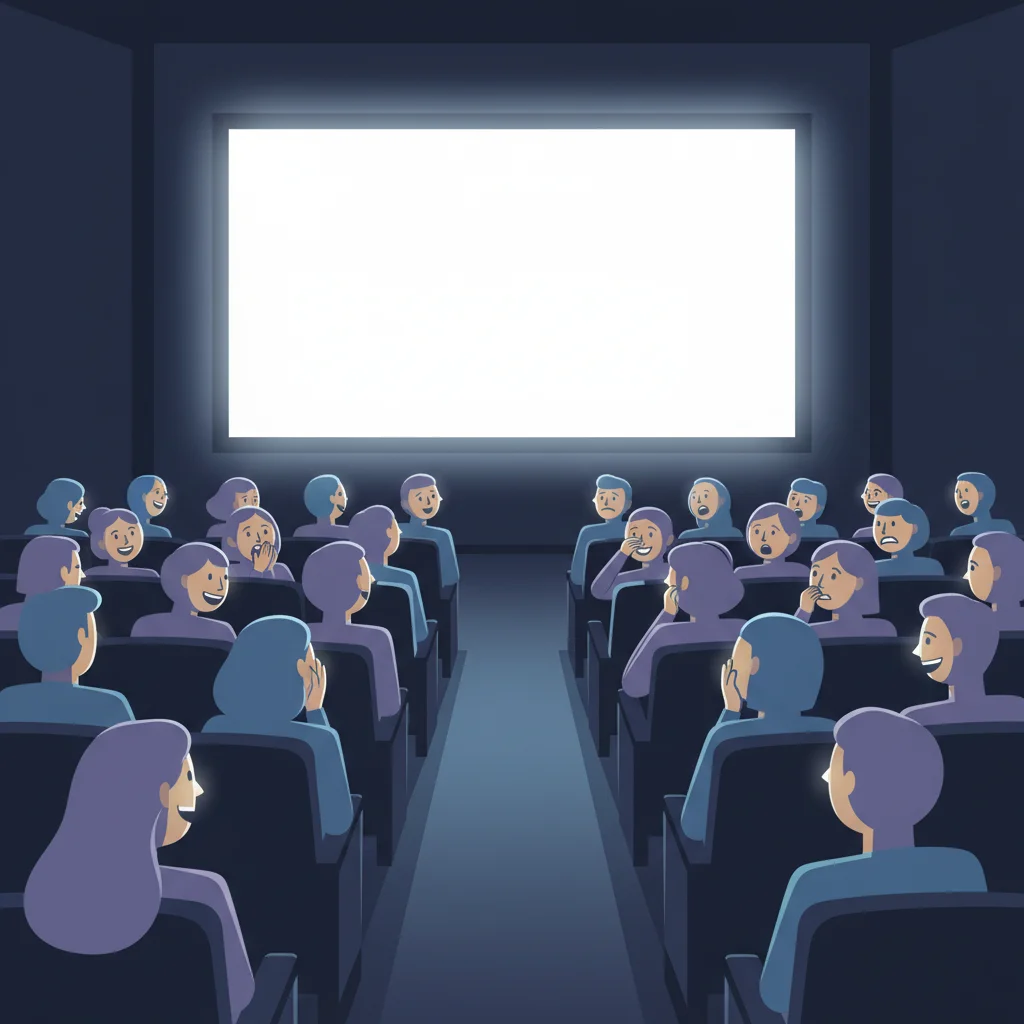
Think About It
Have you ever noticed how movies can make you feel excited, scared, or sad? What role might editing play in creating these emotions?
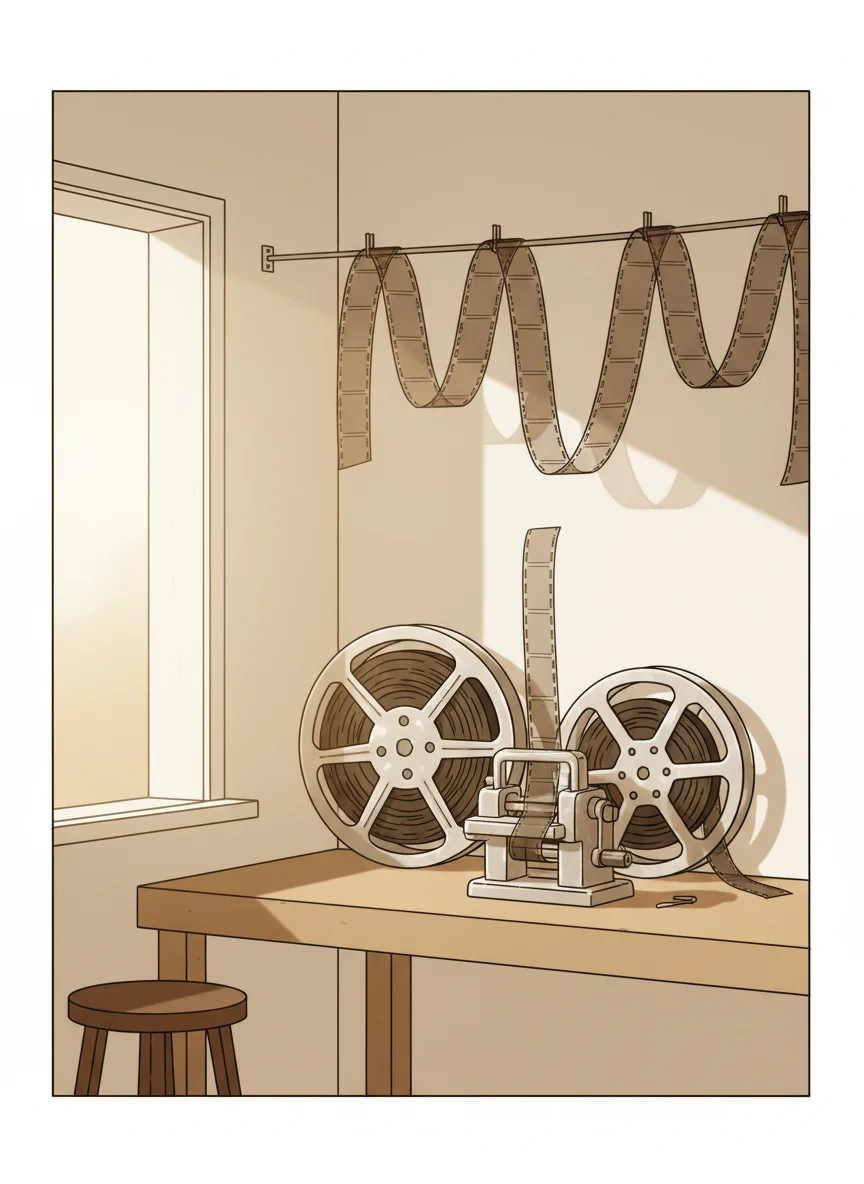
The History of Film Editing
Early films were single, continuous shots Georges Méliès pioneered special effects editing D.W. Griffith developed narrative editing techniques Digital editing revolutionized the process
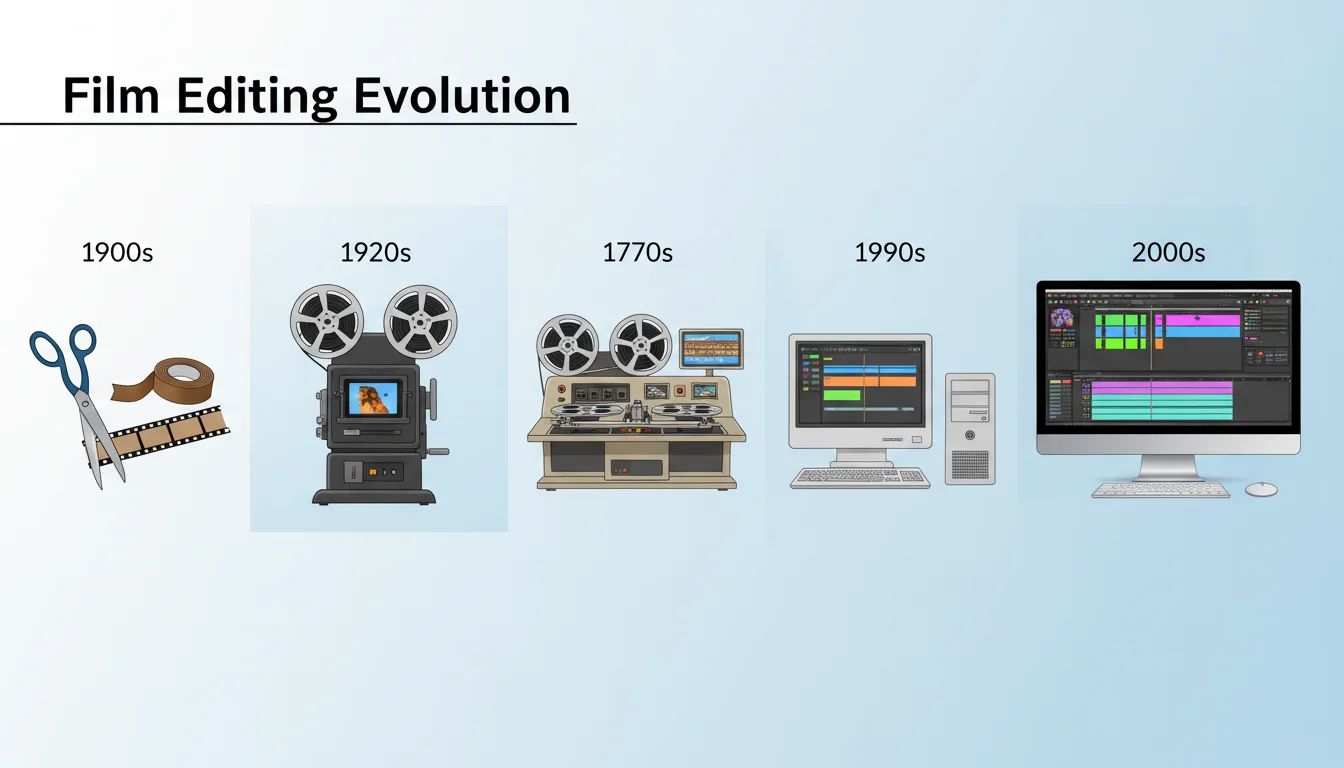
Evolution of Editing Technology Timeline
Types of Cuts
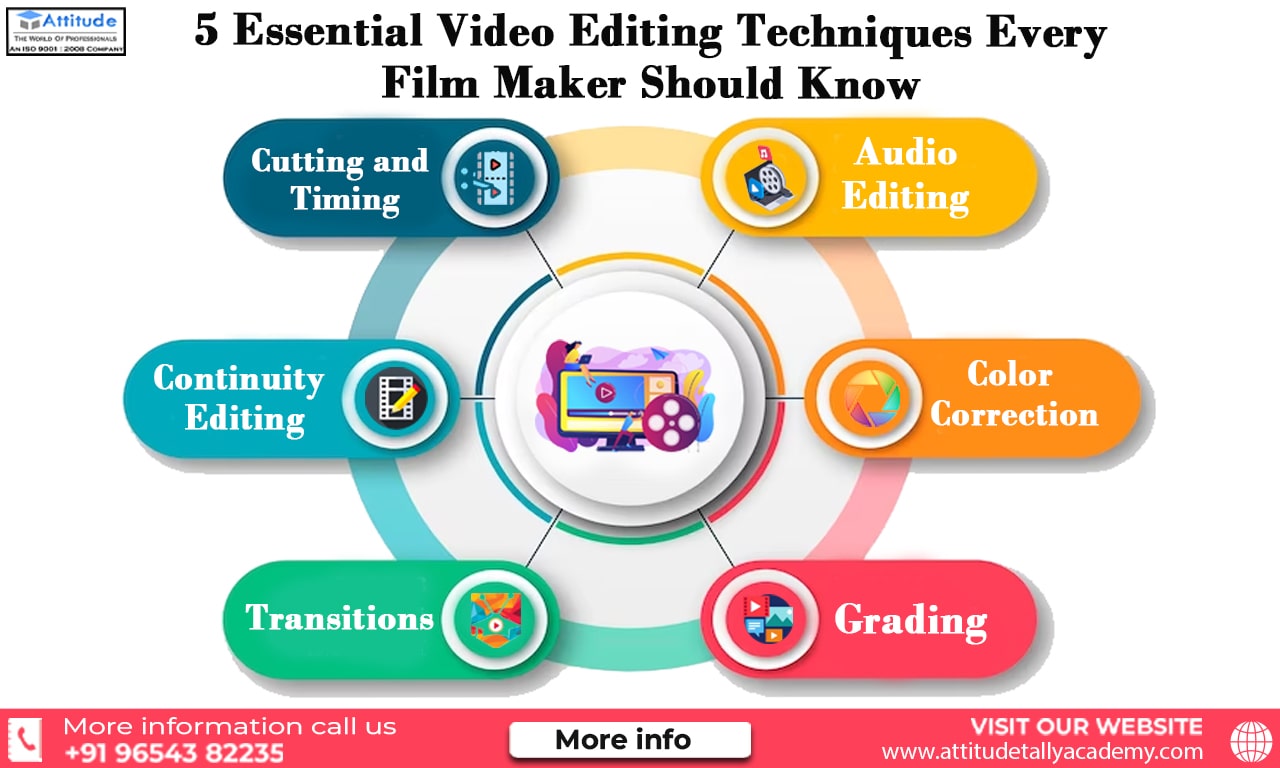
Straight Cut - simple transition between shots Jump Cut - creates energy and urgency Match Cut - connects similar actions or objects Cross Cut - shows parallel action
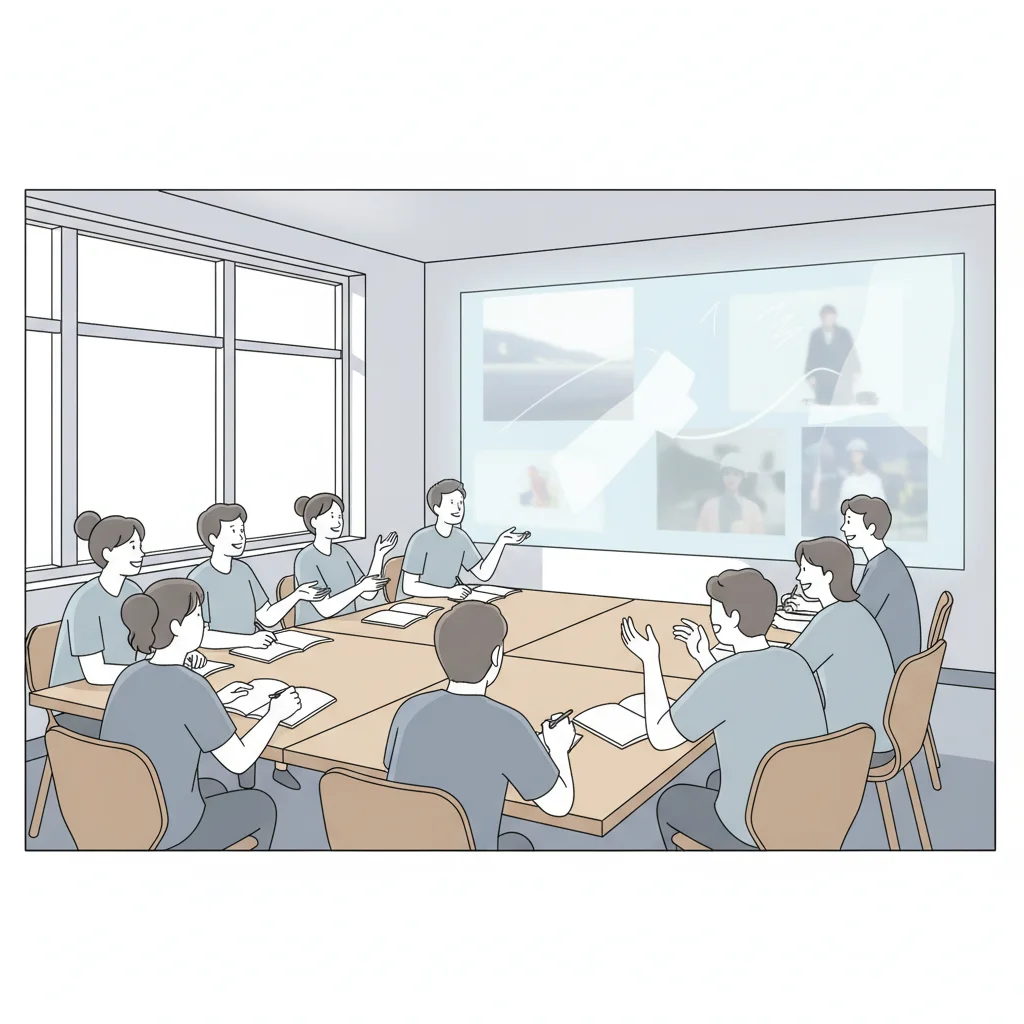
Spot the Cut Activity
Watch short film clips Identify different types of cuts Discuss the effect each cut creates Work in pairs to analyze scenes
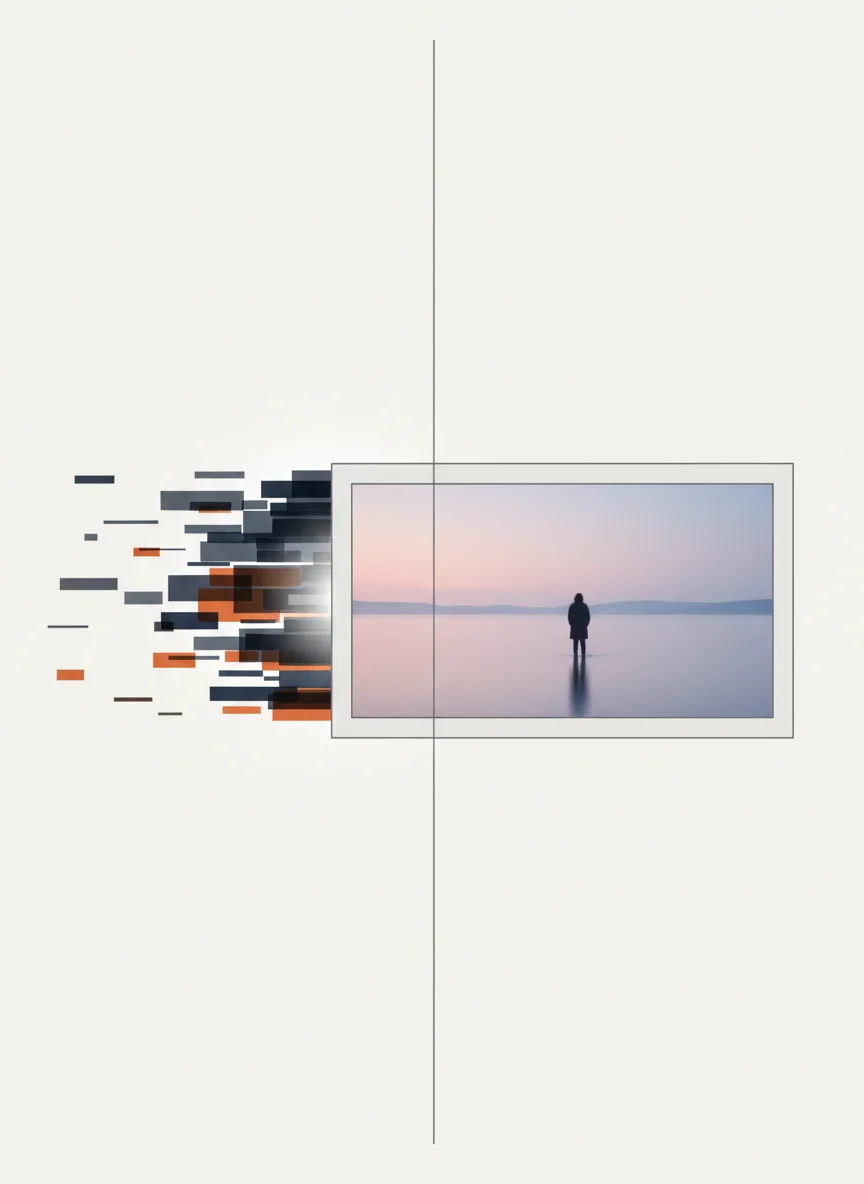
Pacing and Rhythm
Fast cuts create excitement and energy Slow cuts build tension or contemplation Rhythm matches the story's mood Editors use pacing to control audience emotions
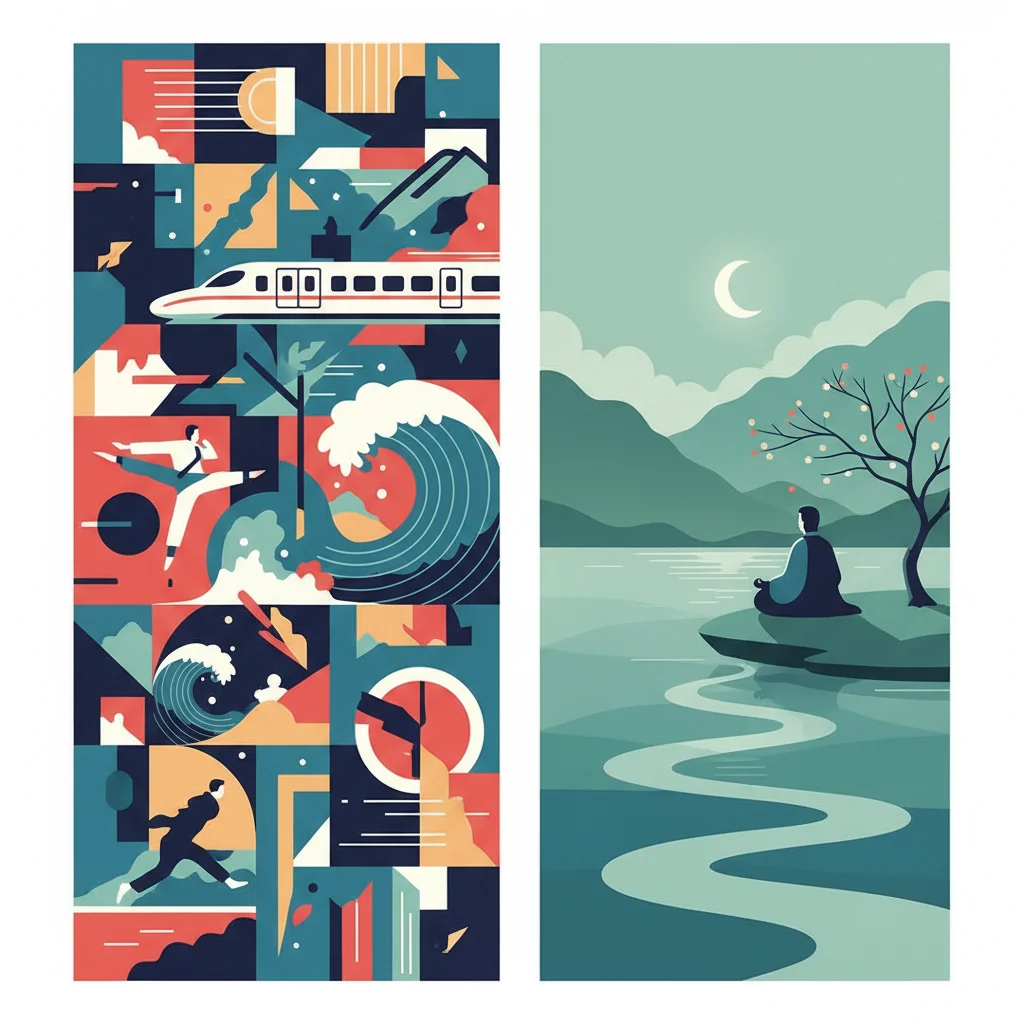
Fast vs. Slow Editing
{"left":"Creates excitement and energy\nUsed in action sequences\nCan create confusion if overused","right":"Builds tension and suspense\nAllows time for emotional connection\nCommon in dramatic scenes"}
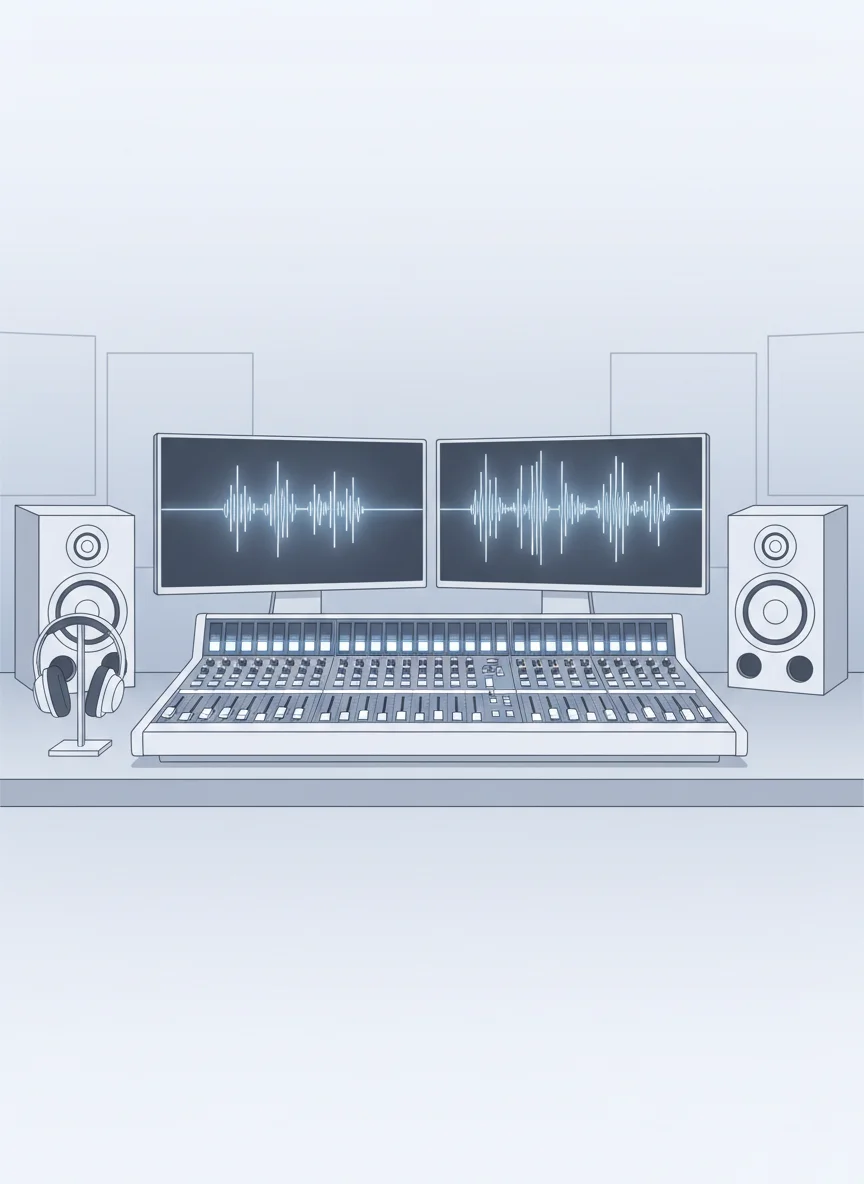
Sound and Music in Editing
Sound bridges connect different scenes Music enhances emotional impact Silence can be powerful too Audio cuts don't always match visual cuts
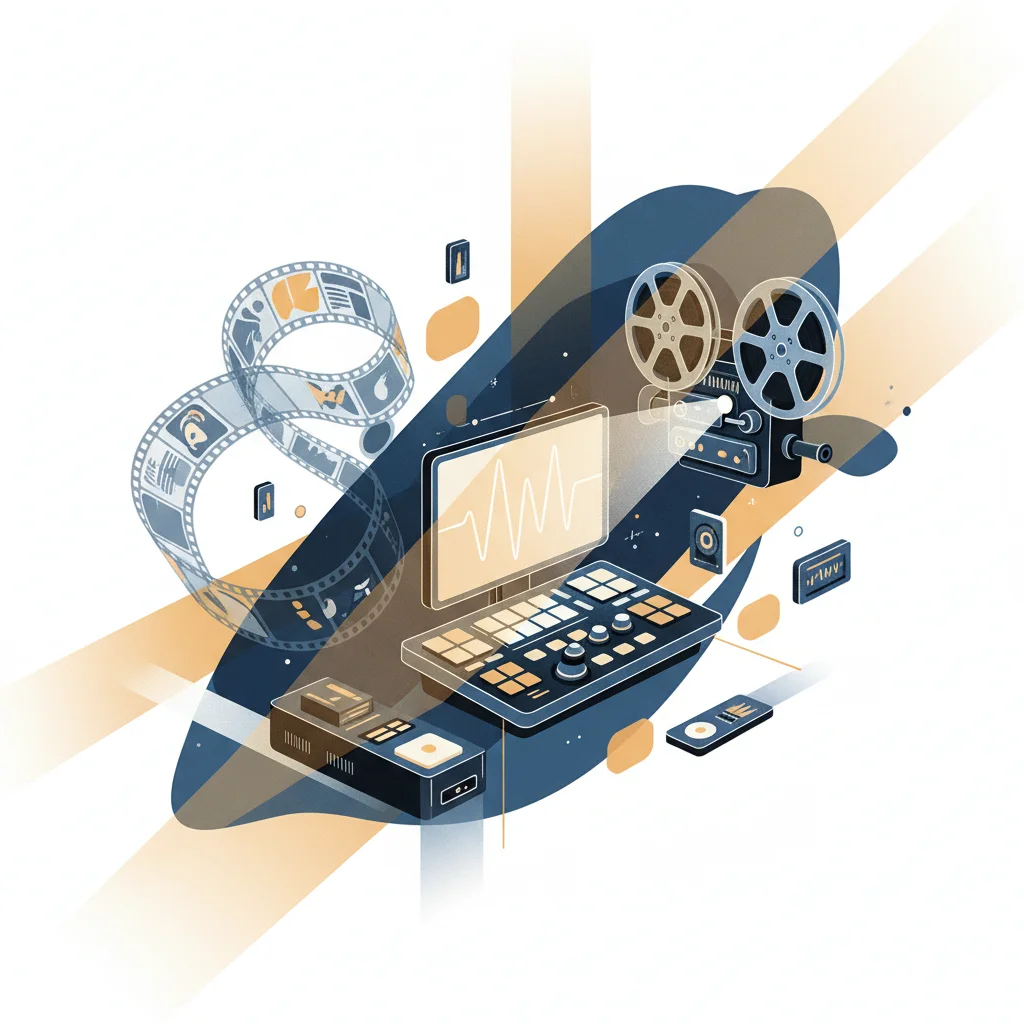
The Power of Editing
"Editing is not about cutting out the bad parts, it's about finding the story in all the parts." - Film Editor Wisdom
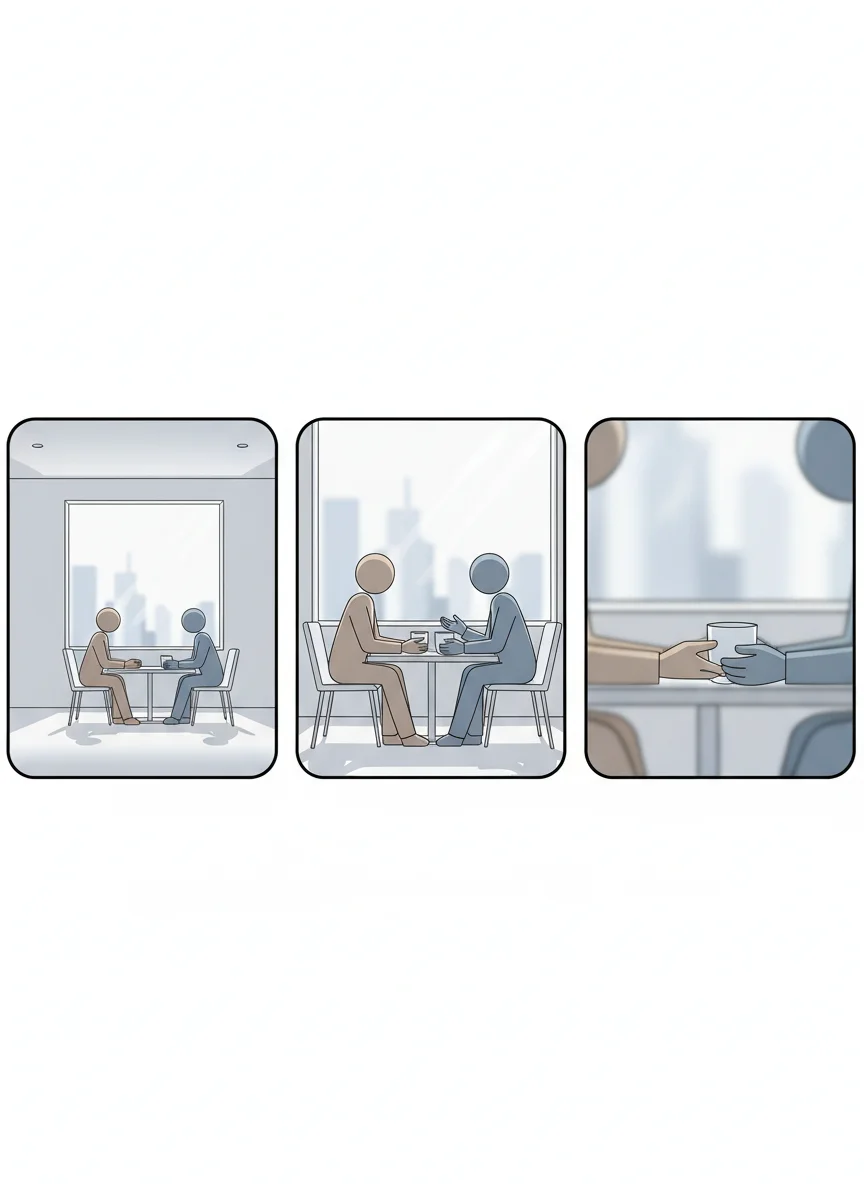
Continuity Editing
Maintains logical flow of action Preserves spatial relationships Keeps viewers oriented in the story Uses establishing shots and close-ups
8 more slides available after you open the deck.
Download all 20 slides