Cinematic Storytelling Through Visual Art
Exploring Genre and Narrative in Visual Arts Grade 7 Visual Arts 45-minute presentation
What is Cinematic Storytelling?
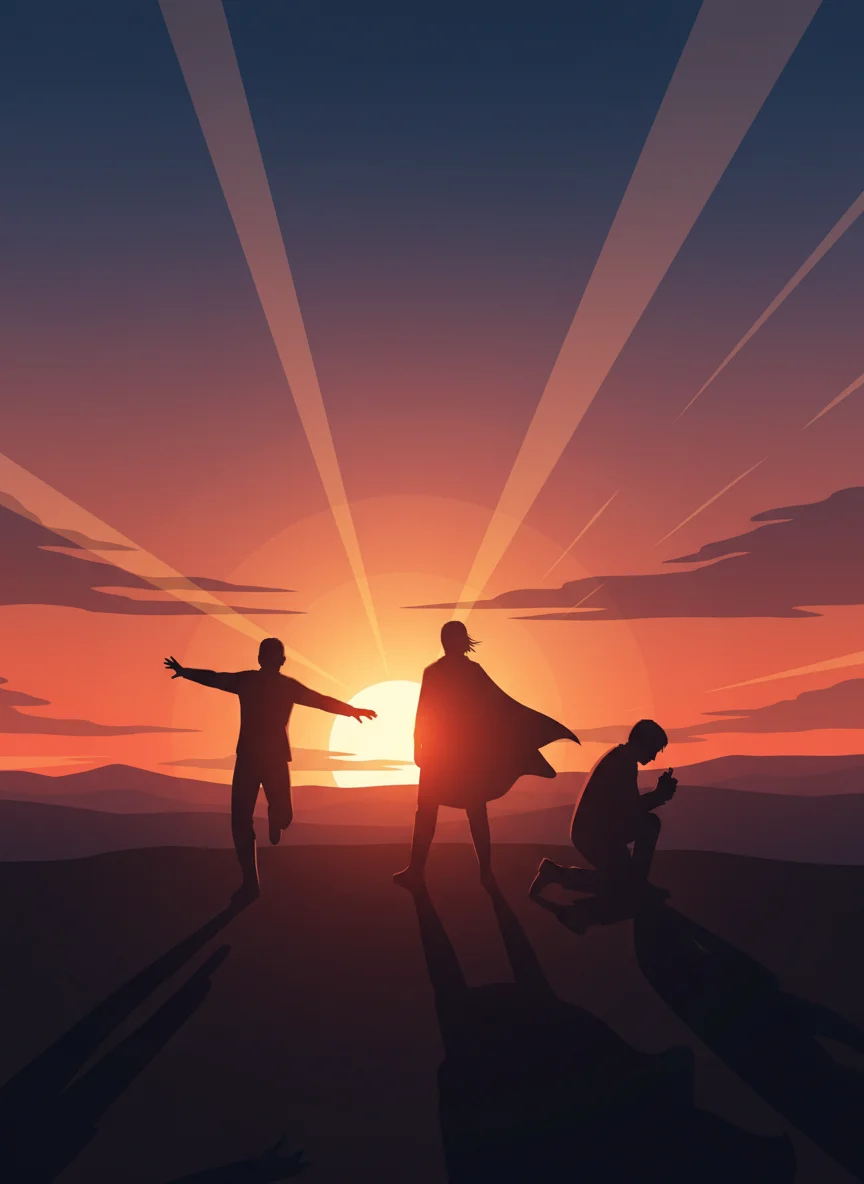
Visual narrative techniques borrowed from film Using composition, lighting, and movement Creating emotional connections with viewers Telling stories without words
Think About It
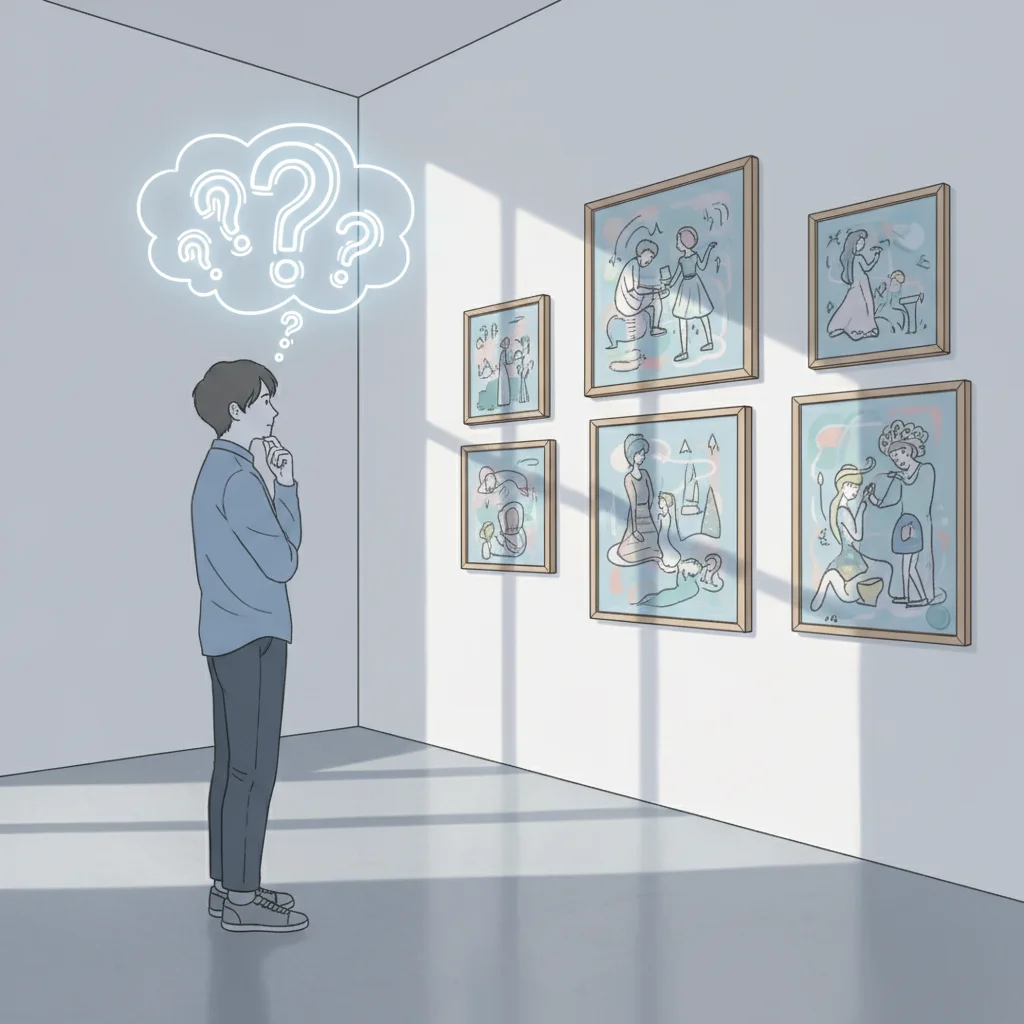
What makes a painting or drawing tell a story? How can an artist show action without movement?
Elements of Visual Storytelling
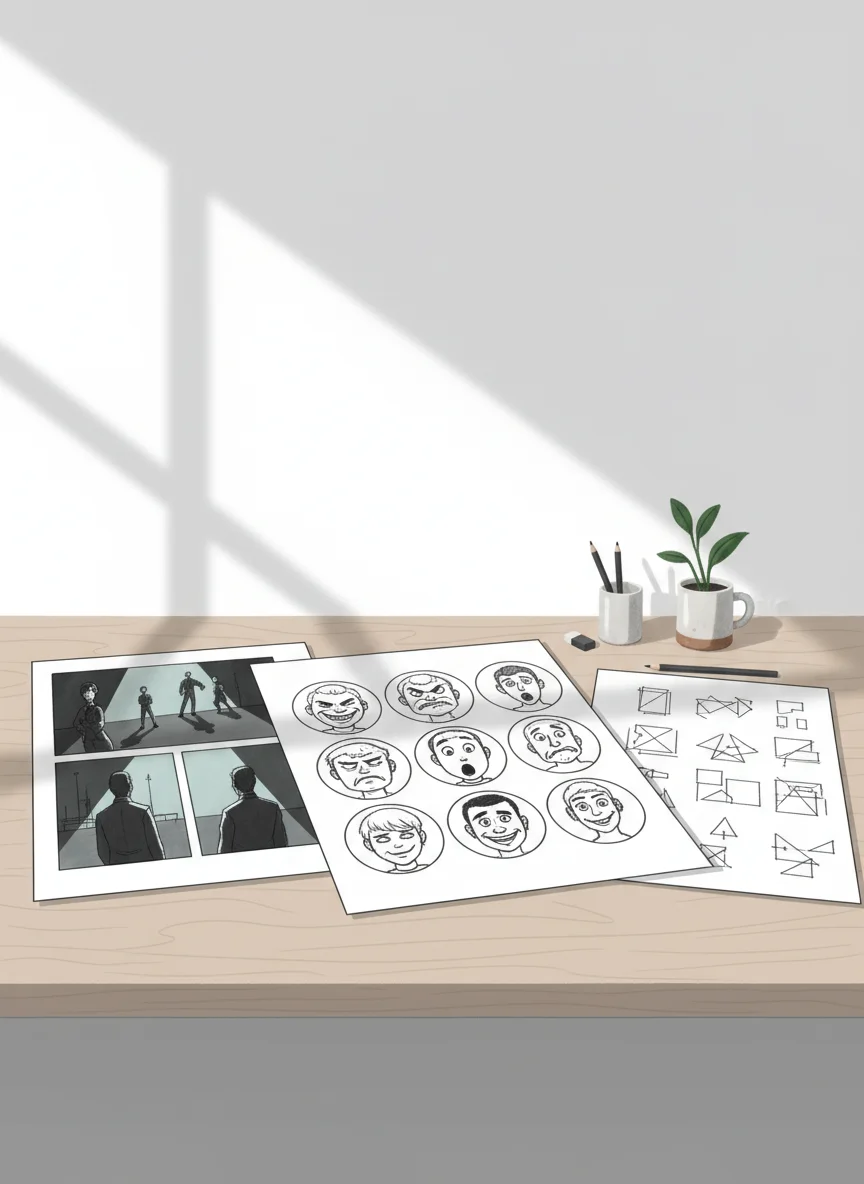
Composition - how elements are arranged Color - mood and emotion Light and shadow - drama and focus Character expressions and body language

Camera Angles in Art
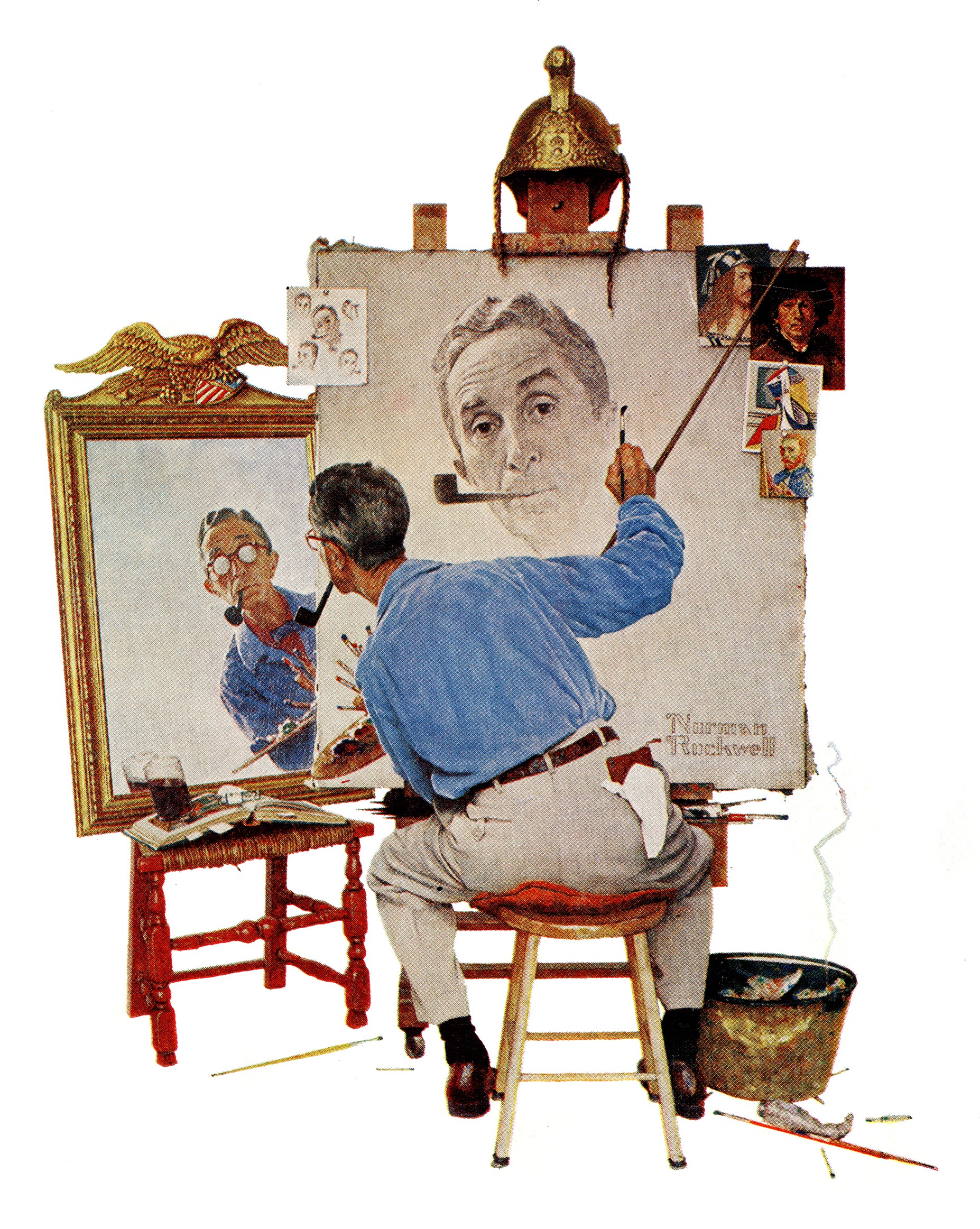
Historical Influences: Norman Rockwell
American illustrator famous for storytelling Created narrative scenes of everyday life Used detailed facial expressions Master of composition and lighting
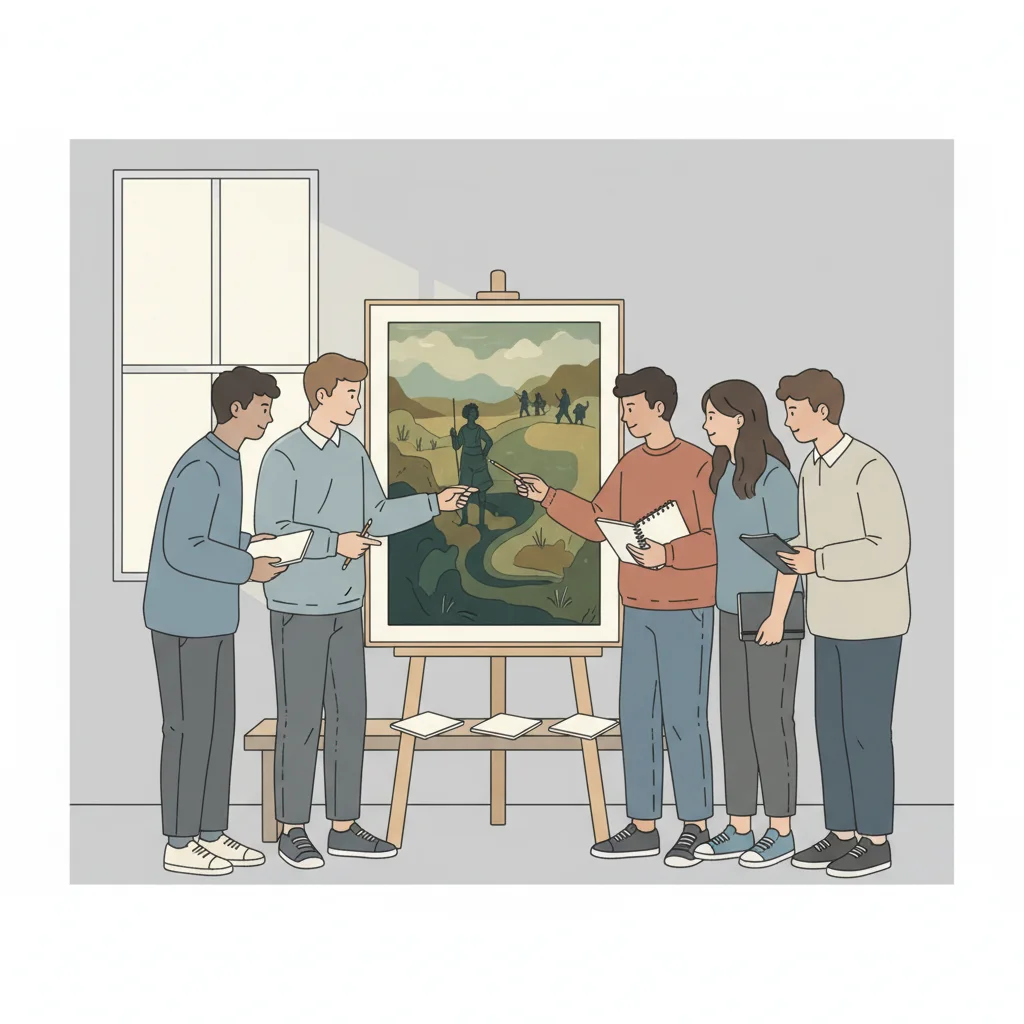
Analyze the Story
Look at the provided artwork Identify the main characters What story is being told? What emotions do you see?

Contemporary Artist: Kara Walker
Uses silhouettes to tell powerful stories Explores historical and social themes Creates large-scale installations Combines traditional and modern techniques
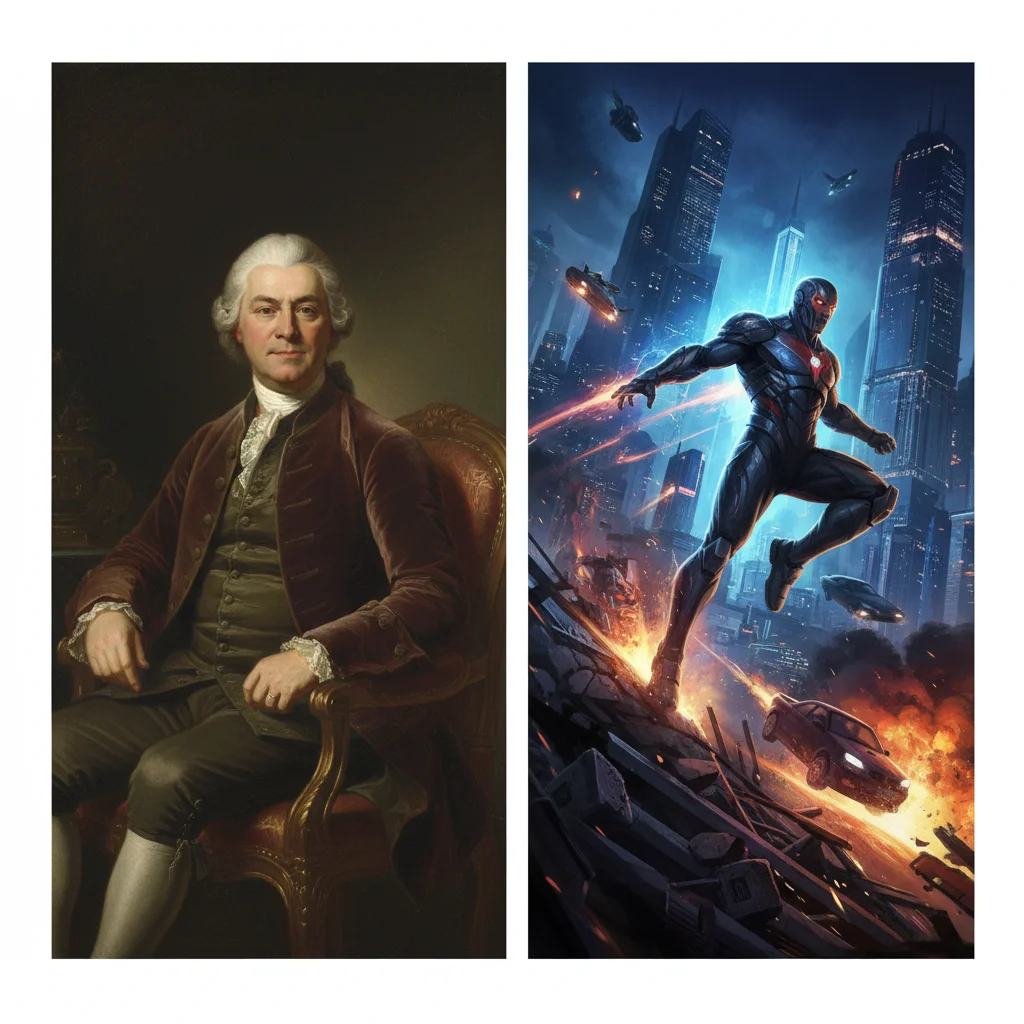
Traditional vs. Cinematic Art
{"left":"Traditional: Static poses and formal composition\nCinematic: Dynamic angles and implied movement\nTraditional: Symbolic storytelling","right":"Cinematic: Narrative moment capture\nTraditional: Idealized subjects\nCinematic: Realistic emotional expressions"}
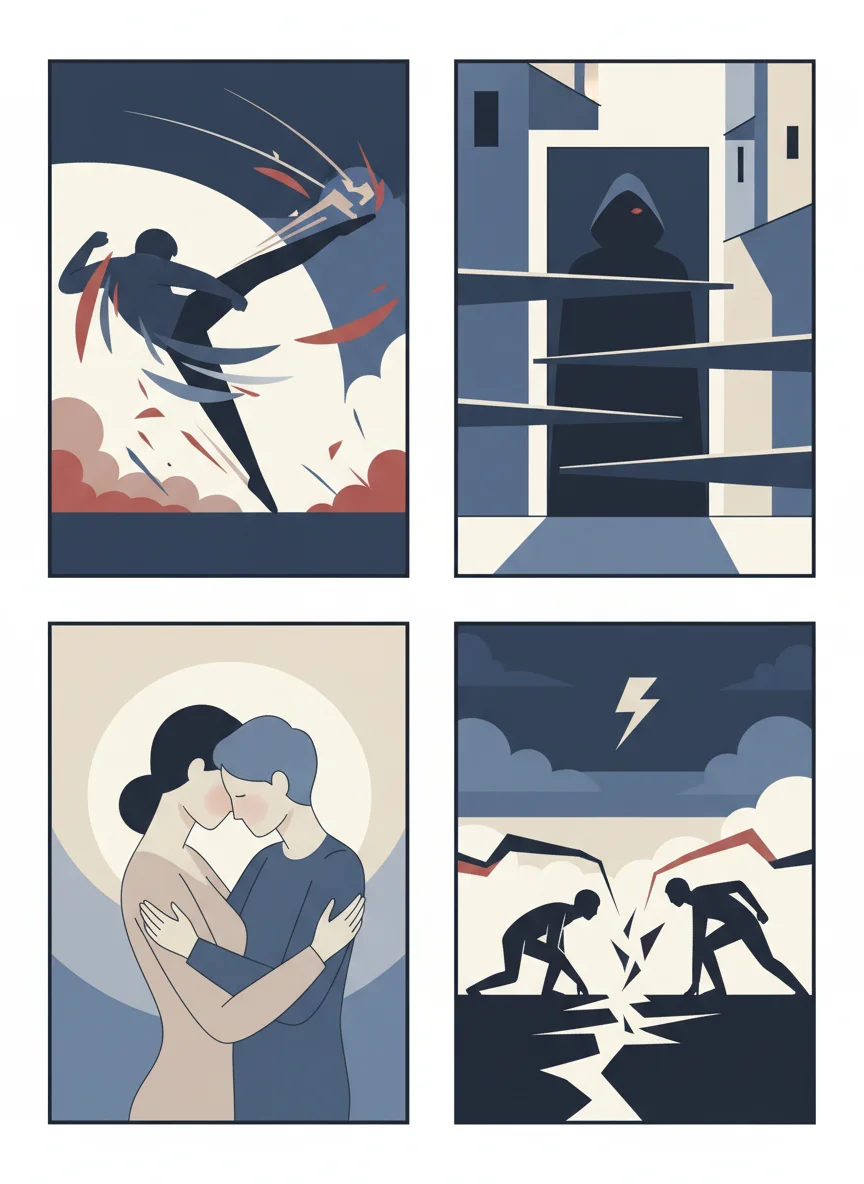
Genre in Visual Art
Adventure and action scenes Mystery and suspense imagery Romance and emotional moments Horror and dramatic tension

Genre Sorting Challenge
Sort provided artworks by genre Adventure, Mystery, Romance, Drama Explain your choices What visual clues helped you decide?
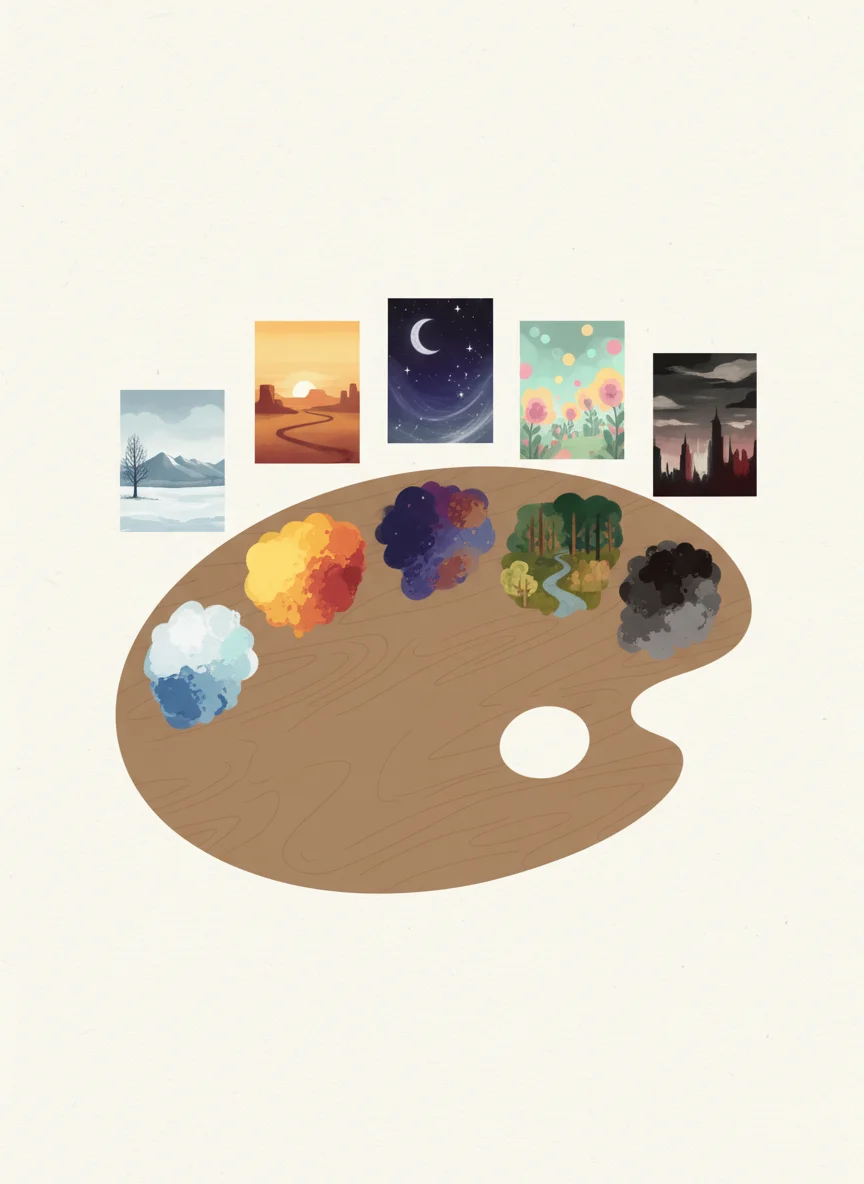
Color and Mood in Storytelling
Warm colors suggest comfort and energy Cool colors create calm or sadness Contrast adds drama and tension Monochromatic schemes focus attention
8 more slides available after you open the deck.
Download all 20 slides