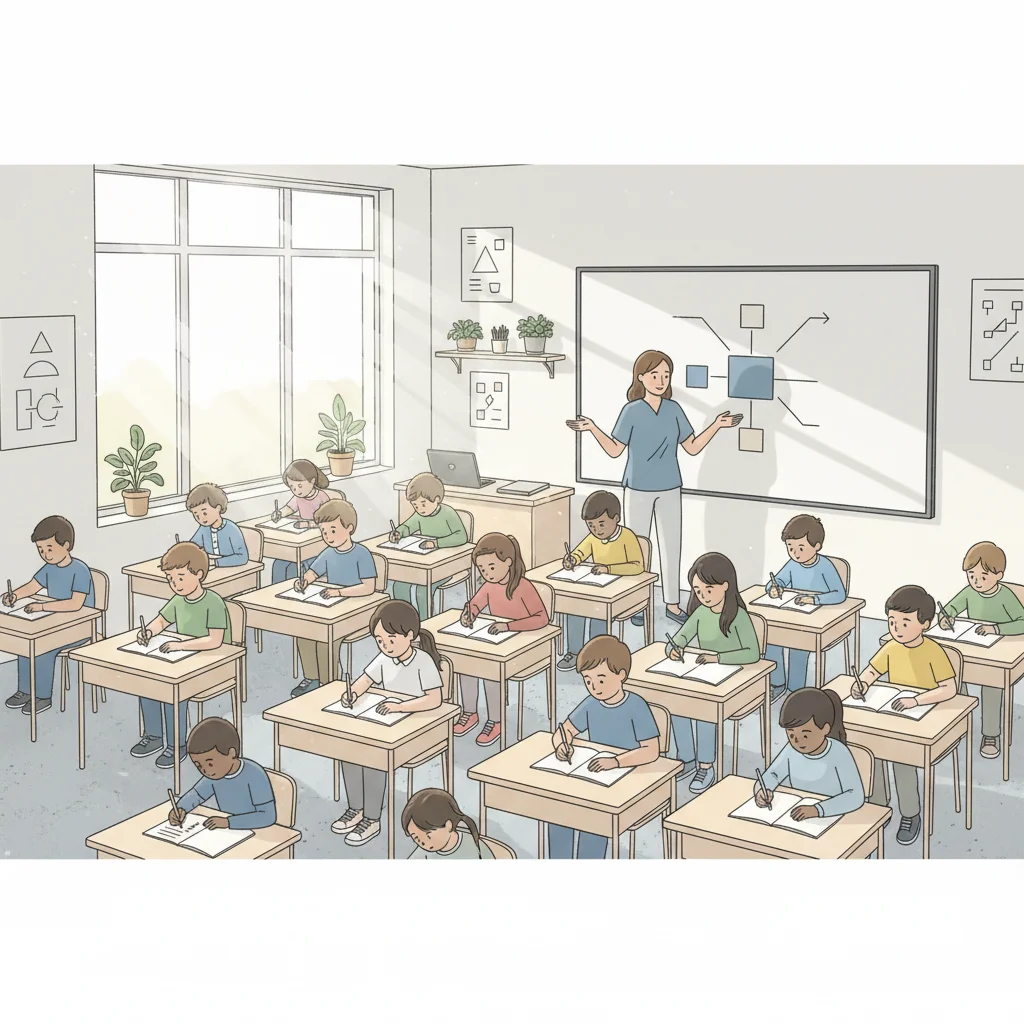
Crafting Strong Thesis Statements
Grade 6 English Language Arts 60-minute lesson Building persuasive writing skills

Learning Objectives - I Can Statements
I can explain what a thesis statement is and why it is important in persuasive writing I can create a clear and concise thesis statement that expresses my main argument I can use a thesis statement to guide my persuasive writing

Success Criteria - How We'll Know We've Succeeded
I can identify the main argument in a sample persuasive text I can write my own thesis statement that clearly expresses an opinion or argument My thesis statement is specific, focused, and supports my writing purpose I can explain my thesis statement to a partner using persuasive language

Let's Think Together
What is the main idea or opinion you want someone to believe in a persuasive text?

What is a Thesis Statement?
A sentence that tells the reader your opinion and the main idea of your writing It's like a roadmap for your entire persuasive piece It appears near the beginning of your writing It guides everything else you write

Characteristics of a Strong Thesis Statement
States your opinion clearly Can be supported with reasons Is one concise sentence Is specific and focused Takes a position others might disagree with

Weak vs. Strong Thesis Statements
{"left":"Weak: School is important.\nStrong: Students should attend school year-round because it prevents learning loss and provides consistent structure.\nWeak: Video games are popular.","right":"Strong: Video games should be limited to one hour per day for children because excessive gaming can harm physical health and social development.\nWeak: Pizza tastes good.\nStrong: Pizza should be served in school cafeterias once a week because it increases student meal participation and can be made nutritiously."}

Let's Practice Together - Guided Practice
Work with a partner to turn this prompt into a thesis statement: Should students have homework on weekends? Use sentence starters if helpful: - I believe that... - In my opinion... - Students should/should not...

Modeling: From Prompt to Thesis
Prompt: Should school uniforms be mandatory? Step 1: Choose your position (Yes or No) Step 2: Think of reasons why Step 3: Combine into one clear sentence Example: School uniforms should be mandatory because they promote equality and reduce distractions.

Independent Practice Time
Choose one prompt and write your own thesis statement: 1. Should cell phones be allowed in elementary schools? 2. Should students choose their own classes? 3. Should school days be longer or shorter? 4. Should students wear uniforms? Remember: State your opinion clearly and include at least one reason!
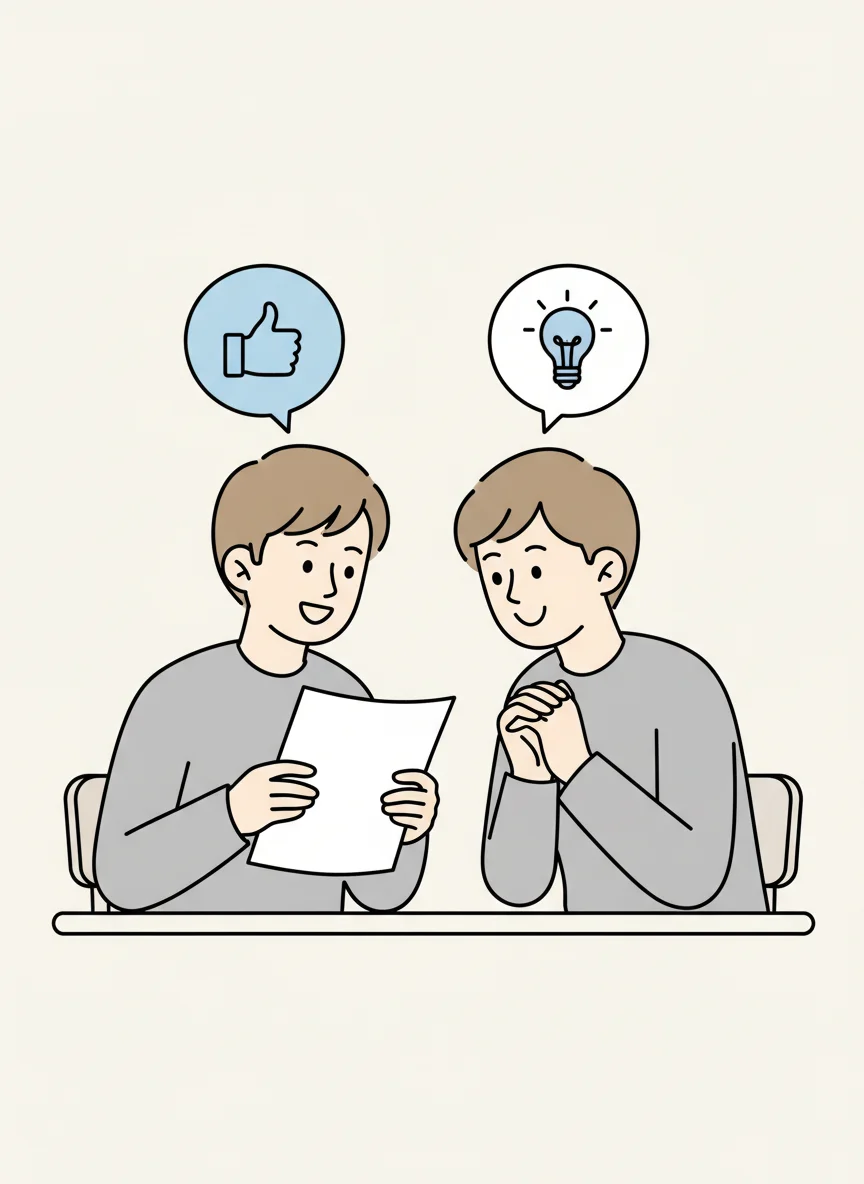
Sharing and Feedback
Share your thesis statement with a partner Partner gives: - One positive comment - One suggestion for improvement Remember to use kind and helpful language Focus on clarity and strength of the argument

Lesson Summary and Next Steps
Today we learned how to craft strong thesis statements Key points to remember: - State your opinion clearly - Include supporting reasons - Keep it to one focused sentence Next lesson: We'll use our thesis statements to write persuasive paragraphs