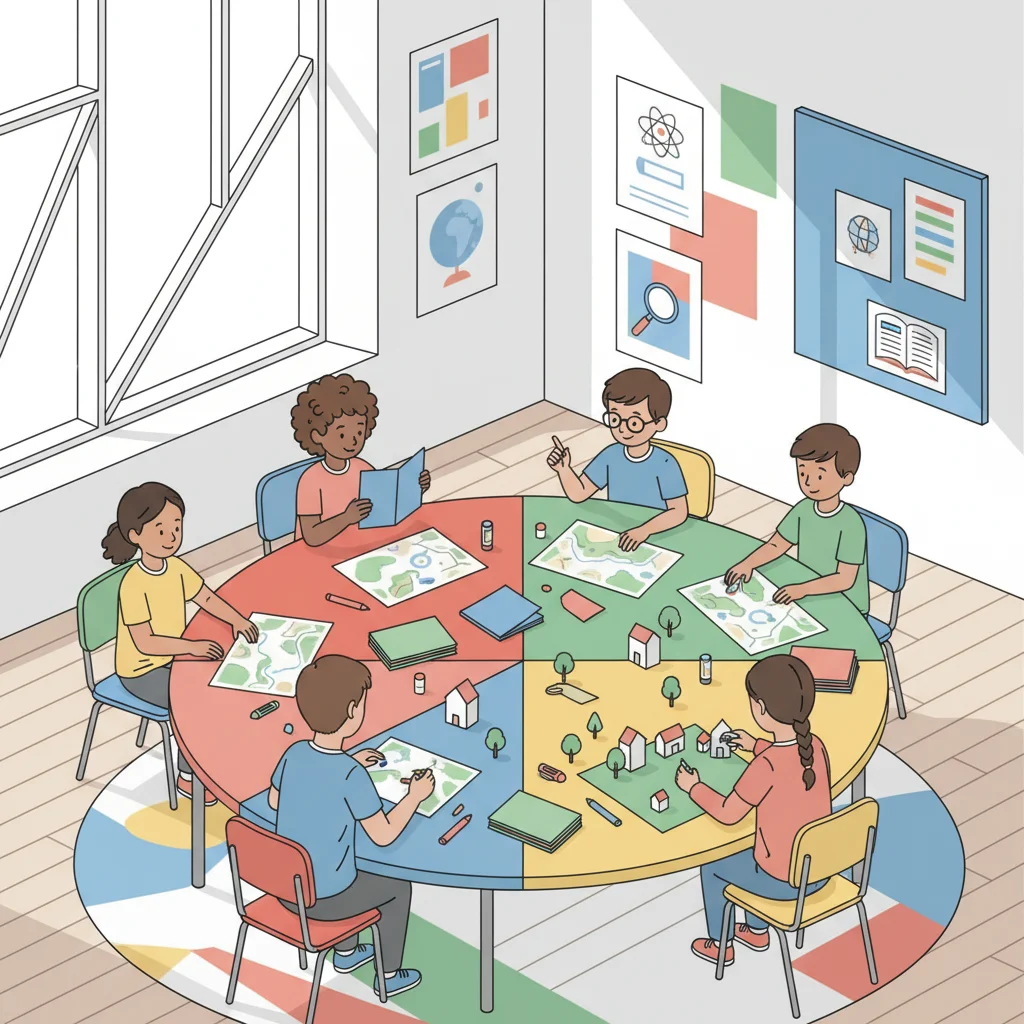
Creating Mini-Societies in Grade 5
A Social Studies Strategy for Active Learning Chapter 32: Mini-Society Strategy Presented to Future Grade 5 Teachers
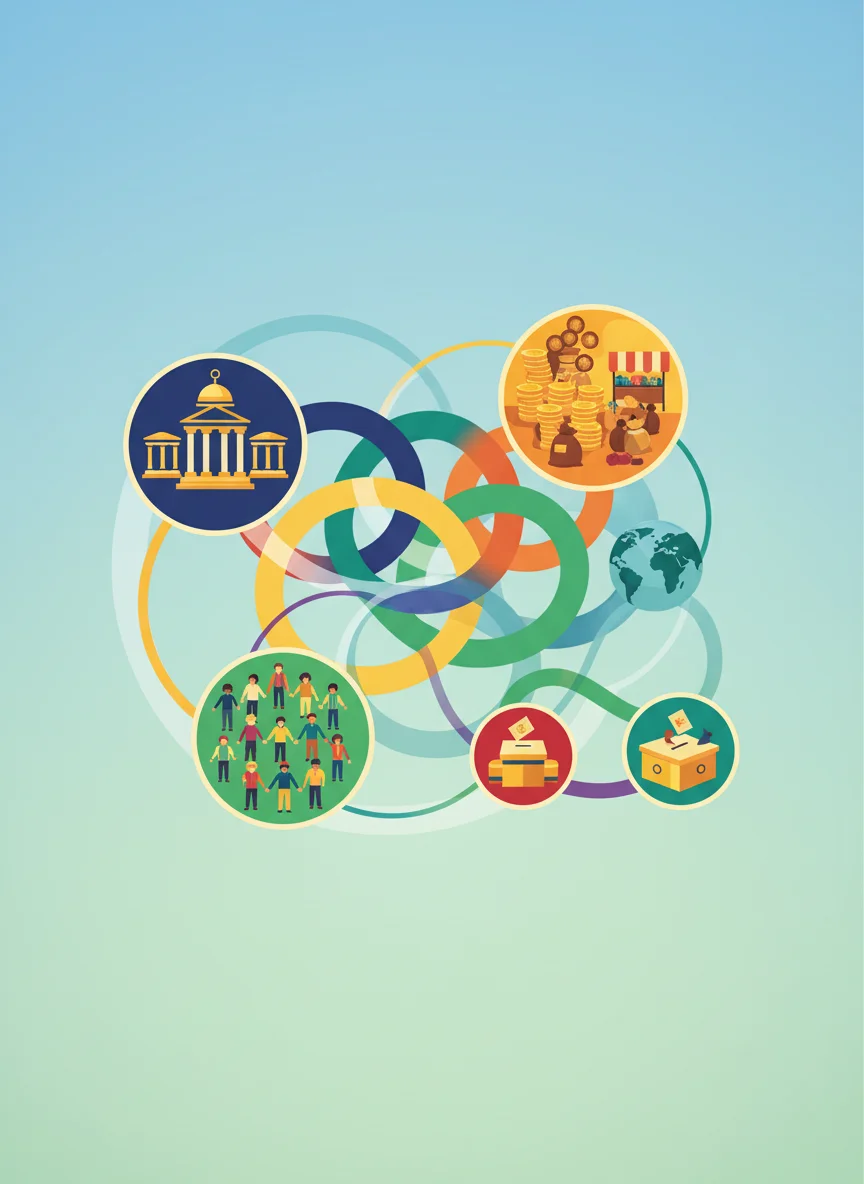
Key Points of the Mini-Society Strategy
Students create and operate their own miniature society Integrates economics, civics, and geography concepts Promotes critical thinking and problem-solving skills Encourages collaboration and democratic decision-making Connects abstract social studies concepts to real-world experiences
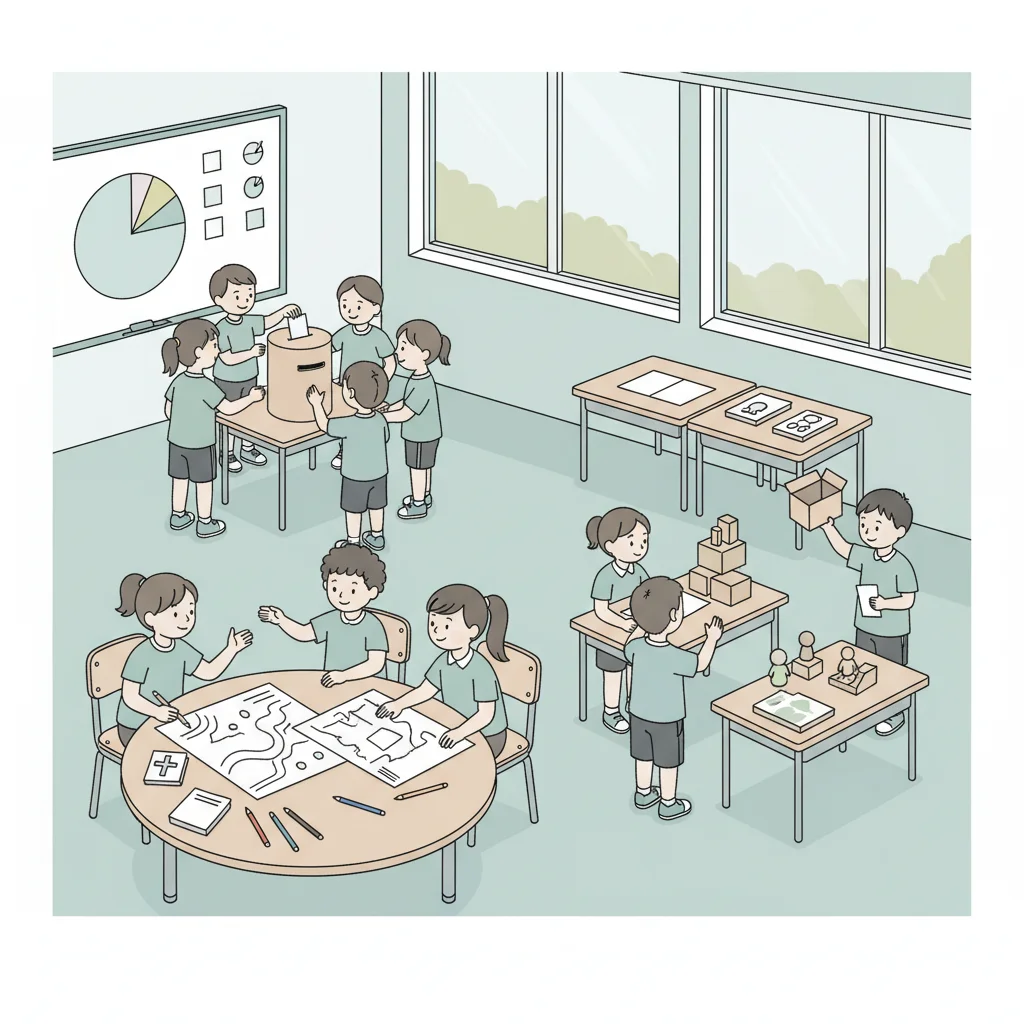
Implementation in Lesson/Unit Plan
{"left":"Phase 1: Society Foundation (Week 1-2)\nStudents brainstorm and establish basic rules\nCreate government structure and elect leaders\nDesign currency and economic system\nPhase 2: Society Development (Week 3-4)\nEstablish businesses and services","right":"Create laws and consequences\nDevelop trade relationships\nPhase 3: Society Evaluation (Week 5-6)\nAssess society's effectiveness\nReflect on challenges and successes\nPresent findings to other classes"}

Student Engagement Activities
Town Hall Meetings: Students debate and vote on community issues Marketplace Days: Students buy/sell goods using their created currency Court Sessions: Resolve conflicts using established laws Census Taking: Collect and analyze population data Election Campaigns: Students run for various government positions
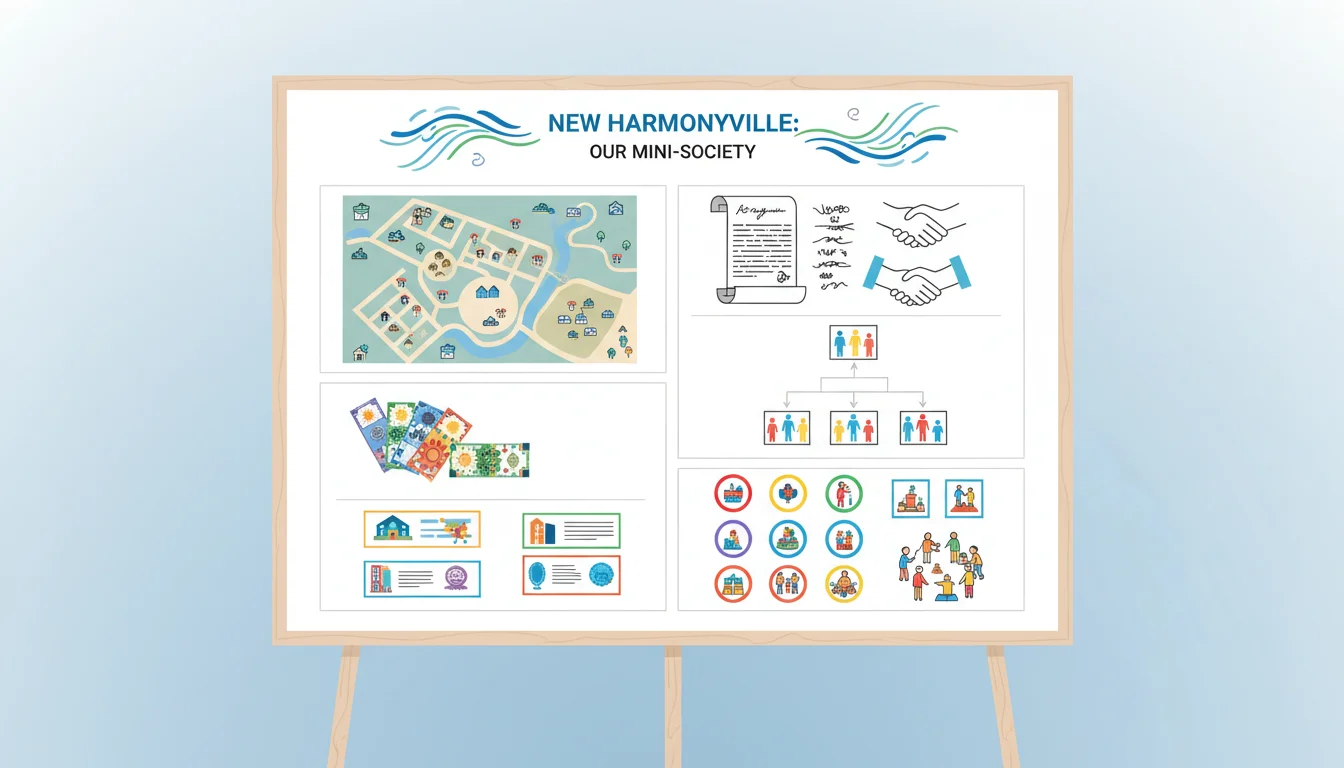
Example Final Product: 'New Harmonyville'

Impact and Assessment
'Through creating their own society, students develop deep understanding of how communities function and the importance of civic participation in democracy.' - Assessment focuses on collaboration, critical thinking, and application of social studies concepts - Students demonstrate learning through presentations, reflections, and peer evaluations