
Earth's Energy Resources Explained
Understanding Renewable, Non-renewable, and Flow Resources Year 7 Geography British Columbia Curriculum

What Powers Our World?
Think about your morning routine... What energy sources did you use to get ready for school? How did electricity reach your home? Where does the fuel for cars come from?
What Are Energy Resources?
Natural materials that can be converted into useful energy Essential for powering human activities Found in different forms across Earth Can be classified into three main categories

Non-Renewable Resources
Formed over millions of years Cannot be replaced once used up Include fossil fuels: coal, oil, natural gas Also include nuclear materials like uranium

Renewable vs Non-Renewable Resources
{"left":"Renewable: Solar energy\nNon-Renewable: Coal\nRenewable: Wind power\nNon-Renewable: Natural gas","right":"Renewable: Hydroelectric\nNon-Renewable: Oil\nRenewable: Biomass\nNon-Renewable: Uranium"}
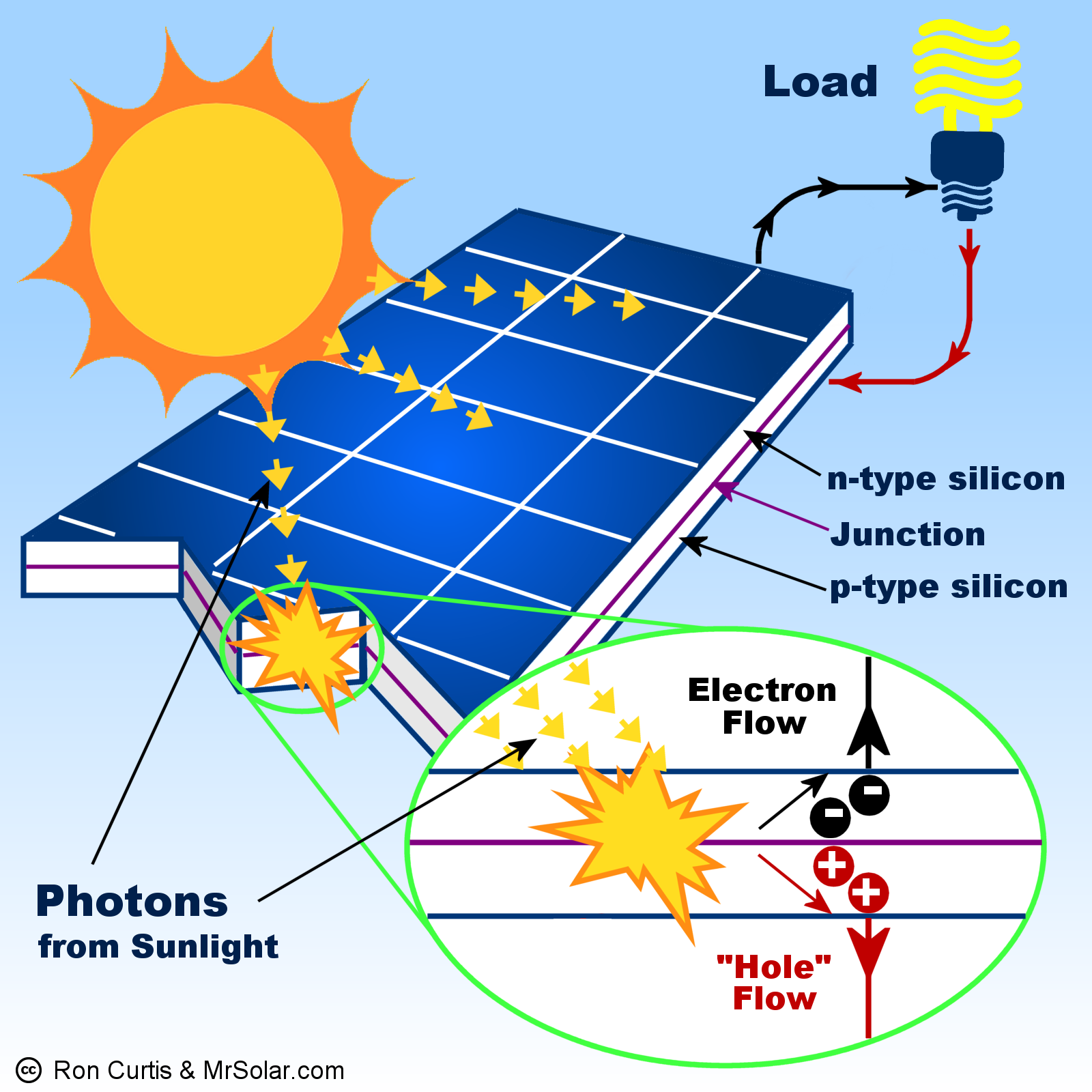
Renewable Resources
Can be replenished naturally over short time periods Include solar, wind, biomass, and geothermal Sustainable for long-term use Generally cleaner for the environment
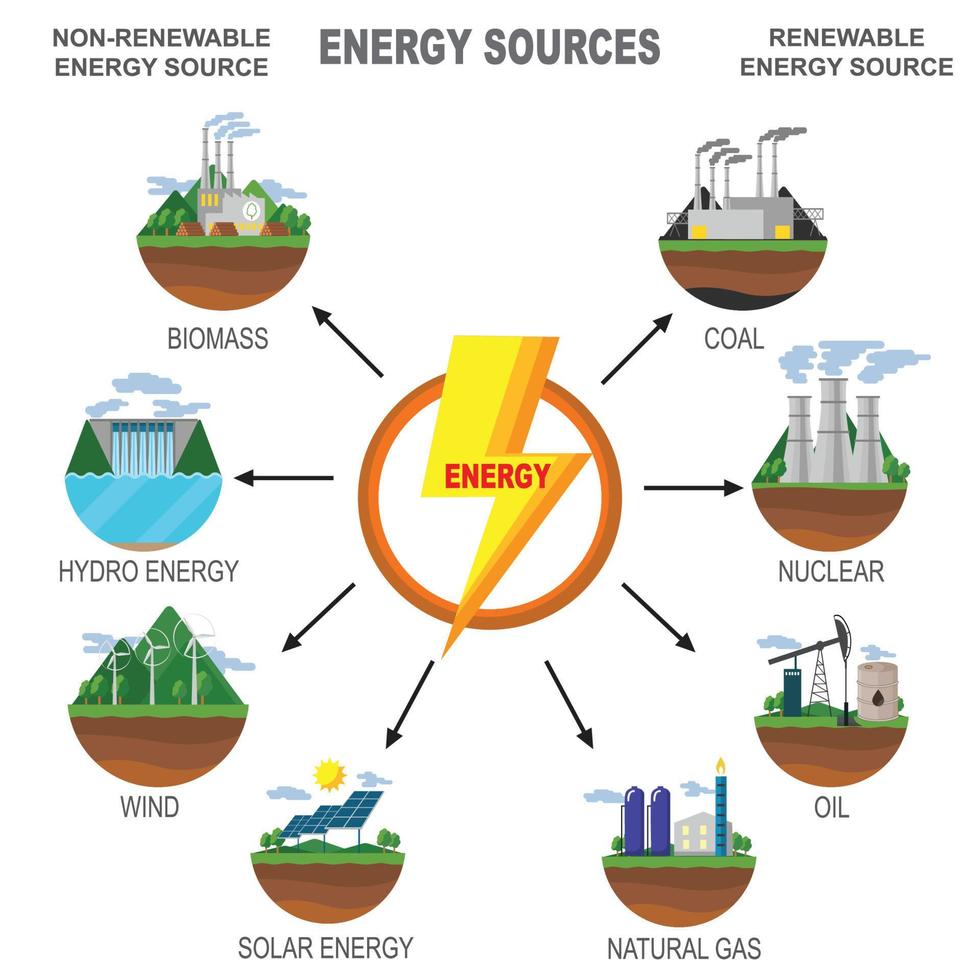
Energy Resource Detective
Work in pairs to identify energy sources Look at the provided images Classify each as renewable or non-renewable Explain your reasoning to the class
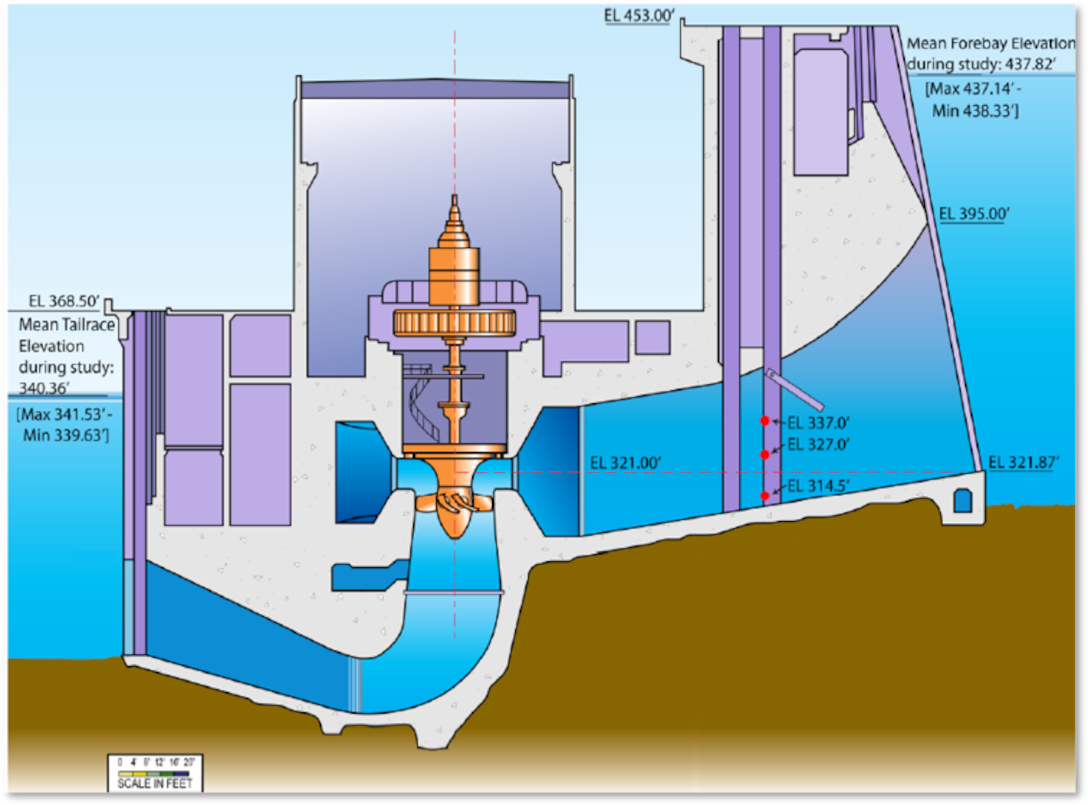
Flow Resources
Special type of renewable resource Must be used as they occur naturally Cannot be stored for later use Examples: wind, flowing water, tides, solar radiation
