
Electric Current and Circuit Energy
Grade 9 Science Understanding the flow of electrical energy Exploring circuits and electrical phenomena

What is Electric Current?
Flow of electric charge through a conductor Measured in amperes (A) Like water flowing through a pipe Requires a complete circuit to flow
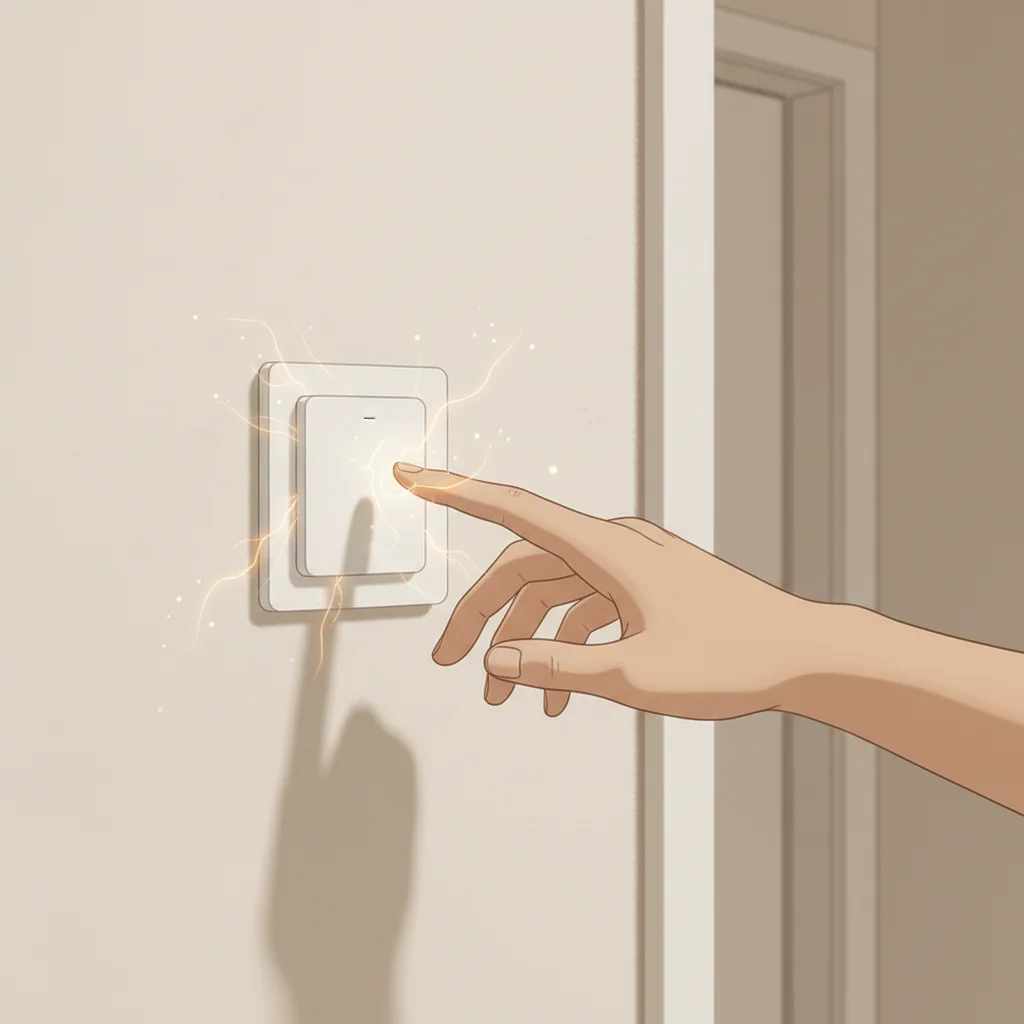
Think About It
What happens when you flip a light switch? How does electricity know where to go? Why do some materials conduct electricity better than others?

Types of Electric Current
Direct Current (DC) - flows in one direction Alternating Current (AC) - changes direction periodically DC: batteries, solar panels, electronics AC: household electricity, power grids
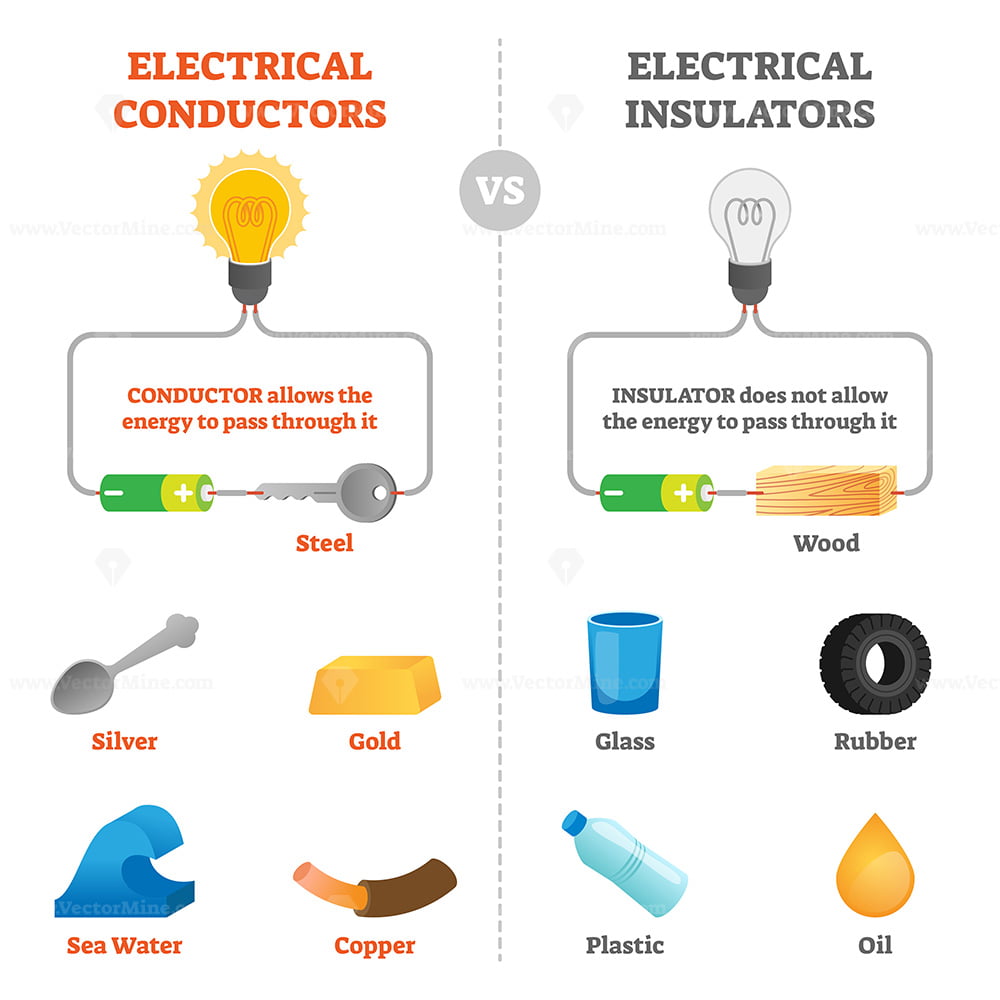
Conductors vs Insulators
{"left":"Copper wire - excellent conductor\nRubber coating - good insulator\nSilver - best conductor but expensive","right":"Glass - excellent insulator\nHuman body - weak conductor\nPlastic - common insulator"}
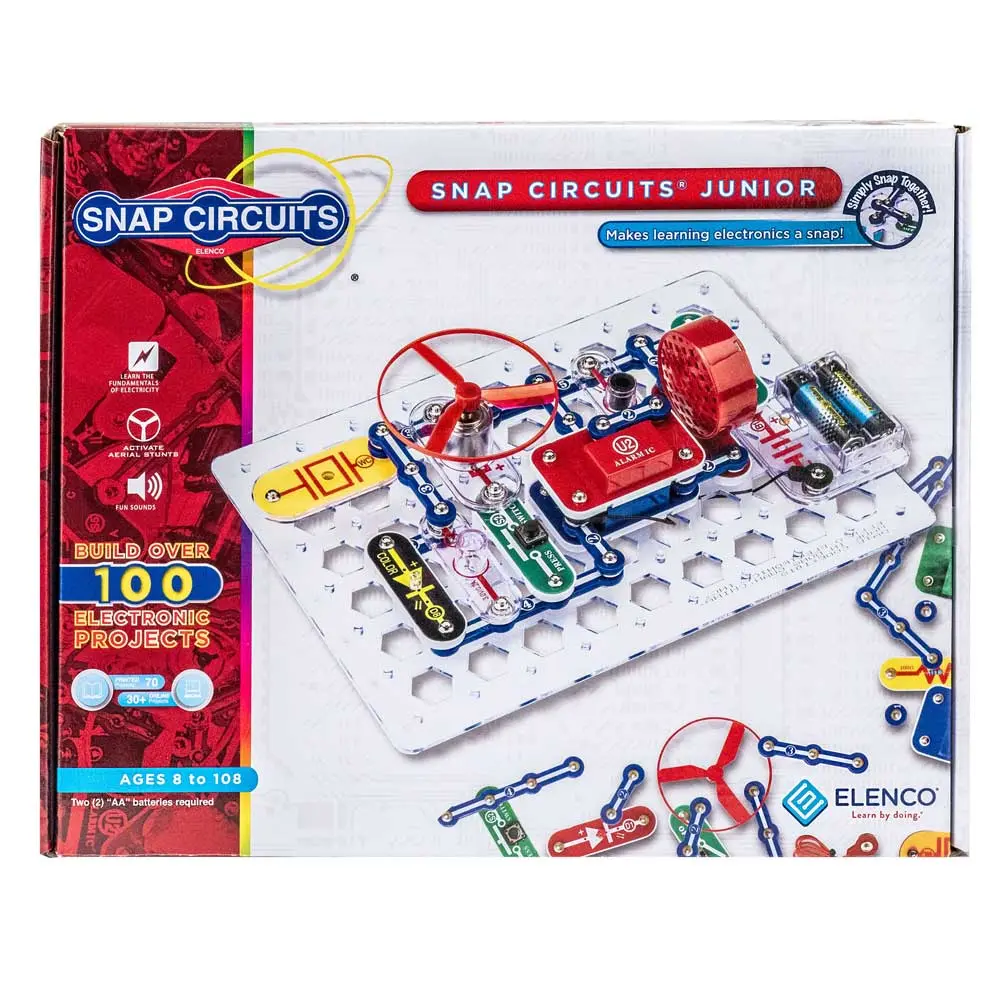
Circuit Building Challenge
Work in pairs to design a simple circuit Materials: battery, LED, wires, switch Goal: Make the LED light up Bonus: Add a switch to control the light
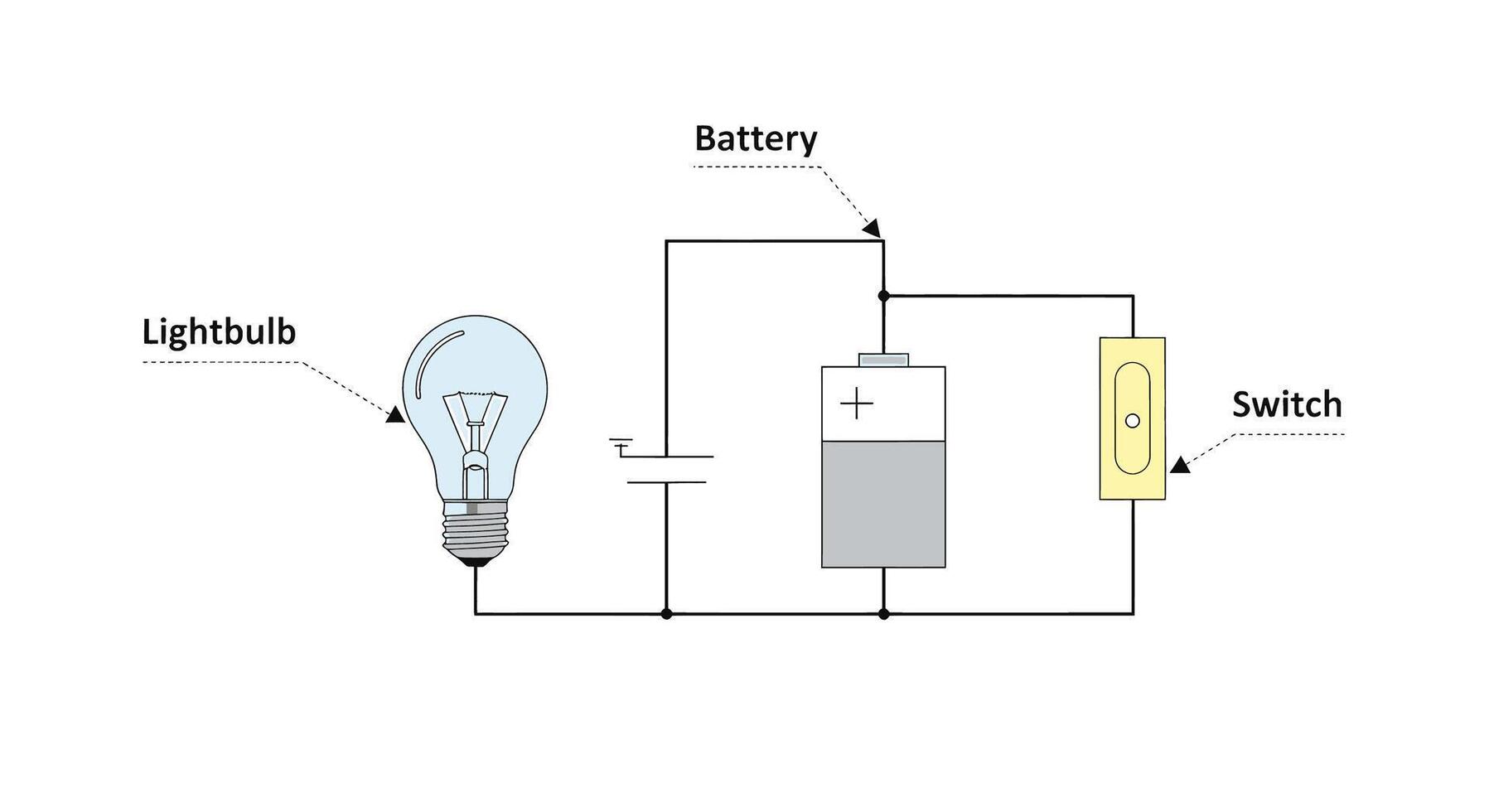
Circuit Energy Flow Diagram

Measuring Electrical Energy
Voltage (V) - electrical pressure or potential difference Current (A) - rate of charge flow Resistance (Ω) - opposition to current flow Power (W) - rate of energy transfer
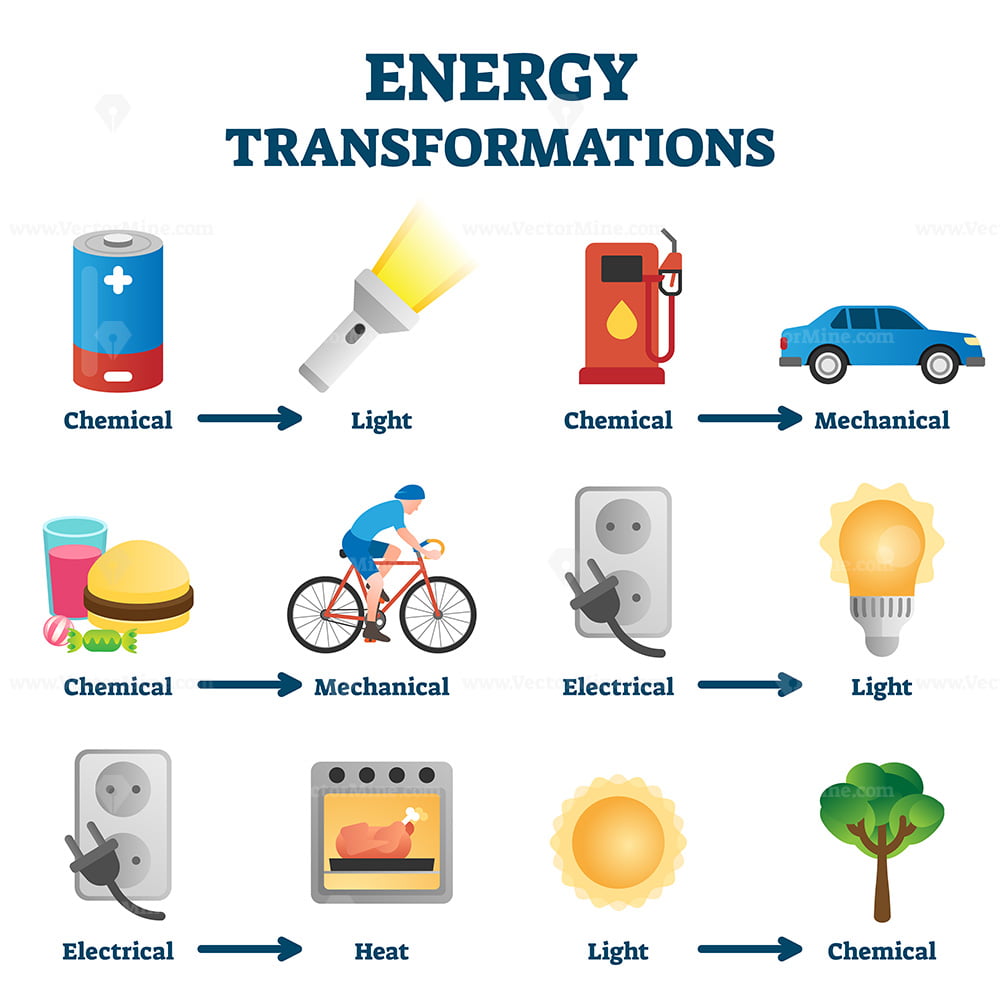
Energy Conservation in Circuits
Energy cannot be created or destroyed, only transformed from one form to another In circuits: Chemical → Electrical → Light/Heat/Motion
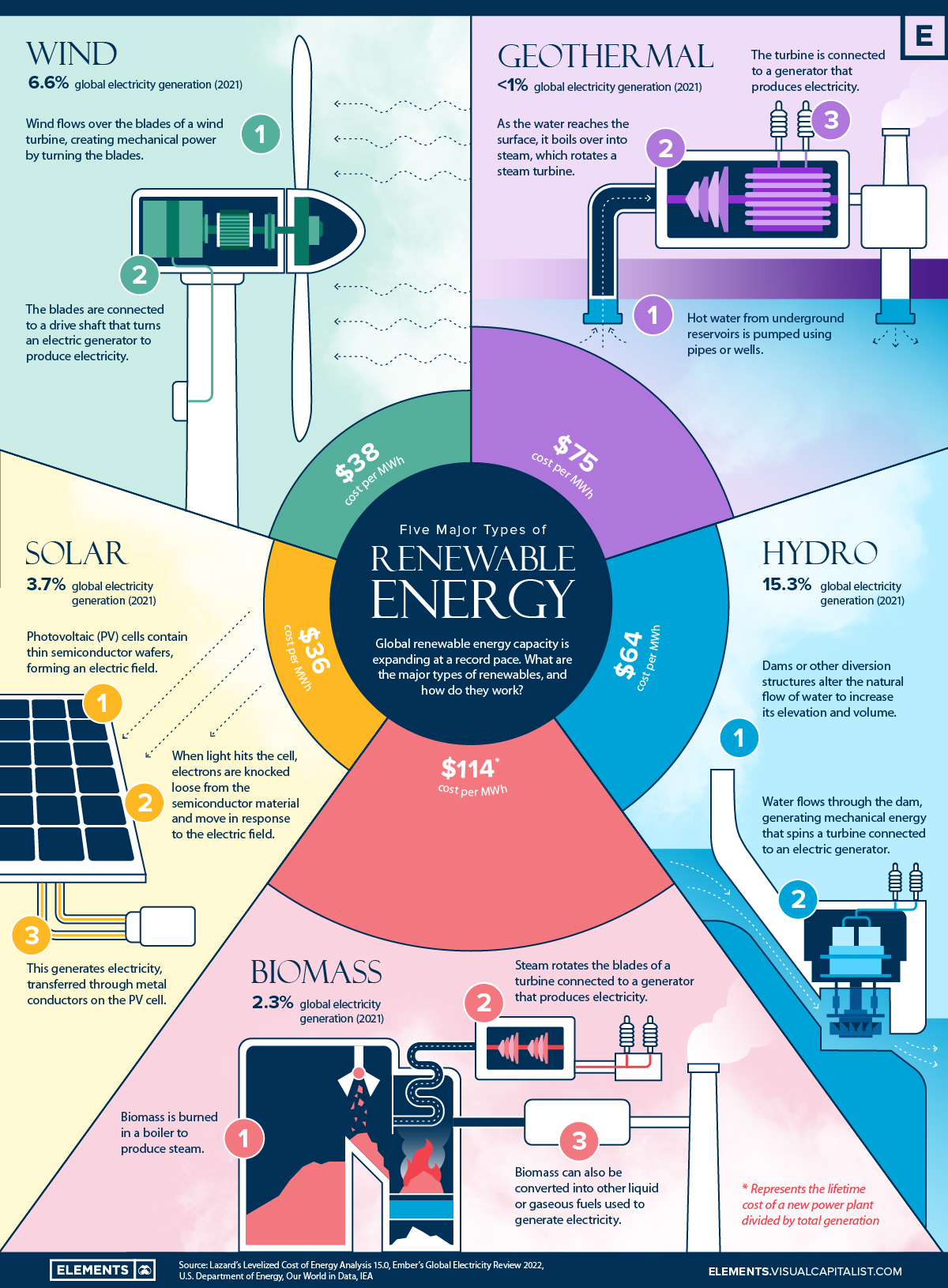
Summary and Applications
Electric current powers our modern world Understanding circuits helps us use energy efficiently Safety depends on knowing conductors and insulators Energy conservation applies to all electrical devices