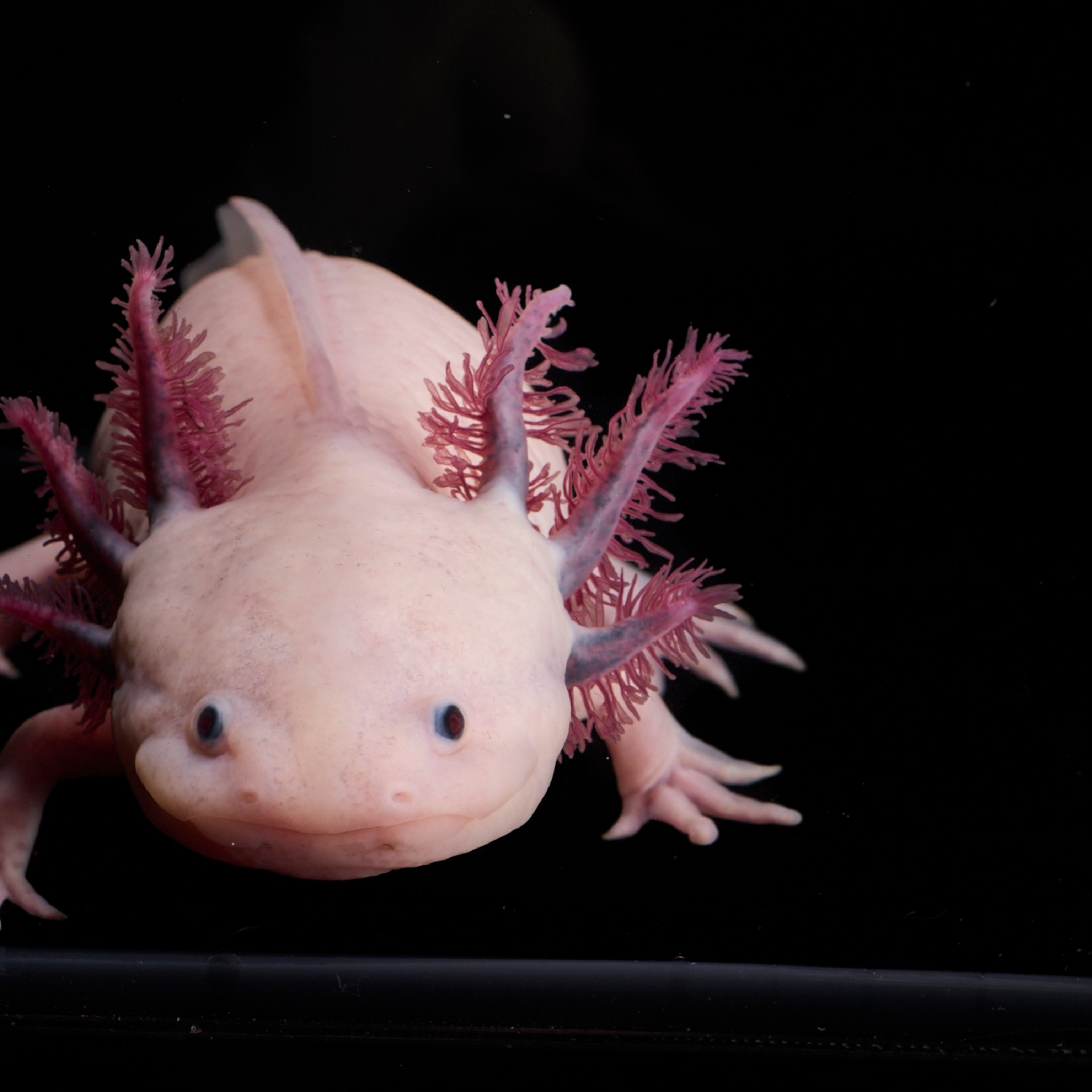
Exploring Earth's Strangest Animal Adaptations
Grade 7 English Language Arts Discovering Nature's Most Unusual Creatures 75 minutes of amazing discoveries
What Makes an Animal 'Strange'?
Think about animals you know What features would surprise you? How might unusual traits help survival?
Key Vocabulary for Our Journey
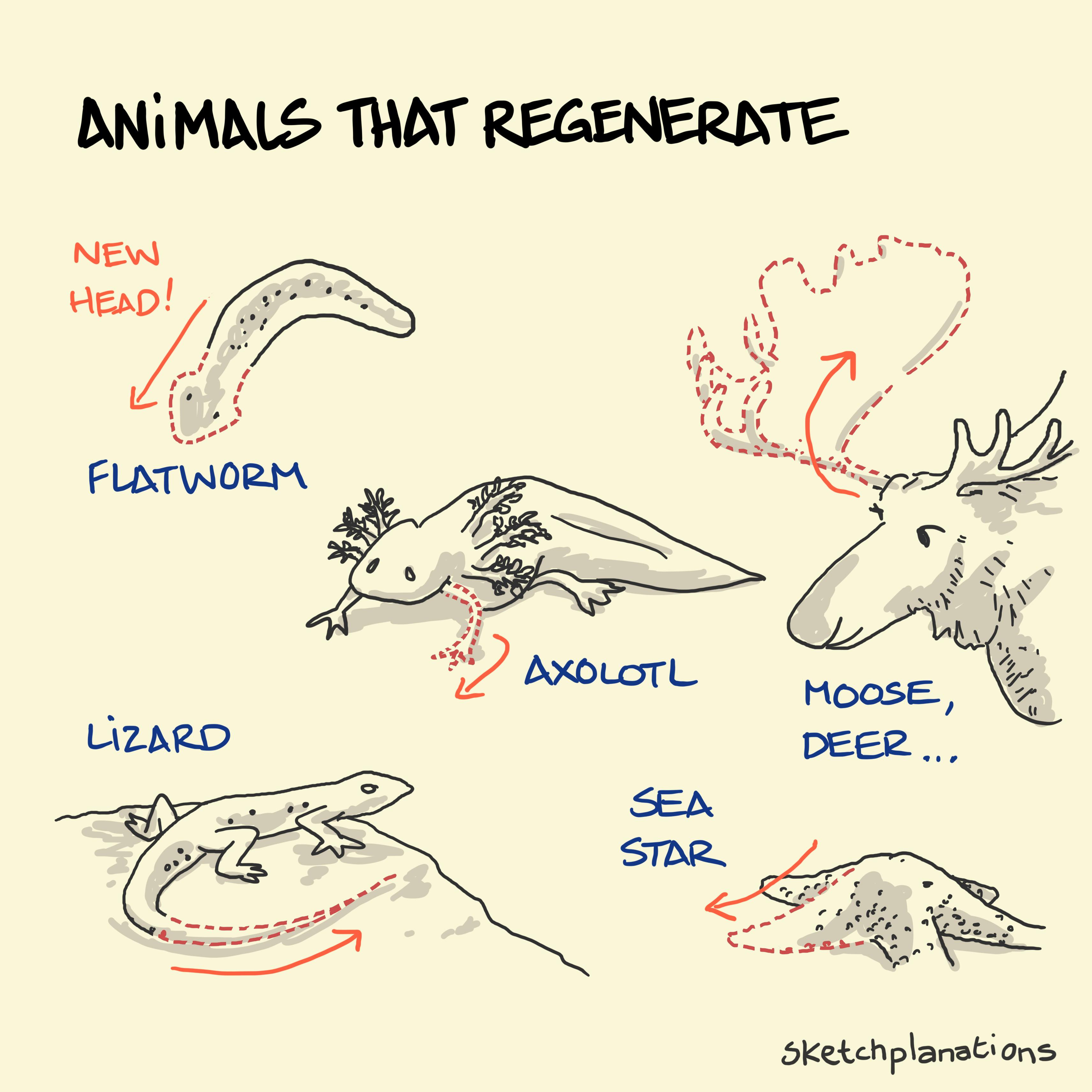
Adaptation - special features that help survival Habitat - the natural home environment Nocturnal - active at night Predator - hunts other animals for food Camouflage - blending in with surroundings Regeneration - ability to regrow body parts
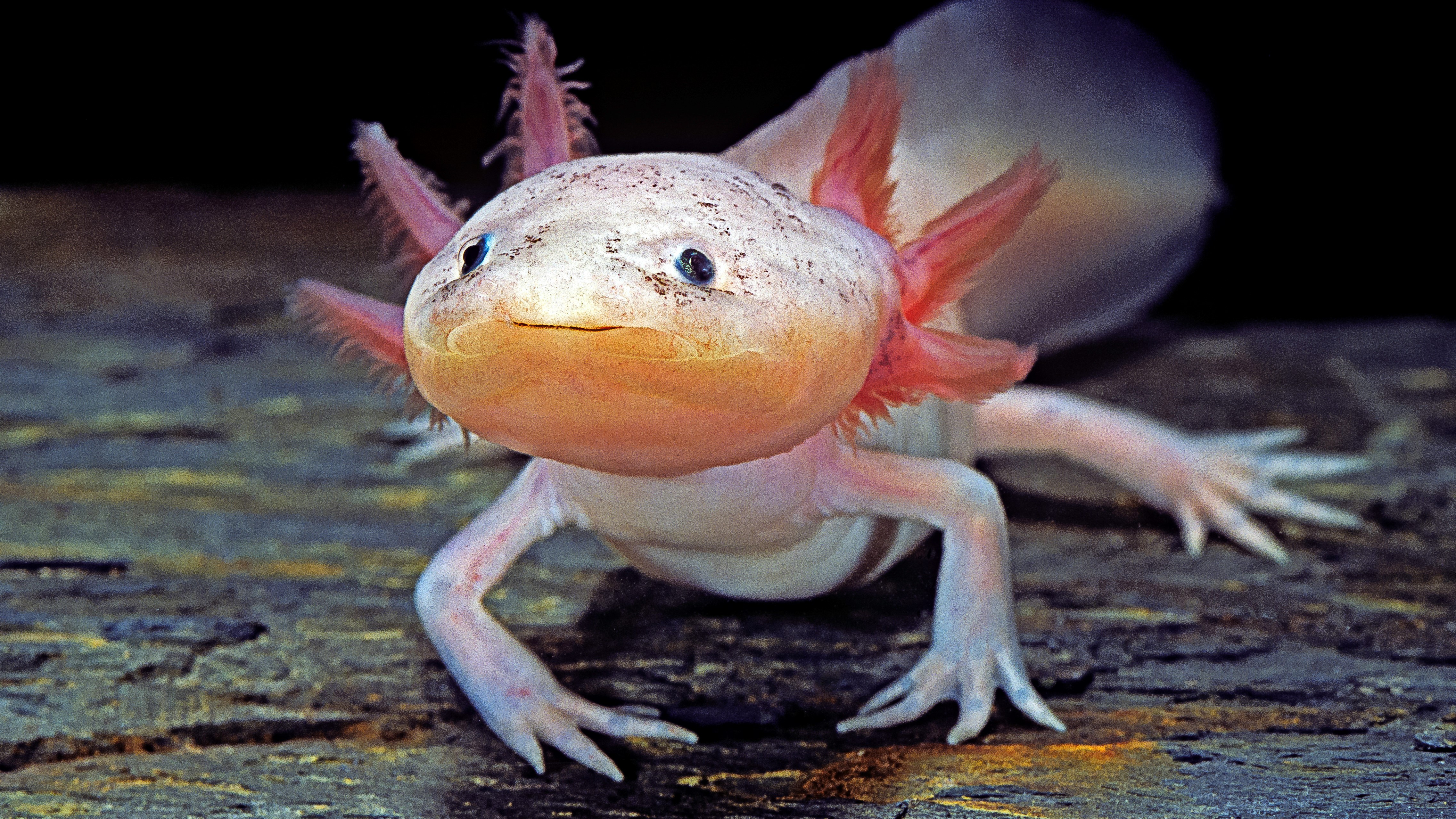
Meet Earth's Strangest Creatures

Group Research Challenge
Form groups of 5 students Each group gets one strange animal Research: habitat, adaptations, behaviors Record 3-4 key facts about your animal Use vocabulary terms in your discussions
Amazing Adaptations in Action
{"left":"Axolotl can regrow entire limbs and organs\nPangolin rolls into an armored ball when threatened\nMantis shrimp has the most complex eyes in nature","right":"Aye-aye uses its long finger to tap and find insects\nNarwhal's tusk is actually a giant tooth with sensors"}

Create Your Animal Description
Work with your group to write a descriptive paragraph Include: What makes your animal unusual? How does it survive in its environment? Use at least 3 vocabulary terms Prepare to share with the class
Reflection and Next Steps
'Nature never ceases to amaze us with its creativity and ingenuity' What questions do you have about animal adaptations? Next lesson: Design your own strange creature! Exit ticket: Name one unique feature that inspired your creativity