Plato's Ion: Knowledge vs Divine Inspiration
Grade 12 Philosophy Exploring the Nature of Artistic Knowledge CA-AB Curriculum

Learning Objectives: I Can...
I can identify the main characters and setting of Plato's Ion I can explain the central question: knowledge vs divine inspiration I can analyze Socrates' arguments about artistic expertise I can evaluate the 'magnet theory' of poetic inspiration I can connect these ancient ideas to modern artistic debates
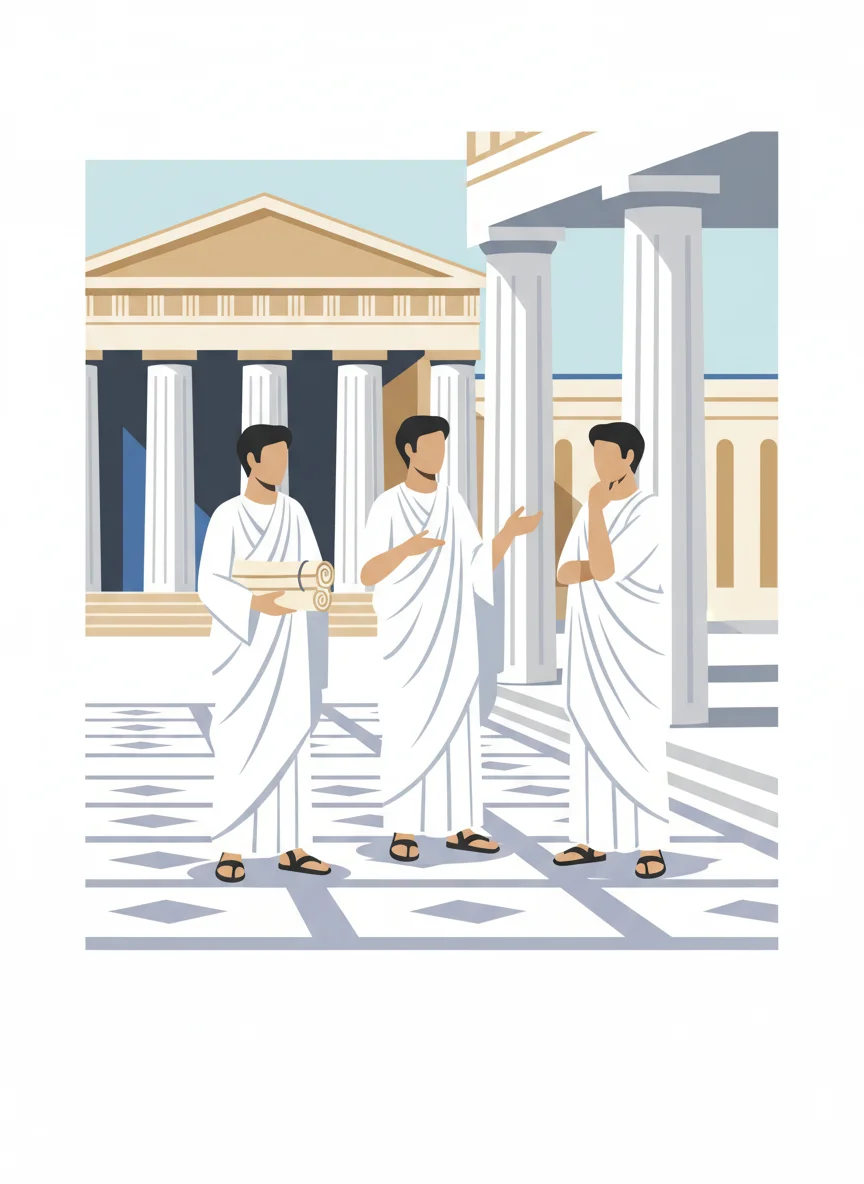
Meet the Characters
Socrates - The questioning philosopher who challenges assumptions Ion - A professional rhapsode (performer) who recites Homer's poetry Homer - The legendary Greek poet of The Iliad and The Odyssey The dialogue explores whether Ion's skill comes from knowledge or inspiration

The Central Question
When Ion speaks beautifully about Homer's poetry... Is he doing so because he truly UNDERSTANDS the subject? Or because he is INSPIRED by something beyond human knowledge?
Socrates' First Challenge: The Knowledge Test
If Ion has TRUE KNOWLEDGE about Homer... Then he should understand OTHER POETS who write about the same subjects But Ion admits: He's brilliant with Homer, silent with other poets Socrates concludes: This suggests his ability is NOT based on knowledge
Professional Knowledge vs Ion's Ability
{"left":"A doctor understands medicine everywhere\nA charioteer knows racing in all contexts\nA general understands warfare universally\nA fisherman knows fishing techniques broadly","right":"Ion only excels with Homer specifically\nHe cannot explain other poets at all\nHis knowledge seems limited and selective\nThis suggests something other than true expertise"}
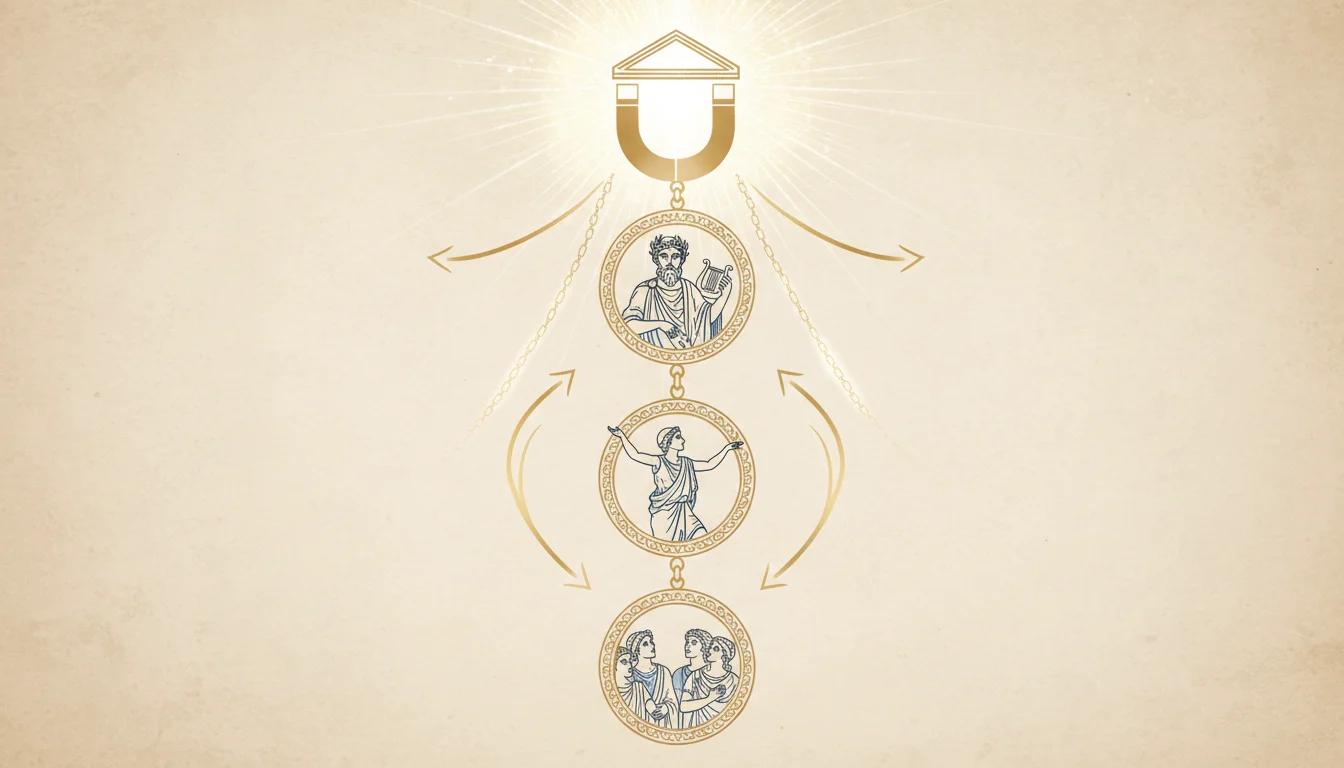
The Famous Magnet Theory
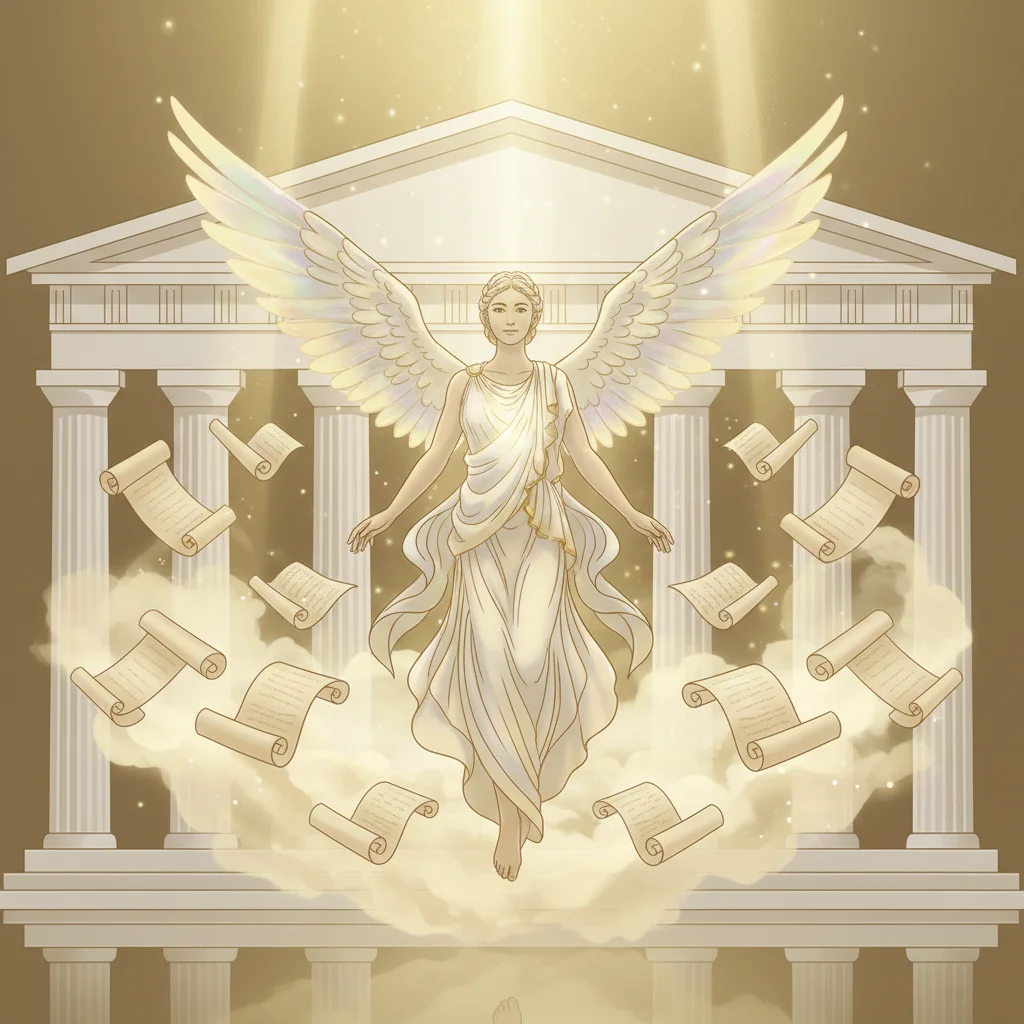
Socrates on Divine Inspiration
'The poet is a light and winged and holy thing, and there is no invention in him until he has been inspired and is out of his senses.' - Socrates in Plato's Ion
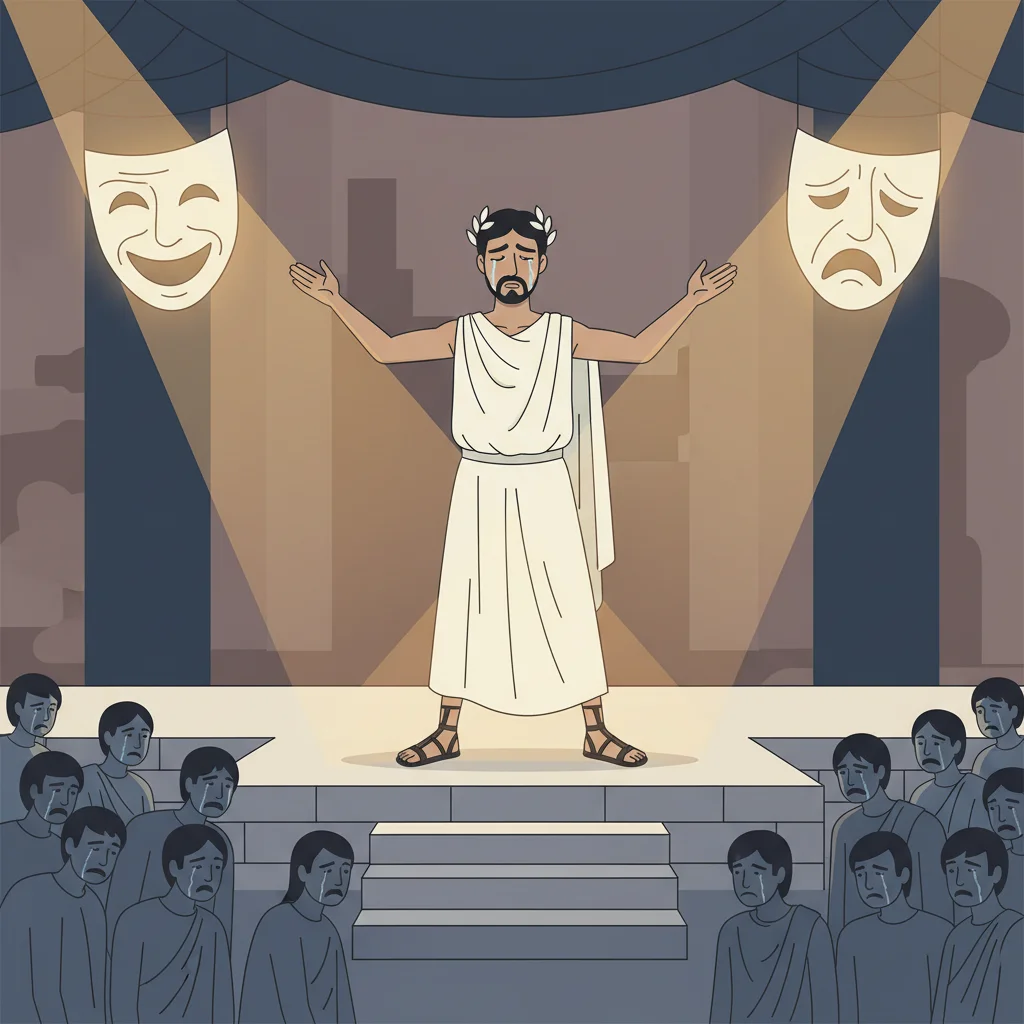
Emotional Possession Activity
SCENARIO: Ion performing a sad scene from Homer What happens to Ion? He cries real tears What happens to the audience? They cry too QUESTION: Is this rational knowledge or emotional inspiration? DISCUSS: Can you think of modern examples?
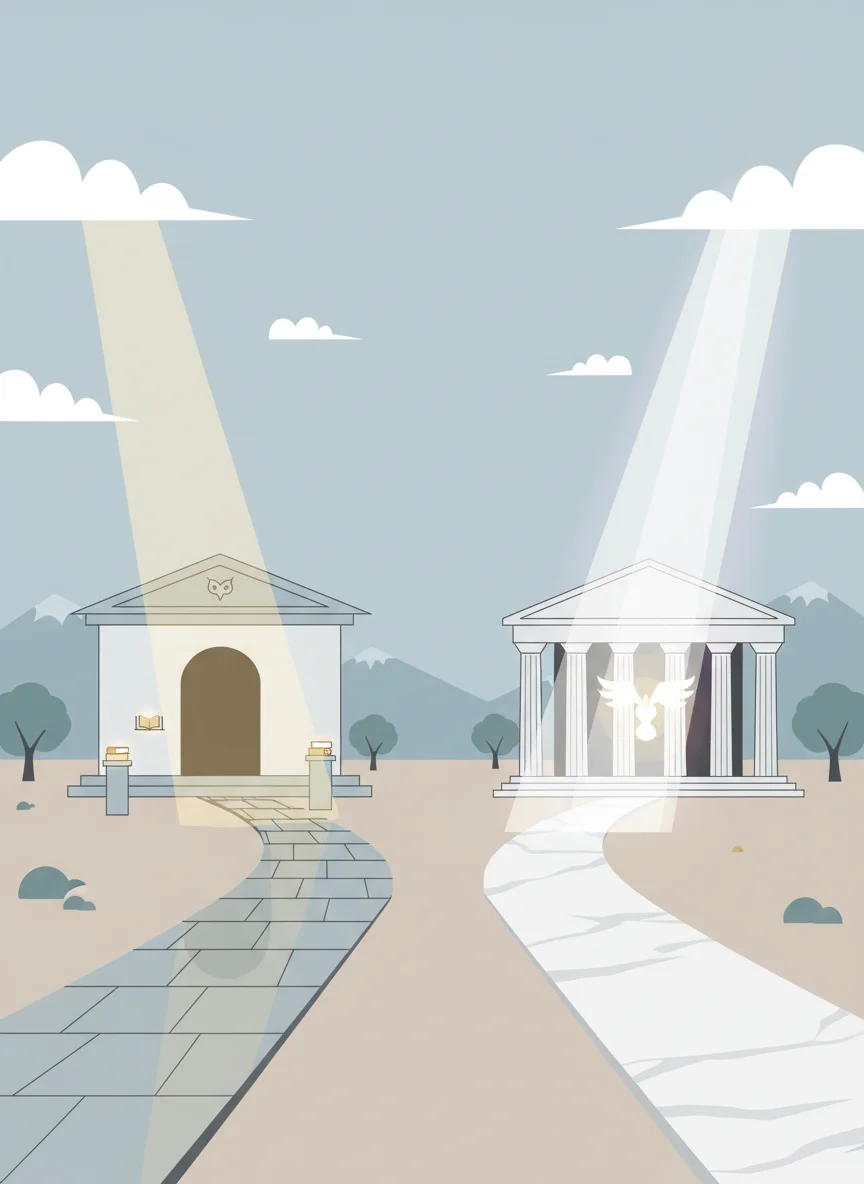
Socrates' Final Challenge to Ion
CHOICE 1: Prove you have knowledge and can explain it rationally CHOICE 2: Admit you are divinely inspired (but not knowledgeable) Ion's response: 'I prefer to be called divine!' Socrates' conclusion: Ion succeeds through divine madness, not human skill
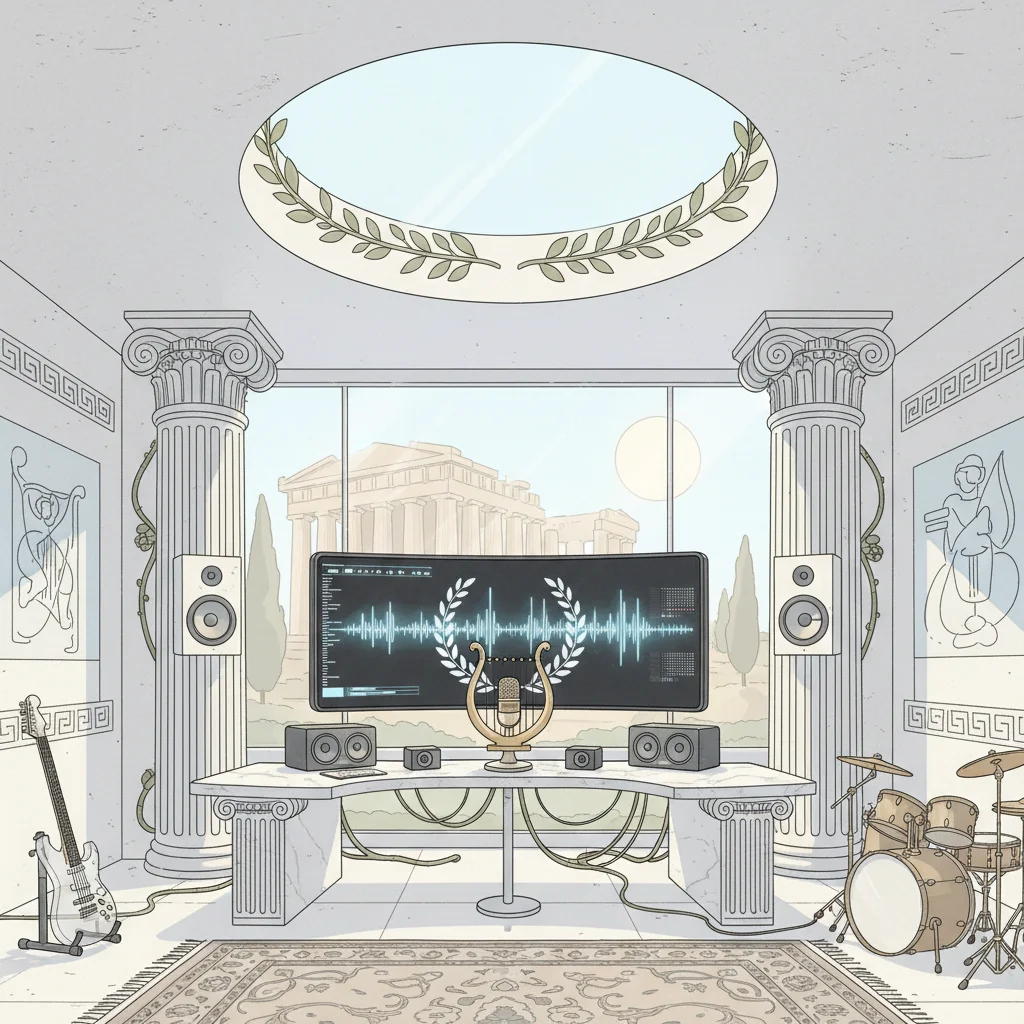
Modern Connections: Think & Discuss
Do modern artists create from knowledge or inspiration? When a musician writes a hit song, what's the source? Can someone move us emotionally without truly understanding? Is artistic genius teachable or mysterious?
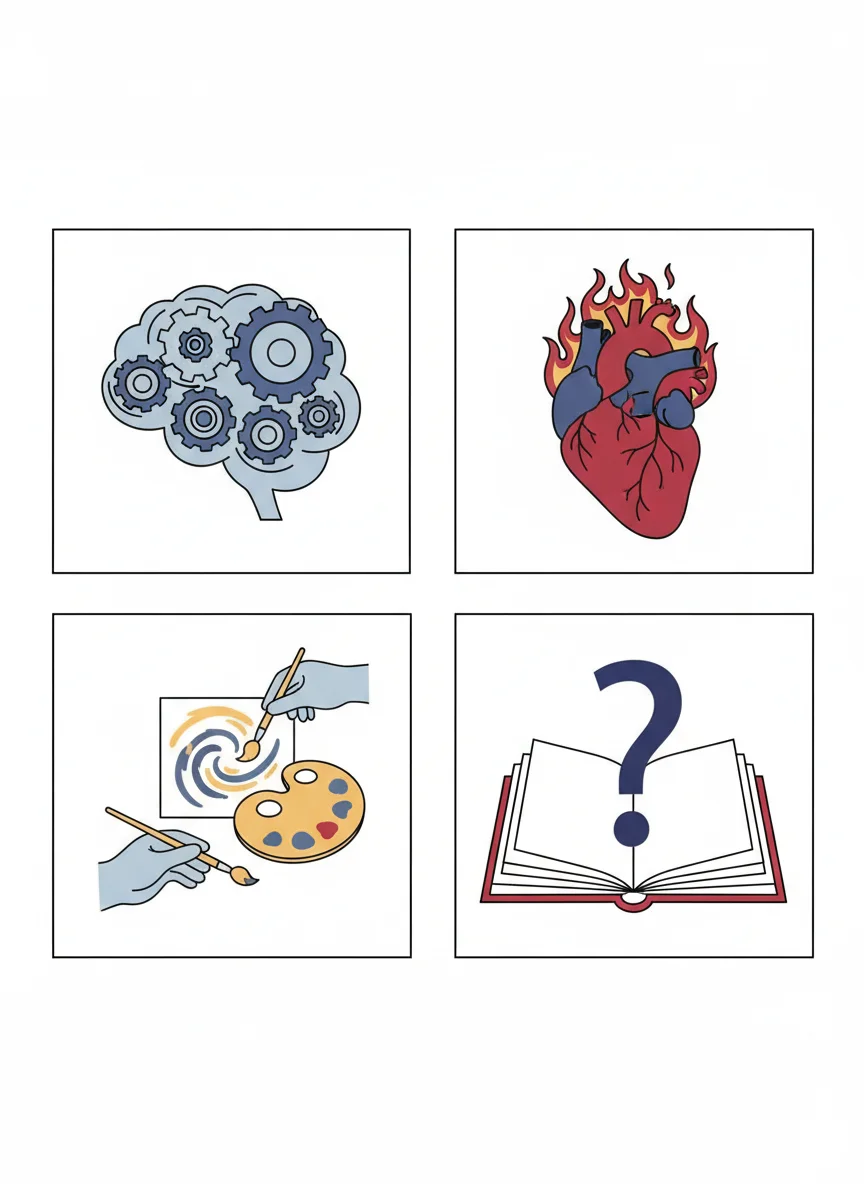
Key Themes for Analysis
The Source of Art: Skill/knowledge vs divine inspiration Emotion vs Reason: Poetry affects feelings, but is it rational? Limits of Expertise: Beautiful performance ≠ true understanding Criticism of Poets: Do artists really know what they teach?
2 more slides available after you open the deck.
Download all 14 slides