Ancient Egypt: Pharaohs and Pyramids
Discovering the Land of the Pharaohs Year 3 Learning Adventure
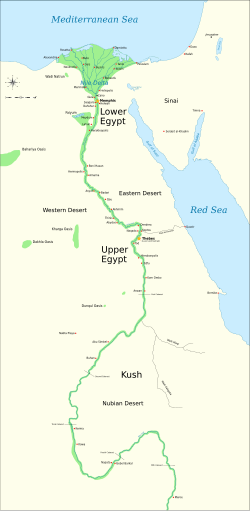
Where is Ancient Egypt?
Ancient Egypt was in North Africa Located along the Nile River The Nile is the world's longest river Egypt had deserts on both sides of the river

The Mighty Nile River

Daily Life in Ancient Egypt
Farmers grew wheat, barley, and vegetables Children played with toys and games People wore linen clothes to stay cool Families lived in mud-brick houses

What is a Pharaoh?
A Pharaoh was the king or queen who ruled all of Ancient Egypt. They were believed to be gods on Earth!

Famous Pharaohs
{"left":"Tutankhamun - The boy king who became pharaoh when he was only 9 years old\nHatshepsut - A powerful queen who ruled for 22 years and built amazing temples","right":"Ramesses II - Known as Ramesses the Great, he ruled for 66 years and built many monuments\nCleopatra VII - The last pharaoh of Egypt, famous for being very clever and speaking many languages"}

Hieroglyphs - Egyptian Writing
Ancient Egyptians used pictures to write Each picture represented a sound or idea Can you guess what these hieroglyphs mean? Try writing your name in hieroglyphs!

Amazing Egyptian Achievements
Built incredible pyramids that still stand today Created the first paper from papyrus plants Invented a 365-day calendar Developed medicine and surgery

Why Were Pyramids Built?
Pyramids were giant tombs for pharaohs Egyptians believed pharaohs needed their treasures in the afterlife The pyramids protected the pharaoh's body (mummy) What do you think it would be like inside a pyramid?

Ancient Egypt's Legacy Today
We still use their calendar system Museums display Egyptian treasures worldwide Movies and books tell Egyptian stories Archaeologists keep discovering new things about Egypt
More Humanities slide decks
Other ready-to-teach humanities decks for New Zealand classrooms.
Tawhirimatea: Māori God of Storms
Tawhirimatea: Māori God of Storms

Māori Gods: Legends and Powers

NCEA Pathways: Your Future Starts Here
NCEA Pathways: Your Future Starts Here