
AI for Science Teachers
Enhance your science teaching with AI tools built for scientific inquiry and discovery
Create engaging science lessons, design experiments, generate lab worksheets, build visual diagrams, and inspire scientific curiosity. Kuraplan's AI understands science pedagogy and helps you bring complex concepts to life.
Features Built for Science Teachers
Discover how Kuraplan's AI tools are specifically designed to help science educators
Science Presentation Slides
Transform science lessons into engaging slideshows with diagrams, experiment procedures, scientific concepts, and multimedia elements. Perfect for introducing topics, explaining processes, or reviewing material.
Science Lesson Plans with Experiments
Generate comprehensive science lesson plans that include hands-on experiments, inquiry-based activities, and scientific method practice. Our AI creates lessons aligned with science standards and best practices.
Lab Worksheets & Science Assessments
Create lab worksheets, observation sheets, data collection forms, and science assessments. Generate materials for experiments, field studies, and scientific investigations.
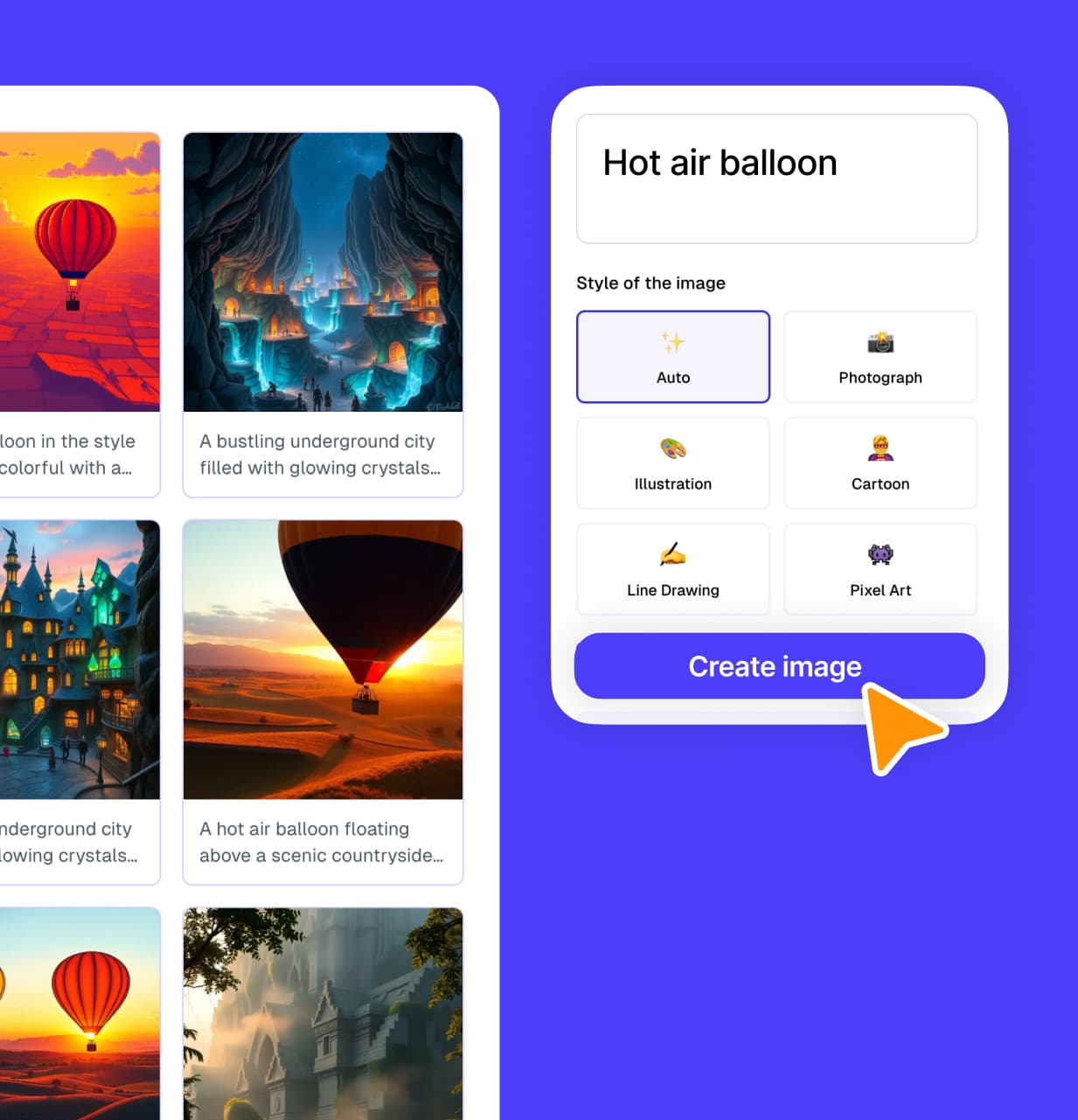
Scientific Diagrams & Visuals
Generate scientific diagrams, process illustrations, anatomical drawings, and visual aids that help students understand complex scientific concepts. Create visuals for biology, chemistry, physics, and earth science.
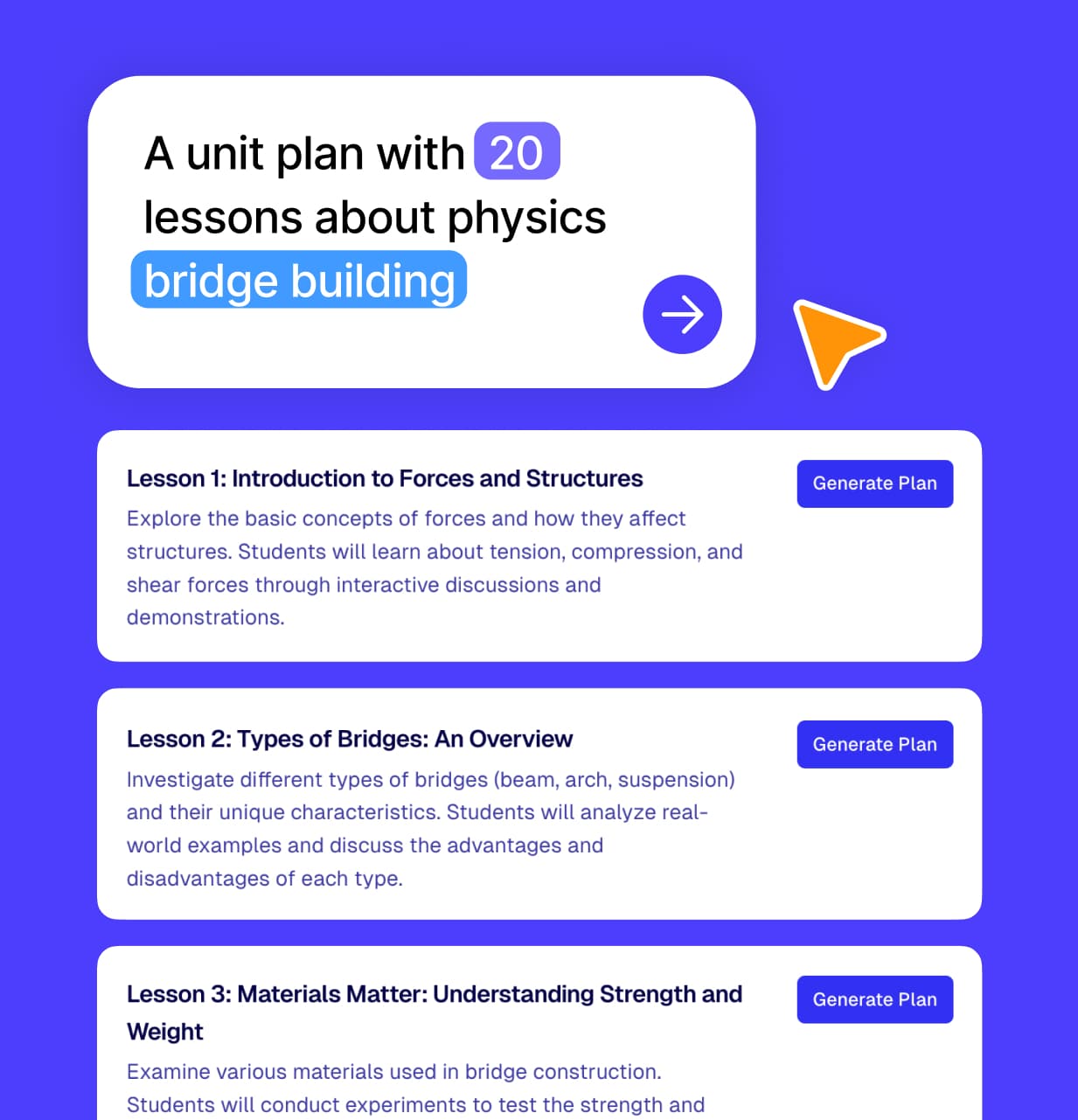
Complete Science Unit Plans
Design comprehensive science units that build understanding through inquiry, experimentation, and discovery. Plan units with progressive learning, integrated labs, and aligned assessments.
Science Teaching Assistant
Get help with science pedagogy, experiment ideas, safety considerations, and curriculum questions. Your AI assistant understands science education and can help brainstorm activities and troubleshoot challenges.
Science Lesson Plan Examples
Explore ready-to-use lesson plans created by science teachers
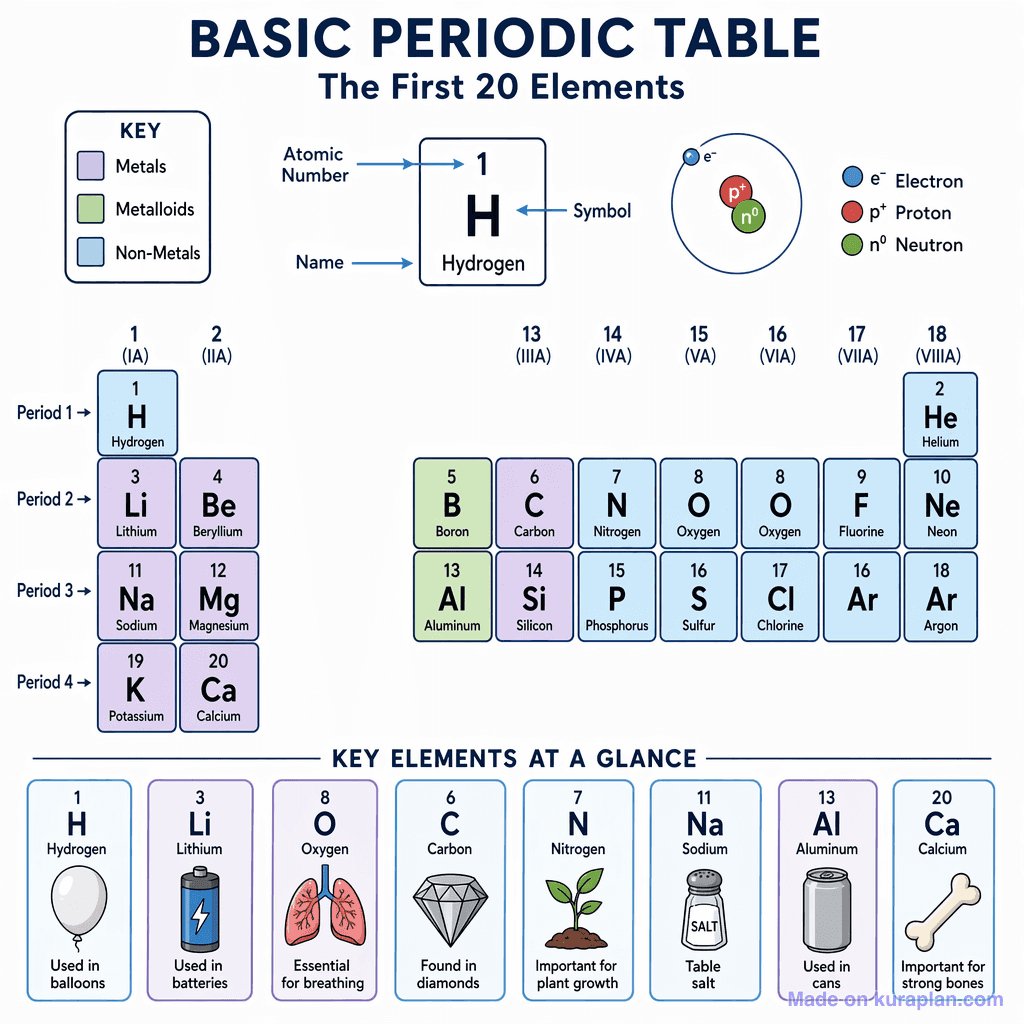
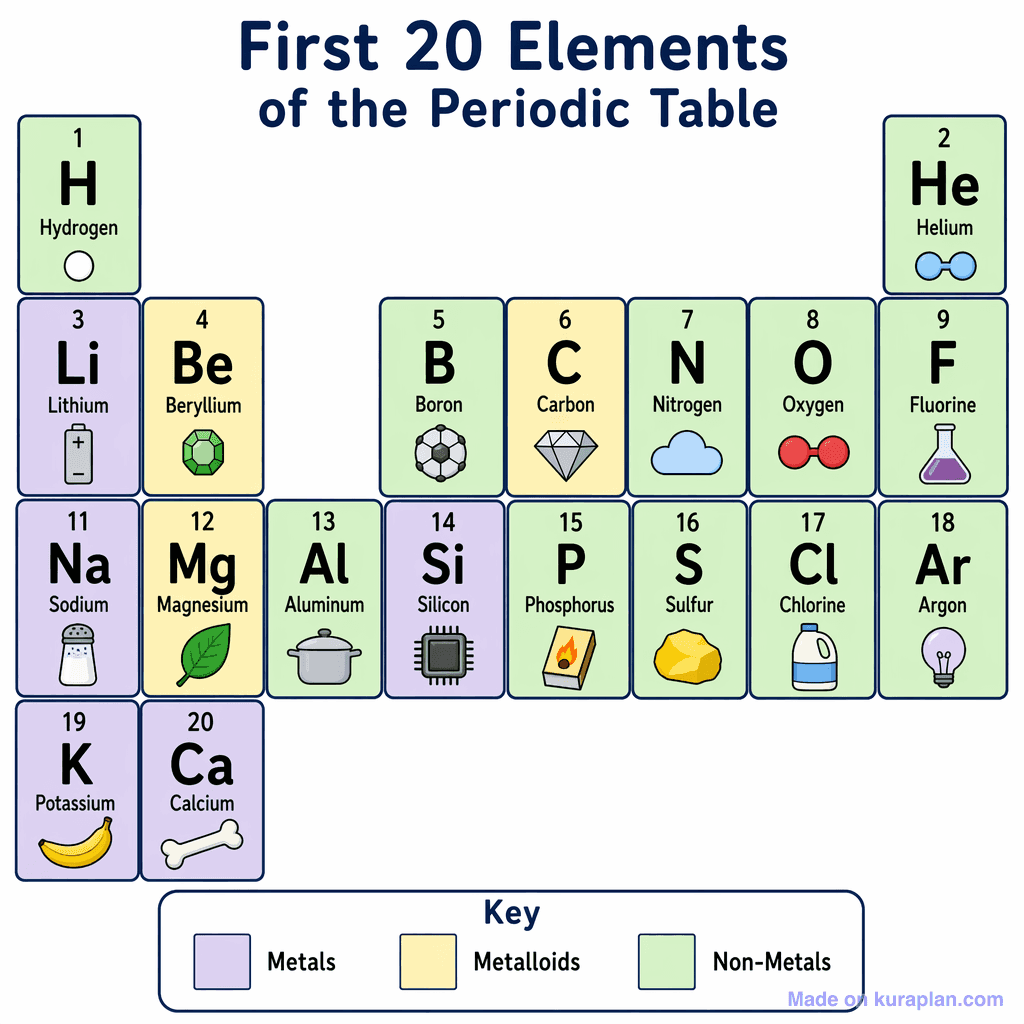
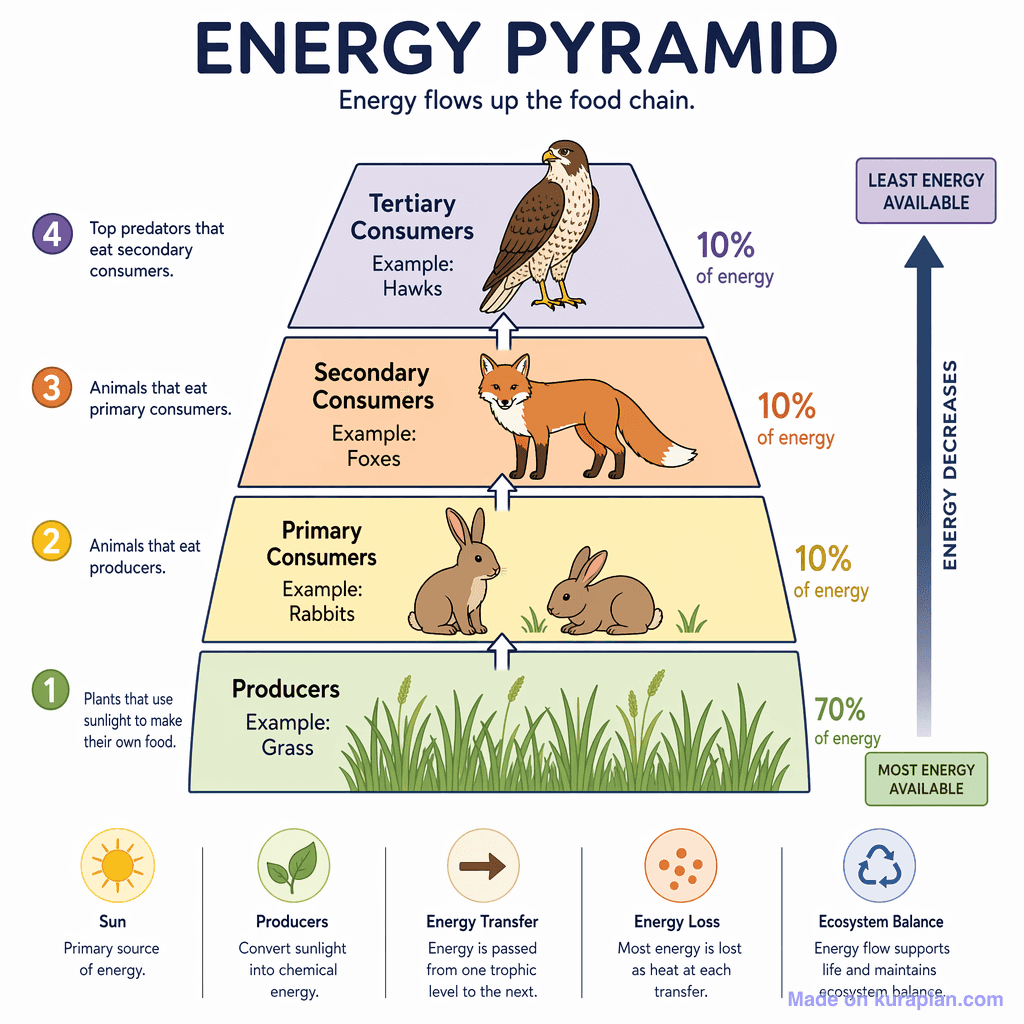
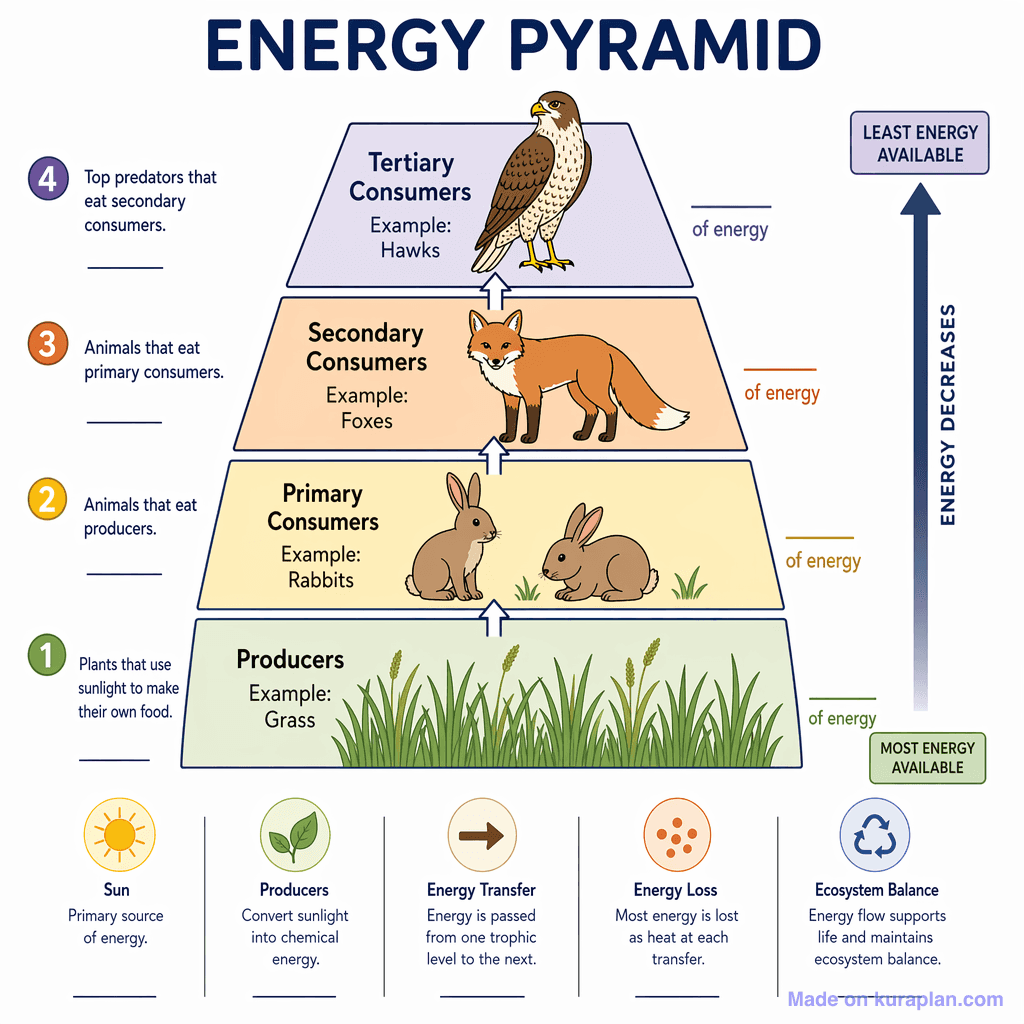
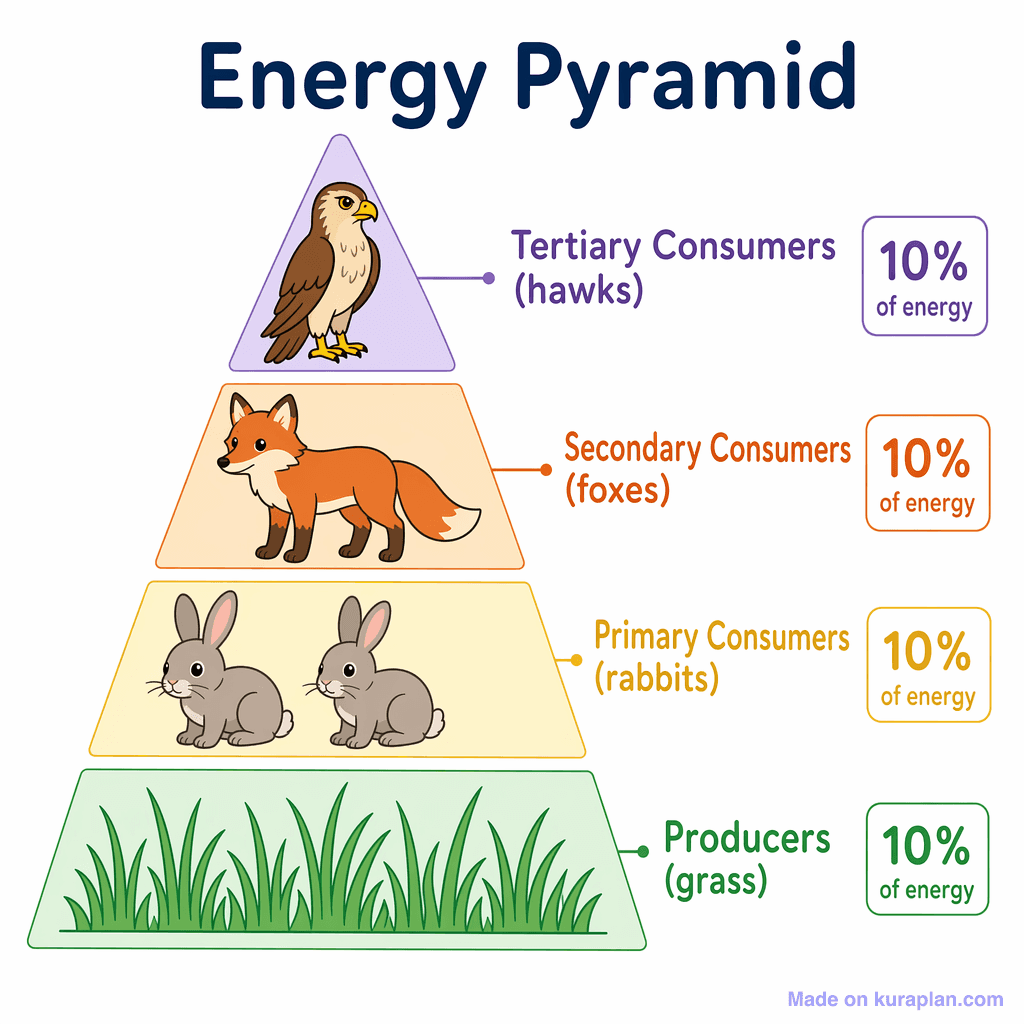
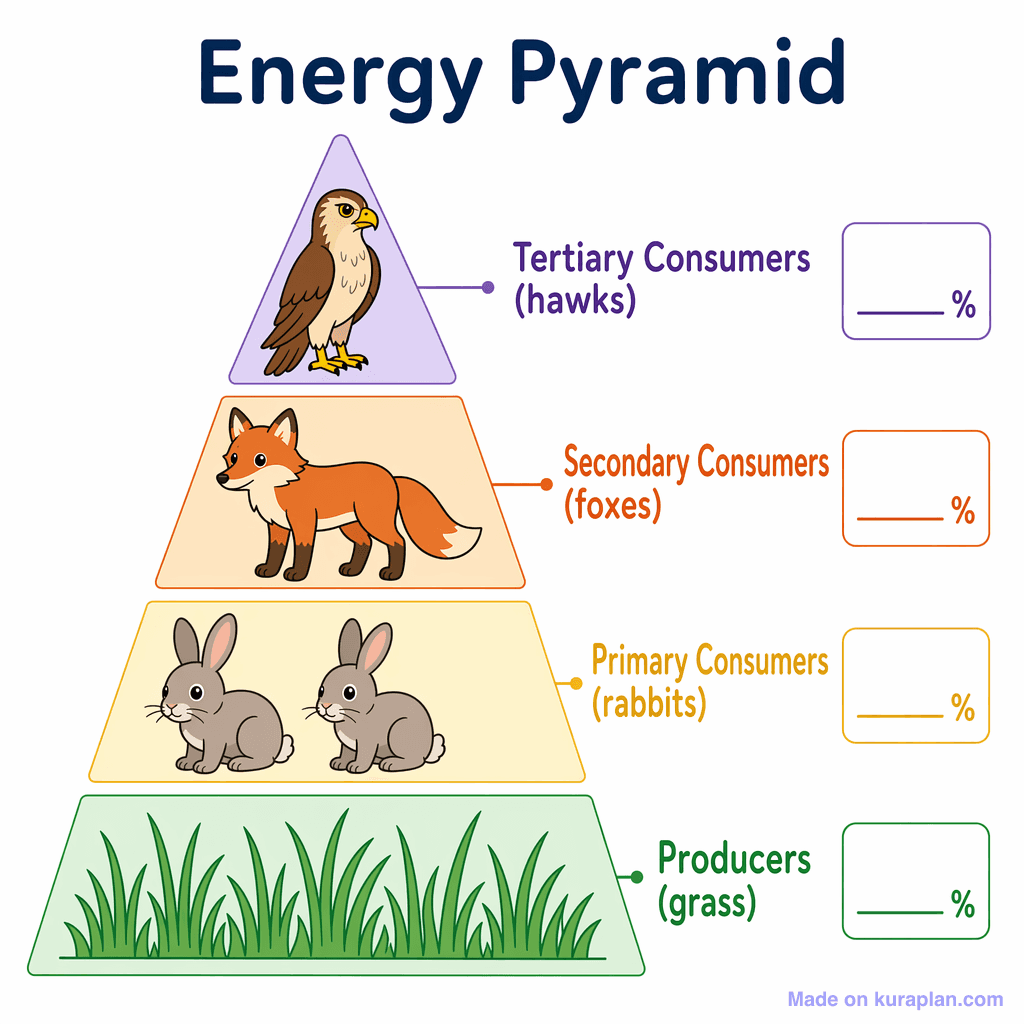
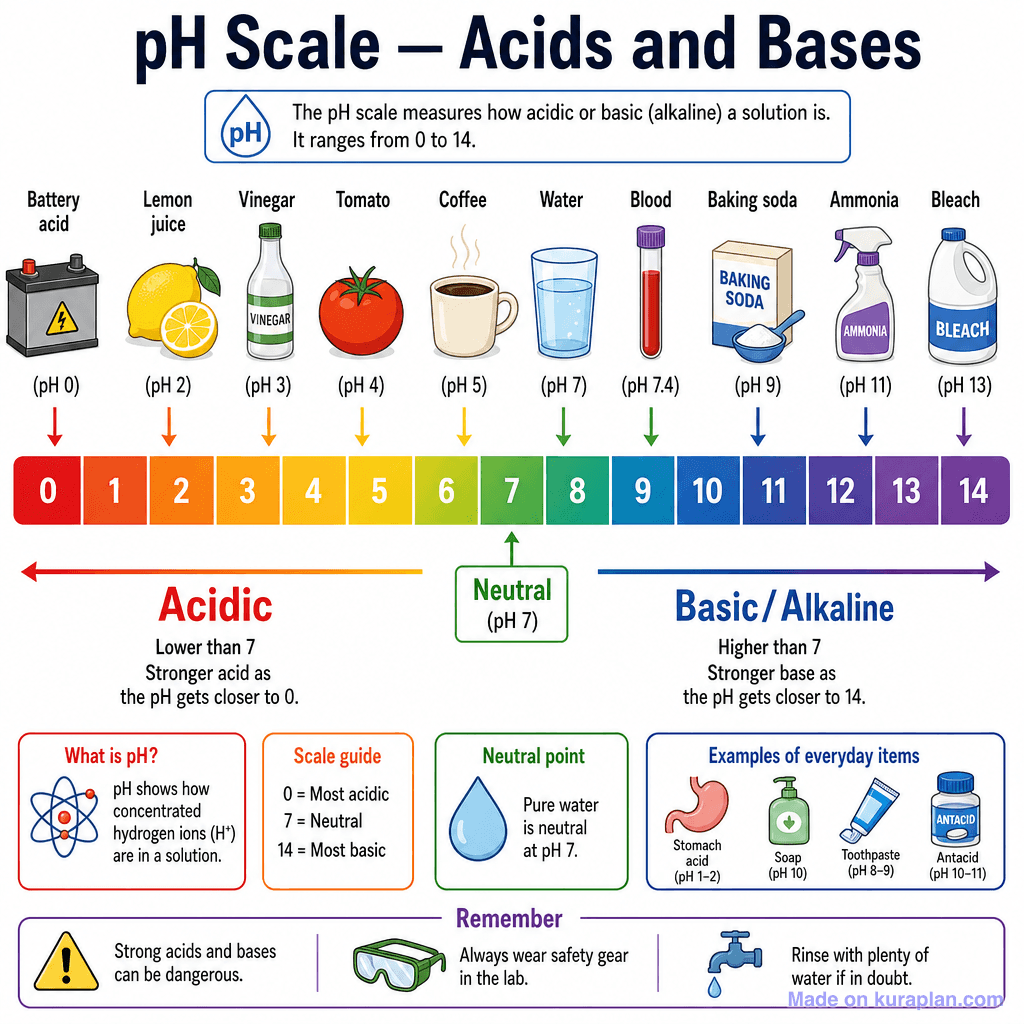
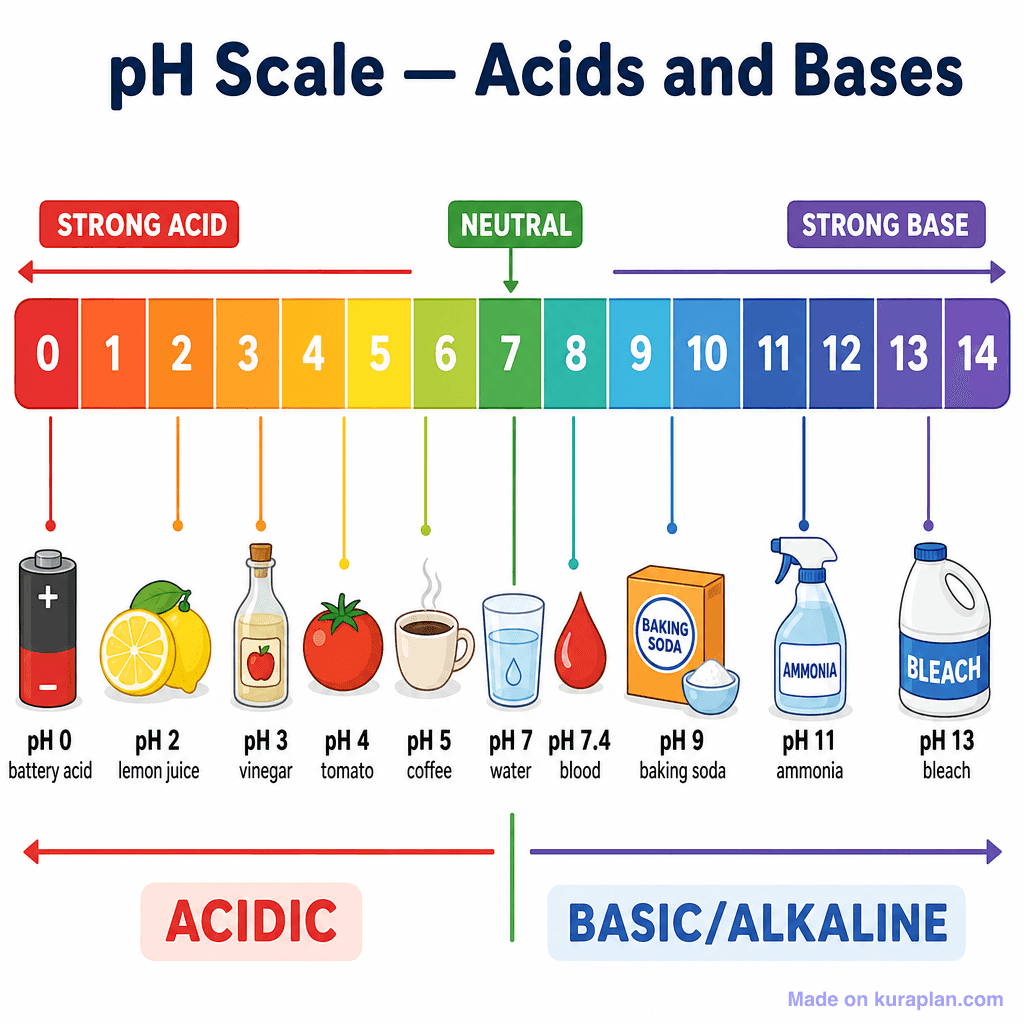
Popular Clipart for Science Teachers
Free printable science illustrations and diagrams — labelled, classroom-ready, CC BY-NC 4.0
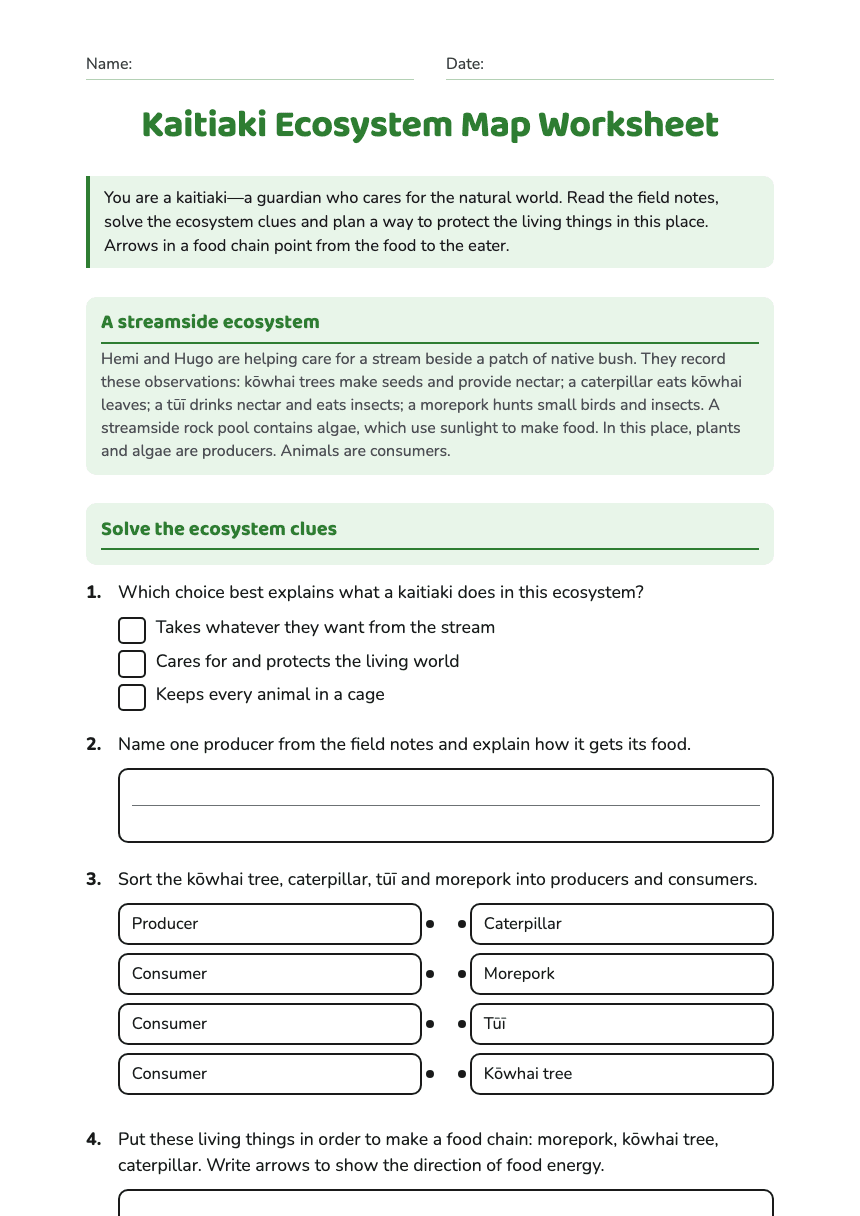
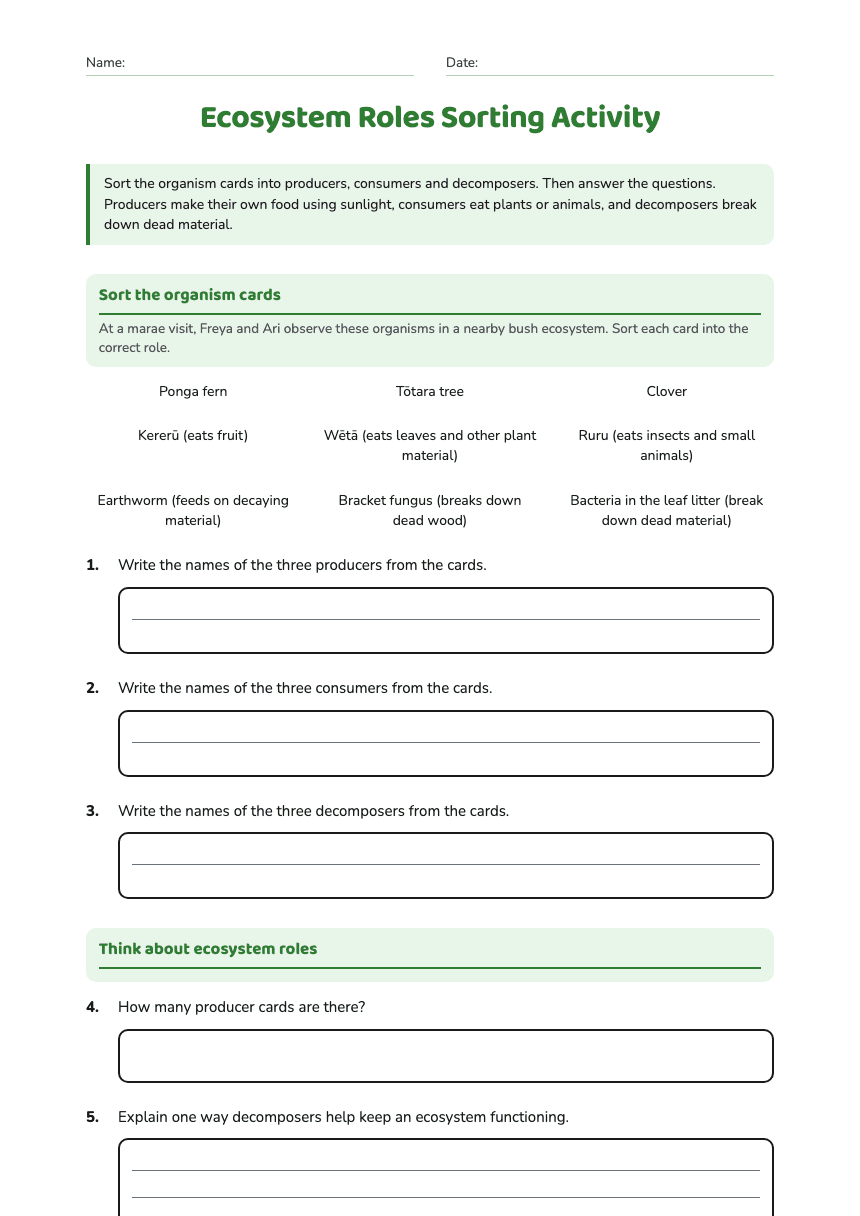
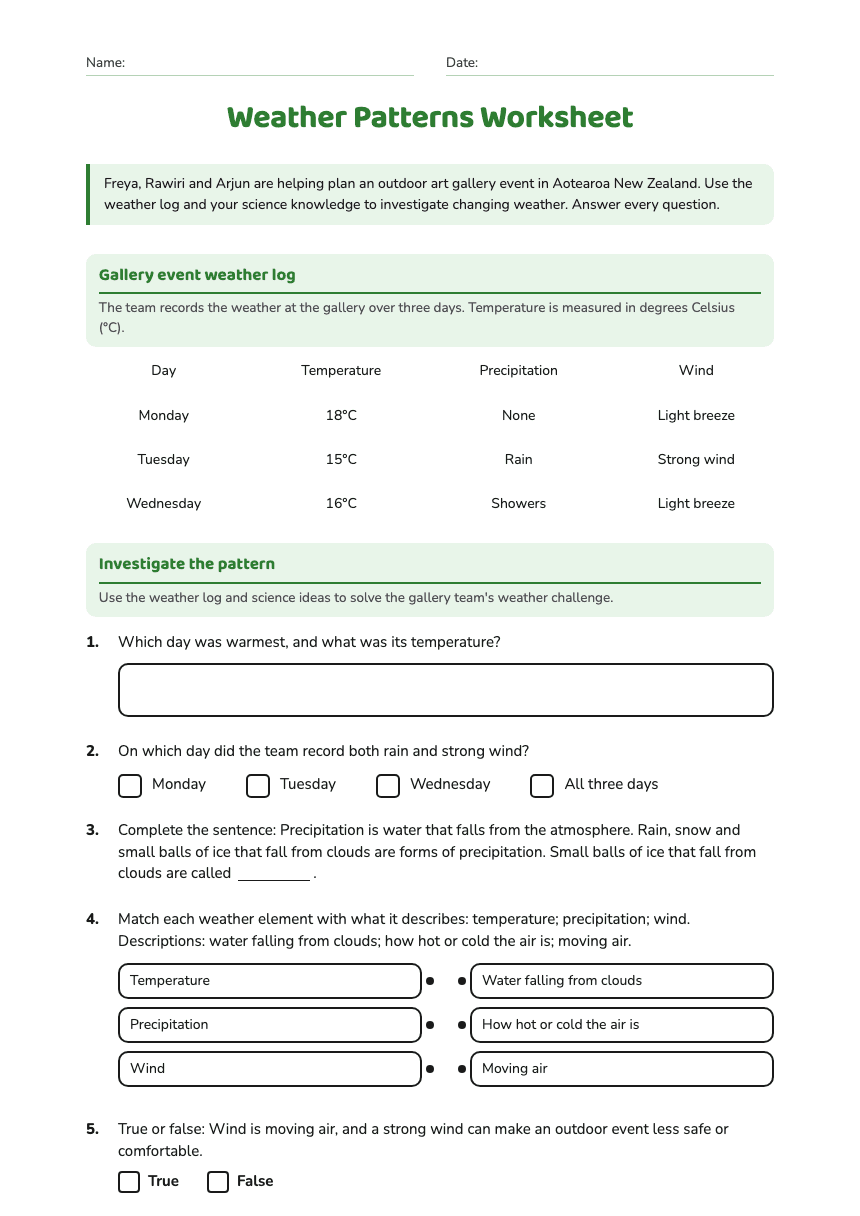
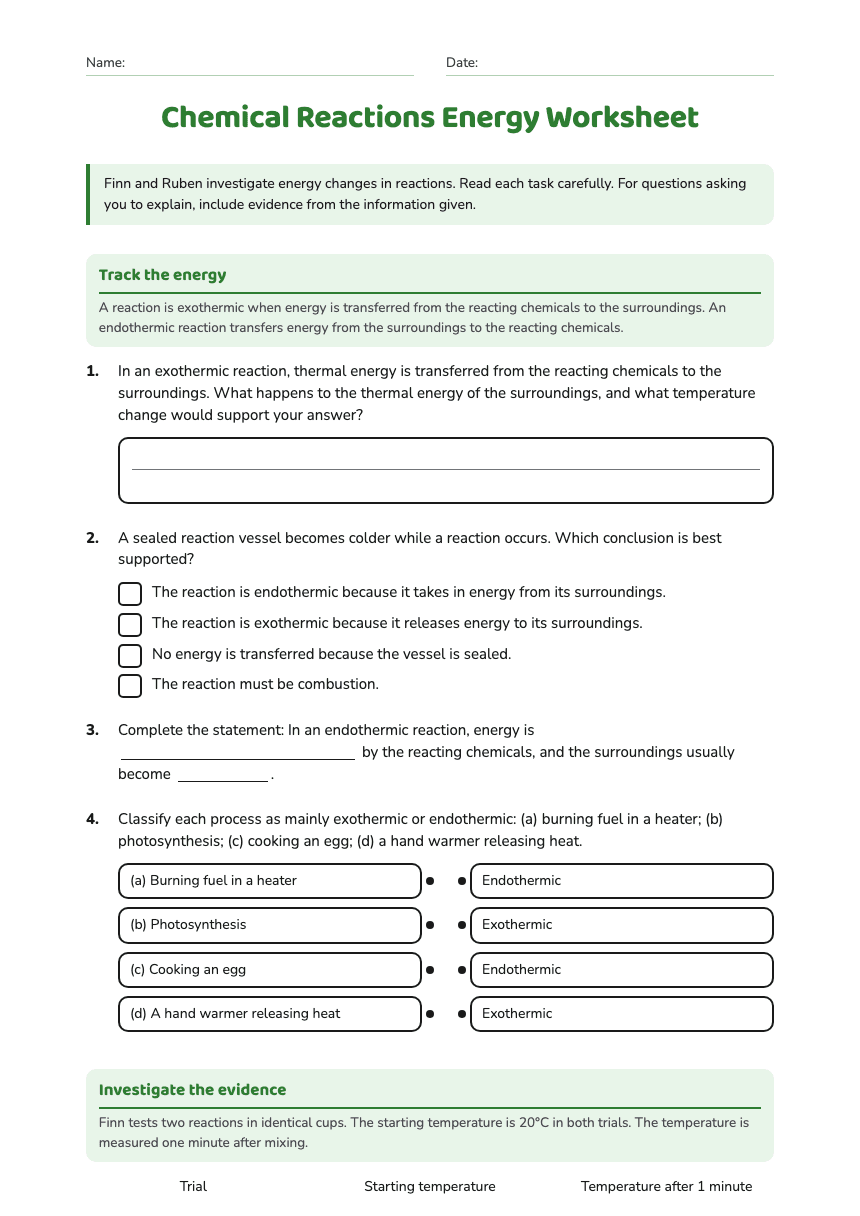
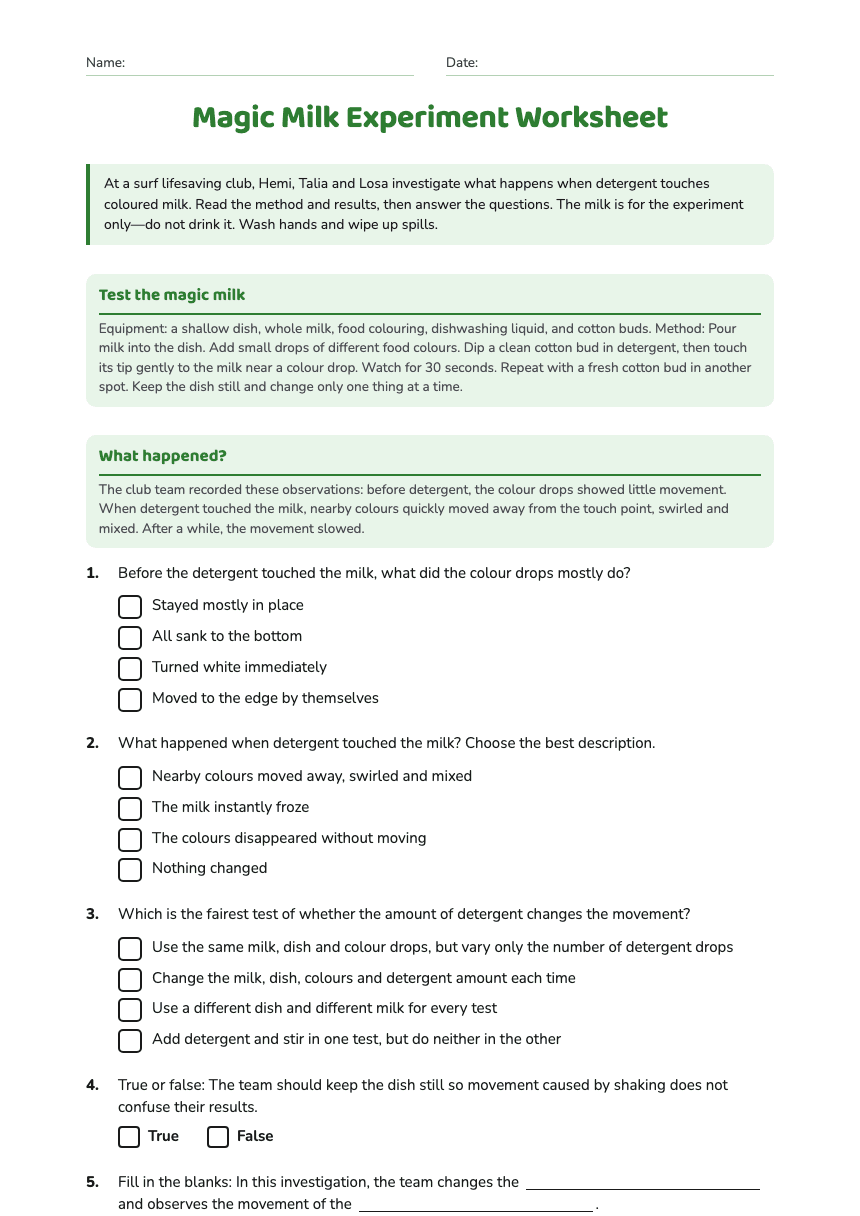
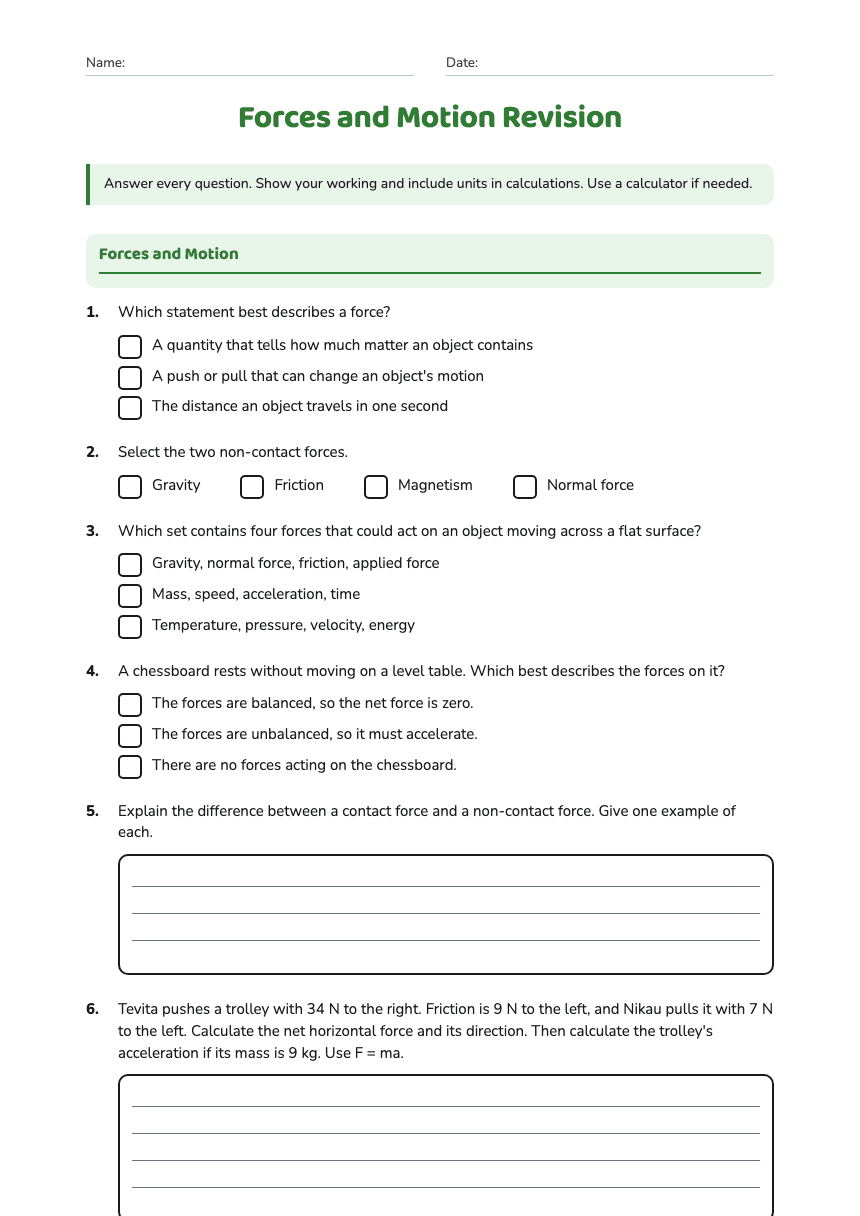
Free Science Worksheets
Ready-to-print worksheets used by science teachers


Science Teaching Slides
Ready-to-teach slide decks aligned to the science curriculum

Acids and Carbonates: Chemistry in Action

Moon Phases: Science Meets Maramataka

Homo Sapiens and Neanderthals: Human Ancestors

Heating, Cooling, and States of Matter

Measuring Flight Distances Year 5

Discovering Autumn With Our Senses

Human Origins: Bipedalism and Beyond

Wonderful Worms and Their Habitat
Why Science Teachers Are Embracing AI Tools
The Unique Demands of Science Education
Science teachers face a distinctive set of challenges that set their work apart from other subject areas. Beyond delivering content knowledge, they must design and manage hands-on experiments, ensure laboratory safety, help students develop scientific thinking skills, and make abstract concepts tangible through demonstrations and investigations. The preparation required for effective science teaching is immense—from gathering materials for experiments to creating detailed lab procedures, from designing data collection sheets to developing assessments that measure both content knowledge and scientific reasoning. Many science teachers spend their weekends preparing for the week ahead, leaving little time for rest or professional growth.
AI: A Powerful Tool for Science Educators
Artificial intelligence is emerging as a game-changing resource for science teachers who want to maintain high-quality instruction while reclaiming their personal time. Unlike generic productivity tools, AI designed for education understands the unique requirements of science teaching—the importance of the scientific method, the need for safety considerations in lab activities, the value of inquiry-based learning, and the challenge of making invisible processes visible to students. These specialized tools can generate complete lesson plans that incorporate best practices in science education, from the 5E instructional model to phenomenon-based learning approaches.
Bringing Science Concepts to Life
One of the greatest challenges in science education is helping students visualize processes they cannot directly observe—from cellular respiration to plate tectonics, from chemical bonding to electromagnetic waves. AI-powered tools can generate detailed scientific diagrams, process illustrations, and visual models that make these concepts accessible to learners at every level. Teachers can create custom visuals that match their exact instructional needs, whether they're explaining the water cycle to elementary students or illustrating protein synthesis to high schoolers. These visuals can be incorporated into slideshows, worksheets, and assessments, creating a cohesive visual learning experience.
Streamlining Lab Preparation
Laboratory experiences are essential for science learning, but the preparation they require is substantial. AI tools can generate comprehensive lab worksheets that include background information, safety reminders, step-by-step procedures, data tables, analysis questions, and conclusion prompts. They can create pre-lab activities that ensure students understand the purpose and procedures before entering the lab, as well as post-lab assessments that check for understanding. This streamlined preparation means teachers can offer more hands-on experiences without burning out from the preparation workload.
Supporting Inquiry and Scientific Thinking
Modern science education emphasizes inquiry-based learning, where students don't just learn facts but develop the skills to ask questions, design investigations, analyze data, and construct explanations. AI tools support this approach by helping teachers design open-ended investigations, create scaffolded inquiry experiences for students at different levels, and develop assessments that measure scientific thinking rather than just content recall. The AI can suggest driving questions, help structure student investigations, and generate rubrics that assess both process skills and content understanding.
Join the Future of Science Teaching
Science teachers around the world are discovering that AI tools enhance rather than replace their expertise. By handling the time-consuming aspects of lesson preparation—creating worksheets, designing slideshows, generating diagrams—AI frees teachers to focus on what matters most: facilitating discovery, guiding student thinking, and sparking curiosity about the natural world. Whether you teach life science, physical science, earth science, or integrated science courses, AI-powered teaching tools can help you create more engaging lessons, provide better differentiation, and maintain a sustainable work-life balance. The future of science education is one where technology supports teachers in inspiring the next generation of scientists and scientifically literate citizens.
Create your own science lesson in seconds
Kuraplan's AI builds curriculum-aligned lessons, worksheets and slides - free to try.