Biophysical Principles in Sports Training
Year 12 Physical Education Achievement Standard 91329 Understanding Training Applications
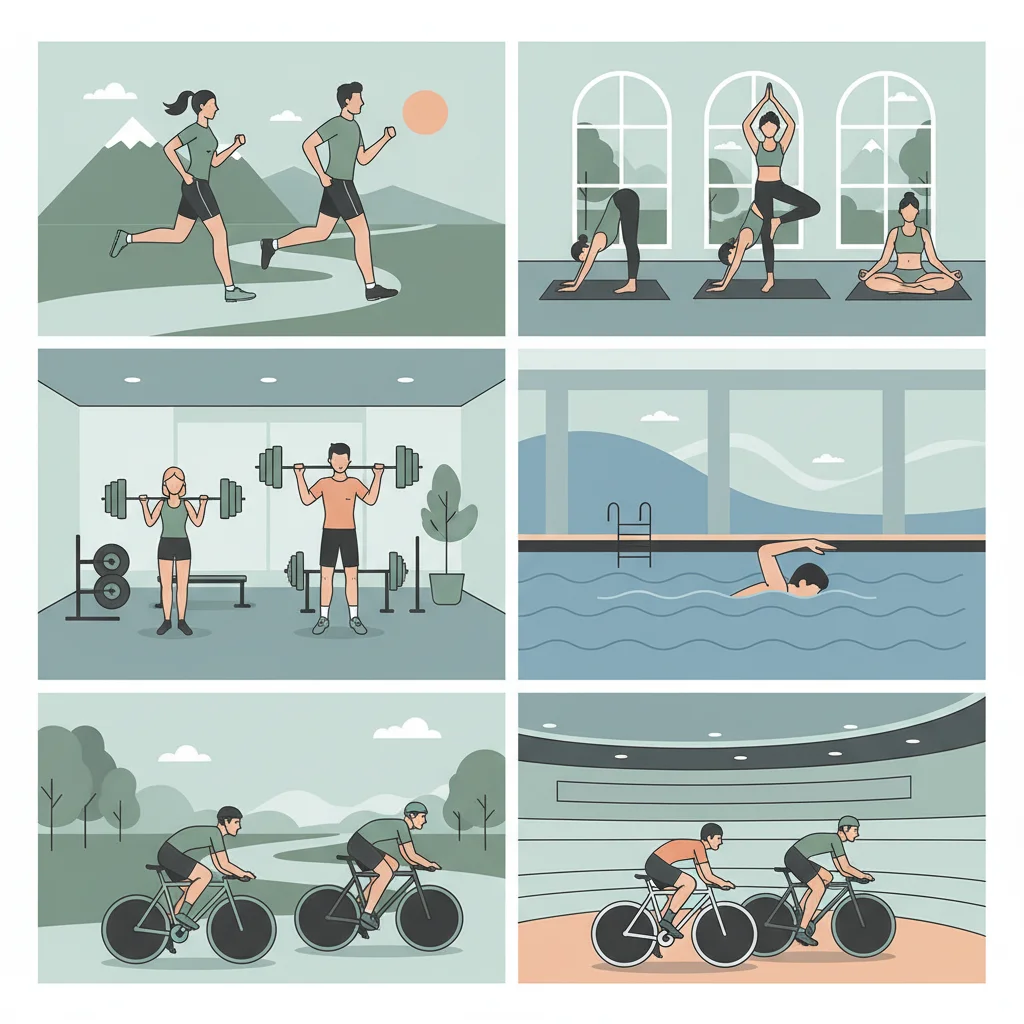
What is Fitness?
Take 5 minutes to write your definition of fitness How do you currently maintain your fitness? What does being 'fit' mean to different people?
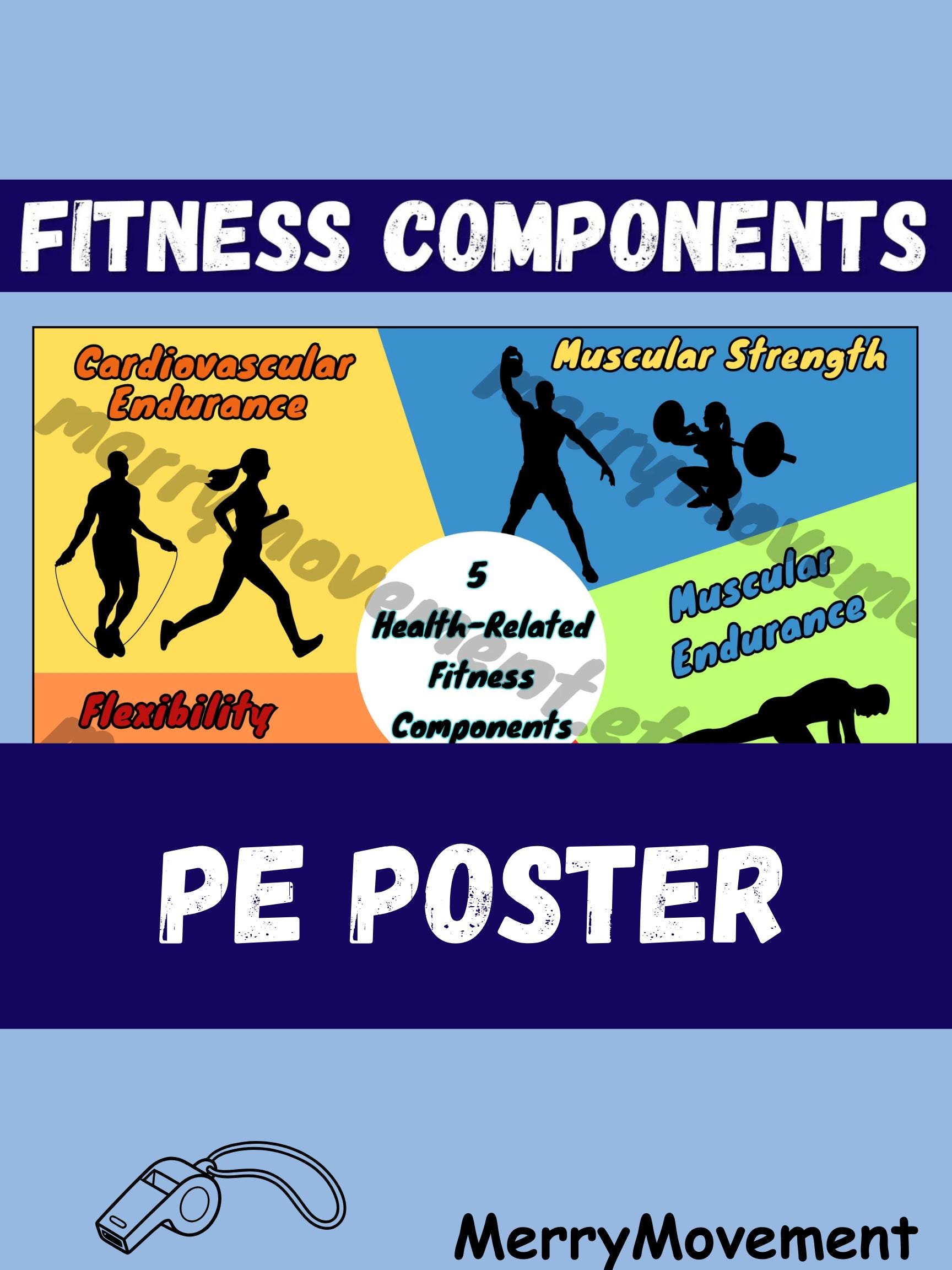
Components of Fitness Overview
Health-related fitness components Skill-related fitness components Each component serves different athletic purposes Training programs target specific components

Health vs Skill-Related Fitness
{"left":"Muscular Endurance\nMuscular Strength\nCardiovascular Endurance\nFlexibility\nBody Composition\nAgility","right":"Balance\nCoordination\nPower\nReaction Time\nSpeed"}

Muscular Endurance
Ability of muscles to contract repeatedly over time Helps athletes go further, faster, longer Essential for distance events and sustained activities Measured through repetition-based tests

Muscular Strength and Power
Maximum force muscles can exert Power = strength + speed of movement Critical for explosive movements Helps athletes hit, tackle, throw, and jump

Cardiovascular Endurance
Heart, lungs, and blood vessels working efficiently Oxygen delivery to working muscles Foundation for all endurance activities Measured through VO2 max and similar tests
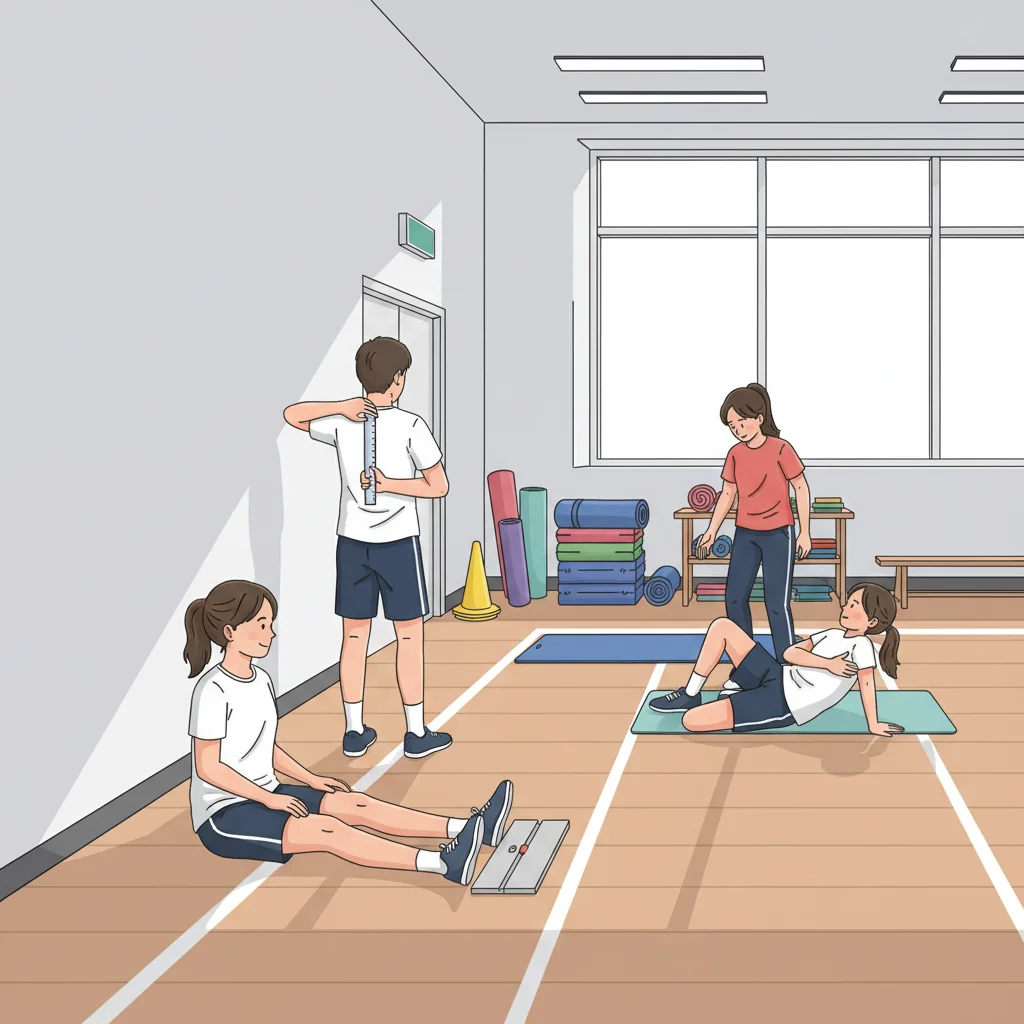
Flexibility Assessment
Perform a sit-and-reach test Measure shoulder flexibility Assess hip mobility Record your baseline measurements
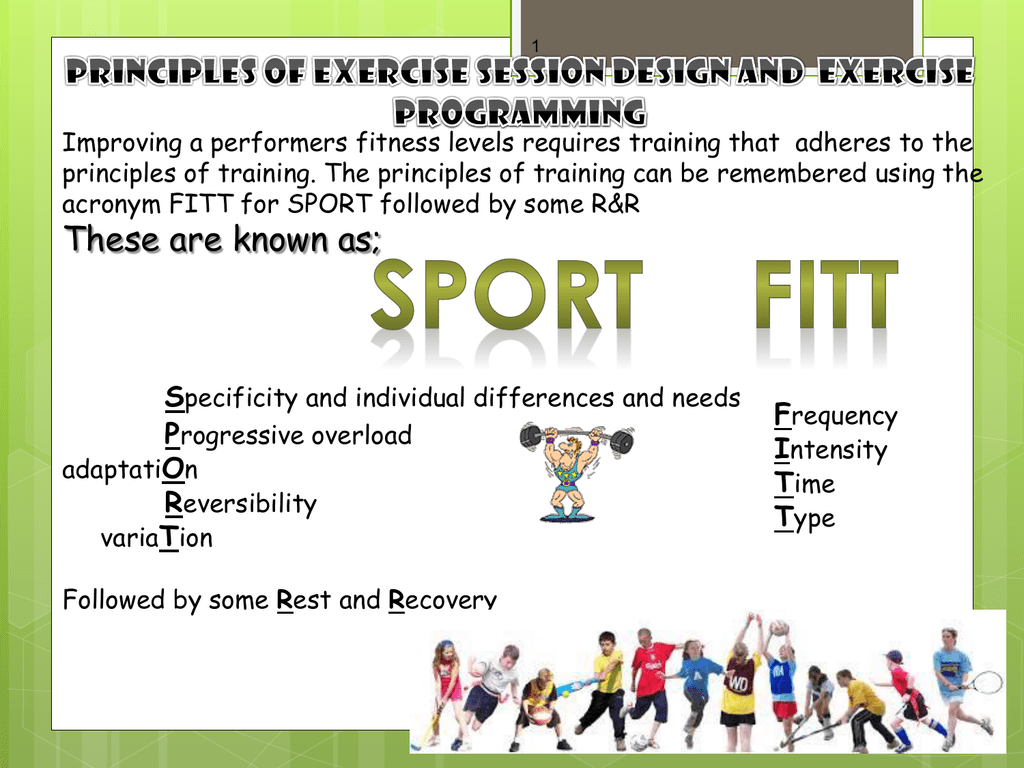
Training Principles - SPORT FITT

Specificity Principle
Training must be specific to the sport or activity Adaptations are specific to the type of exercise Energy systems trained must match sport demands Movement patterns should replicate competition

Progressive Overload
Gradually increase training demands over time Body adapts to current stress levels Increase frequency, intensity, time, or type Prevents training plateaus
Reversibility and Tedium
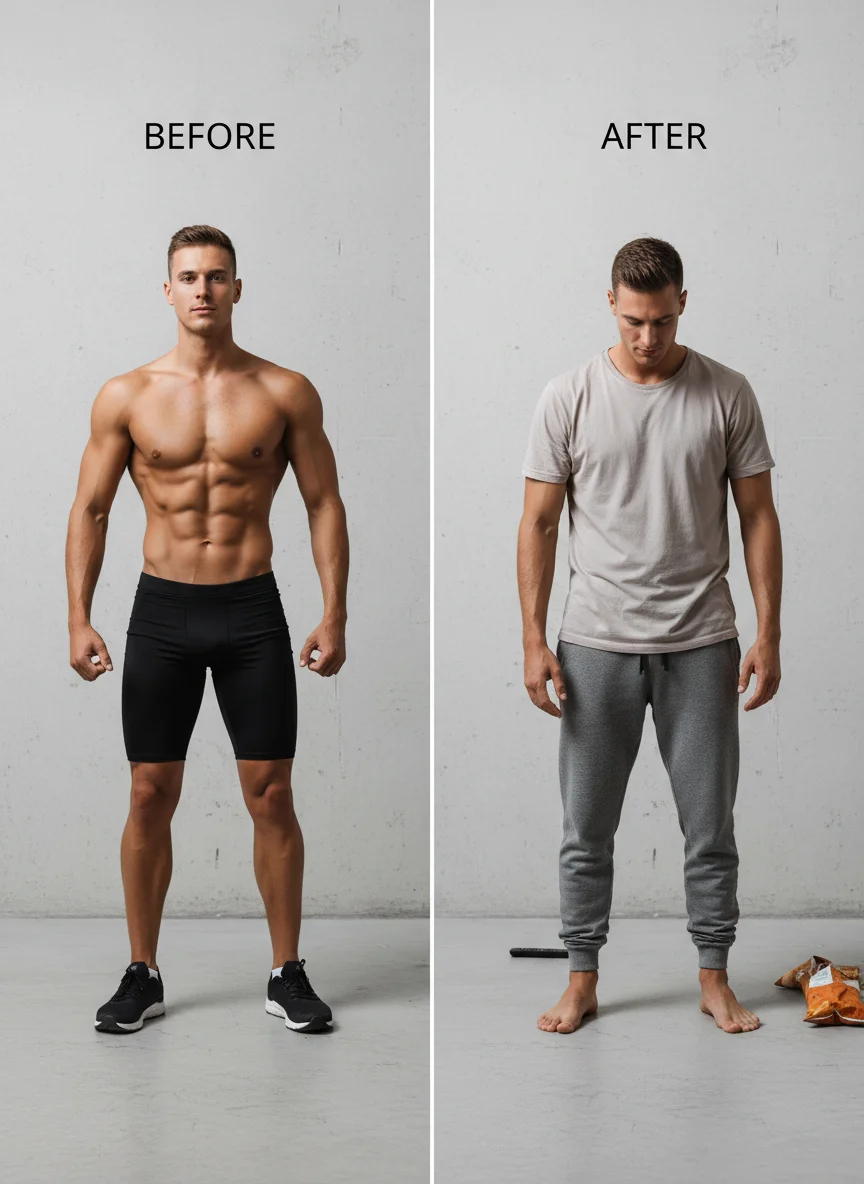
Use it or lose it - fitness gains are lost without maintenance Detraining occurs within weeks of stopping exercise Tedium leads to mental and physical plateaus Variety prevents boredom and overuse injuries
8 more slides available after you open the deck.
Download all 20 slides