
Bishop Pompallier and Māori Legacy
Year 8 Religious Education Understanding Faith, Culture and History in Aotearoa New Zealand

Learning Objectives - WALT
We Are Learning To understand who Bishop Jean Baptiste Pompallier was and his journey to New Zealand We Are Learning To explore his role during the Treaty of Waitangi and efforts for religious freedom We Are Learning To learn about printing Māori Bibles and the significance of Motuti We Are Learning To develop communication skills through respectful historical discussion
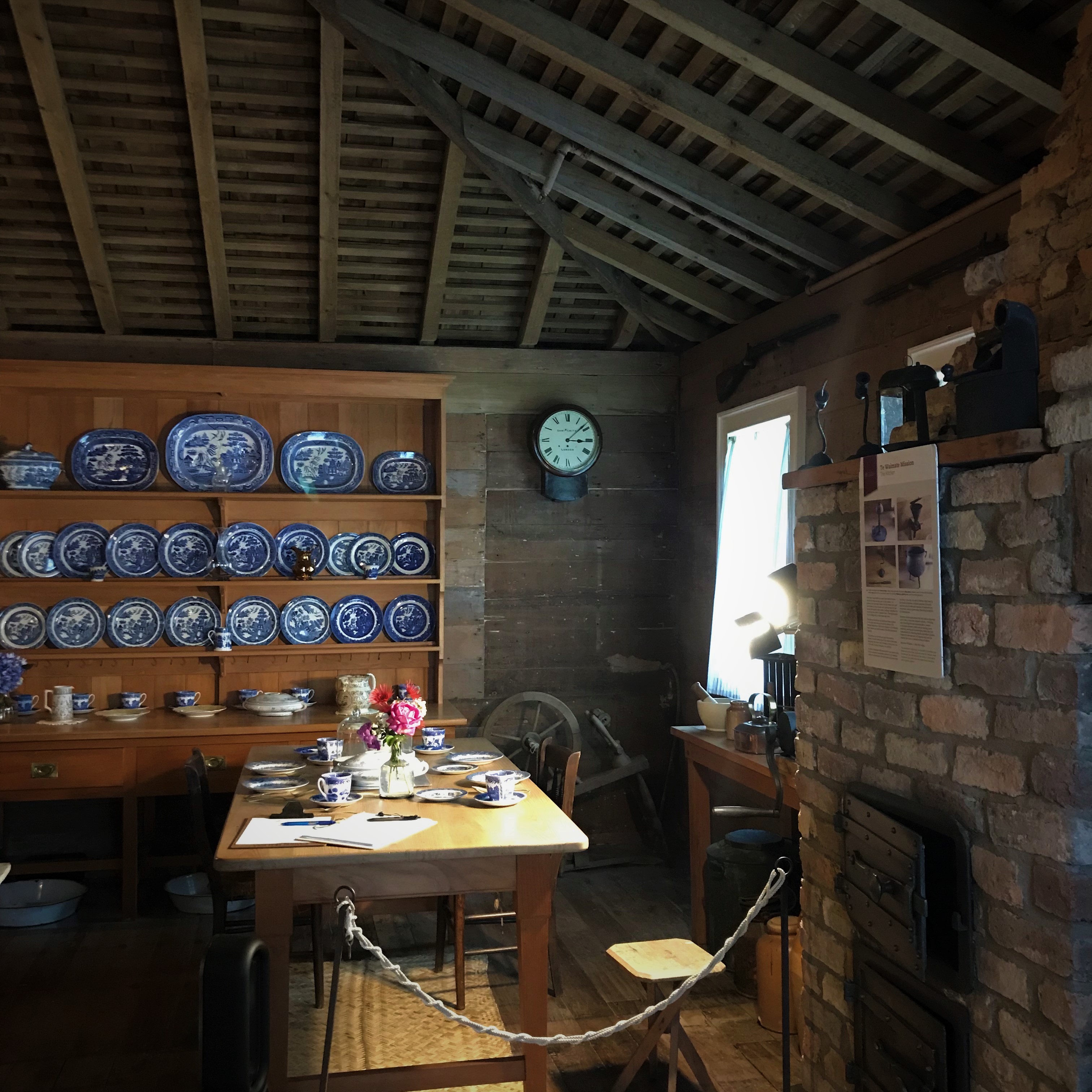
What Do We Already Know?
Think about what you know about the Treaty of Waitangi Have you heard of early missionaries in New Zealand? What do you think life was like for Māori in the 1840s?
Meet Bishop Jean Baptiste Pompallier
Born 1801 in Lyon, France Ordained as a Catholic priest in 1829 Appointed as Bishop in 1836 Travelled with four priests and three brothers of the Society of Mary Sailed from France in December 1836

Pompallier's Epic Journey to New Zealand
Arrival in Hokianga - January 1838
First Catholic bishop to arrive in New Zealand Established his first mission at Hokianga Learned te reo Māori to communicate with local iwi Built relationships with Māori communities Began printing religious texts in Māori language
The Treaty of Waitangi - 1840
Pompallier attended the Treaty signing at Waitangi Advocated for religious freedom for all people Influenced the fourth clause protecting Māori customs and religions Ensured both Māori and European faiths would be respected Demonstrated commitment to cultural understanding

Pompallier's Achievements in New Zealand
{"left":"Established 16 mission stations by 1844\nPrinted prayer books and Māori Bibles\nUsed printing press at Kororareka (Russell)","right":"Promoted literacy among Māori communities\nBuilt schools and churches\nTrained Māori catechists and teachers"}

Discussion Activity
Work in pairs to discuss: Why was Bishop Pompallier important to Māori? Use sentence starters: 'Pompallier was important because...' or 'He helped Māori by...' Share your ideas with the class Listen respectfully to different viewpoints

Motuti - Pompallier's Final Resting Place
Pompallier died in France in 1871 Reburied at Motuti, Hokianga in 2002 Motuti was chosen because it was his first mission site St Mary's Church at Motuti honors his memory Represents the lasting connection between Pompallier and Māori

Create Our Class Mural
Work in groups to create a collaborative mural about Pompallier's legacy Illustrators: Draw key scenes from his journey and work Writers: Use sentence prompts to describe his achievements Researchers: Find interesting facts to add Include te reo Māori words like 'karakia' (prayer) where appropriate
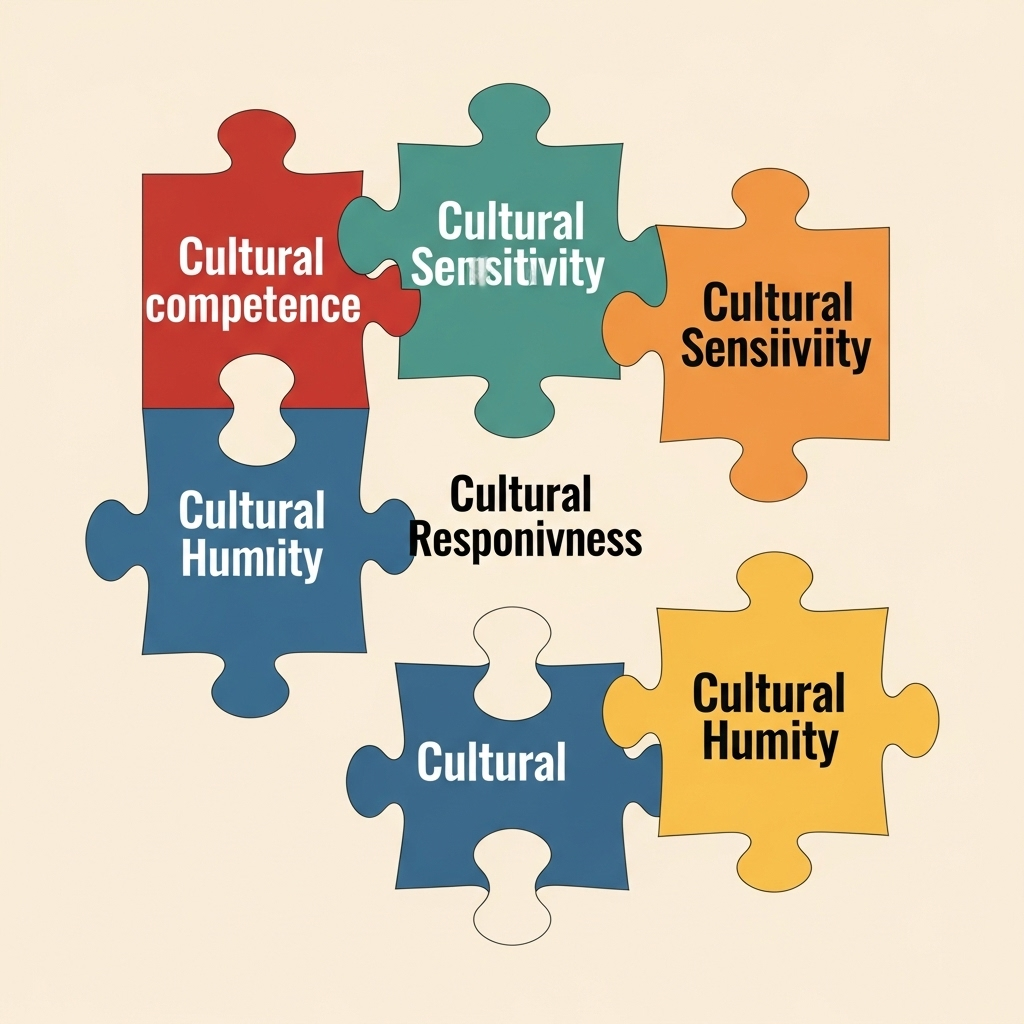
Reflecting on Pompallier's Legacy
'The importance of Bishop Pompallier lies not just in his religious mission, but in his respect for Māori culture and his role in protecting religious freedom for all New Zealanders.'