
Can You Trust the Evidence?
Evaluating Sources in Science Year 10 Biology Critical Thinking Skills
Learning Objectives
Identify reliable vs unreliable sources Recognize different types of bias Evaluate scientific evidence critically Apply evaluation skills to genetic engineering topics
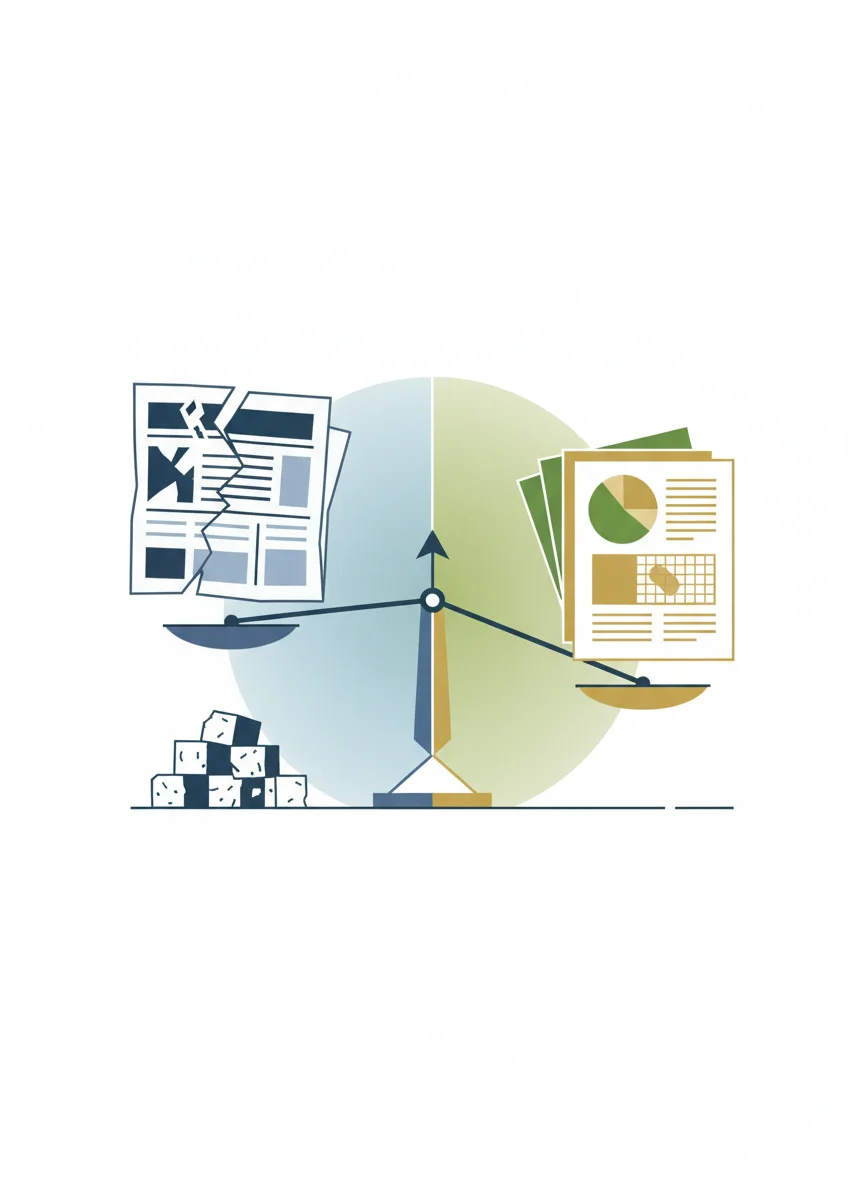
Why Does Source Evaluation Matter?
Misinformation spreads rapidly online Scientific claims affect personal decisions Policy decisions rely on evidence Your future career may depend on it
Reliable vs Unreliable Sources
{"left":"Peer-reviewed journals\nGovernment health agencies\nUniversity research\nProfessional organizations","right":"Social media posts\nPersonal blogs\nWebsites selling products\nAnecdotal stories"}
Types of Bias to Watch For
Commercial bias - selling products Confirmation bias - cherry-picking data Publication bias - only positive results Selection bias - unrepresentative samples
Quick Check: Spot the Red Flags
A website claims 'Doctors hate this one weird trick!' What red flags can you identify?

Genetic Engineering: A Case Study Topic
CRISPR gene editing technology Genetically modified foods Gene therapy treatments Designer babies debate
Research & Evaluate Activity
Choose a genetic engineering topic Find 3 different sources Apply the CRAAP test to each Identify any bias present Present findings to class
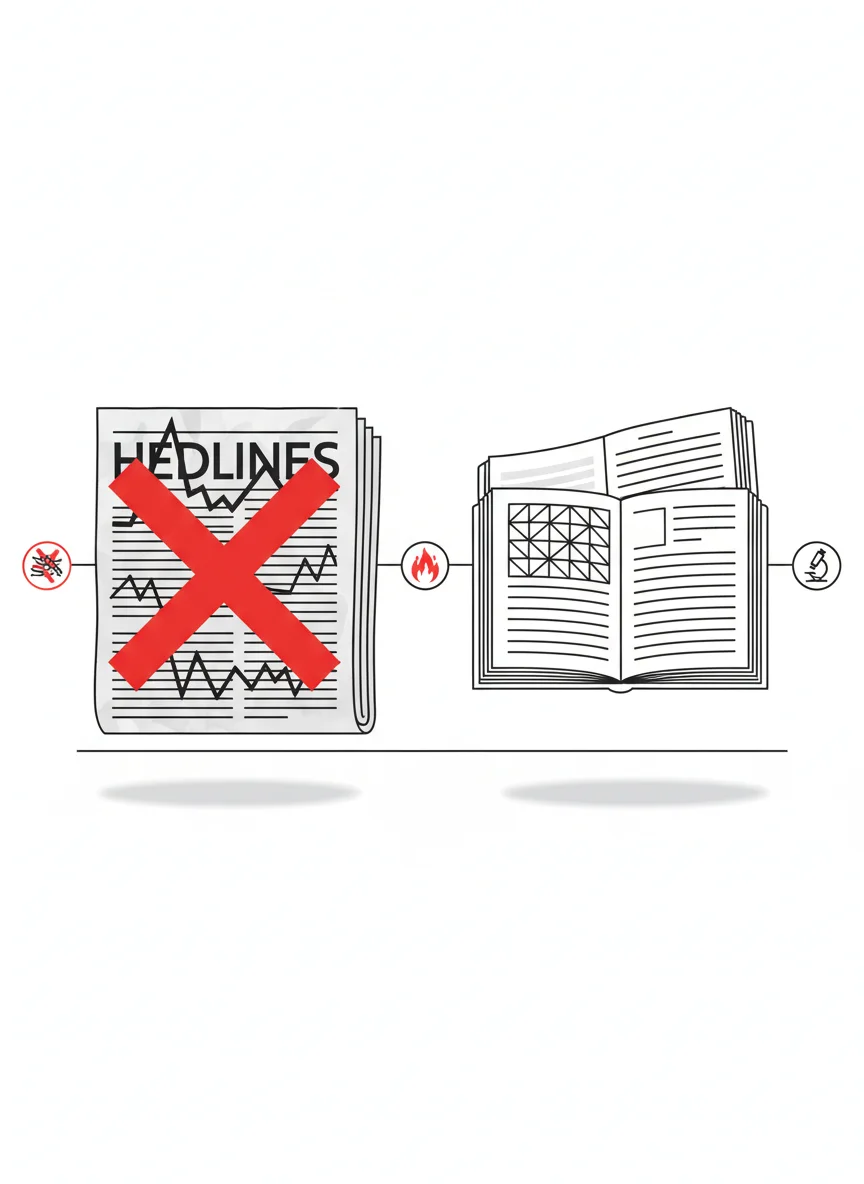
Common Pitfalls in Genetic Engineering Sources
Sensationalized headlines about 'designer babies' Industry-funded studies on GMO safety Outdated information about gene therapy Mixing correlation with causation
Reflection: What Did You Discover?
Which source was most reliable? Why? What bias did you find most surprising? How will this change how you read science news?
Key Takeaways & Next Steps
Always check source credibility Look for peer review and citations Consider who benefits from the information When in doubt, seek multiple perspectives Apply these skills to all scientific claims
1 more slide available after you open the deck.
Download all 12 slides