
Carbs: Fueling Olympic Rowing Performance
Year 12 Health Studies Food & Nutrition Understanding carbohydrate needs for elite rowing

Starter Question
What fuel do you think an Olympic rower relies on most during a 2,000m race? Why do you think this fuel source is most important? Consider the intensity and duration of the race

Why Carbohydrates Matter for Rowing
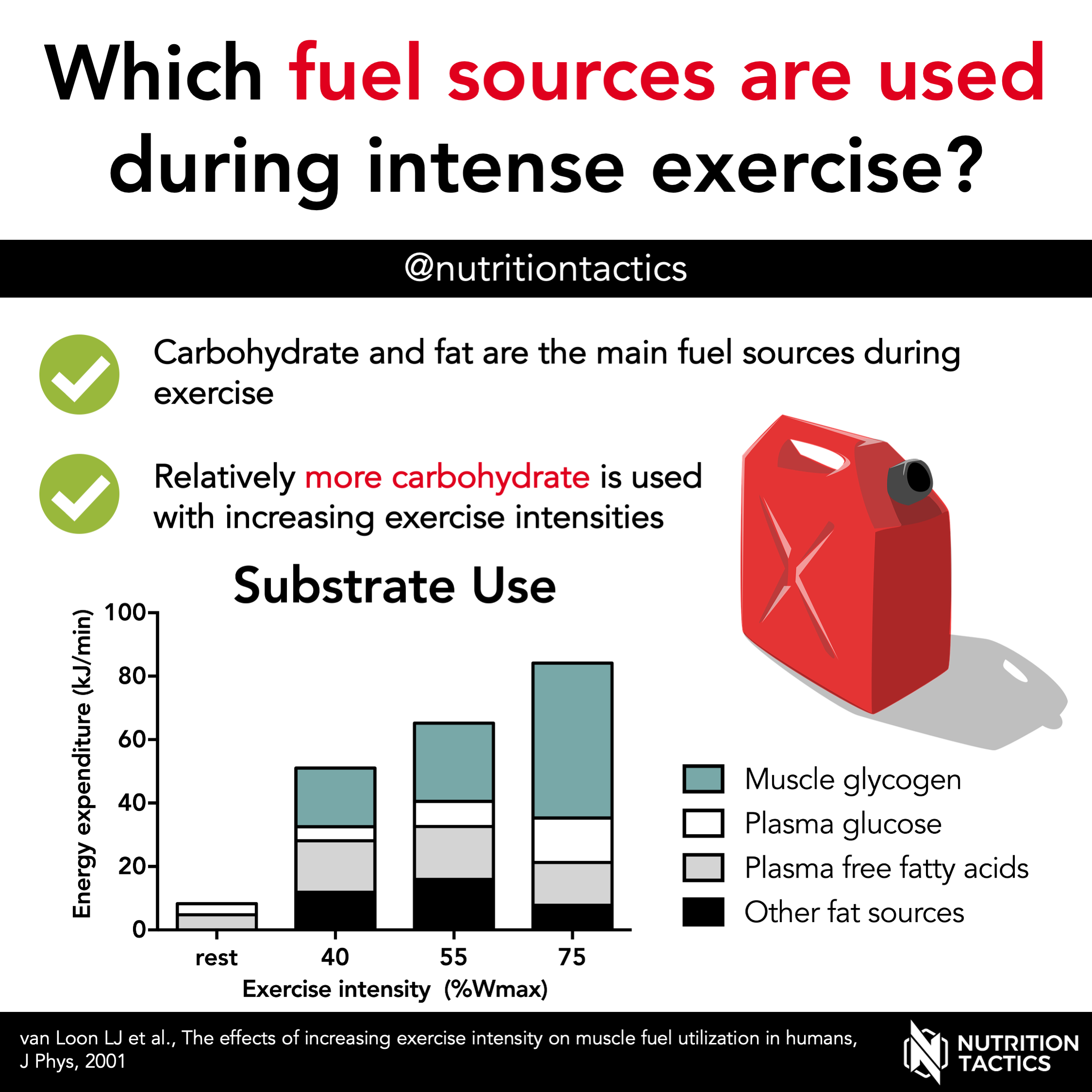
Primary fuel source for high-intensity exercise Broken down into glucose for immediate energy Stored in muscles and liver as glycogen Essential for the explosive power needed in rowing More efficient than fats or proteins for intense efforts
Glycogen: Your Body's Fuel Tank
{"left":"Limited storage capacity\nStored in muscles and liver\nDepletes during intense exercise","right":"Must be regularly refueled\nPowers explosive movements\nDetermines performance capacity"}

The Reality Check
If an Olympic rower starts a race with low glycogen, no amount of motivation can fix that.

Quick Check: Glycogen Depletion
Scenario: It's the final 500m of a 2,000m race The rower's glycogen stores are running low Work with a partner: What symptoms might the rower experience? How would this affect their race strategy? What could have prevented this situation?

Carbohydrate Timing for a 2,000m Race
Before the Race: Carb Loading Strategy
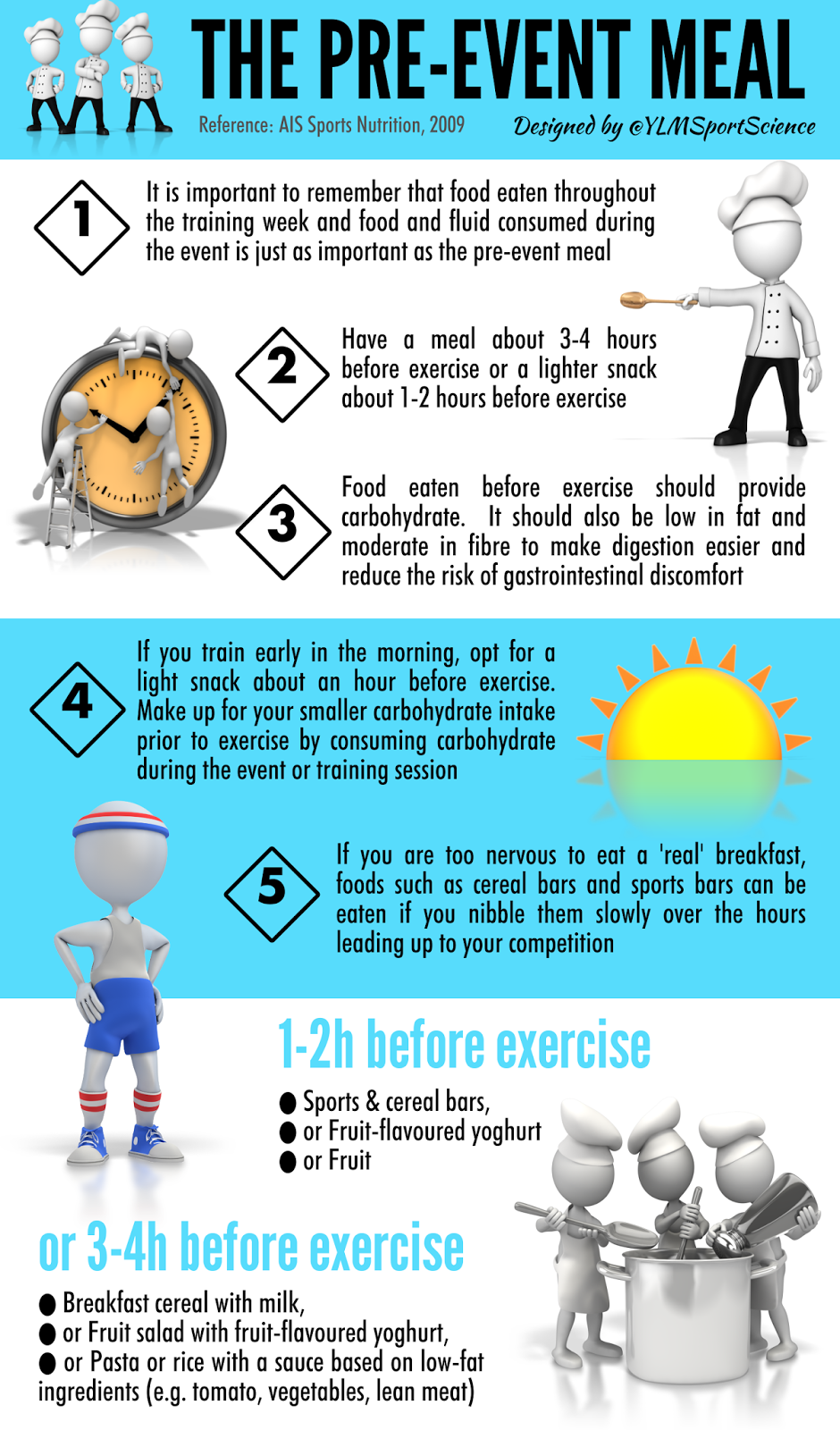
3-4 hours before: High carbohydrate meal Maximizes muscle and liver glycogen stores Examples: pasta, rice, oatmeal with fruit 1 hour before: Light carbohydrate snack Tops up blood glucose without causing digestive issues Avoid high fiber or fatty foods that slow digestion

During the Race: Glycogen in Action
Race duration: 6-8 minutes of maximum intensity Body relies entirely on stored glycogen No time or need for additional fuel intake Glycogen provides immediate, powerful energy Well-fueled athletes maintain power throughout Poorly fueled athletes fade in final 500m

After the Race: Recovery and Replenishment
Within 30 minutes: Begin glycogen replenishment Muscles are most receptive to carbohydrate uptake Combine with protein for muscle repair 2-4 hours: Complete recovery meal Prepares body for next training session Critical for athletes with multiple races or training sessions
Apply Your Knowledge: Athlete Scenarios
Choose ONE scenario and explain why carbohydrates are especially important: Scenario A: Two hard training sessions in one day Scenario B: Race day with heats and finals Scenario C: Heavy training week with daily sessions Write your response under: 'Carbohydrates - Task A Notes' Use 'because' and 'why it matters' language

Key Takeaways: Carbs for Rowing Excellence
Carbohydrates are the primary fuel for high-intensity rowing Glycogen stores are limited and must be strategically managed Timing matters: before, during, and after exercise Poor carbohydrate strategy directly limits performance Elite rowers plan nutrition as carefully as training Recovery nutrition sets up success for the next session