
Chemical Reactions in Real Life
Understanding Chemistry Beyond the Laboratory Year 11 Chemistry NCEA Level 1
Learning Objectives
Identify chemical reactions in everyday contexts Understand the difference between physical and chemical changes Explain how chemical reactions affect our daily lives Apply chemical knowledge to real-world situations
What is a Chemical Reaction?
Think about what happens when you cook an egg Or when metal rusts What changes are occurring?

Defining Chemical Reactions
A process where substances are changed into new substances Original substances (reactants) are consumed New substances (products) are formed Chemical bonds are broken and new ones formed

Physical vs Chemical Changes
{"left":"Ice melting to water\nPaper burning to ash\nSalt dissolving in water\nIron rusting to iron oxide","right":"Crushing a can\nDigesting food\nBoiling water\nBaking a cake"}

Signs of Chemical Reactions
Color change Gas production (bubbling) Temperature change Precipitate formation Light production Odor change

Spot the Chemical Reaction
Look at the images provided Identify which show chemical reactions Explain your reasoning Discuss with a partner

Chemical Reactions in Cooking
Maillard reaction - browning of meat and bread Caramelization - sugar turning brown Protein denaturation - egg whites solidifying Fermentation - yeast converting sugar to alcohol

The Maillard Reaction Process
Combustion in Daily Life
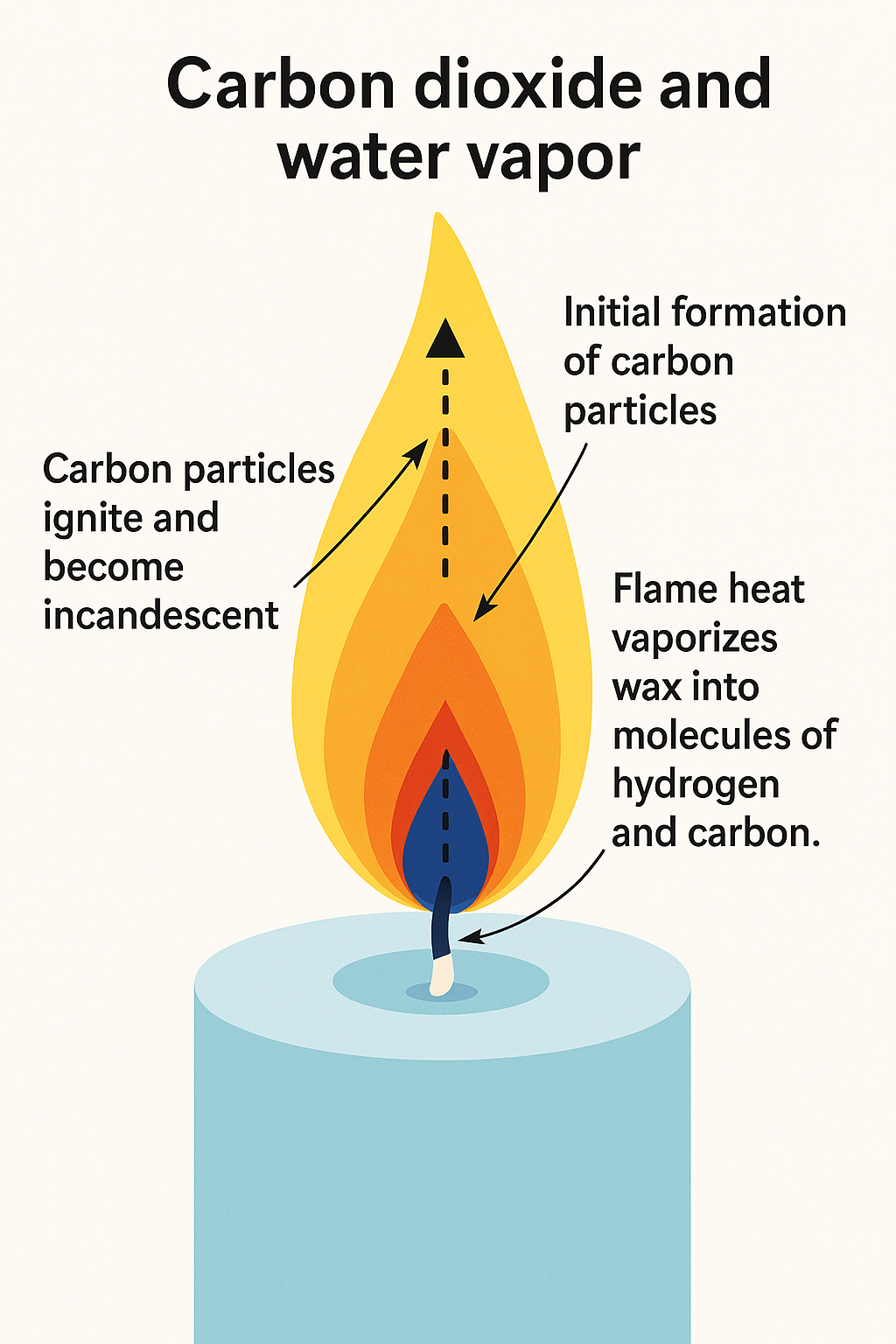
Burning candles for light and ambiance Car engines burning fuel for energy Gas stoves burning natural gas for cooking Fireworks creating colors through combustion
Energy and Chemical Reactions
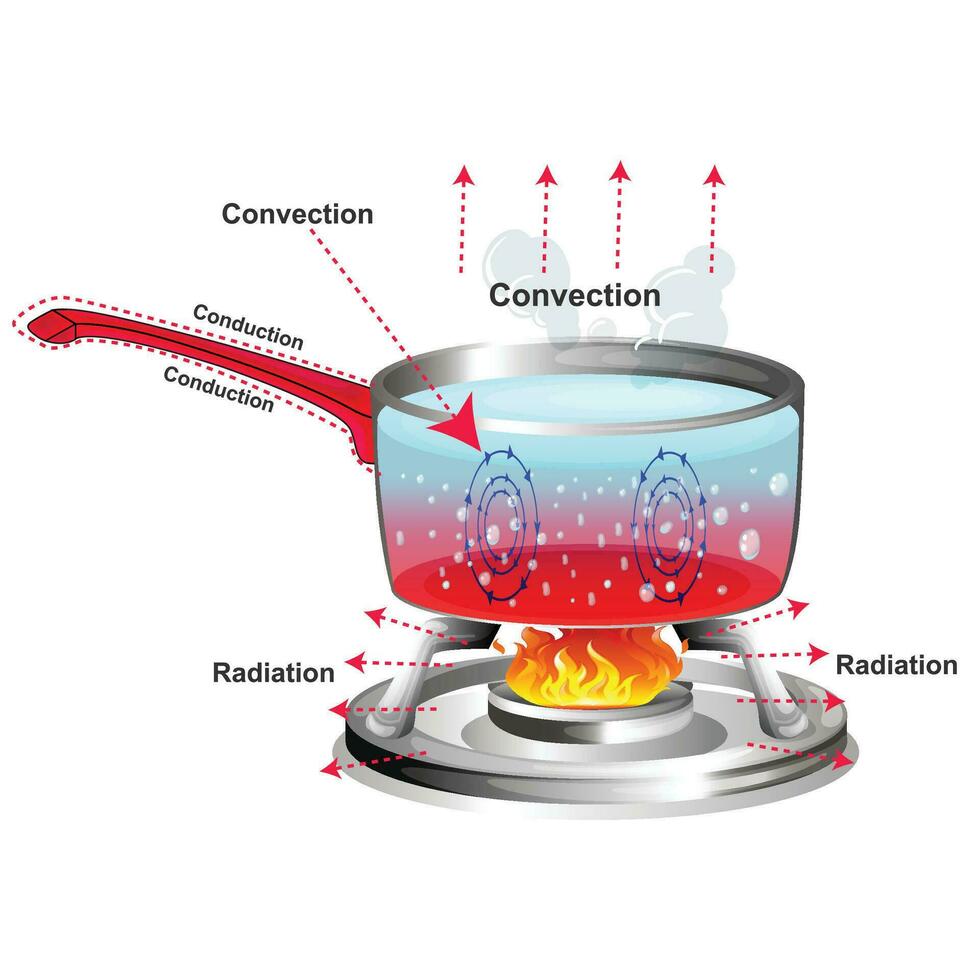
"Every chemical reaction either releases or absorbs energy"
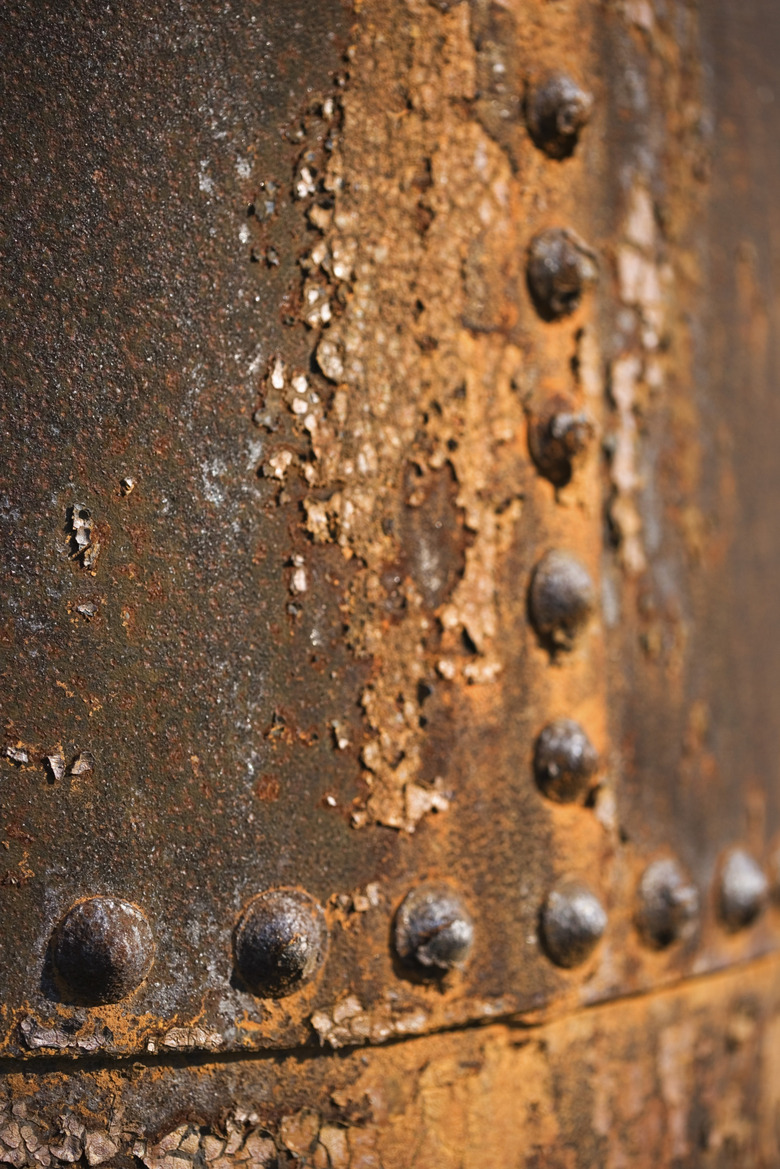
Corrosion and Oxidation
Iron rusting in the presence of oxygen and water Copper developing green patina over time Silver tarnishing when exposed to sulfur compounds Aluminum forming protective oxide layer
19 more slides available after you open the deck.
Download all 31 slides